Craftsmanship Unveiled: How Are Mechanical Watches Made?
Craftsmanship Unveiled: How Are Mechanical Watches Made?
In a world dominated by digital technology, there is a certain allure to the meticulous artistry found in mechanical watches. These exquisite timepieces not only serve as a tool for measuring time but also exude a sense of prestige and sophistication. But have you ever wondered how these masterpieces are crafted with such precision? Join us on a journey behind the scenes as we unveil the intricate process of creating mechanical watches – from the skilled hands that carefully assemble each component to the secrets that lie within their mesmerizing mechanism. Prepare to be captivated by the fusion of tradition, innovation, and sheer craftsmanship that gives birth to these remarkable works of horological art.
Contents
- Craftsmanship Unveiled: How Are Mechanical Watches Made?
- 2. Expertly Designed Movements: Unraveling the Intricacies of Mechanical Watchmaking
- 3. Meticulous Assembly: Piecing Together the Heart and Soul of a Mechanical Watch
- 5. High-Quality Materials: Unlocking the Secrets Behind Durable and Luxurious Timepieces
- 6. The Role of Tradition: How time-honored Techniques Shape the Making of Mechanical Watches
- 8. The Importance of Skilled Artisans: Celebrating the Masters Behind Mechanical Watch Production
- Wrapping Up
Craftsmanship Unveiled: How Are Mechanical Watches Made?
Mechanical watches are a marvel of precision engineering and craftsmanship, embodying the timeless artistry of horology. From the delicate gears to the intricate jewels, every component is meticulously designed and assembled to create a timepiece that will stand the test of time.
Related: How It’s Made: Mechanical Watches Revealed
The production of a mechanical watch begins with the careful selection of the highest quality materials. Stainless steel, titanium, precious metals, and sapphire crystals are often used to ensure durability and beauty. Skilled artisans then skillfully cut, shape, and polish these materials into the various parts that make up a watch.
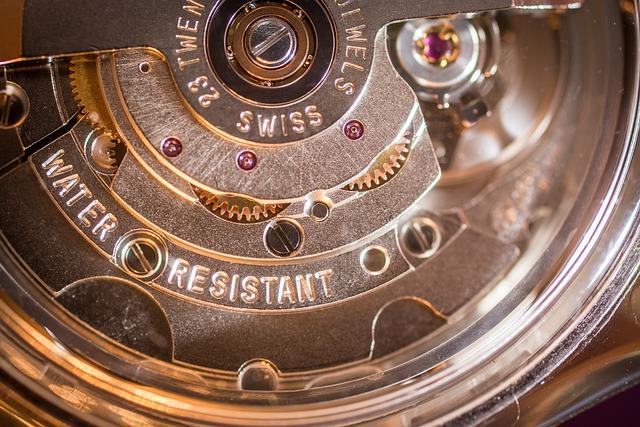
One of the most crucial parts of a mechanical watch is the movement, which is responsible for the watch’s timekeeping functions. The movement consists of tiny gears, springs, and levers that work together to accurately measure time. These intricate components are carefully hand-assembled by skilled watchmakers, ensuring that each watch functions with precision and accuracy.
Another essential aspect of mechanical watches is the dial and hands. The dial is the face of the watch, often adorned with elegant designs and markings. The hands, usually made of plated or polished metal, sweep across the dial, indicating the hours, minutes, and sometimes seconds.
To protect the delicate movement and enhance the watch’s appearance, a finely crafted case is created. The case not only houses the movement but also provides strength and water resistance. Cases can range from simple and elegant designs to elaborate and ornate creations, often incorporating precious gems or intricate engravings.
In conclusion, the craftsmanship behind the creation of mechanical watches is a testament to the dedication and expertise of skilled artisans. Every step, from the selection of materials to the intricate assembly of components, is meticulously executed to bring to life a timepiece that combines beauty and functionality. The result is a mechanical watch that not only tells time but also embodies the timeless art of horology.
2. Expertly Designed Movements: Unraveling the Intricacies of Mechanical Watchmaking
In the world of horology, mechanical watches hold a special place for watch enthusiasts and collectors alike. Beyond their aesthetic charm, the intricate movements that power these timepieces are a testament to the craftsmanship and engineering precision involved in their creation.
The heart of a mechanical watch lies in its movement or caliber – a meticulously designed and assembled mechanism consisting of various gears, springs, and levers. These components work in perfect harmony to measure the passage of time with remarkable accuracy.
One of the key elements in mechanical watchmaking is the escapement mechanism, responsible for regulating the flow of energy and the accurate tick-tick motion of the watch’s hands. Whether it’s a lever escapement, Swiss anchor escapement, or even a co-axial escapement, each type requires expert engineering and precise adjustment to ensure its functionality.
Another crucial aspect of mechanical watch movements is the power source. Traditionally, these watches rely on a mainspring, which is wound manually or automatically through the motion of the wearer’s wrist. This stored energy is then released slowly and evenly through a series of gears, ultimately driving the movement of the watch hands.
To achieve the desired accuracy, watchmakers carefully balance the rate at which the energy is released and the resistance created by various components. This delicate equilibrium ensures that the watch operates within acceptable tolerances and, in the case of chronometer-grade watches, adheres to stringent quality standards.
With the vast array of complications available in mechanical watches – from date displays and moon phase indicators to chronographs and perpetual calendars – the complexity of these timepieces is truly awe-inspiring. Every component is painstakingly designed and assembled by skilled watchmakers who bring a blend of artistry and technical expertise to the process.
So the next time you admire a mechanical watch, take a moment to appreciate the intricate world hidden beneath its dial. From the smallest minuscule gears to the finely finished bridges, each element plays a vital role in ensuring the smooth operation and enduring beauty of these expertly designed timekeeping marvels.
3. Meticulous Assembly: Piecing Together the Heart and Soul of a Mechanical Watch
In the meticulous assembly process of mechanical watches, every tiny component plays a significant role in bringing this exquisite timepiece to life. From the intricate gears to the delicate springs, each part is carefully calibrated and meticulously fitted together to ensure precision and accuracy. Let’s dive into the fascinating world of watchmaking and unveil the craftsmanship behind these masterpieces.
Components sourcing and inspection: The first step in assembling a mechanical watch involves sourcing high-quality components from reputable manufacturers. These components can range from the mainplate and bridges to the escapement mechanism and balance wheel. Each piece undergoes a rigorous inspection to ensure it meets the strict standards of the watchmaker. This attention to detail ensures that only the finest components are used in the final product.
Lubrication and assembly: Once the components have been carefully selected, they are meticulously lubricated to ensure smooth movement and reduce friction. Watchmakers use specially formulated oils and greases that are applied in precise amounts to the necessary parts. The assembly process then begins, with each component delicately fitted into its designated place. The watchmaker’s deft hands and keen eye for detail are crucial at this stage to guarantee a flawless assembly.
Regulation and testing: After the painstaking assembly, the newly assembled watch goes through a series of meticulous tests to ensure it functions with utmost precision. The watchmaker skillfully regulates the movement, adjusting the escapement mechanism and balance wheel to achieve optimal timekeeping accuracy. These tests may include verifying the watch’s power reserve, checking its functionality in various positions, and guaranteeing it meets the expected accuracy standards.
- Quality control and inspection: Finally, the completed mechanical watch is subjected to a stringent quality control process. Each timepiece is carefully inspected to verify its flawless aesthetics, accuracy, and functionality. Any imperfections or deviations from the specified standards are promptly addressed and rectified. This commitment to quality ensures that every mechanical watch that leaves the watchmaker’s workshop is a true testament to the craftsmanship and dedication behind its creation.
Crafting a mechanical watch is a labor of love and expertise. It requires a meticulous attention to detail, precise assembly techniques, and extensive knowledge of horology. The heart and soul of a mechanical watch lie not only in its intricate design but also in the devotion of the skilled artisans who bring it to life.
5. High-Quality Materials: Unlocking the Secrets Behind Durable and Luxurious Timepieces
The secret to crafting durable and luxurious timepieces lies in the use of high-quality materials. When it comes to mechanical watches, every component is carefully selected and meticulously engineered to ensure precision and longevity. Let’s dive into the world of fine craftsmanship and explore the materials that make these timepieces truly exceptional.
Stainless Steel:
Stainless steel is a popular choice for watch cases and bracelets due to its durability and resistance to corrosion. This rugged material not only provides a sleek and sophisticated look but also ensures that your timepiece can withstand the test of time.Sapphire Crystal:
To protect the delicate dial and hands, high-end watches often feature sapphire crystal, which is known for its exceptional hardness. This transparent material offers superior scratch resistance, ensuring that your watch remains crystal-clear and free from blemishes for years to come.Noble Metals:
For a touch of opulence, some luxurious timepieces incorporate noble metals such as gold or platinum. These precious materials not only enhance the aesthetic appeal of the watch but also add value and longevity. With proper care, these exquisite timepieces can be cherished for generations.- Fine Leather:
The strap or bracelet of a mechanical watch also plays a crucial role in its overall quality. Many luxury brands opt for fine leather straps, which exude elegance and provide comfort. From supple calfskin to exotic alligator, these high-quality materials elevate the luxury and durability of the timepiece.
In conclusion, the use of high-quality materials is the key to creating durable and luxurious mechanical watches. From stainless steel to sapphire crystal, these components ensure that your timepiece remains reliable and visually stunning. Whether you prefer a classic stainless steel watch or one adorned with precious metals, the craftsmanship behind these timepieces is undeniable. Experience the artistry and sophistication of mechanical watches by choosing one crafted from the finest materials.
6. The Role of Tradition: How time-honored Techniques Shape the Making of Mechanical Watches
In the world of horology, the making of mechanical watches is an art form that dates back centuries. Craftsmanship and tradition play a vital role in the creation of these timepieces, ensuring their enduring quality and precision.
One of the most captivating aspects of mechanical watches is the use of time-honored techniques. These include intricate hand-assembling, meticulous hand-finishing, and delicate hand-engraving. By relying on these traditional methods, watchmakers are able to achieve a level of craftsmanship that is truly awe-inspiring.
Hand-assembling a mechanical watch involves carefully fitting together hundreds of tiny components, including gears, springs, and escapements. Each piece must be precisely aligned and adjusted to ensure the watch functions flawlessly. This meticulous process requires the keen eye and steady hand of a skilled watchmaker, as even the slightest misalignment can disrupt a watch’s accuracy.
The hand-finishing of a mechanical watch is another essential step in the manufacturing process. This involves carefully polishing and texturing the watch’s surfaces, often using a variety of specialized tools. The aim is to create a visually stunning timepiece that reflects the watchmaker’s attention to detail and commitment to excellence.
Hand-engraving is yet another craftsmanship technique used in the making of mechanical watches. This intricate art involves carving designs or patterns onto the watch’s case, dial, or movement. Many skilled engravers spend years perfecting their technique to create unique and truly remarkable pieces. The result is a watch that not only tells time but also tells a story through its exquisite engravings.
In summary, the role of tradition in the making of mechanical watches cannot be overstated. It is through these time-honored techniques that watches are imbued with a sense of legacy and artistry. From hand-assembling and hand-finishing to hand-engraving, each step in the process contributes to the creation of a masterpiece that showcases the craftsmanship and skill of the watchmaker.
8. The Importance of Skilled Artisans: Celebrating the Masters Behind Mechanical Watch Production
Skilled artisans serve as the backbone of the mechanical watch industry, playing a pivotal role in producing these timeless pieces of art. These masters of their craft possess a wealth of knowledge and expertise that is passed down through generations. Their dedication and attention to detail ensure that every mechanical watch produced is a masterpiece of precision and beauty.
The process of creating a mechanical watch begins with the careful selection of high-quality materials. These include stainless steel, gold, and sapphire crystals, all meticulously chosen to meet the highest standards. The artisans then embark on a labor-intensive journey, meticulously crafting each component by hand.
From the intricate gears and springs to the delicate dials and hands, every element of a mechanical watch is crafted with precision. Artisans employ traditional techniques, such as filing, polishing, and engraving, to bring these tiny components to life. Their steady hands and acute eyesight are essential in ensuring the flawless assembly of these complex mechanisms.
Beyond their technical skills, skilled artisans also possess an artistic flair. They know how to balance design aesthetics with technical functionality, resulting in timepieces that are both visually stunning and precise in their timekeeping. The handmade nature of mechanical watches allows for a level of customization and personalization that mass-produced timepieces simply cannot match.
In an age of mass production and automation, the importance of skilled artisans in the mechanical watch industry cannot be overstated. Their dedication and craftsmanship honor the rich history and tradition of mechanical watchmaking, keeping this timeless art form alive for generations to come. So, the next time you marvel at the intricate beauty of a mechanical watch, take a moment to appreciate the skilled artisans who pour their heart and soul into creating these magnificent timepieces.
Wrapping Up
In conclusion, delving into the world of mechanical watches has unveiled a fascinating process that marries artistry and precision. From the initial design concept to the delicate assembly of countless intricate parts, craftsmen pour their expertise and devotion into creating these horological masterpieces. Key takeaways from understanding the art of watchmaking include:
Intricate Design: Mechanical watches are not just time-telling devices, but works of art that embody meticulous design and attention to detail.
Handcrafted Precision: Skilled watchmakers employ time-honored techniques to meticulously assemble each component, ensuring absolute accuracy and longevity.
Material Mastery: High-quality materials like stainless steel, gold, and sapphire crystal play an integral role in the creation of mechanical watches, enhancing their durability and aesthetic appeal.
Legacy of Tradition: The centuries-old tradition of watchmaking preserves techniques handed down through generations, keeping the art alive and helping mechanical timepieces withstand the test of time.
- Time as an Art Form: Mechanical watches transcend mere functionality, serving as a testament to human creativity and the artistry that can be achieved in the pursuit of timekeeping excellence.
So, the next time you glance at your watch, remember the craftsmanship and dedication that went into its creation. Mechanical watches offer not just a means to track time, but a glimpse into the rich heritage and mastery of the horological world.
Get our latest guides, news, and insights highlighted in your Google Search & AI Overviews.