Debunked: Are Quartz Watches Mechanical?
If you’ve ever wondered whether quartz watches can truly be considered mechanical timepieces, you’re not alone. The debate has been ongoing for years, with many misconceptions and misunderstandings abound. In this article, we’ll delve into the heart of the matter and debunk the myths surrounding quartz watches and their mechanical counterparts. Let’s settle this once and for all.
Contents
- The Basics: Understanding Quartz Watches
- Clarifying the Misconception: Quartz vs. Mechanical Movements
- Examining the Inner Workings: Components of Quartz Watches
- Dispelling Myths: Common Misunderstandings about Quartz Movements
- Advantages of Quartz Watches over Mechanical Timepieces
- Recommendations for Maintenance and Care of Quartz Watches
- Final Thoughts
The Basics: Understanding Quartz Watches
Quartz watches are often misunderstood when it comes to their mechanics. Many people assume that quartz watches are mechanical due to their intricate design and precise timekeeping. However, this is a common misconception. In reality, quartz watches are powered by a small quartz crystal that vibrates at a consistent frequency when an electric current is passed through it.
These vibrations are what allow quartz watches to keep time accurately and with minimal maintenance. Unlike mechanical watches that rely on a complex system of gears and springs, quartz watches use electronic circuits and a small battery to power the movement. This makes quartz watches more affordable and reliable for everyday wear.
One of the main advantages of quartz watches is their accuracy. Quartz movements are known for their precision, typically losing or gaining only a few seconds per month. This level of accuracy is unmatched by mechanical watches, making quartz watches a popular choice for those who value precise timekeeping in their daily lives.

Clarifying the Misconception: Quartz vs. Mechanical Movements
Many watch enthusiasts often debate the differences between quartz and mechanical movements, leading to confusion and misconceptions about the two types of watch mechanisms. One common misconception is the belief that quartz watches are mechanical, when in fact, they operate differently.
Quartz Movements: These watches are powered by a battery, which sends an electric current through a tiny piece of quartz crystal. The crystal oscillates at a consistent frequency, which drives the movement of the watch hands. It is known for its accuracy and affordability, making it a popular choice for everyday wear.
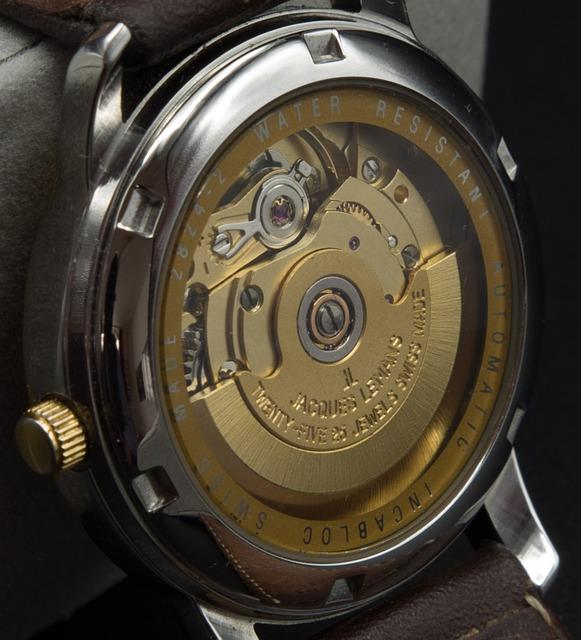
Mechanical Movements: On the other hand, mechanical watches are powered by a complex system of gears and springs, without any electronic components. They are often cherished for their craftsmanship and intricate engineering, with some collectors even considering them to be works of art.
| Type | Power Source |
|---|---|
| Quartz Movements | Battery |
| Mechanical Movements | Gears and Springs |
So, the next time you’re shopping for a watch, remember that quartz watches are not mechanical. Each type of movement offers its own unique qualities, so choose the one that best fits your style and preferences.

Examining the Inner Workings: Components of Quartz Watches
Quartz watches are often misunderstood in terms of their mechanics, leading many to question whether they are truly mechanical timepieces. Let’s debunk this misconception by delving into the inner workings of quartz watches.
At the heart of a quartz watch is a small piece of synthetic quartz crystal, which serves as the oscillator. This crystal vibrates at a precise frequency when an electrical current is applied, providing the accurate timekeeping that quartz watches are known for. The crystal’s oscillations are measured by a circuit and converted into regular electrical pulses, which in turn drive the watch’s gears and hands.
In addition to the quartz crystal, other key components of a quartz watch include the battery, circuit board, stepper motor, and display. The battery provides the electrical power needed to run the watch, while the circuit board controls the flow of electricity and ensures the timekeeping accuracy. The stepper motor translates the electrical pulses into rotational movement, ultimately driving the watch’s hands.
Overall, while quartz watches may not have the intricate mechanical parts found in traditional mechanical timepieces, they are still a marvel of engineering and precision. The combination of quartz technology and efficient design results in reliable and accurate timekeeping for everyday wear.
Dispelling Myths: Common Misunderstandings about Quartz Movements
Quartz watches are often associated with precision and reliability, but there are common misconceptions about how they work. Let’s set the record straight on some of these myths:
– **Myth 1: Quartz watches are mechanical**
– Fact: Quartz watches are actually electronic, not mechanical. While mechanical watches rely on a complex system of gears and springs to keep time, quartz watches use a small piece of quartz crystal to regulate the movement of the watch hands.
– **Myth 2: Quartz watches are less accurate than mechanical watches**
– Fact: Quartz watches are known for their exceptional accuracy, typically losing only a few seconds per month. In contrast, mechanical watches can vary in accuracy depending on factors like temperature and movement.
– **Myth 3: Quartz watches are not as valuable as mechanical watches**
– Fact: While some collectors may prefer the craftsmanship of mechanical watches, quartz watches are prized for their reliability and affordability. Many luxury watch brands offer quartz models alongside their mechanical counterparts.
In conclusion, quartz watches may not have the intricate inner workings of mechanical watches, but they offer their own set of benefits that make them a popular choice for many watch enthusiasts.
Advantages of Quartz Watches over Mechanical Timepieces
When it comes to comparing quartz watches with mechanical timepieces, there are several advantages that quartz watches have over their mechanical counterparts. These advantages make quartz watches a popular choice for many watch enthusiasts:
- Accuracy: Quartz watches are known for their exceptional accuracy, as they rely on a battery-operated quartz crystal to keep time. Mechanical watches, on the other hand, can lose or gain a few seconds each day.
- Maintenance: Quartz watches require minimal maintenance, as they are powered by a battery and do not need to be wound like mechanical watches. This makes quartz watches more convenient for everyday use.
- Durability: Quartz watches are generally more durable and less susceptible to shock and impact compared to mechanical watches. They are also less likely to require costly repairs.

Recommendations for Maintenance and Care of Quartz Watches
Quartz watches may not be mechanical, but they still require regular maintenance to ensure optimal performance and longevity. Here are some recommendations for taking care of your quartz watch:
- Keep it clean: Wipe down your watch regularly with a soft, dry cloth to remove any dirt or grime that may accumulate on the surface.
- Avoid water exposure: While most quartz watches are water-resistant, it is best to avoid exposing them to water unnecessarily to prevent any potential damage.
- Replace the battery: Quartz watches run on batteries that will eventually need to be replaced. Keep track of when you last changed the battery and replace it as needed to keep your watch running smoothly.
- Store it properly: When not wearing your quartz watch, store it in a cool, dry place away from direct sunlight to prevent any damage to the watch’s components.
Overall, by following these simple recommendations, you can ensure that your quartz watch remains in top condition for years to come.
Final Thoughts
In conclusion, we’ve debunked the misconception that quartz watches are mechanical. Quartz watches operate using a battery-powered quartz crystal, while mechanical watches rely on mechanical components. Remember, the key difference lies in the movement mechanism, with quartz watches offering superior accuracy and lower maintenance requirements. So next time you’re shopping for a watch, keep in mind the distinction between quartz and mechanical movements!
Get our latest guides, news, and insights highlighted in your Google Search & AI Overviews.