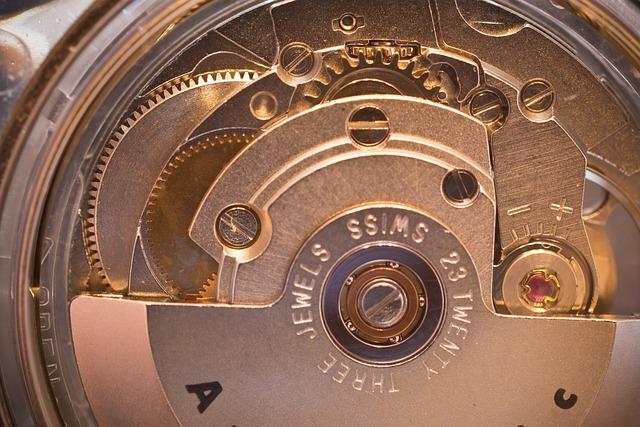
Unveiling the Power Reserve in Automatic Watch Technology
Have you ever wondered how an automatic watch can continue to function without the need for a battery? The answer lies in the fascinating world of power reserve technology. In this article, we will delve into the mechanics behind the power reserve in automatic watches, uncovering the secrets that keep these timepieces ticking. Join us as we unveil the mysteries of automatic watch technology and explore the inner workings of these impressive pieces of engineering.
Contents
- Understanding the Importance of Power Reserve in Automatic Watches
- Maximizing Power Reserve Efficiency in Automatic Watch Mechanisms
- Key Factors Influencing Power Reserve Duration in Automatic Watches
- Recommended Practices for Preserving Power Reserve in Automatic Watches
- Exploring the Impact of Complications on Power Reserve in Automatic Watches
- Comparing Power Reserve Capabilities Across Different Automatic Watch Brands
- Innovations in Power Reserve Technology for Automatic Watches
- Tips for Monitoring and Maintaining Power Reserve Levels in Automatic Watches
- Extending the Lifespan of Power Reserve Components in Automatic Watches
- Potential Pitfalls to Avoid When Dealing with Power Reserve in Automatic Watches
- To Conclude
Understanding the Importance of Power Reserve in Automatic Watches
Automatic watches are marvels of engineering that rely on the energy stored in a mainspring to keep time. One crucial aspect of automatic watches that often goes overlooked is the power reserve. This feature indicates how long a watch can operate without being wound, providing wearers with valuable information about the watch’s energy levels.
The power reserve is typically displayed on the dial of the watch, showing the number of hours or days the watch can function before needing to be wound again. Understanding the power reserve of an automatic watch is essential for ensuring its proper function and longevity.
A longer power reserve allows for greater convenience and peace of mind, as wearers can go longer periods without worrying about winding their watch. Additionally, a higher power reserve is a sign of superior craftsmanship and efficient watchmaking, indicating a higher-quality timepiece.
Investing in an automatic watch with a substantial power reserve is a wise decision for enthusiasts and collectors alike. By learning about and appreciating the importance of power reserve in automatic watches, wearers can fully understand and enjoy the technology behind these intricate timepieces.

Maximizing Power Reserve Efficiency in Automatic Watch Mechanisms
One of the most fascinating aspects of automatic watch technology is the power reserve, which is essentially the amount of time a watch can operate without being wound. Understanding and maximizing power reserve efficiency is crucial for ensuring the proper functioning of an automatic watch mechanism.
There are several key factors that play a role in optimizing power reserve efficiency in automatic watch mechanisms:
- Efficient winding mechanisms: Utilizing high-quality winding mechanisms can help ensure that the watch is wound efficiently, maximizing the power reserve.
- Reducing friction: Minimizing friction within the movement through precision engineering and high-quality materials can help extend the power reserve of an automatic watch.
- Enhanced power storage: Increasing the capacity of the mainspring or utilizing advanced materials can enhance power storage in the watch, extending the power reserve.
By paying attention to these key factors and optimizing power reserve efficiency, watchmakers can create automatic watch mechanisms that not only keep accurate time but also operate seamlessly for extended periods without the need for frequent winding.

Key Factors Influencing Power Reserve Duration in Automatic Watches
In the world of automatic watches, the duration of power reserve is a crucial factor that enthusiasts and collectors pay close attention to. Understanding the key factors that influence the power reserve duration can give you valuable insights into the inner workings of these timepieces.
One of the primary factors that affect the power reserve duration in automatic watches is the size of the mainspring. A larger mainspring can store more energy, allowing the watch to run for a longer period without needing to be wound. Additionally, the efficiency of the movement also plays a significant role in determining how long the power reserve will last.
Another key factor to consider is the frequency of the balance wheel. Watches with a higher frequency balance wheel typically consume more energy, resulting in a shorter power reserve duration. On the other hand, watches with a lower frequency balance wheel can conserve energy and prolong the power reserve.
It’s important to note that the design and quality of the movement, as well as external factors such as temperature and usage patterns, can also impact the power reserve duration of an automatic watch. By understanding these key factors, you can make informed decisions when choosing an automatic watch that aligns with your preferences and lifestyle.
Recommended Practices for Preserving Power Reserve in Automatic Watches
When it comes to automatic watches, preserving power reserve is essential for ensuring the watch continues to keep accurate time. There are several recommended practices that can help extend the power reserve of your automatic watch:
- Regular Wear: Wearing your automatic watch regularly helps keep the movement active, preventing it from losing power reserve.
- Manual Winding: If you have a manual winding automatic watch, make sure to wind it at least once a day to maintain optimal power reserve.
- Avoid Overwinding: Be careful not to overwind your automatic watch, as this can put unnecessary strain on the movement and reduce power reserve.
- Store Properly: When not wearing your automatic watch, store it in a watch winder to keep the movement active and maintain power reserve.
| Practice | Benefit |
|---|---|
| Regular Wear | Keeps movement active |
| Manual Winding | Maintains power reserve |
| Avoid Overwinding | Prevents strain on movement |
| Store Properly | Keeps movement active |

Exploring the Impact of Complications on Power Reserve in Automatic Watches
When it comes to automatic watches, the power reserve is a crucial component that directly impacts the functionality and performance of the timepiece. Understanding how complications can affect the power reserve in automatic watches is key to unlocking the full potential of these intricate pieces of technology.
One of the main complications that can impact the power reserve in automatic watches is the addition of extra features such as a chronograph or a moon phase indicator. These complications require additional energy to function properly, which can drain the power reserve more quickly. It’s important for watch enthusiasts to consider how these complications will affect the overall power reserve of their timepiece before making a purchase.
Another factor that can impact the power reserve in automatic watches is the efficiency of the movement itself. A high-quality movement will be more energy-efficient, allowing the watch to run for longer periods of time without needing to be wound. On the other hand, a less efficient movement may require more frequent winding to maintain the power reserve.
In conclusion, is essential for anyone looking to invest in a high-quality timepiece. By understanding how different complications and movement efficiencies can affect the power reserve, watch enthusiasts can make informed decisions that align with their preferences and needs.
Comparing Power Reserve Capabilities Across Different Automatic Watch Brands
When it comes to automatic watches, one of the key features to consider is the power reserve capability. The power reserve of a watch refers to how long the watch can continue to function without being wound or worn. Different watch brands have varying power reserve capabilities, ranging anywhere from 24 hours to several days. Understanding these differences can help you choose the right watch for your needs.
One brand known for its impressive power reserve capabilities is Seiko. Their Prospex line of watches often boasts power reserves of up to 50 hours, ensuring that your watch will keep running even if you take it off for a couple of days. On the other hand, brands like Rolex and Omega usually offer power reserves in the range of 48-72 hours, providing even longer lasting performance.
However, when it comes to sheer power reserve capacity, one brand stands out above the rest. Blancpain, a Swiss luxury watchmaker, offers watches with power reserves that can last up to an astonishing 192 hours, or 8 days. This means you can go over a week without wearing or winding your Blancpain watch and it will still keep accurate time.
So, whether you’re looking for a reliable everyday watch or a luxury timepiece with an extended power reserve, there are plenty of options available across different watch brands. Make sure to consider the power reserve capabilities of a watch when making your next purchase to ensure you get a timepiece that fits your lifestyle.

Innovations in Power Reserve Technology for Automatic Watches
Automatic watches have long been admired for their intricate mechanisms and timeless appeal. The power reserve is a key element in these watches, determining how long the watch can run without being wound. Innovations in power reserve technology have significantly improved the efficiency and performance of automatic watches, ensuring they can keep accurate time for longer durations.
One of the most notable advancements in power reserve technology is the development of enhanced mainsprings and barrels. These components store more energy and release it evenly, allowing the watch to maintain power for extended periods. This ensures that even if the watch is not worn for a few days, it will still keep ticking.
Another innovation is the use of advanced materials in the construction of power reserve components. Materials like silicon and ceramic are now being incorporated into the design of mainsprings and barrels, reducing friction and wear. This not only improves the longevity of the watch but also enhances its precision and reliability.
With these advancements in power reserve technology, automatic watches are becoming more efficient and reliable than ever before. Whether you’re a watch enthusiast or a casual wearer, these innovations ensure that your automatic watch will stay powered and keep you on time for years to come.

Tips for Monitoring and Maintaining Power Reserve Levels in Automatic Watches
One key aspect of owning an automatic watch is being mindful of its power reserve levels. Keeping track of how much energy your watch has stored can help prevent it from stopping unexpectedly. Here are some tips to help you monitor and maintain power reserve levels in your automatic watch:
– **Regular Wearing**: The most straightforward way to keep your automatic watch running smoothly is by wearing it regularly. The motion of your wrist throughout the day helps keep the mainspring wound, ensuring a steady power reserve.
– **Utilize a Watch Winder**: If you have multiple watches in your collection and don’t wear each one every day, consider investing in a watch winder. This device rotates your watch periodically, mimicking the movement of wearing it and keeping the power reserve topped up.
– **Keep an Eye on the Power Reserve Indicator**: Some automatic watches come with a power reserve indicator that shows how much energy is left in the watch. Make it a habit to check this indicator regularly, so you know when it’s time to give your watch some winding.
Remember, proper care and maintenance of your automatic watch will not only keep it running smoothly but also prolong its lifespan. By following these simple tips, you can ensure that your watch always has enough power reserve to keep ticking away.
Extending the Lifespan of Power Reserve Components in Automatic Watches
When it comes to automatic watches, one of the key components that watch enthusiasts often pay attention to is the power reserve. The power reserve in automatic watches refers to the amount of time a watch can run without being wound. It is a crucial aspect of watch technology that determines how long your watch will keep ticking before it needs to be wound again.
There are several ways to extend the lifespan of power reserve components in automatic watches, ensuring that your timepiece functions optimally for many years to come. One important method is to regularly wind your watch to keep the mainspring tensioned and prevent it from losing power. Additionally, storing your watch properly when not in use can also help preserve the power reserve components.
Another effective way to prolong the lifespan of power reserve components in automatic watches is to avoid overwinding the watch. Overwinding can put unnecessary stress on the mainspring and other components, leading to premature wear and tear. It is recommended to wind your watch until you feel resistance, and then stop to prevent damage.
By following these simple tips and taking good care of your automatic watch, you can ensure that the power reserve components function smoothly and reliably for many years, allowing you to enjoy your timepiece to its fullest potential.

Potential Pitfalls to Avoid When Dealing with Power Reserve in Automatic Watches
When it comes to understanding the power reserve in automatic watches, there are certain pitfalls that one should be aware of to ensure optimal performance and longevity of the timepiece. Here are some key points to keep in mind:
- Overwinding: One common mistake watch enthusiasts make is overwinding their automatic watches. This can put unnecessary strain on the movement and lead to potential damage. It is important to follow the manufacturer’s guidelines on winding frequency to avoid this pitfall.
- Irregular Usage: Another pitfall to avoid is irregular usage of the watch. Automatic watches rely on regular wear or winding to keep the power reserve at optimal levels. If the watch is left unused for extended periods, the power reserve may deplete, affecting its accuracy.
- Ignoring Maintenance: Regular maintenance is essential for the proper functioning of automatic watches. Ignoring servicing can lead to issues with the power reserve indicator or overall movement performance. It is advisable to adhere to the recommended servicing schedule provided by the manufacturer.
By being aware of these potential pitfalls and taking the necessary precautions, watch enthusiasts can ensure that their automatic watches continue to perform at their best for years to come.
To Conclude
In conclusion, understanding the power reserve in automatic watch technology is essential for ensuring your timepiece functions properly and efficiently. By learning how this feature works, you can better appreciate the craftsmanship and precision involved in creating automatic watches. Remember to wind your watch regularly to keep it running smoothly and accurately. Stay informed and enjoy the benefits of owning an automatic timepiece. Thank you for reading!
Get our latest guides, news, and insights highlighted in your Google Search & AI Overviews.