Delve Deeper: Mechanical Watch Movement Explained
Have you ever wondered how a mechanical watch movement actually works? Delve deeper into the fascinating world of horology as we unravel the inner workings of mechanical watch movements. From mainsprings to escapements, this article will give you a comprehensive understanding of the intricate mechanisms that make your timepiece tick. So, grab a seat and get ready to explore the marvels of mechanical watch movements!
Contents
- Understanding the Components of a Mechanical Movement
- Delve Deeper: Mechanical Watch Movement Explained
- Different Types of Mechanical Watch Movements
- The Functioning of Rotors and Gears in Mechanical Watches
- The Importance of Jewels in Watch Movements
- Common Maintenance and Care Tips for Mechanical Watch Movements
- Advantages and Disadvantages of Mechanical Movements
- Choosing the Right Mechanical Watch Movement for You
- Insights and Conclusions
Understanding the Components of a Mechanical Movement
Delve Deeper: Mechanical Watch Movement Explained
When it comes to in a watch, it’s essential to break down the intricate pieces that work together to keep time ticking accurately. Let’s take a closer look at the inner workings of a mechanical watch movement:
- Main Plate: This serves as the foundation for all the other components, providing stability and support for the movement.
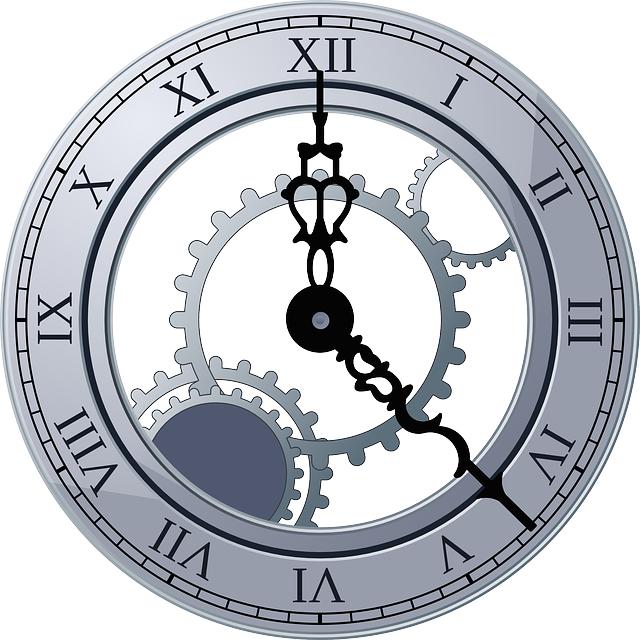
- Gear Train: This intricate system of gears is responsible for transferring energy from the mainspring to the escapement.
- Escapement: This crucial component regulates the release of energy from the mainspring to control the timekeeping of the watch.
- Balance Wheel: The balance wheel oscillates back and forth, controlling the rate at which the escapement releases energy.
By understanding how each of these components works together, you can gain a deeper appreciation for the craftsmanship and precision that goes into creating a mechanical watch movement.

Different Types of Mechanical Watch Movements
In the world of horology, mechanical watch movements are often considered the pinnacle of craftsmanship and precision. These intricate mechanisms power the watches we wear on our wrists, and there are several types of mechanical movements that watch enthusiasts should be familiar with.
1. **Manual Mechanical Movements:** Also known as hand-wound movements, these movements require the wearer to manually wind the watch by turning the crown. This traditional method harkens back to the early days of watchmaking and allows for a more intimate connection with the timepiece.
2. **Automatic Mechanical Movements:** Automatic movements, also known as self-winding movements, harness the natural motion of the wearer’s wrist to wind the watch. This eliminates the need for manual winding and is a convenient option for those who wear their watches regularly.
3. **Mechanical Tourbillon Movements:** Considered the epitome of watchmaking artistry, the tourbillon movement is a complex mechanism that aims to counteract the effects of gravity on the watch’s accuracy. With a rotating cage that houses the escapement and balance wheel, the tourbillon is a mesmerizing addition to any timepiece.
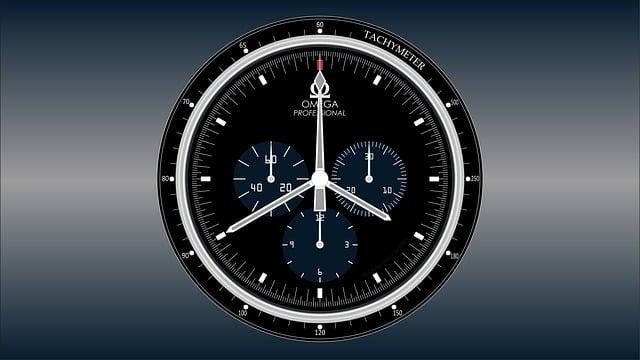
4. **Mechanical Chronograph Movements:** Chronograph movements add additional functionality to a watch by allowing the wearer to measure elapsed time using sub-dials and pushers on the watch case. These movements require intricate design and precision engineering to ensure accurate timing capabilities.
In conclusion, the world of mechanical watch movements is vast and varied, with each type offering its own unique characteristics and advantages. Whether you prefer the traditional charm of a manual movement or the technical sophistication of a tourbillon, there is a mechanical movement out there to suit every watch lover’s taste.
The Functioning of Rotors and Gears in Mechanical Watches
When it comes to understanding the intricate workings of mechanical watches, one must delve into the fascinating world of rotors and gears. These two components play a crucial role in the movement of a mechanical watch, allowing it to keep accurate time and function seamlessly.
Rotors: Rotors are essential parts of an automatic mechanical watch. They are discs that rotate with the movement of the wearer’s wrist, winding the watch’s mainspring and providing it with power. This continuous winding action allows the watch to operate without the need for manual winding, making automatic watches a convenient choice for many watch enthusiasts.
Gears: Gears are the cogs and wheels within a mechanical watch that work together to transfer power from the mainspring to the various other components of the watch, such as the hands and the escapement. The precise arrangement and movement of these gears are what allow the watch to accurately measure time and display it on the watch face.
Understanding how rotors and gears function in mechanical watches provides a deeper appreciation for the craftsmanship and complexity involved in creating these timeless timepieces. Next time you glance at your mechanical watch, take a moment to marvel at the intricate dance of rotors and gears working together to keep you on schedule.

The Importance of Jewels in Watch Movements
Jewels play a crucial role in the functioning of mechanical watch movements. These small synthetic rubies are strategically placed within the movement to reduce friction and wear, allowing the various components to move smoothly and efficiently. This helps to prolong the lifespan of the watch and maintain its accuracy over time.
By reducing friction, jewels help to prevent excessive wear on the moving parts of the watch, ensuring that it continues to function properly for years to come. They also help to distribute lubricant evenly throughout the movement, further reducing friction and ensuring consistent performance.
It’s important to note that not all jewels are created equal. Higher quality watches may feature more jewels in their movements, further enhancing their durability and precision. In addition to rubies, some watches may also use sapphires or other synthetic stones to achieve the same friction-reducing benefits.
Overall, jewels are a small but essential component of mechanical watch movements. Without them, the delicate inner workings of the watch would quickly wear out, leading to decreased accuracy and potentially costly repairs. So next time you admire a mechanical timepiece, remember the important role that jewels play in keeping it ticking.

Common Maintenance and Care Tips for Mechanical Watch Movements
In order to keep your mechanical watch movement running smoothly for years to come, it is important to follow some common maintenance and care tips. By taking proper care of your timepiece, you can ensure its longevity and accuracy. Here are some key tips to help you maintain your mechanical watch movement:
– **Regular Cleaning**: Dust, dirt, and moisture can affect the performance of your watch movement. It is important to clean your watch regularly with a soft, dry cloth to remove any debris that may have accumulated on the case or bracelet.
– **Avoid Magnets**: Exposure to strong magnetic fields can disrupt the movement of your watch, affecting its accuracy. It is best to keep your watch away from magnets, including cell phones, speakers, and magnetic clasps.
– **Service Intervals**: Mechanical watch movements require regular servicing by a professional watchmaker to ensure proper function. Most manufacturers recommend servicing every 3-5 years, but this can vary depending on the brand and model of your watch.
– **Storage**: When not in use, it is important to store your watch in a cool, dry place away from direct sunlight. Storing your watch in a watch box or case can help protect it from dust and scratches, prolonging its life.
By following these maintenance and care tips, you can enjoy your mechanical watch movement for years to come. Remember to always consult your watch manufacturer’s guidelines for specific maintenance recommendations tailored to your timepiece.
Advantages and Disadvantages of Mechanical Movements
When it comes to mechanical watch movements, there are both advantages and disadvantages to consider. Understanding these can help you make an informed decision when choosing your next timepiece.
Advantages:
- Craftsmanship: Mechanical movements are often seen as a work of art, with intricate components meticulously assembled by skilled watchmakers.
- Longevity: With proper maintenance, mechanical watches can last for generations, becoming family heirlooms.
- Smooth Movement: Mechanical movements provide a smooth sweeping second hand motion, unlike the ticking motion of quartz watches.
Disadvantages:
- Accuracy: Mechanical movements are not as precise as quartz movements, often losing or gaining a few seconds a day.
- Maintenance: Mechanical watches require regular servicing to keep them running smoothly, which can be costly.
- Price: Due to the intricate craftsmanship and materials used, mechanical watches tend to be more expensive than quartz watches.
Choosing the Right Mechanical Watch Movement for You
When it comes to , there are several factors to consider that can greatly impact your overall experience with the timepiece. Here are some key points to keep in mind:
- Mechanical vs. Quartz: Mechanical movements are powered by a mainspring, while quartz movements are powered by a battery. Mechanical movements are known for their craftsmanship and intricate design, while quartz movements are known for their accuracy and affordability.
- Movement Type: There are different types of mechanical movements, including manual, automatic, and chronograph. Manual movements require winding by hand, automatic movements wind themselves through the motion of the wearer’s wrist, and chronograph movements include additional stopwatch functions.
- Complications: Some mechanical movements include additional complications, such as moon phase displays, chronometers, and tourbillons. These complications can add to the functionality and value of the watch, but they also come with a higher price tag.
| Movement Type | Pros | Cons |
|---|---|---|
| Manual | Traditional craftsmanship | Requires regular winding |
| Automatic | Self-winding | May require servicing |
| Chronograph | Additional stopwatch functions | Can be complex to use |
Ultimately, the right mechanical watch movement for you will depend on your personal preferences, budget, and intended use. Whether you appreciate the artistry of traditional craftsmanship or the precision of modern technology, there is a mechanical watch movement out there that is perfect for you.
Insights and Conclusions
In conclusion, understanding the intricacies of mechanical watch movements can enhance your appreciation for the artistry and craftsmanship that goes into creating these timepieces. By delving deeper into the workings of these mechanisms, you can gain a greater insight into the world of horology and what sets mechanical watches apart from other timekeeping devices. Remember, the heart of a mechanical watch lies in its movement, and the more you learn about it, the more you can truly appreciate the beauty and complexity of these timeless creations. So next time you glance at your mechanical watch, take a moment to marvel at the precision and dedication that went into making it tick.
Get our latest guides, news, and insights highlighted in your Google Search & AI Overviews.