How Long to Fully Wind Automatic Watch? Learn More!
Have you ever wondered just how long it takes to fully wind an automatic watch? In this article, we’ll explore the intricacies of winding these sophisticated timepieces and provide you with all the information you need to keep your watch ticking smoothly. So sit back, relax, and let’s dive into the fascinating world of automatic watch winding.
Contents
- – Understanding the Power Reserve of an Automatic Watch
- – Factors Affecting the Winding Time of an Automatic Watch
- – Importance of Consistent Wearing to Keep Your Watch Fully Wound
- – The Role of Watch Winders in Maintaining the Power Reserve
- – Detailed Steps on How to Wind Your Automatic Watch
- – Common Misconceptions About Automatic Watch Winding
- – Expert Tips on Maximizing the Power Reserve of Your Automatic Watch
- – How to Know When Your Watch is Fully Wound
- – Troubleshooting Guide for Automatic Watches with Low Power Reserve
- Future Outlook
– Understanding the Power Reserve of an Automatic Watch
When it comes to automatic watches, understanding the power reserve is crucial. The power reserve of an automatic watch refers to how long the watch can run without being worn or wound. This is important because it determines how often you need to wear or wind your watch to keep it running smoothly.
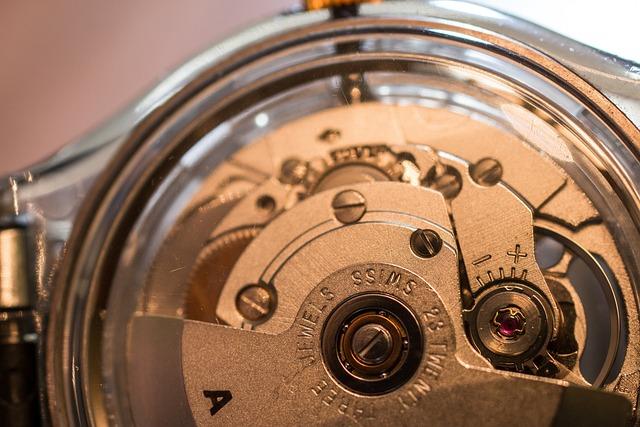
An automatic watch is powered by the movement of your wrist, which winds the mainspring and stores energy in the watch’s power reserve. The power reserve can vary depending on the brand and model of the watch, with some watches having a power reserve of 24 hours and others lasting up to 72 hours.
To fully wind an automatic watch, you typically need to wear it for at least 8-10 hours. This allows the watch to fully wind the mainspring and reach its maximum power reserve. Some watches may require more or less time to fully wind, so it’s important to check the manufacturer’s guidelines for your specific watch.
In summary, understanding the power reserve of your automatic watch is essential for keeping it running smoothly. By wearing or winding your watch regularly, you can ensure that it maintains its power reserve and continues to keep accurate time.

– Factors Affecting the Winding Time of an Automatic Watch
Factors affecting the winding time of an automatic watch can vary depending on various aspects. Below are some key factors that can impact how long it takes to fully wind an automatic watch:
- Power reserve: The power reserve of an automatic watch will determine how long it can run without needing to be wound. Watches with a longer power reserve may take longer to fully wind.
- Complexity of the movement: Watches with more intricate movements may require more turns of the crown to fully wind, leading to a longer winding time.
- Size of the mainspring: The size of the mainspring in an automatic watch will affect how much energy can be stored, which can impact the winding time.
- Winding efficiency: The efficiency of the winding mechanism in the watch can also affect how long it takes to fully wind. Watches with a less efficient winding system may require more turns of the crown.
In summary, the winding time of an automatic watch can be influenced by factors such as power reserve, movement complexity, mainspring size, and winding efficiency. Understanding these factors can help you better gauge how long it may take to fully wind your automatic watch.
– Importance of Consistent Wearing to Keep Your Watch Fully Wound
Consistent wearing is essential to keeping your automatic watch fully wound at all times. When you wear your watch regularly, the movement of your wrist helps to keep the watch wound, ensuring that it continues to run smoothly and accurately. Without regular wearing, the watch may stop running, and you will have to manually wind it to restart it.
Furthermore, wearing your watch regularly also helps to maintain the lubrication of its internal components. When a watch sits idle for an extended period, the lubricants inside may dry up, leading to increased friction and potential damage to the movement. By wearing your watch consistently, you ensure that the internal components stay well-lubricated and in good working condition.
Remember, the power reserve of an automatic watch can vary depending on the model and make of the watch. Typically, most automatic watches have a power reserve of around 40 hours, meaning they can run for about 40 hours without being worn before they stop. So, it’s important to wear your watch regularly to keep it fully wound and running smoothly.
In conclusion, consistent wearing of your automatic watch is crucial for keeping it fully wound and maintaining its overall performance. By wearing your watch regularly, you ensure that it stays well-lubricated, accurate, and in good working condition. So, don’t let your watch sit idle for too long – wear it proudly and keep it ticking!

– The Role of Watch Winders in Maintaining the Power Reserve
Watch winders play a crucial role in maintaining the power reserve of automatic watches. When left unworn, automatic watches will eventually stop ticking as the power reserve depletes. A watch winder keeps the watch wound and running, ensuring it’s always ready to wear.
One key benefit of using a watch winder is that it helps to extend the lifespan of the watch movement. By keeping the watch wound and running consistently, you can prevent unnecessary wear and tear on the delicate inner mechanisms. This can help to reduce the need for costly repairs down the line.
Another advantage of using a watch winder is that it ensures the accuracy of the timekeeping. Automatic watches rely on movement to keep accurate time, so keeping them wound will prevent them from losing or gaining time. This is particularly important for those who rotate between multiple watches and want to ensure each one is always ready to wear at a moment’s notice.
– Detailed Steps on How to Wind Your Automatic Watch
To fully wind your automatic watch, follow these detailed steps:
– Start by unscrewing the crown of the watch and pulling it out to the first position.
– Gently turn the crown clockwise for about 30-40 times to fully wind the mainspring.
– Avoid overwinding the watch, as this can cause damage to the movement.
– Once fully wound, push the crown back in and screw it back down to ensure water resistance.
Remember that the time it takes to fully wind an automatic watch can vary depending on the model and the power reserve of the watch. It’s generally recommended to wind your watch at the same time each day to ensure consistent performance. By following these steps, you can keep your automatic watch running smoothly and accurately for years to come.
– Common Misconceptions About Automatic Watch Winding
One common misconception about automatic watch winding is that you need to continuously wind the watch to keep it running. This is not true. Automatic watches are designed to wind themselves as you wear them throughout the day, thanks to the motion of your wrist. However, if you have a watch that you do not wear daily, you may need to manually wind it occasionally to keep it running smoothly.
Another misconception is that you need to wind your automatic watch for a specific amount of time. In reality, the time it takes to fully wind an automatic watch can vary depending on the model and brand. It is recommended to wind your watch until you feel resistance in the crown, indicating that the mainspring is fully wound.
It is also important to note that overwinding an automatic watch is not possible. Automatic watches are designed with a mechanism that prevents the mainspring from being wound too tightly, so you do not need to worry about damaging your watch by winding it too much.
Overall, understanding the basics of automatic watch winding can help you properly care for and maintain your timepiece for years to come. By debunking these common misconceptions, you can ensure that your automatic watch stays in top condition and continues to keep accurate time.

– Expert Tips on Maximizing the Power Reserve of Your Automatic Watch
When it comes to maximizing the power reserve of your automatic watch, knowing how long to fully wind it is key. By properly winding your watch, you can ensure it continues to keep accurate time and functions smoothly for years to come.
One expert tip to keep in mind is that it typically takes between 30 to 40 turns of the crown to fully wind an automatic watch. It’s important to not over-wind the watch as this can cause damage to the mechanism. Always stop winding once you feel resistance.
Another tip is to make winding your watch a part of your daily routine. By winding your watch at the same time each day, you can help maintain a consistent power reserve and prevent your watch from stopping unexpectedly.
Remember, proper care and maintenance of your automatic watch will extend its lifespan and keep it running smoothly. By following these expert tips, you can enjoy your timepiece for years to come.

– How to Know When Your Watch is Fully Wound
When it comes to automatic watches, knowing when your watch is fully wound can be a bit tricky. However, there are a few key indicators to look out for that can help you determine when your watch is fully wound and ready to use.
One way to tell if your automatic watch is fully wound is by listening for a clicking sound when you try to wind it further. This clicking noise indicates that the mainspring is fully wound and cannot be wound any more. Another way to check is by paying attention to the tension in the crown when you are winding the watch. If you start to feel resistance and the crown becomes harder to turn, this is a sign that the watch is fully wound.
It’s important to note that overwinding an automatic watch can cause damage to the movement, so be sure to stop winding once you feel resistance or hear the clicking sound. Additionally, some automatic watches come with a power reserve indicator that lets you know when the watch is fully wound. This can be a helpful tool for ensuring that you don’t overwind your watch.
In conclusion, knowing when an automatic watch is fully wound can be determined by listening for a clicking sound, feeling for resistance in the crown, or checking for a power reserve indicator. By paying attention to these indicators, you can ensure that your watch is always in top working condition.

– Troubleshooting Guide for Automatic Watches with Low Power Reserve
If you have an automatic watch with a low power reserve, it’s important to know how long it will take to fully wind it. There are a few key factors to consider when determining the time it takes to fully wind your automatic watch. Below are some troubleshooting tips and insights to help you understand the winding process better:
- Check the power reserve indicator: Some automatic watches come with a power reserve indicator that shows how much power is left in the mainspring. Make sure to monitor this indicator to gauge when your watch needs to be wound.
- Wear your watch regularly: The natural movement of your wrist when wearing the watch helps to keep the mainspring wound. If you don’t wear your watch regularly, it may take longer to fully wind it.
- Use a watch winder: If you have multiple automatic watches and don’t wear them all regularly, consider investing in a watch winder to keep them wound and ready to wear at all times.
| Watch Type | Average Time to Fully Wind |
|---|---|
| Dress watch | 8-12 hours |
| Sports watch | 12-24 hours |
By following these troubleshooting tips and understanding the winding process of your automatic watch, you can ensure that your timepiece stays accurate and fully charged for longer periods. Remember to wear your watch regularly and consider using a watch winder if needed to keep your automatic watch running smoothly.
Future Outlook
In conclusion, understanding how long it takes to fully wind an automatic watch is essential for ensuring its optimal performance. Remember to follow the manufacturer’s guidelines for winding frequency and duration to prevent overwinding or damaging the mechanism. With proper care and maintenance, your automatic watch will continue to run accurately and reliably for years to come. Stay informed and enjoy the precision and craftsmanship of your timepiece!
Get our latest guides, news, and insights highlighted in your Google Search & AI Overviews.