Delving Deeper: How Do Fossil Mechanical Watches Work?
Have you ever wondered how those timeless classics, fossil mechanical watches, actually work? In this article, we’ll delve deeper into the intricate mechanisms that power these sophisticated timepieces. Prepare to unlock the secrets behind the mesmerizing movement of fossil mechanical watches.
Contents
- Introduction: Exploring the Intricacies of Fossil Mechanical Watches
- Examining the Role of Gears and Springs in Fossil Mechanical Watches
- Delving into the Significance of Jewels in Fossil Mechanical Watches
- Comparing Fossil Mechanical Watches with Quartz Watches
- Conclusion: Embracing the Artistry and Precision of Fossil Mechanical Watches
- Insights and Conclusions
Introduction: Exploring the Intricacies of Fossil Mechanical Watches
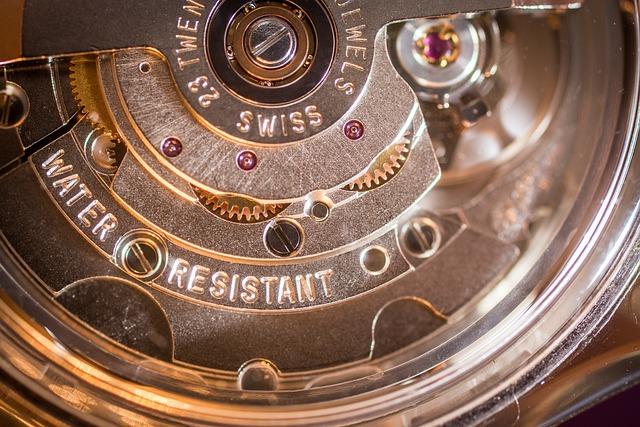
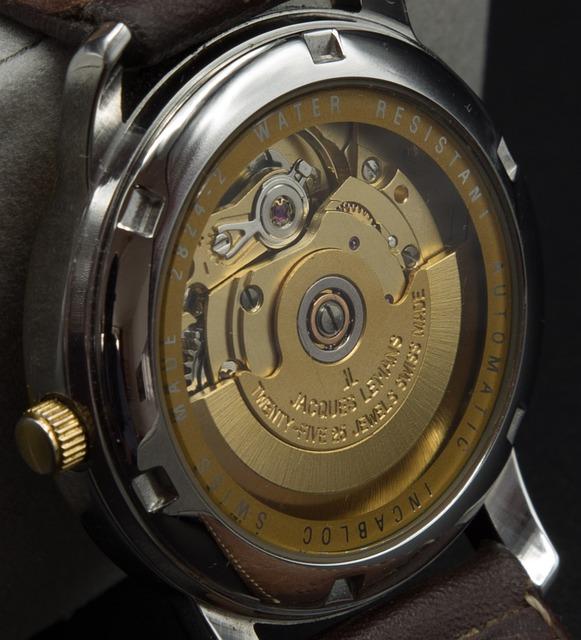
Fossil mechanical watches are a fascinating blend of artistry and engineering, capturing the essence of timekeeping in a beautifully crafted timepiece. These watches are a testament to precision craftsmanship, with intricate gears and components working together seamlessly to keep time ticking accurately. The inner workings of a fossil mechanical watch may seem complex at first glance, but understanding the basics can provide a deeper appreciation for the craftsmanship behind these timeless pieces.
One of the key components of a fossil mechanical watch is the mainspring, a tightly wound coil that stores energy. As the mainspring unwinds, it releases energy to power the movement of the watch. This energy is transferred through a series of gears and mechanisms, ultimately driving the hands of the watch forward in a precise and controlled manner. The escapement mechanism plays a crucial role in regulating the release of energy from the mainspring, ensuring consistent timekeeping.
The balance wheel, another essential component of a fossil mechanical watch, oscillates back and forth at a steady rate, acting as a timekeeping regulator. This precise motion is what creates the familiar ticking sound of a mechanical watch. The escapement mechanism, in conjunction with the balance wheel, controls the release of energy from the mainspring, ensuring that the watch keeps accurate time. These intricate mechanisms come together to create a masterpiece of horology that is as much a work of art as it is a functional timekeeping device.
In the next section, we will delve deeper into the intricacies of fossil mechanical watches, exploring how these timepieces work in greater detail. From the winding of the mainspring to the intricate ballet of gears and components, understanding the inner workings of a fossil mechanical watch can truly enhance your appreciation for the craftsmanship and skill that goes into creating these timeless pieces.
Examining the Role of Gears and Springs in Fossil Mechanical Watches
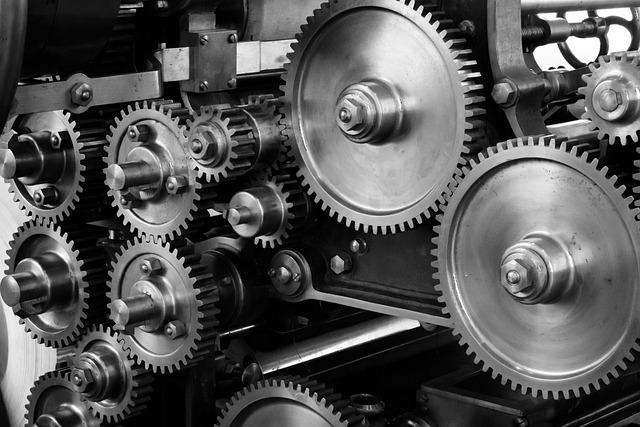
When it comes to understanding the intricate workings of a Fossil mechanical watch, two key components play a crucial role: gears and springs. Gears are responsible for transmitting power from the mainspring to the various other parts of the watch, such as the hands that move to indicate the time. Springs, on the other hand, store and release energy to power the movement of the gears. Together, these components work in harmony to ensure that the watch functions accurately and reliably.
One of the primary functions of gears in a Fossil mechanical watch is to control the rate at which the hands move. By using gears of different sizes and shapes, watchmakers can manipulate the speed of the hands to accurately reflect the passage of time. This precision is essential for ensuring that the watch performs its primary function of timekeeping effectively.
Similarly, springs in a Fossil mechanical watch are essential for providing the necessary energy to power the movement of the gears. The mainspring, in particular, acts as the primary energy source for the watch, storing energy when wound up and releasing it slowly and consistently to drive the gears. Without the spring’s ability to store and release energy, the watch would not be able to function.
| Gears | Springs |
|---|---|
| Transmit power | Store and release energy |
| Control hand movement | Power gear movement |

Delving into the Significance of Jewels in Fossil Mechanical Watches
In the intricate world of mechanical watches, jewels play a crucial role in ensuring the smooth and precise operation of the timepiece. Fossil mechanical watches, known for their reliability and craftsmanship, are no exception. Here’s a closer look at the significance of jewels in these timeless timepieces:
– **Reducing Friction:** Jewels, typically made of synthetic sapphire or ruby, are strategically placed at key friction points within the watch movement. This helps minimize wear and tear on delicate components, ensuring longevity and accuracy.
– **Enhancing Durability:** By acting as bearings for the gears and other moving parts, jewels help distribute the stress and pressure evenly. This not only reduces the risk of damage but also improves the overall durability of the watch.
– **Improving Accuracy:** The smooth surface of jewels helps reduce the energy lost due to friction, allowing for more precise timekeeping. This is especially important in mechanical watches, where every second counts.
– **Craftsmanship and Tradition:** The use of jewels in watchmaking is a tradition that dates back centuries. It not only showcases the artistry and attention to detail of the watchmaker but also reflects a commitment to quality and excellence.
In essence, jewels in Fossil mechanical watches are not just decorative elements but essential components that contribute to the performance, reliability, and elegance of these classic timepieces.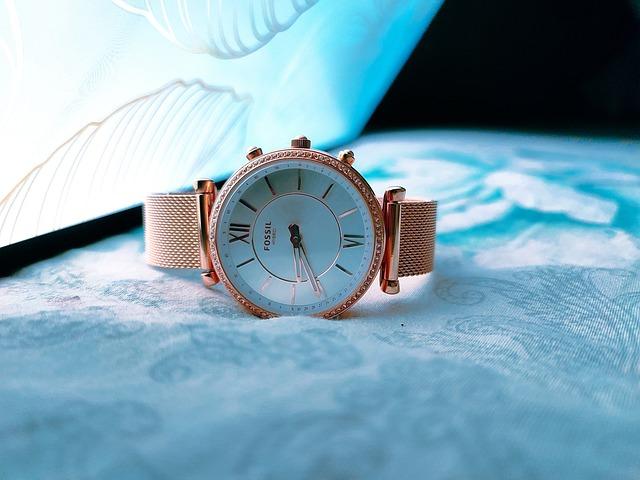
Comparing Fossil Mechanical Watches with Quartz Watches
When it comes to , there are some key differences to consider. Mechanical watches, such as those made by Fossil, are powered by a complex system of gears and springs that require regular winding to keep accurate time. On the other hand, quartz watches use a battery-powered quartz crystal to regulate the movement of the watch hands.
One of the main advantages of mechanical watches is their craftsmanship and attention to detail. Fossil mechanical watches often feature intricate designs and unique complications that appeal to watch enthusiasts. In contrast, quartz watches are known for their accuracy and reliability, making them a popular choice for everyday wear.
Ultimately, the choice between a Fossil mechanical watch and a quartz watch comes down to personal preference. If you appreciate the artistry and heritage of mechanical watches, a Fossil mechanical watch may be the right choice for you. On the other hand, if precision and convenience are more important to you, a quartz watch may be a better fit.

Conclusion: Embracing the Artistry and Precision of Fossil Mechanical Watches
Ultimately, embracing the artistry and precision of fossil mechanical watches is to appreciate the meticulous craftsmanship and attention to detail that goes into creating these timeless timepieces. From the intricate inner workings of the movement to the exquisite design of the dial and case, each component is carefully crafted to ensure both form and function are of the highest quality.
By understanding how fossil mechanical watches work, we gain a deeper appreciation for the complexity and ingenuity behind these mechanical marvels. The intricate system of gears, springs, and escapements work together seamlessly to accurately keep time with precision and reliability.
When you wear a fossil mechanical watch, you are not only making a fashion statement but also carrying a piece of history and tradition on your wrist. These watches have stood the test of time, proving their durability and longevity, making them a worthwhile investment for any watch enthusiast.
So, the next time you glance down at your wrist and see a fossil mechanical watch ticking away, take a moment to admire the artistry and precision that went into creating such a timeless piece of craftsmanship.
Insights and Conclusions
In conclusion, fossil mechanical watches operate through a series of intricate components that work together to keep precise time. The main components include the mainspring, gears, escapement mechanism, and balance wheel. Understanding how these components interact with each other is key to appreciating the craftsmanship and engineering behind mechanical watches. Next time you glance at your watch, take a moment to delve deeper into the fascinating world of fossil mechanical watches and the intricate mechanisms that power them.
Get our latest guides, news, and insights highlighted in your Google Search & AI Overviews.