Demystifying Mechanics: How Does a Mechanical Watch Work?
Have you ever wondered what makes those intricate mechanical watches tick with precision and elegance? Brace yourself for a fascinating journey as we demystify the mechanics behind these timeless timepieces. In this article, we will unravel the inner workings of a mechanical watch, revealing the remarkable craftsmanship that goes into each intricate detail. So, whether you’re a watch enthusiast or simply curious about the magic beneath the dial, get ready to discover the captivating world of horology, where cogs and gears come together to keep time ticking away flawlessly.
Contents
- Introduction: Understanding the Intricacies of Mechanical Watches
- The Inner Workings of a Mechanical Watch: Components and Functions Unveiled
- The Role of the Main Spring: Powering the Timekeeping Mechanism
- Gears and Escapements: Decoding the Mechanism for Precise Timekeeping
- Unveiling the Mystery of Complications: Additional Functions in Mechanical Watches
- Understanding the Role of Jewels: Their Significance in Ensuring Smooth Movement
- Unraveling the Complexity of Watch Hands: Conveying Time with Precision
- The Importance of Proper Maintenance: Tips to Keep Your Mechanical Watch Running Smoothly
- Choosing Your Mechanical Watch: Factors to Consider for the Perfect Timepiece
- Factors to Consider for the Perfect Timepiece
- Exploring the World of High-End Mechanical Watches: Recommendations for Enthusiasts
- Insights and Conclusions
Introduction: Understanding the Intricacies of Mechanical Watches
Understanding the Intricacies of Mechanical Watches
Mechanical watches have long captivated the hearts and minds of watch enthusiasts around the world. These intricate timepieces are masterpieces of engineering, blending art and science in perfect harmony. But have you ever wondered how a mechanical watch works? In this post, we will demystify the mechanics behind these fascinating timekeeping devices and take a closer look at the mesmerizing mechanisms that power them.
At the heart of every mechanical watch beats a movement, a complex system of gears, springs, and levers that work together to measure the passage of time. Unlike their quartz counterparts, which rely on batteries and electronic circuits, mechanical watches derive their power from a mainspring, a tightly wound coil of metal. As the mainspring unwinds, it releases energy, which is then transferred through a series of gears to power the delicate hands that sweep across the dial.
One of the key components in a mechanical watch is the escapement, a mechanism that regulates the release of energy from the mainspring. The escapement consists of an escapement wheel and a pallet fork, which work in tandem to control the rotation of the watch’s balance wheel. As the balance wheel oscillates back and forth, it imparts a steady rhythm to the movement, beating at a precise rate of several thousand vibrations per hour. This rhythmic motion is what allows a mechanical watch to measure time with remarkable accuracy.
To ensure the accuracy of a mechanical watch, watchmakers employ various techniques and complications. Complications are additional functions beyond basic timekeeping, such as a chronograph or a calendar, that are integrated into the watch movement. These complications add complexity to the mechanism, requiring meticulous craftsmanship and a keen understanding of horology. The result is a timepiece that not only tells the time but also offers a myriad of practical and aesthetic features.
In conclusion, mechanical watches are more than just wearable timekeepers; they are ingenious works of art that showcase the craftsmanship and ingenuity of watchmakers. By unraveling the inner workings of these remarkable devices, we gain a deeper appreciation for the intricate mechanics and dedication that go into creating them. So, the next time you glance at your mechanical watch on your wrist, take a moment to marvel at the world of precision engineering that lies within.

The Inner Workings of a Mechanical Watch: Components and Functions Unveiled
A mechanical watch is an exquisite example of precision engineering, a beautifully intricate timepiece that relies on a series of interconnected components to accurately measure the passage of time. To truly appreciate the masterful craftsmanship behind these stunning devices, it’s essential to delve into the inner workings that make them tick.
At the heart of a mechanical watch lies the mainspring, a coiled strip of metal that stores the energy needed to power the watch. As the mainspring unwinds, it releases this stored energy, propelling the movement of the watch’s hands. This mechanical energy is then harnessed by a complex system of gears, levers, and springs, each playing a vital role in the seamless synchronization of the watch’s various functions.
One of the key components in a mechanical watch is the escapement mechanism. This ingenious invention allows the controlled release of energy from the mainspring, ensuring that the watch’s hands move forward in small, precise increments. It consists of a balance wheel and a lever or pallet fork that regulates the speed and movement of the watch. The balance wheel keeps time by oscillating back and forth, while the pallet fork locks and unlocks the escape wheel to release energy at the right intervals.
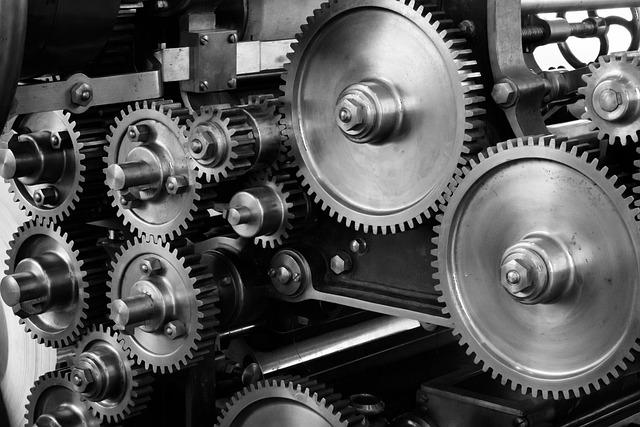
Another crucial component in a mechanical watch is the gear train. This intricate network of gears ensures that the energy transmitted from the mainspring is distributed accurately throughout the watch, driving the movement of the hour, minute, and second hands. Each gear has a specific number of teeth, carefully calibrated to maintain the precise ratio necessary for accurate timekeeping.
In addition to these fundamental components, mechanical watches can feature an array of captivating complications, such as chronographs, moon phases, or perpetual calendars. These intricate additions are achieved through the inclusion of additional gears, levers, and springs, each designed to perform a specific function with meticulous precision.
In conclusion, the inner workings of a mechanical watch are a remarkable testament to the skill and artistry of watchmakers. From the mainspring to the escapement mechanism to the gear train, each component and function complements the others, culminating in a beautifully orchestrated symphony of movement and timekeeping. Elegantly combining tradition and innovation, the mechanical watch continues to captivate and leave an indelible mark on the world of horology.
The Role of the Main Spring: Powering the Timekeeping Mechanism
The main spring is a crucial component within the inner workings of a mechanical watch, as it serves the important role of powering the timekeeping mechanism. This coiled strip of metal, typically made of steel, is wound tightly when the watch is manually wound or automatically wound through the oscillation of a rotor. As the main spring unwinds, it releases stored energy that propels the gears and hands of the watch, keeping accurate time.
The main spring functions as the prime mover in a mechanical watch, transferring energy to various parts of the watch’s movement. This coiled spring acts as a miniature power source, essentially storing and releasing energy in a controlled manner. The force that is generated by the main spring is transmitted to the escapement, which regulates the release of energy and ensures consistent, even timekeeping.
To maintain accuracy, it is important that the tension of the main spring remains constant throughout its unwinding process. This is achieved through the use of a barrel, a cylindrical container that houses the main spring. The barrel serves to house and control the tension of the main spring, preventing it from unwinding too quickly and causing inaccuracies in timekeeping.
In summary, the main spring is a vital component in a mechanical watch, providing the necessary power to drive the timekeeping mechanism. Its careful design and engineering allow for precise and consistent timekeeping, making it an indispensable part of mechanical watch movements.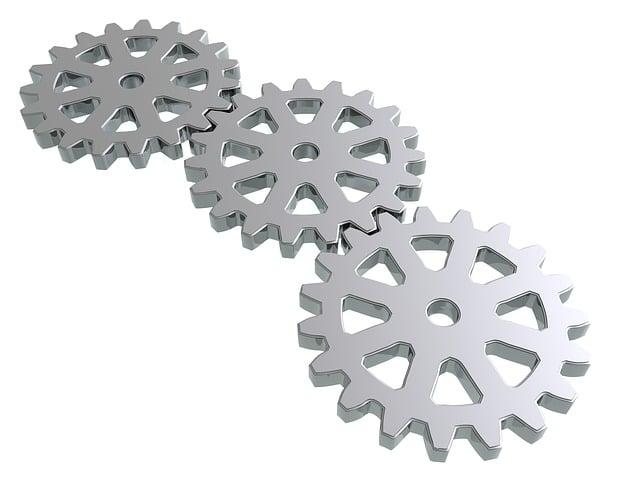
Gears and Escapements: Decoding the Mechanism for Precise Timekeeping
Ever wondered how mechanical watches work? It’s time to demystify the intricate mechanics behind these timekeeping marvels. In this post, we will delve into the fascinating world of gears and escapements, decoding the precise mechanism that drives a mechanical watch.
Gears play a crucial role in a mechanical watch, transferring power from the mainspring to various parts of the timekeeping mechanism. These gears work in perfect harmony to ensure accurate timekeeping. Each gear has a specific purpose, such as controlling the rotation of the hour, minute, and second hands.
The escapement is another essential component that regulates the flow of energy in a mechanical watch. It controls the release of power from the mainspring to the gear train, allowing the gears to rotate at a consistent rate. The escapement also ensures that the watch’s gears advance in small, precise increments, leading to accurate timekeeping.
To understand the escapement better, let’s take a closer look at the most common type called the lever escapement. This clever mechanism consists of an escape wheel, a pallet fork, and a balance wheel. The escape wheel has regularly spaced teeth that interact with the pallet fork, which in turn is connected to the balance wheel. As the balance wheel oscillates back and forth, the pallet fork engages with the escape wheel, allowing the gears to advance by one tooth with each oscillation. This controlled progression of the gears ultimately translates into the ticking motion of the watch’s hands.
So, the next time you strap on a mechanical watch, remember the intricate dance of gears and the precision of the escapement that work tirelessly beneath the dial to keep you on time. Appreciate the craftsmanship and marvel at the mechanical genius that has allowed us to decode the mechanism for precise timekeeping.

Unveiling the Mystery of Complications: Additional Functions in Mechanical Watches
Mechanical watches are more than just timekeeping instruments; they are intricate pieces of engineering that showcase the artistry and craftsmanship of watchmaking. While the primary function of a mechanical watch is to accurately measure time, there are also additional functions that contribute to their complexity and appeal.
One such additional function is the date display feature. Many mechanical watches are equipped with a date complication, which allows the wearer to easily reference the current date. This can be displayed in various ways, ranging from a simple window with a numerical date to more intricate designs with retrograde hands or rotating discs.
Another intriguing complication found in mechanical watches is the chronograph function. This feature enables the watch to function as a stopwatch, allowing the measurement of elapsed time with precision. Chronograph watches typically have additional pushers on the side of the case, which start, stop, and reset the stopwatch function.
Some mechanical watches even incorporate multiple additional functions, such as a moon phase display or a power reserve indicator. The moon phase complication tracks the current phase of the moon and is often showcased in a small sub-dial on the watch face. On the other hand, a power reserve indicator provides information on the amount of stored energy in the watch’s mainspring, helping the wearer to know when it needs winding.
It is important to note that these additional functions in mechanical watches increase their complexity and, in turn, their value. Each complication requires meticulous design, engineering, and assembly, resulting in a timepiece that is both functional and aesthetically captivating. Whether you are a watch enthusiast or simply appreciate the beauty of mechanical watches, understanding these additional functions unravels the mystery behind their intricate workings.
Understanding the Role of Jewels: Their Significance in Ensuring Smooth Movement
Jewels play a crucial role in ensuring the smooth and accurate movement of mechanical watches. These tiny gemstones, often made from synthetic rubies or sapphires, serve as bearings for the delicate moving parts found inside the watch. While they may seem like mere decorative elements, jewels actually provide a vital function in the mechanics of timekeeping.
The significance of jewels lies in their exceptional hardness, low coefficient of friction, and resistance to wear. When a watch is in motion, the rotating gears, pinions, and other components generate friction and heat. If left unchecked, this friction can cause premature wear and tear, leading to accuracy issues and a decrease in the watch’s lifespan.
However, by incorporating jewels into the watch’s movement, these potential problems are greatly addressed. The jewels act as durable and smooth surfaces for the rotating parts to rest upon. This significantly reduces friction, allowing for a more efficient and reliable movement. Moreover, as jewels are inherently resistant to wear, they ensure that the watch remains accurate and functional for an extended period of time.
To further enhance the performance of a mechanical watch, specific types and quantities of jewels are strategically placed at key friction points within the movement. Typically, a mechanical watch may contain anywhere from 17 to 27 jewels, depending on its complexity. Each jewel serves as a miniature partner to the intricate mechanical components, providing stability, reducing friction, and ultimately contributing to the watch’s overall precision.
In summary, jewels in mechanical watches may be small, but their role in maintaining the smooth movement and accuracy of timepieces cannot be understated. These robust gemstones act as reliable bearings, reducing friction and wear on the moving parts. So, the next time you admire the exquisite craftsmanship of a mechanical watch, remember that jewels are not just for adornment but also essential components that ensure its flawless operation.
Unraveling the Complexity of Watch Hands: Conveying Time with Precision
Watch hands might seem like a simple and straightforward component of a mechanical watch, but the truth is that they play a crucial role in conveying time with precision. These tiny yet intricate metal components are responsible for indicating hours, minutes, and sometimes even seconds. So, how do they work?
Mechanical watches rely on a series of gears and springs to function, and the movement of the hands is no exception. When you wind the watch or wear it on your wrist, the mainspring stores potential energy. This stored energy is gradually released, powering the movement of the gears and ultimately driving the rotation of the watch hands.
But it’s not just a matter of connecting the hands directly to the gears. Watchmakers employ various mechanisms to ensure accurate timekeeping. For instance, a seconds hand usually moves in a continuous sweeping motion, thanks to the use of an additional gear train called an “escape wheel.” This escape wheel allows the seconds hand to move several times per second, creating the illusion of a smooth motion.
In addition to that, watch hands are crafted with utmost precision to minimize errors. The length, weight, and shape of each hand are carefully calculated to ensure proper balance and prevent any drag that might impair accuracy. You’ll often find luminous material applied to the hands as well, enabling visibility in low-light conditions.
So, the next time you glance at your mechanical watch, spare a thought for the intricate mechanics at play behind those elegant watch hands. They may be small, but their precision and craftsmanship are essential in accurately conveying the passage of time.
The Importance of Proper Maintenance: Tips to Keep Your Mechanical Watch Running Smoothly
Proper maintenance is crucial for keeping your mechanical watch in optimal condition. With its intricate gears and components, a mechanical watch requires regular care to ensure it keeps running smoothly and accurately. Neglecting the maintenance of your timepiece can lead to performance issues and ultimately result in costly repairs.
To help demystify the mechanics behind your beloved watch, here are some essential tips to keep your mechanical timepiece in top shape:
Regular Cleaning: Over time, dirt, dust, and oils can accumulate on the surface and inside the movement of your watch, affecting its performance. Clean your watch regularly with a soft, lint-free cloth to remove any dirt or debris.
Winding & Power Reserve: Mechanical watches rely on manual winding or automatic movement to power their mechanisms. It is important to wind your watch fully and regularly, especially if you have a manual-winding timepiece. This ensures that the mainspring maintains its tension, allowing the watch to run accurately. If you have an automatic watch, wear it regularly or use a watch winder to keep it powered.
Protect from Magnetism: Magnetic fields can disrupt the delicate balance of a mechanical watch, causing it to run fast or even stop entirely. Avoid exposing your watch to strong magnetic fields, such as speakers, refrigerator magnets, or certain electronic devices. If you suspect your watch has been exposed to magnetism, have it demagnetized by a professional watchmaker.
- Service & Oil: Mechanical watches require regular servicing to ensure the movement functions smoothly. Consider getting your watch serviced every three to five years, depending on the manufacturer’s recommendation. During the service, the watchmaker will disassemble the movement, clean each component, replace worn-out parts, and lubricate the gears with high-quality oils. This helps minimize friction and ensures precise timekeeping.
By following these maintenance tips, you can prolong the lifespan of your mechanical watch while enjoying its accurate timekeeping and exquisite craftsmanship for years to come. Remember, proper care and regular servicing are essential to keep your timepiece running smoothly and looking its best.
Choosing Your Mechanical Watch: Factors to Consider for the Perfect Timepiece
Factors to Consider for the Perfect Timepiece
When it comes to choosing a mechanical watch, there are several factors that should be considered to ensure you find the perfect timepiece that suits your style and needs. From the movement to the design, each element plays a crucial role in determining the watch’s overall appeal and functionality. To help you in your quest, we have compiled a list of factors to consider before making your purchase:
Movement Type:
One of the first factors to consider is the movement type of the watch. Mechanical watches are powered by a complex series of gears and springs, and there are two main types of mechanical movements to choose from:
- Manual: These watches require manual winding by turning the crown to keep them running. They offer a traditional and interactive experience, as you can feel the watch come to life with each winding.
- Automatic (self-winding): These watches feature a rotor that winds the mainspring as you move your wrist, eliminating the need for manual winding. They offer convenience and are an excellent option for daily wear.
Design and Aesthetics:
The design of a mechanical watch is a personal choice that reflects your style and personality. Consider the following design elements:
- Case Material: Choose from stainless steel, titanium, gold, or even exotic materials like ceramic or carbon fiber.
- Dial: Decide between a classic analog dial or a modern chronograph with additional functions.
- Strap: Think about whether you prefer a leather, metal, or fabric strap to complement your overall look.
Brand and Reputation:
The brand and its reputation are essential factors to consider when purchasing a mechanical watch. Opt for brands that have a proven track record of quality craftsmanship, reliability, and excellent customer service. Research the brand’s history, read customer reviews, and seek recommendations from watch enthusiasts to ensure you are investing in a reputable brand.
Price and Value:
Finally, consider your budget and the value the watch offers. Mechanical watches range in price depending on factors such as brand, materials, complications, and craftsmanship. Determine how much you are willing to spend and find a watch that offers a balance between quality and price.
With these factors in mind, you can confidently embark on your journey to find the perfect mechanical watch that will not only keep you on time but also become a timeless piece you can cherish for years to come.

Exploring the World of High-End Mechanical Watches: Recommendations for Enthusiasts
High-end mechanical watches are a celebration of meticulous craftsmanship and precision engineering. If you are an enthusiast looking to delve into the captivating world of these timepieces, we have some recommendations to help you start your journey.
Swiss Made Excellence: When it comes to high-end mechanical watches, Switzerland remains unrivaled. Renowned for their expertise, Swiss watchmakers have perfected the art of creating timepieces that blend impeccable aesthetics with flawless functionality. Brands like Rolex, Patek Philippe, and Audemars Piguet have consistently delivered exceptional quality and innovation over the years.
Complexity in Complications: Mechanical watches often feature intriguing complications that enhance their functionality. From simple date displays to intricate chronographs and moon phase indicators, complications add a layer of sophistication to the timepiece. Consider exploring models with complications that align with your interests and requirements. Whether it’s a diving watch with a robust water resistance or a perpetual calendar watch that keeps you in tune with the lunar cycles, there is a vast range to choose from.
Movement Matters: Movement is the heartbeat of a mechanical watch. There are two primary types: manual and automatic. Manual-wind watches require regular winding by the wearer, while automatic watches harness the motion of the wearer’s wrist and store energy in a mainspring. Both offer their own charm and allure. Some popular movement manufacturers include ETA, Valjoux, and Zenith.
- Material World: The choice of materials greatly influences the aesthetics and durability of a high-end mechanical watch. Consider timepieces crafted from precious metals like gold, stainless steel, or platinum for a luxurious appeal. Additionally, innovative materials such as ceramic, titanium, and carbon provide lightweight and scratch-resistant options. Don’t overlook details like the quality of the leather strap or the finishing of the case, as these can greatly impact the overall look and feel.
In the realm of high-end mechanical watches, the possibilities are endless. Embrace the craftsmanship, complications, movements, and materials that resonate with your personal style and taste. Remember, a mechanical watch is not just a timekeeping instrument but a work of art that can be treasured for generations.
Insights and Conclusions
In conclusion, we have demystified the inner workings of a mechanical watch. We have delved into the intricate mechanisms that power this timeless piece of craftsmanship. Key takeaways from this article include:
Mechanical watches operate using a complex network of gears, springs, and balance wheels, all carefully crafted to keep time accurately.
The mainspring is the heart of a mechanical watch, containing potential energy that slowly unwinds and drives the movement.
The escapement system regulates the release of energy, allowing the gears to move in precise increments and controlling the watch’s timekeeping.
Jewels are strategically placed in the watch movement to reduce friction and increase longevity.
- Mechanical watches require periodic winding, either manually or through automatic movements that harness the wearer’s natural motion.
Understanding how a mechanical watch works not only deepens our appreciation for its artistry but also allows us to appreciate the relentless innovation behind this timeless invention. So, the next time you wear a mechanical watch, take a moment to marvel at the intricate mechanisms silently ticking away beneath its elegant facade.
Get our latest guides, news, and insights highlighted in your Google Search & AI Overviews.