Are Mechanical Watches the Apex of Timepiece Evolution? Discover Progression
Have you ever wondered if mechanical watches truly represent the pinnacle of timepiece evolution? In this article, we will explore the history of watchmaking and the progression of timekeeping technology to answer this age-old question. Join us as we delve into the fascinating world of horology and discover how mechanical watches have stood the test of time in the evolution of timepieces.
Contents
- The Origin of Mechanical Watches: A Brief History
- Advancements in Precision Technology and Craftsmanship
- Comparing Mechanical Watches to Quartz and Smartwatches
- Understanding the Appeal of Mechanical Watches
- The Art of Horology: The Intricate Mechanics Behind Mechanical Watches
- Durability and Longevity: Why Mechanical Watches Stand the Test of Time
- Appreciating the Timeless Elegance of Mechanical Watches
- Choosing the Right Mechanical Watch for You
- Maintenance and Care Tips for Mechanical Watches
- Concluding Remarks
The Origin of Mechanical Watches: A Brief History
Throughout history, watches have evolved from simple timekeeping devices to intricate works of art. The origin of mechanical watches dates back to the 15th century in Europe, where skilled craftsmen began creating timepieces powered by gears and springs. These early mechanical watches marked the beginning of a new era in timekeeping technology, setting the stage for centuries of innovation and refinement.
Related: Are Mechanical Watches the Jewel of Timepiece Collection? Discover Elegance
One of the key developments in the evolution of mechanical watches was the invention of the mainspring in the 15th century. This coiled spring provided a constant source of energy, allowing watches to run for longer periods without needing to be wound frequently. As watchmakers continued to experiment and improve upon this technology, mechanical watches became more accurate and reliable.
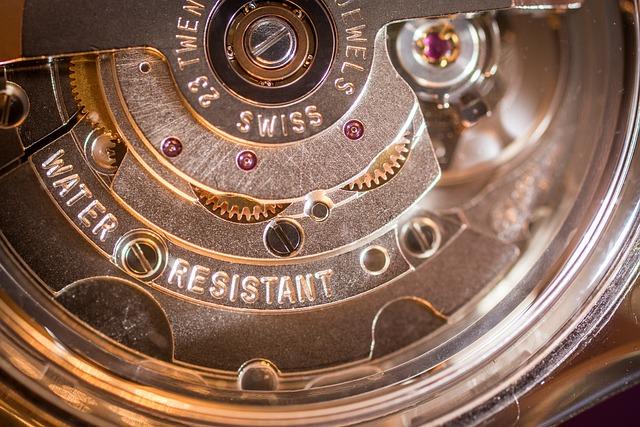
Over the years, advancements such as the balance wheel, escapement mechanism, and jeweled bearings further enhanced the precision and performance of mechanical watches. These intricate components work together seamlessly to regulate the movement of the watch, ensuring accurate timekeeping and reliable operation. Today, mechanical watches are prized for their craftsmanship, complexity, and timeless appeal.

Advancements in Precision Technology and Craftsmanship
In the world of horology, the debate over whether mechanical watches represent the pinnacle of timepiece evolution continues to spark fascination and discussion among enthusiasts. While have revolutionized the watchmaking industry, some argue that the intricate mechanics and timeless artistry of mechanical watches retain a unique allure that cannot be replicated by their electronic counterparts.
One of the key characteristics that distinguish mechanical watches is their reliance on intricate gears, springs, and other mechanical components to accurately measure time. This traditional approach to timekeeping represents centuries of craftsmanship and expertise passed down through generations of skilled watchmakers. The painstaking attention to detail and precision required to assemble a mechanical movement is a testament to the artistry and dedication that goes into creating each timepiece.
Despite the rise of quartz and smartwatches that offer unparalleled accuracy and functionality, many watch aficionados continue to appreciate the mechanical complexity and heritage of traditional watches. The art of assembling and adjusting the intricate components of a mechanical movement requires a level of skill and craftsmanship that cannot be replicated by mass-produced electronic devices. Time and again, mechanical watches have proven themselves to be enduring symbols of luxury, elegance, and timeless sophistication in a rapidly evolving industry.
Comparing Mechanical Watches to Quartz and Smartwatches
When it comes to timepieces, there are three main categories that dominate the market: mechanical watches, quartz watches, and smartwatches. Each type has its own unique features and benefits, but mechanical watches have long been considered the pinnacle of timepiece evolution by watch enthusiasts and collectors alike.
Mechanical Watches:
– Utilize intricate mechanical movements that require skilled craftsmanship to assemble and maintain
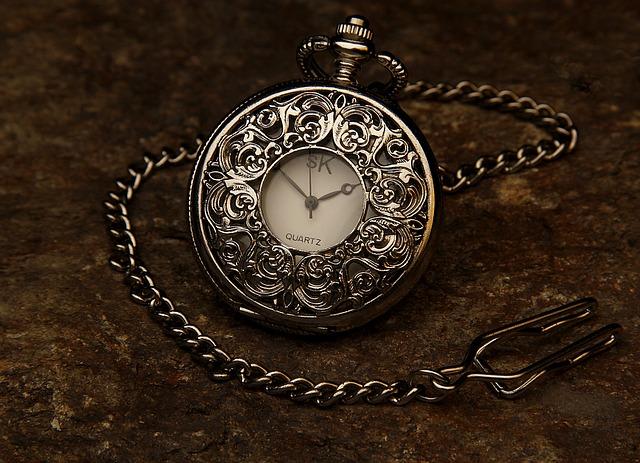
– Often have a higher level of craftsmanship and artistry, with intricate detailing on the watch face and case
– Tend to be more expensive due to the labor-intensive process of creating and maintaining the mechanical movement
– Have a timeless appeal and a sense of nostalgia that many people appreciate
Quartz Watches:
– Operate using a battery-powered quartz crystal to regulate timekeeping, resulting in highly accurate timekeeping
– Are typically more affordable than mechanical watches, making them accessible to a wider audience
– Have a reputation for being reliable and low-maintenance, as they require less frequent servicing than mechanical watches
– Lack the intricate craftsmanship and artistry of mechanical watches, but are known for their precision and practicality
Smartwatches:
– Combine traditional timekeeping with modern technology, offering features like fitness tracking, notifications, and apps
– Are popular among tech-savvy individuals who value functionality and connectivity in their timepiece
– Tend to have a shorter lifespan than mechanical and quartz watches due to rapid advancements in technology
– Appeal to a younger demographic who prioritize functionality and customization in their accessories
In conclusion, while mechanical watches may be considered the apex of timepiece evolution by some, quartz watches and smartwatches each offer their own unique benefits and features that cater to different preferences and lifestyles. Ultimately, the best timepiece for you will depend on your personal style, budget, and priorities when it comes to functionality and craftsmanship.
Understanding the Appeal of Mechanical Watches
When it comes to the world of timepieces, mechanical watches hold a special allure that sets them apart from their electronic counterparts. The intricate craftsmanship and attention to detail that go into creating a mechanical watch appeal to those who appreciate the artistry behind each piece.
One of the key factors that contribute to the appeal of mechanical watches is their longevity. Unlike quartz watches that rely on batteries, mechanical watches are powered by a series of gears and springs that must be wound periodically. This hands-on aspect of keeping a mechanical watch running creates a connection between the wearer and the timepiece that is unmatched by electronic watches.
Furthermore, the complexity of the inner workings of a mechanical watch adds to its appeal. The intricate movements and mechanisms that power a mechanical watch showcase the skill and craftsmanship of the watchmaker. Each component is carefully designed and assembled to ensure precision and accuracy in timekeeping.

The Art of Horology: The Intricate Mechanics Behind Mechanical Watches
When it comes to the world of timepieces, mechanical watches stand out as a true masterpiece of craftsmanship and ingenuity. The intricate mechanics behind mechanical watches are a marvel to behold, with each tick and tock representing a symphony of precision and engineering.
One of the most fascinating aspects of mechanical watches is their reliance on a series of gears, springs, and levers to keep time ticking accurately. Unlike their quartz counterparts, which use batteries and electronic circuits, mechanical watches harness the power of a tightly wound mainspring to drive the movement of the watch hands.
For watch aficionados, the appeal of mechanical watches lies in their traditional craftsmanship and timeless design. Every component of a mechanical watch is carefully hand-assembled by skilled artisans, resulting in a timepiece that is not only functional but also aesthetically pleasing.
While mechanical watches may not be as technologically advanced as their quartz or smartwatch counterparts, they have a unique charm and elegance that is hard to replicate. With their intricate mechanics and timeless appeal, mechanical watches continue to be a symbol of luxury and sophistication in the world of horology.

Durability and Longevity: Why Mechanical Watches Stand the Test of Time
Mechanical watches have a long-standing reputation for their durability and longevity, making them a timeless choice for watch enthusiasts. Unlike their quartz counterparts, mechanical watches operate purely on mechanical movements, showcasing the intricate craftsmanship and attention to detail that goes into their design.
One of the key reasons why mechanical watches stand the test of time is their robust construction. With fewer electronic components to rely on, mechanical watches are less susceptible to malfunctions caused by external factors such as electromagnetic fields. This ensures that mechanical watches can continue ticking accurately for generations to come.
Another factor that contributes to the longevity of mechanical watches is their ability to be serviced and maintained over time. By regularly servicing a mechanical watch, owners can ensure that it continues to operate smoothly and accurately, preserving its value and functionality for years to come.
Overall, mechanical watches exemplify the pinnacle of timepiece evolution, showcasing a blend of traditional craftsmanship and technological innovation that has endured through the ages. With their unmatched durability and longevity, mechanical watches truly stand out as a timeless investment for those who appreciate the artistry of watchmaking.

Appreciating the Timeless Elegance of Mechanical Watches
When it comes to timepieces, few things exude the same level of sophistication and craftsmanship as mechanical watches. These intricate devices have been around for centuries, standing the test of time as a true mark of elegance and luxury.
With their intricate movements and intricate design, mechanical watches have long been revered as the pinnacle of timepiece evolution. Crafted with precision and attention to detail, these watches are a true work of art, showcasing the mastery of skilled artisans.
Unlike their quartz counterparts, mechanical watches operate purely on mechanical mechanisms, relying on gears, springs, and escapements to keep time ticking. This age-old method of timekeeping adds a sense of nostalgia and reverence to these timeless pieces, making them a prized possession for watch enthusiasts around the world.
Whether you’re a seasoned collector or a newcomer to the world of watches, there’s no denying the enduring appeal of mechanical watches. From the intricate complications to the handcrafted movements, these timepieces are a true testament to the artistry and craftsmanship that goes into creating something truly timeless.

Choosing the Right Mechanical Watch for You
When it comes to , there are several factors to consider. Mechanical watches have a unique charm and appeal that sets them apart from their quartz counterparts. Here are some key points to keep in mind:
- Mechanical Movements: One of the main draws of mechanical watches is their intricate movements. The craftsmanship and precision that goes into creating a mechanical movement is unparalleled.
- Design and Style: Mechanical watches come in a wide range of designs and styles, from classic dress watches to rugged dive watches. Choose a watch that reflects your personal style and fits your lifestyle.
- Features and Complications: Consider what features are important to you in a watch. Do you want a simple time-only watch, or are you looking for additional complications like a moon phase or chronograph?
| Brand | Price Range |
|---|---|
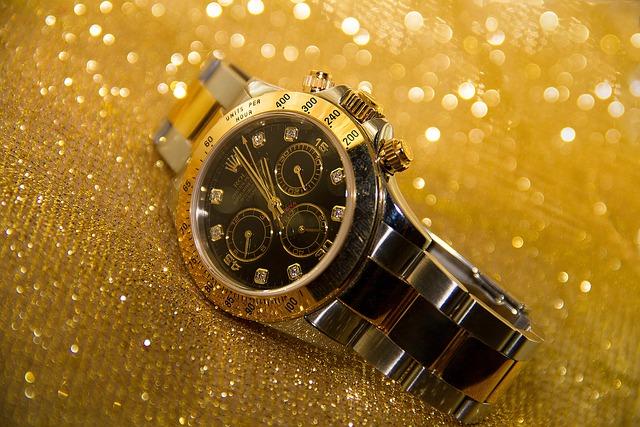
| Rolex | $5,000 – $50,000 |
| Omega | $2,000 – $10,000 |
| Seiko | $200 – $2,000 |
Ultimately, the right mechanical watch for you will depend on your personal preferences and budget. Take the time to research and try on different watches to find the perfect timepiece that suits your style and needs.

Maintenance and Care Tips for Mechanical Watches
When it comes to maintaining and caring for your mechanical watch, there are a few key tips to keep in mind to ensure it stays in top condition for years to come. Follow these guidelines to keep your timepiece running smoothly:
- Regularly wind your watch to keep it running accurately. Most mechanical watches need to be wound daily to maintain their precision.
- Keep your watch away from magnets, as they can interfere with the movement of the watch and cause it to run improperly.
- Avoid exposing your watch to extreme temperatures, as this can affect its performance. Keep it away from direct sunlight and heat sources.
Additionally, it’s important to have your mechanical watch serviced every few years by a professional watchmaker. This will help prevent any potential issues and keep your watch in optimal condition. By following these maintenance and care tips, you can ensure that your mechanical watch remains a timeless and reliable accessory.
Concluding Remarks
In conclusion, while mechanical watches hold a special place in the world of horology, they are not necessarily the apex of timepiece evolution. The advancement of technology has brought about new developments in watchmaking, such as quartz and smartwatches, that offer improved precision and functionality. Despite this, mechanical watches continue to be valued for their craftsmanship and artistry. Ultimately, the evolution of timepieces is a journey of innovation and choice, with each type of watch appealing to different preferences and needs. Whether you prefer the classic elegance of a mechanical watch or the convenience of a quartz or smartwatch, the evolution of timepieces offers something for every watch enthusiast.
Get our latest guides, news, and insights highlighted in your Google Search & AI Overviews.