Do Automatic Watches Need Maintenance? Maintenance Guide
Automatic watches are beloved for their timeless elegance and precision craftsmanship. Yet, like any mechanical device, they require regular maintenance to keep them running smoothly. In this maintenance guide, we will explore the importance of maintaining your automatic watch and provide you with essential tips to ensure its long-lasting performance. So, buckle up and let’s dive into the world of automatic watch maintenance.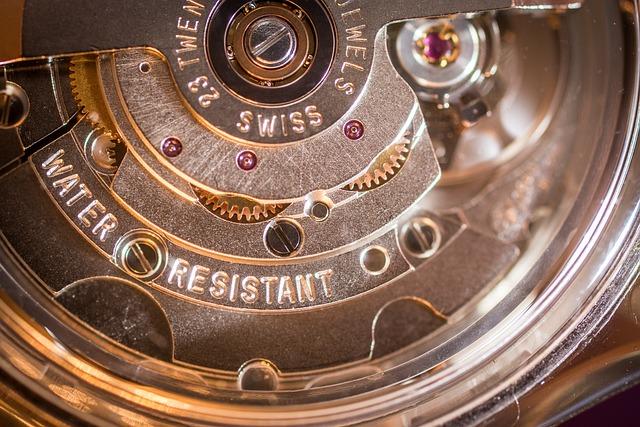
Contents
- Automatic Watches Overview
- Why Maintenance is Important for Automatic Watches
- Signs Your Automatic Watch Needs Maintenance
- How Often Should Automatic Watches be Serviced?
- DIY Maintenance Tips for Automatic Watches
- Professional Maintenance vs. DIY Maintenance: Pros and Cons
- Common Maintenance Issues with Automatic Watches
- Benefits of Regular Maintenance for Automatic Watches
- Cost of Maintenance for Automatic Watches
- Conclusion: Importance of Regular Maintenance for Maximizing Automatic Watch Lifespan
- To Wrap It Up
Automatic Watches Overview
Automatic watches are a marvel of engineering, utilizing the motion of the wearer’s wrist to power the timepiece. While these watches are known for their precision and craftsmanship, they do require some maintenance to ensure they continue to perform at their best.
Related: Does Automatic Watch Need Servicing? Maintenance Essentials
One common question that often arises is whether automatic watches need regular maintenance. The short answer is yes, they do. Just like any other mechanical device, automatic watches need to be cleaned, oiled, and adjusted periodically to keep them running smoothly.
Here is a quick maintenance guide for automatic watches:
- Regular Cleaning: Use a soft cloth to gently wipe down the watch case and strap to remove any dirt or debris.
- Oiling: Every 3-5 years, it is recommended to have the watch serviced by a professional to have the movement cleaned and oiled.
- Water Resistance Check: If your watch is water-resistant, have the gaskets checked and replaced as needed to maintain the water resistance rating.
- Timing Adjustment: If you notice the timekeeping is off, have the watch adjusted by a watchmaker to ensure accurate timekeeping.

Why Maintenance is Important for Automatic Watches
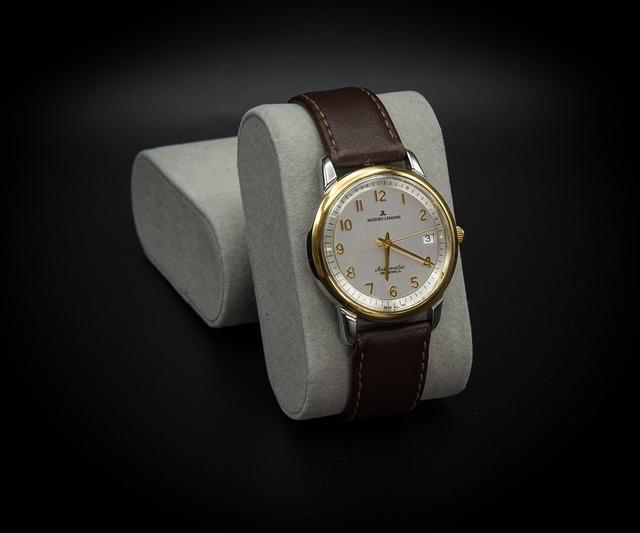
An automatic watch is a marvel of engineering, consisting of intricate components that work together seamlessly to keep accurate time. However, like any finely tuned machine, automatic watches require regular maintenance to ensure they continue to function properly.
Regular maintenance is crucial for automatic watches for several reasons:
- Preventative Care: Routine maintenance can help prevent serious issues from developing, saving you time and money in the long run.
- Prolonged Lifespan: Proper care and maintenance can extend the lifespan of your automatic watch, allowing you to enjoy it for years to come.
- Precision Timekeeping: Regular servicing can keep your watch running accurately, ensuring you can rely on it for keeping time.
It is recommended to have your automatic watch serviced every 3-5 years by a professional watchmaker. During servicing, the watch will be disassembled, cleaned, lubricated, and any worn parts will be replaced. This thorough maintenance will keep your automatic watch in top condition and prevent any potential issues from arising.
Signs Your Automatic Watch Needs Maintenance
If you own an automatic watch, it’s important to pay attention to signs that indicate when it needs maintenance. Regular maintenance is crucial to ensure that your watch functions properly and lasts a long time. Here are some key signs to look out for:
- Loss of Time Accuracy: If you notice that your automatic watch is consistently running fast or slow, it may be time for maintenance.
- Decreased Power Reserve: If your watch doesn’t hold a charge like it used to, it could be a sign that the movement needs to be cleaned and lubricated.
- Strange Noises: Unusual ticking or grinding sounds coming from your watch can indicate that there is a problem with the movement that needs to be addressed.
By staying attentive to these signs, you can ensure that your automatic watch continues to perform at its best. Regular maintenance by a professional watchmaker is recommended to keep your timepiece in top condition.
How Often Should Automatic Watches be Serviced?
Regular maintenance of automatic watches is essential to ensure their longevity and accuracy. While the exact frequency of servicing may vary depending on the manufacturer and model, a general guideline is to have your automatic watch serviced every 3-5 years. This timeframe ensures that any potential issues can be addressed before they escalate and affect the performance of your timepiece.
Some signs that your automatic watch may need servicing sooner include:
- Loss of time accuracy
- Difficulty in winding the watch
- Visible damage to the exterior or movement
During a typical servicing, a qualified watchmaker will disassemble the watch, clean and lubricate the movement, replace any worn-out parts, and perform a series of tests to ensure its accuracy and functionality. By adhering to a regular servicing schedule, you can prolong the life of your automatic watch and enjoy its precision for years to come.
DIY Maintenance Tips for Automatic Watches
Automatic watches are impressive timepieces that require regular maintenance to ensure they continue to function properly. While automatic watches are known for their self-winding mechanisms, they still need some manual care to keep them running smoothly. Below are some simple DIY maintenance tips to help you keep your automatic watch in top condition:
- Regular Cleaning: Use a soft, lint-free cloth to gently wipe down your watch case and strap to remove any dirt or oils that may have accumulated.
- Storage: When not in use, store your automatic watch in a watch box or case to protect it from dust, moisture, and other elements that can damage the movement.
- Timing Adjustment: If you notice your watch is running fast or slow, you can adjust the timing by using the small crown on the side of the watch. Be sure to make small adjustments and monitor the timekeeping.
By following these simple maintenance tips, you can prolong the life of your automatic watch and keep it looking and running like new. Remember, if you are unsure about performing any maintenance on your watch, it is always best to consult with a professional watchmaker.

Professional Maintenance vs. DIY Maintenance: Pros and Cons
When it comes to the maintenance of automatic watches, there are two main options: professional maintenance or DIY maintenance. Each option has its own set of pros and cons that you should consider before making a decision.
Professional Maintenance
- Pros:
- Expertise: Watchmakers have the knowledge and experience to properly service your watch.
- Quality: Professional maintenance ensures that your watch is being taken care of properly.
- Piece of mind: Knowing that your watch is in good hands can provide peace of mind.
- Cons:
- Cost: Professional maintenance can be expensive, especially for high-end watches.
- Time: It may take some time to find a reputable watchmaker and have your watch serviced.
- Pros:
- Cost-effective: DIY maintenance can save you money in the long run.
- Convenience: You can perform maintenance on your own schedule without having to wait for an appointment.
- Learning experience: You can gain valuable knowledge and skills by servicing your own watch.
- Cons:
- Risk of damage: Without proper knowledge and tools, DIY maintenance can potentially damage your watch.
- No warranty: If you perform maintenance yourself, you may void any warranty on your watch.
- Timekeeping Accuracy: Over time, automatic watches may lose or gain time. This can be corrected by regulating the movement or by servicing the watch.
- Water Resistance: The seals in automatic watches can degrade, compromising the water resistance of the watch. It is important to have the seals checked and replaced regularly to prevent water damage.
- Power Reserve: If an automatic watch is not worn regularly, the power reserve may diminish. To ensure the watch continues to operate smoothly, it is important to wind the watch or put it on a watch winder.
- Optimal Performance: Regular servicing helps keep your watch running smoothly and accurately, ensuring it performs at its best.
- Longevity: Proper maintenance can extend the lifespan of your watch, preventing premature wear and tear.
- Preservation of Value: Routine upkeep can help maintain the value of your watch, making it a worthwhile investment for years to come.
- Prevention of Damage: Regular maintenance can help identify and address any potential issues before they escalate, preventing costly repairs down the line.
- Preventative Care: Regular maintenance helps to prevent potential issues before they arise, saving you time and money in the long run.
- Prolonged Lifespan: By servicing your watch regularly, you can extend its lifespan and keep it running smoothly for generations.
- Preservation of Value: Well-maintained watches retain their value better over time, making them a worthwhile investment.
- Optimal Performance: Proper maintenance ensures that your watch continues to perform at its best, keeping accurate time and functioning effectively.
DIY Maintenance

Common Maintenance Issues with Automatic Watches
Automatic watches are beloved for their craftsmanship and intricate mechanics, but they do require regular maintenance to ensure they continue to function properly. Here are some common maintenance issues to be aware of:
| Issue | Solution |
|---|---|
| Timekeeping Accuracy | Regulate the movement or service the watch |
| Water Resistance | Check and replace seals regularly |
| Power Reserve | Wind the watch or use a watch winder |
By being aware of these common maintenance issues and taking proactive steps to address them, you can ensure that your automatic watch continues to provide you with reliable timekeeping for years to come.
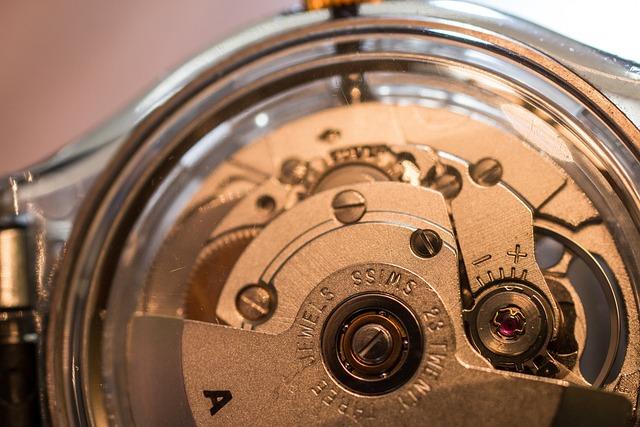
Benefits of Regular Maintenance for Automatic Watches
Regular maintenance is crucial for keeping your automatic watch in top condition and ensuring its longevity. By following a consistent maintenance schedule, you can enjoy the following benefits:
To ensure your automatic watch receives the care it deserves, it’s recommended to have it serviced by a professional watchmaker every 3-5 years. This includes thorough cleaning, lubrication, and detailed inspection of all components. By staying on top of maintenance, you can enjoy your automatic watch for years to come.
| Benefits of Regular Maintenance | Maintenance Intervals |
|---|---|
| Optimal Performance | Every 3-5 years |
| Longevity | Every 3-5 years |
| Preservation of Value | Every 3-5 years |
| Prevention of Damage | Every 3-5 years |

Cost of Maintenance for Automatic Watches
Automatic watches are known for their intricate mechanical movements that wind themselves as you move your wrist throughout the day. While these watches are built to last, they do require regular maintenance to ensure they continue to function properly over time.
One of the most important aspects of maintaining an automatic watch is regular servicing by a professional watchmaker. This typically involves cleaning, oiling, and adjusting the movement to keep it running smoothly. Depending on the brand and model of your watch, it is generally recommended to have this done every 3-5 years.
Another key aspect of maintenance is keeping your watch clean and free of dirt and debris. This can be done by regularly wiping down the exterior with a soft, lint-free cloth and storing it properly when not in use. Additionally, it is important to avoid exposing your watch to extreme temperatures and water, as this can damage the delicate internal components.
Overall, while automatic watches do require maintenance to keep them in top condition, with proper care and regular servicing, your timepiece can last for generations to come.

Conclusion: Importance of Regular Maintenance for Maximizing Automatic Watch Lifespan
Regular maintenance is crucial for maximizing the lifespan of your automatic watch. By taking proper care of your timepiece, you can ensure that it continues to function smoothly and accurately for years to come. Here are some key reasons why maintenance is essential:
It is recommended to have your automatic watch serviced every 3-5 years by a professional watchmaker. During a service, the watch will be cleaned, lubricated, and inspected for any signs of wear or damage. By staying on top of regular maintenance, you can enjoy your automatic watch for many years to come.
To Wrap It Up
In conclusion, automatic watches do require regular maintenance to ensure their optimal performance and longevity. By following the maintenance guide provided, you can keep your watch running smoothly and accurately for years to come. Remember to keep it clean, service it regularly, and store it properly when not in use. By taking care of your automatic watch, you can enjoy its beauty and functionality for a lifetime. Thank you for reading, and we hope you found this guide helpful in keeping your watch in top condition.
Get our latest guides, news, and insights highlighted in your Google Search & AI Overviews.