Do Automatic Watches Stop? Unveiling Timepiece Behavior
Have you ever wondered why your automatic watch suddenly stops ticking? In this article, we will delve into the intriguing world of timepiece behavior and uncover the reasons behind why automatic watches stop. Stay tuned to unlock the mysteries of your beloved timepiece!
Contents
- Do Automatic Watches Stop?
- Understanding the Mechanics Behind Automatic Watches
- Factors that Can Cause Automatic Watches to Stop
- Tips to Keep Your Automatic Watch Running
- Common Misconceptions About Automatic Watches
- When to Service Your Automatic Watch
- How to Properly Maintain Your Automatic Watch
- Keeping Your Automatic Watch Running Smoothly
- The Benefits of Owning an Automatic Watch
- Maximizing the Lifespan of Your Automatic Watch
- Concluding Remarks
Do Automatic Watches Stop?
Automatic watches are designed to keep running as long as they are worn regularly. The movement of your wrist actually powers the watch, keeping it ticking throughout the day. However, if you take off your automatic watch and leave it sitting for too long, it will eventually stop. This is because there is no external power source, like a battery, to keep it running when not in use.
But don’t worry, this is completely normal behavior for automatic watches. Just a few turns of the crown on the side of the watch will get it ticking again. Another option is to invest in a watch winder, which keeps your automatic watch moving even when you’re not wearing it. This prevents it from stopping and needing to be reset every time you want to wear it.
Remember, automatic watches stopping when not in use is just a natural part of their design. By wearing them regularly or using a watch winder, you can ensure that your timepiece keeps ticking away for years to come.

Understanding the Mechanics Behind Automatic Watches
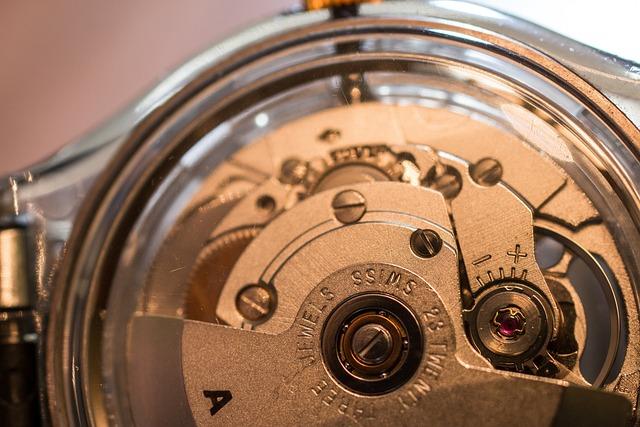
Automatic watches are designed to keep running as long as they are worn regularly, thanks to the movement of the wearer’s wrist. The mechanical components within an automatic watch interact in a very intricate way to ensure that the timekeeping functions smoothly. Unlike quartz watches, which rely on a battery for power, automatic watches harness the energy from the wearer’s movement to power the timekeeping mechanism.
One common misconception about automatic watches is that they stop running when not worn. In reality, if an automatic watch is not worn for an extended period, it will eventually stop due to the depletion of stored energy. To keep an automatic watch running smoothly, it is recommended to wear it regularly or invest in a watch winder to keep the movement active when not in use.
It’s important to understand that automatic watches are not indestructible and require regular maintenance to ensure proper function. Periodic servicing, such as oiling and cleaning, will keep the intricate components in optimal condition and extend the lifespan of the timepiece. By and taking proper care of them, watch enthusiasts can enjoy the beauty and precision of these remarkable timepieces for years to come.
Factors that Can Cause Automatic Watches to Stop
There are several unexpectedly. Understanding these common reasons can help you troubleshoot and prevent your timepiece from losing time.
- Magnetic Fields: Strong magnetic fields can disrupt the delicate inner workings of an automatic watch, causing it to stop or run inaccurately. Keep your watch away from magnetic objects like speakers and laptops.
- Impact or Shock: Automatic watches are intricate devices that can be sensitive to impact or shock. Avoid dropping your watch or exposing it to sudden movements to prevent damage to the movement.
- Low Power Reserve: Automatic watches rely on the movement of your wrist to keep them running. If you haven’t worn your watch for a few days, it may stop due to a low power reserve. Consider investing in a watch winder to keep it running smoothly.
- Water Damage: Exposure to water can cause irreversible damage to the delicate components of an automatic watch. Make sure to always check the water resistance rating of your watch and avoid wearing it while swimming or showering.
| Factors | Solutions |
|---|---|
| Lack of Movement | Invest in a watch winder |
| Water Damage | Avoid wearing watch while swimming |

Tips to Keep Your Automatic Watch Running
Automatic watches are known for their intricate mechanisms that keep them ticking without the need for batteries. However, like any mechanical device, they require proper care and maintenance to ensure they continue running smoothly. Here are some :
- Wear it regularly: Automatic watches are powered by the natural motion of your wrist, so wearing it regularly will keep it running smoothly.
- Keep it wound: If you don’t wear your watch every day, consider investing in a watch winder to keep it wound and running.
- Avoid magnets: Magnetic fields can interfere with the movement of your watch, so try to keep it away from strong magnets.
- Service regularly: It’s recommended to have your watch serviced every 3-5 years to ensure all the components are functioning properly.

Common Misconceptions About Automatic Watches
Many people believe that automatic watches do not stop or need winding because they are self-winding. This is a common misconception in the world of timepieces. While automatic watches do have a rotor that winds the mainspring as you move your wrist, they can still stop if not worn for an extended period of time. This is because the power reserve of an automatic watch typically ranges from 36 to 48 hours, so if left unworn for longer than that, the watch will stop.
Another misconception is that automatic watches are always more accurate than quartz watches. While automatic watches are known for their craftsmanship and mechanical complexity, they are not always as accurate as quartz watches. Quartz movements use a battery to power a vibrating quartz crystal which generates pulses to move the watch hands, resulting in a more accurate timekeeping compared to the mechanical movement of automatic watches.
Additionally, some people think that automatic watches require no maintenance, which is not true. Like any mechanical device, automatic watches need regular servicing to ensure they continue to function properly. Over time, the oils in the movement can dry up and the components can wear out, so it is important to have your automatic watch serviced every 3-5 years by a professional watchmaker to keep it in top condition.
When to Service Your Automatic Watch
Automatic watches are known for their self-winding mechanism, which relies on the movement of your wrist to keep the watch running smoothly. However, despite this innovative feature, automatic watches do require regular servicing to ensure optimal performance.
So, when should you service your automatic watch? Here are a few key signs that indicate your timepiece may need some attention:
- Loss of time accuracy: If you notice that your watch is consistently running fast or slow, it may be time for a servicing to recalibrate the movement.
- Decreased power reserve: If your watch is not holding a charge as long as it used to, it could be a sign that the internal components need to be cleaned or lubricated.
- Visible damage or wear: Scratches, dents, or water damage can all impact the performance of your watch and should be addressed by a professional watchmaker.
Remember, regular servicing of your automatic watch not only ensures its longevity but also helps maintain its value over time. So, if you notice any of these signs, don’t hesitate to take your watch to a reputable watchmaker for a check-up.
How to Properly Maintain Your Automatic Watch
Automatic watches are prized for their intricate mechanisms and timeless appeal. However, like any mechanical device, they require proper maintenance to ensure they continue to function accurately and reliably. Here are some tips on :
- Wear it regularly: Automatic watches are designed to be worn daily to keep them running smoothly. If you have multiple watches in your collection, consider rotating them to ensure they all get enough wrist time.
- Keep it wound: If you have a watch winder, be sure to use it to keep your automatic watch wound when you’re not wearing it. This helps prevent the lubricants inside the watch from drying out and keeps the movement running smoothly.
- Service regularly: To prevent any issues with your automatic watch, it’s recommended to have it serviced by a professional watchmaker every 3-5 years. During a service, the watch will be cleaned, oiled, and adjusted to ensure it continues to keep accurate time.
- Protect it from water: While some automatic watches are water-resistant, it’s important to avoid exposing them to water when possible. If you do accidentally get your watch wet, be sure to dry it off immediately to prevent any damage to the movement.
Keeping Your Automatic Watch Running Smoothly
When it comes to , it’s important to understand the behavior of these timepieces. Automatic watches are powered by the movement of your wrist, so they will continue to run as long as you wear them regularly. However, if you take your watch off for an extended period of time, it may stop running.
One common misconception is that automatic watches will always keep perfect time. In reality, these watches can lose or gain a few seconds each day, which is normal due to the complex mechanical nature of the movement. To ensure your watch stays accurate, it’s recommended to have it serviced every 3-5 years by a professional watchmaker.
Another factor that can affect the smooth running of your automatic watch is magnetism. Exposure to magnetic fields can disrupt the movement of the watch, causing it to run fast or slow. To avoid this issue, it’s best to keep your watch away from electronic devices and magnetic objects.
By understanding the behavior of automatic watches and taking proper care of them, you can ensure that your timepiece continues to run smoothly for years to come. Remember to wear your watch regularly, have it serviced periodically, and protect it from magnetic fields to keep it in top condition.

The Benefits of Owning an Automatic Watch
Automatic watches are a timeless piece of craftsmanship that offers a range of benefits to their owners. One of the key advantages of owning an automatic watch is its self-winding mechanism, which means you never have to worry about changing the battery. This makes them a sustainable and eco-friendly option for watch enthusiasts.
Another benefit of automatic watches is their durability and longevity. Unlike quartz watches, automatic watches are built to last a lifetime with proper care and maintenance. They are often made with high-quality materials and intricate mechanics that contribute to their longevity.
Moreover, automatic watches are a symbol of traditional watchmaking and craftsmanship. Each watch is meticulously assembled by skilled artisans who have a deep understanding of horology. This attention to detail and precision results in a timepiece that is not only functional but also a work of art.
Additionally, automatic watches offer a unique connection to time as they require daily wear to keep them running. This creates a bond between the wearer and the watch, making it a personal and cherished accessory. Overall, owning an automatic watch is a rewarding experience that encapsulates the beauty of traditional watchmaking.

Maximizing the Lifespan of Your Automatic Watch
Regular maintenance and care are essential in . By following these simple guidelines, you can ensure that your timepiece stays in top condition for years to come:
- Keep your watch wound: Automatic watches rely on movement to stay powered. Make sure to wear your watch regularly or use a watch winder to keep it ticking.
- Avoid extreme temperatures: High heat or cold can affect the lubricants in your watch, leading to potential damage. Store your watch in a stable environment.
- Protect your watch from magnets: Magnetic fields can interfere with the precision of your watch. Avoid placing your watch near electronic devices or magnets.
- Service your watch regularly: To keep your watch running smoothly, it’s recommended to have it serviced every 3-5 years by a professional watchmaker.
When it comes to maintaining the functionality and appearance of your automatic watch, prevention is key. By taking the time to care for your timepiece properly, you can enjoy it for many years to come.
Concluding Remarks
In conclusion, automatic watches do stop if not worn for an extended period of time. This is due to the mechanisms within the watch that require movement to keep functioning. Regularly wearing or winding the watch will ensure it continues to keep accurate time. It is important to also store the watch properly when not in use to prevent damage. Understanding the behavior of automatic watches will help you better care for and maintain your timepiece. Keep these key takeaways in mind to ensure your watch stays running smoothly for years to come.
Get our latest guides, news, and insights highlighted in your Google Search & AI Overviews.