Are All Automatic Watches Self Winding? Get the Facts
Have you ever found yourself wondering about the inner workings of automatic watches? In the world of timepieces, there seems to be endless confusion when it comes to the terms “automatic” and “self-winding”. Are they one and the same, or do they represent different features? Today, we dive into the fascinating realm of horology to uncover the truth. Join us as we unravel the mysteries and shed light on the question: Are all automatic watches self-winding? Prepare to have your doubts cleared and your knowledge expanded in this informative article.
Contents
Understanding the Mechanics of Automatic Watches
Automatic watches are a fascinating piece of engineering that has captivated watch enthusiasts for decades. While many associate automatic watches with self-winding mechanisms, it is essential to understand that not all automatic watches are created equal. In this post, we will break down the mechanics of automatic watches to help you gain a deeper understanding.
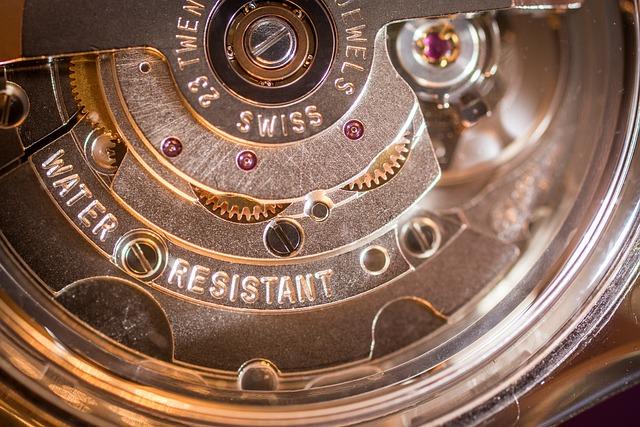
The Self-Winding Mechanism: Most automatic watches feature a self-winding mechanism, which means they can be powered by the motion of your wrist. Inside the watch, a rotor rotates with the movement of your arm, winding the mainspring and storing energy to power the watch. This ingenious mechanism eliminates the need for a battery or manual winding.
Non-Self-Winding Automatic Watches: Contrary to popular belief, not all automatic watches are self-winding. Some automatic watches rely solely on manual winding to power the movement. These watches lack a rotor and require regular winding by turning the crown. This manual winding ensures the mainspring is adequately tensioned to power the watch accurately.
Differences in Power Reserve: Automatic watches, whether self-winding or not, feature a power reserve indicator that shows how long the watch can run without being worn or wound. Self-winding watches typically have a longer power reserve, as the rotor continually replenishes the energy while being worn. On the other hand, non-self-winding automatic watches may have a shorter power reserve, necessitating more frequent winding.
- Maintenance and Accuracy: While automatic watches are marvels of engineering, they do require maintenance to ensure their accuracy and longevity. Regular servicing by trained watchmakers is essential to keep the intricate parts in top working condition. Additionally, automatic watches, especially self-winding ones, can be more susceptible to magnetism and require proper protection and demagnetization to maintain their accuracy.
To sum it up, not all automatic watches are self-winding, although many do feature this convenient mechanism. Understanding the mechanics behind automatic watches helps us appreciate the craftsmanship and functionality of these timepieces. Whether you prefer a self-winding or non-self-winding automatic watch, proper care and maintenance will ensure its reliable performance for years to come.

Key Differences: Self-Winding vs Manual Winding Watches
When it comes to choosing a wristwatch, one of the primary considerations is whether to opt for a self-winding or manual winding watch. While both types fall under the category of automatic watches, there are some key differences between them that every watch enthusiast should know about.
Self-Winding Watches:
Self-winding watches are timepieces that wind themselves automatically through the natural motion of the wearer’s wrist. These watches feature a rotor, a weight that spins as the wearer moves, generating energy to wind the mainspring. Here are some key points about self-winding watches:
- They don’t require manual winding as long as they are being worn regularly.
- The rotor movement winds the mainspring, storing energy for the watch to keep ticking.
- They typically have a power reserve that can last anywhere from 24 to 48 hours, depending on the watch model.
- Self-winding watches are convenient for those who wear their watches daily as the continuous movement helps to keep them running smoothly.
Manual Winding Watches:
Unlike self-winding watches, manual winding watches require the wearer to manually wind the watch regularly to keep it running. Here are some key points about manual winding watches:
- They have to be manually wound by turning the crown, which tightens the mainspring and provides energy to keep the watch running.
- Manual winding watches typically have a power reserve that can last from 36 to 72 hours, depending on the watch model.
- They require more involvement from the wearer as regular winding is necessary to prevent the watch from stopping.
- Some watch enthusiasts appreciate the ritualistic nature of winding their watches, as it adds a personal touch and connection to the timepiece.
Ultimately, the choice between a self-winding and manual winding watch depends on personal preference. While some may prefer the convenience and uninterrupted timekeeping of self-winding watches, others may enjoy the interaction and engagement that comes with manually winding their timepiece. Whichever you choose, the goal remains the same – to find a watch that suits your lifestyle and reflects your unique style.

Maintenance and Care: Extending the Lifespan of Your Automatic Watch
Regular maintenance and care are essential for prolonging the lifespan of your automatic watch. By following a few simple steps, you can ensure that your timepiece continues to function smoothly and accurately for years to come.
1. Winding your watch: Unlike quartz watches, automatic watches are powered by the natural motion of your wrist. However, not all automatic watches are self-winding. Some models require manual winding to start the movement. It’s important to know whether your watch is self-winding or not, as this will affect how you care for and store it.
2. Consistent wearing: Automatic watches thrive on movement. The more consistently you wear your timepiece, the better it will perform. If you don’t wear your watch regularly, consider using a watch winder, which simulates wrist movement and keeps the watch running smoothly. This is particularly useful if you own multiple automatic watches and want to ensure they are all kept in good condition.
3. Regular cleaning: To maintain the appearance of your automatic watch, it’s important to clean it regularly. Use a soft cloth to remove any dirt or smudges from the case, crystal, and bracelet. Be sure to avoid using harsh chemicals or abrasives that could damage the watch’s finish. If your watch is water-resistant, you can also rinse it gently under running water and dry it thoroughly.
4. Professional servicing: Every few years, it’s recommended to have your automatic watch serviced by a professional watchmaker. This involves disassembling the watch, cleaning and lubricating the movement, and checking for any potential issues. By having your watch serviced regularly, you can prevent problems before they occur and ensure its longevity.
Remember, proper maintenance and care are essential for keeping your automatic watch in optimal condition. By following these tips, you can extend its lifespan and continue to enjoy its accuracy and beauty for many years to come.
Key Takeaways
In conclusion, it is important to understand the distinction between automatic watches and self-winding watches. While all self-winding watches are automatic, not all automatic watches are self-winding. The key difference lies in the mechanism used to power the watch. Self-winding watches harness the natural movement of the wearer’s wrist to wind the watch automatically, while some automatic watches require manual winding.
By being aware of this difference, you can make an informed choice when selecting a timepiece that suits your needs and preferences. If you appreciate the convenience of a watch that keeps itself wound, a self-winding automatic watch is the way to go. On the other hand, if you prefer a watch that allows for more control and customization, an automatic watch that requires manual winding might be the better option for you.
Regardless of your choice, both types of watches offer their own unique charm and appeal. Whether you opt for the simplicity and hands-off approach of a self-winding watch or the hands-on interaction with an automatic watch, you can rest assured knowing that you are investing in a timepiece that embodies precision and craftsmanship.
So, the next time you come across the term “automatic watch,” keep in mind that not all of them are self-winding. Take the time to understand the different mechanisms and features, and choose the watch that truly meets your preferences and lifestyle. Remember, knowledge is power when it comes to finding the perfect timepiece that will accompany you in both style and function.
Get our latest guides, news, and insights highlighted in your Google Search & AI Overviews.