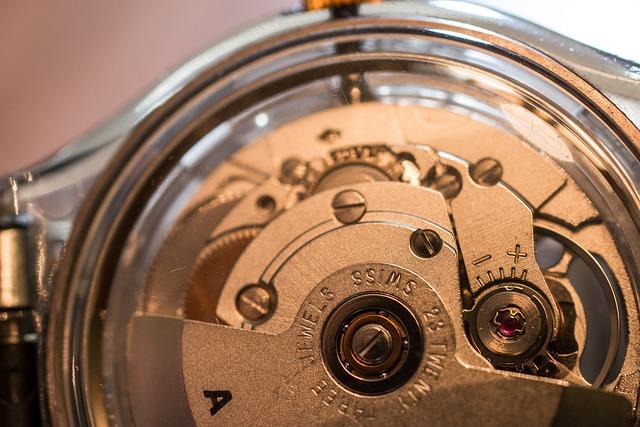
Do You Wind Your Mechanical Watch Every Night? Here’s Why You Should
If you own a mechanical watch, chances are you’ve been told to wind it every night before going to bed. But have you ever wondered why this practice is important? In this article, we will explore the reasons why winding your mechanical watch daily is crucial for its performance and longevity. So sit back, relax, and let’s dive into the fascinating world of watch maintenance!
Contents
- Why Daily Winding Is Essential for Your Mechanical Watch
- Benefits of Consistently Winding Your Timepiece
- How Overwinding Can Affect Your Watch’s Performance
- Maintaining Accuracy Through Regular Winding
- The Impact of Irregular Winding on Your Watch’s Power Reserve
- Tips for Properly Winding Your Mechanical Watch
- Preventing Timekeeping Issues with Daily Winding
- Understanding the Mechanics Behind Manual Winding
- Maximizing the Longevity of Your Watch with Daily Winding
- Ensuring Optimal Performance by Winding Your Watch Every Night
- To Conclude
Why Daily Winding Is Essential for Your Mechanical Watch
Consistency is key when it comes to maintaining the accuracy and longevity of your mechanical watch. One of the simplest yet most essential tasks you can do to keep your timepiece running smoothly is to wind it daily. Here’s why daily winding is crucial for your mechanical watch:
- Prevents Time Deviation: By regularly winding your watch, you ensure that the mainspring is fully charged, allowing the movement to operate at its optimal level of precision. This helps to prevent time discrepancies and keeps your watch running accurately.
- Preserves Movement Health: Daily winding helps to distribute the oils evenly within the movement, reducing friction and wear on the components. This not only improves the overall performance of the watch but also extends its lifespan.
- Maintains Power Reserve: By winding your watch each day, you maintain a consistent power reserve, ensuring that the watch continues to function properly and reliably. This is especially important for watches with complex complications or functions.

Benefits of Consistently Winding Your Timepiece
Consistently winding your mechanical timepiece is crucial for maintaining its accuracy and longevity. By regularly winding your watch, you ensure that the mainspring stays tensioned, which helps keep the movement running smoothly. This practice also helps prevent unnecessary wear and tear on the internal components, ultimately extending the lifespan of your watch.
Furthermore, winding your watch every night can help you establish a routine and connection with your timepiece. It allows you to interact with your watch daily, fostering a sense of appreciation and care for your timepiece. In a way, winding your watch becomes a ritual that adds value to the ownership experience.
Another benefit of consistently winding your watch is the opportunity to check in on its condition. By winding your watch daily, you can quickly notice any irregularities in its operation, such as a decrease in power reserve or unusual ticking noises. This proactive approach to watch care can help you address any issues early on, preventing potential damage or malfunctions.
So, next time you reach for your mechanical watch before bed, remember the benefits of winding it regularly. Not only will you ensure its accuracy and longevity, but you’ll also deepen your connection with your timepiece and stay ahead of any potential issues. Make winding your watch a daily habit and reap the rewards of a well-maintained and cherished timepiece.
How Overwinding Can Affect Your Watch’s Performance
Overwinding a mechanical watch can have a negative impact on its performance. While winding your watch every night is a common practice for many watch enthusiasts, it is important to be aware of the potential risks associated with overwinding.
When you overwind your watch, you can put excessive stress on the movement, causing it to run too fast or too slow. This can lead to inaccurate timekeeping and may even damage the delicate components of the watch.
It is important to follow the manufacturer’s recommendations for winding your watch to ensure optimal performance. By winding your watch gently and not forcing the crown, you can help prolong the life of your timepiece and keep it running smoothly.
Remember, a little care and attention to how you wind your watch can go a long way in preserving its performance and longevity.

Maintaining Accuracy Through Regular Winding
Regularly winding your mechanical watch is crucial for maintaining its accuracy. By winding your watch every night, you ensure that the mainspring remains tightly coiled, providing consistent power to the movement.
When you neglect to wind your watch regularly, the mainspring can become slack, leading to inaccuracies in timekeeping. This can result in your watch running too fast or too slow, impacting its overall performance.
In addition to maintaining accuracy, regular winding also helps prevent unnecessary wear and tear on the internal components of your watch. By keeping the mainspring properly tensioned, you can prolong the lifespan of your timepiece and avoid costly repairs in the future.
Make it a habit to wind your mechanical watch every night before bed. Not only will this ensure that your watch remains accurate, but it will also help you develop a deeper connection with your timepiece, appreciating the craftsmanship and precision that goes into its operation.
The Impact of Irregular Winding on Your Watch’s Power Reserve
When it comes to maintaining the power reserve of your mechanical watch, winding it regularly is key. Irregular winding can have a significant impact on the accuracy and longevity of your timepiece. Here’s why you should make winding your watch a nightly ritual:
**1. Constant Tension:**
- Regular winding ensures that the mainspring of your watch is kept under constant tension, which helps in maintaining a consistent power reserve.
**2. Improved Accuracy:**
- Consistent winding helps in the even distribution of energy throughout the movement, leading to improved accuracy in timekeeping.
| Irregular Winding | Regular Winding |
|---|---|
| Decreased power reserve | Optimal power reserve |
| Uneven energy distribution | Consistent energy distribution |
**3. Longevity:**
- By winding your watch regularly, you can help prevent unnecessary wear and tear on the movement, ultimately prolonging the lifespan of your timepiece.

Tips for Properly Winding Your Mechanical Watch
It is important to properly wind your mechanical watch every night to ensure its accuracy and longevity. Here are some tips to help you maintain your timepiece:
- **Consistency** – Make it a habit to wind your watch at the same time every night to prevent it from stopping.
- **Gentle Winding** – Never force the crown when winding your watch. Turn it gently and smoothly to avoid damaging the movement.
- **Enough Turns** – Most mechanical watches require around 20-30 turns to fully wind them. Make sure to wind it until you feel resistance.
By following these simple tips, you can ensure that your mechanical watch stays accurate and in good working condition for years to come.

Preventing Timekeeping Issues with Daily Winding
When it comes to maintaining the accuracy of your mechanical watch, daily winding is key. By winding your watch each night, you are ensuring that the internal mechanisms stay properly lubricated and running smoothly. This simple habit can prevent potential timekeeping issues down the road and extend the life of your timepiece.
Regular winding also helps to regulate the rate at which your watch runs, keeping it accurate and reliable. By taking just a few moments each night to wind your watch, you can avoid the frustration of having to constantly reset the time or deal with a watch that is running too fast or too slow.
Additionally, winding your watch every night is a great way to connect with your timepiece and appreciate the craftsmanship that goes into creating a mechanical watch. It allows you to develop a routine and bond with your watch, creating a sense of ownership and pride in caring for your valuable accessory.

Understanding the Mechanics Behind Manual Winding
When it comes to keeping your mechanical watch running smoothly, manual winding is essential. While some may view winding a watch every night as a tedious task, it is actually a crucial step in maintaining the accuracy and longevity of your timepiece. By , you can appreciate the craftsmanship and intricacies that go into each movement.
Manual winding is the process of turning the crown of your watch to tighten the mainspring inside the movement. This action stores energy that powers the gears and hands of the watch, ensuring that it continues to keep time accurately. By engaging in this ritual each night, you are not only preserving the functionality of your watch but also forming a deeper connection with it.
Additionally, regular manual winding can help prevent your watch from losing time or stopping altogether. This simple act helps distribute the lubricants inside the movement, reducing friction and wear on the components. Over time, this can lead to a smoother and more precise timekeeping experience.
So, next time you reach for your mechanical watch before bed, take a moment to wind it up. Not only will you be taking care of your timepiece, but you will also be engaging in a timeless tradition that has been passed down through generations of watch enthusiasts.

Maximizing the Longevity of Your Watch with Daily Winding
When it comes to mechanical watches, proper care and maintenance are essential to ensure their longevity and accuracy. One simple yet effective way to maximize the lifespan of your watch is by winding it daily. Daily winding helps keep the internal components of the watch moving smoothly, preventing any lubricants from drying out and causing friction.
By winding your watch every night before you go to bed, you are not only helping to maintain its accuracy but also ensuring that it runs smoothly and efficiently. This practice can also help prevent any potential issues that may arise from the lack of movement, such as parts becoming stuck or gears becoming damaged.
Additionally, regular winding can help to keep the mainspring of the watch in good condition. The mainspring is responsible for powering the movement of the watch, and by ensuring that it remains wound, you can help prolong its lifespan and prevent any premature wear and tear.
So, if you want to ensure that your mechanical watch remains in top condition for years to come, make it a habit to wind it daily. Your watch will thank you for it with reliable timekeeping and long-lasting performance.

Ensuring Optimal Performance by Winding Your Watch Every Night
One of the key components of owning a mechanical watch is ensuring that it is wound regularly for optimal performance. While many watch enthusiasts may only wind their watches when they notice it has stopped, winding your watch every night has a number of benefits that can help maintain its accuracy and longevity.
By winding your mechanical watch every night, you are helping to keep the movement of the watch functioning properly. This regular winding helps to ensure that the watch’s mainspring is fully wound, allowing for consistent and accurate timekeeping throughout the day. Additionally, winding your watch every night can help prevent any oils in the movement from congealing, which can lead to reduced performance over time.
Consistent winding of your mechanical watch also helps to distribute the lubricants within the movement, which can help prevent wear and tear on the internal components. This regular maintenance can extend the lifespan of your watch and keep it running smoothly for years to come. So, if you want to ensure that your mechanical watch performs at its best, make it a habit to wind it every night before going to bed.
To Conclude
In conclusion, winding your mechanical watch every night is not only important for keeping accurate time, but also for maintaining the longevity of your timepiece. By regularly winding your watch, you ensure that it stays in proper working condition and reduces the risk of any potential damages. So next time you reach for your watch before bed, don’t forget to give it a few twists. Your watch will thank you in the long run. Stay punctual and keep those timepieces ticking!
Get our latest guides, news, and insights highlighted in your Google Search & AI Overviews.