Does Heartbeat Sync to Mechanical Watch? The Connection Explained
Have you ever wondered if your heartbeat can sync up with the ticking of a mechanical watch? In this article, we will explore the fascinating connection between your heart rate and the rhythmic motion of a watch, shedding light on the science behind this intriguing phenomenon. Join us as we delve into the inner workings of both the heart and watch mechanisms to uncover the truth behind this curious synchronization.
Contents
- Does Heartbeat Really Sync to Mechanical Watch Movements?
- Understanding the Physiology Behind Heartbeat and Watch Synchronization
- Factors That Influence Heartbeat Synchronization with Mechanical Watches
- Exploring the Psychological Connection Between Heartbeat and Watch Beats
- Tips for Enhancing Heartbeat and Watch Synchronization
- The Role of Emotions in Syncing Heartbeats to Mechanical Watches
- Practical Ways to Monitor and Improve Heartbeat-Watch Synchronization
- Benefits of a Harmonious Heartbeat-Mechanical Watch Relationship
- Potential Drawbacks of Relying on Heartbeat Sync to Mechanical Watches
- Final Thoughts on the Connection Between Heartbeat and Mechanical Watch Movements
- In Retrospect
Does Heartbeat Really Sync to Mechanical Watch Movements?
It is a common misconception that the heartbeat of an individual can sync with the movements of a mechanical watch. However, this notion is simply a myth and has no scientific basis.
While the idea of your heartbeat syncing with the ticking of a watch may seem intriguing, the reality is that there is no direct correlation between the two. Your heartbeat is controlled by the electrical impulses in your heart, while the movement of a mechanical watch is driven by a series of intricate gears and springs.
So next time you feel like your heartbeat is in sync with your watch, remember that it is just a coincidence and not a magical connection between the two.

Understanding the Physiology Behind Heartbeat and Watch Synchronization
Our heartbeats, the rhythmic thumping that keeps us alive, have long been a subject of fascination and intrigue. But have you ever wondered if there is a connection between your heartbeat and the ticking of a mechanical watch? Surprisingly, there may be more to this phenomenon than meets the eye.
The synchronization of your heartbeat with a mechanical watch is not a mere coincidence. It is rooted in the intricate physiology of our bodies and the mechanics of these timeless timepieces. Here’s how the two seemingly unrelated elements can come together in perfect harmony.
:
- Our heartbeat is controlled by the sinoatrial (SA) node in our hearts, known as the “natural pacemaker.”
- The SA node generates electrical impulses that spread through the heart, causing it to contract and pump blood.
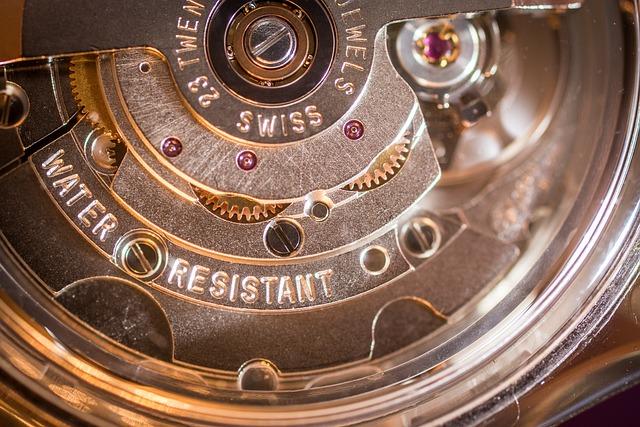
- Similarly, the escapement mechanism in a mechanical watch regulates the flow of energy to the gear train, producing the familiar ticking sound.
| Heartbeat | Mechanical Watch |
|---|---|
| Controlled by the SA node | Regulated by the escapement mechanism |
| Generates electrical impulses | Regulates flow of energy |
| Causes heart to contract | Produces ticking sound |

Factors That Influence Heartbeat Synchronization with Mechanical Watches
There are several factors that can influence the synchronization of your heartbeat with a mechanical watch. One key factor is the type of movement in the watch. Watches with mechanical movements, such as automatic or manual wind, are more likely to create a connection with your heartbeat due to the intricate inner workings that mimic the rhythm of the heart.
Another factor that can impact heartbeat synchronization is the quality of the watch. Higher-end mechanical watches with precision-engineered components are more likely to offer a smoother and more consistent heartbeat synchronization compared to lower-quality timepieces.
Additionally, the fit of the watch on your wrist can also play a role in how well your heartbeat syncs with the watch. A watch that is too tight or too loose may not be able to accurately track your heartbeat rhythm, leading to a less effective synchronization.

Exploring the Psychological Connection Between Heartbeat and Watch Beats
Recent studies have delved into the fascinating relationship between the human heartbeat and the rhythmic ticking of a mechanical watch. While it may seem like a coincidence, researchers have discovered a compelling psychological connection between these two seemingly unrelated beats.
One theory suggests that the rhythmic sound of a watch ticking can actually help regulate and synchronize a person’s heartbeat. This synchronization is believed to have a calming effect on the individual, promoting a sense of relaxation and well-being.
Moreover, the act of wearing a mechanical watch and being attuned to its beats may create a sense of mindfulness and present-moment awareness. This heightened mindfulness can lead to improved focus, reduced stress levels, and an overall improved sense of mental well-being.
Overall, the psychological connection between a person’s heartbeat and the beats of a mechanical watch is a fascinating area of study that sheds light on the intricate ways in which our minds and bodies may be interconnected.

Tips for Enhancing Heartbeat and Watch Synchronization
When it comes to the fascinating world of horology, one question that often arises is whether your heartbeat can sync to a mechanical watch. While the idea may seem far-fetched, there is actually some truth to this intriguing concept. Let’s explore some :
- Wear your mechanical watch on your left wrist, as this is closer to your heart and may help facilitate a stronger connection between your heartbeat and the watch movement.
- Engage in activities that elevate your heart rate, such as exercise or meditation, to potentially create a more pronounced rhythm between your heartbeat and the movement of the watch.
- Pay attention to your body’s natural rhythms and try to tune into the subtle cues that may indicate a synchronization between your heartbeat and the ticking of your watch.
While the idea of your heartbeat syncing to a mechanical watch may seem like a whimsical notion, there is a certain beauty in the idea of finding harmony between the precision of timekeeping and the organic rhythm of your own heartbeat. By following these tips and staying attuned to your body’s natural rhythms, you may just discover a deeper connection between yourself and your timepiece.

The Role of Emotions in Syncing Heartbeats to Mechanical Watches
Emotions play a fascinating role in our daily lives, influencing everything from our decision-making to our physical health. But could they also have an impact on our heartbeats syncing to mechanical watches? The answer may surprise you.
1. **Heart Rate Variability**: Our emotions can affect our heart rate variability, which is the variation in time between each heartbeat. When we experience stress or excitement, our heart rate variability can change, potentially impacting how our heartbeat syncs to a mechanical watch.
2. **Mind-Body Connection**: The mind-body connection is a powerful force that can influence our physical health in numerous ways. If we are feeling calm and relaxed, our heart rate may be more steady and synchronized with the mechanical watch on our wrist.
3. **Personalized Experience**: Each individual may have a unique response to emotions and how they affect their heart rate syncing to a mechanical watch. Some people may find that their heartbeat aligns perfectly with the ticking of their watch, while others may notice fluctuations depending on how they are feeling.
In conclusion, the connection between emotions and syncing heartbeats to mechanical watches is a complex and intriguing topic that deserves further exploration. By paying attention to how our emotions impact our physical health, we may gain a deeper understanding of the intricate relationship between mind, body, and timekeeping devices.
Practical Ways to Monitor and Improve Heartbeat-Watch Synchronization
One common question that many watch enthusiasts and health-conscious individuals have is whether the heartbeat syncs to a mechanical watch. The relationship between one’s heartbeat and a mechanical watch can indeed be complex, but there are practical ways to monitor and improve their synchronization. By understanding how the two interact, individuals can better track their health and optimize their watch’s performance.
One practical way to monitor and improve heartbeat-watch synchronization is to wear a fitness tracker that includes a heart rate monitor. These devices can provide real-time data on your heart rate, allowing you to compare it with the time displayed on your watch. By analyzing this data over time, you can identify any discrepancies and adjust your watch accordingly.
Another useful method is to manually check your pulse while observing the second hand on your watch. This hands-on approach allows you to directly compare your heartbeat with the watch’s timing. By doing this regularly, you can fine-tune your watch’s accuracy and ensure that it accurately reflects your body’s rhythms.
Additionally, consulting with a professional watchmaker or healthcare provider can offer valuable insights into how to improve the synchronization between your heartbeat and mechanical watch. They can provide expert guidance on maintenance, calibration, and any adjustments needed to enhance the accuracy of your timepiece.

Benefits of a Harmonious Heartbeat-Mechanical Watch Relationship
Having a harmonious relationship between your heartbeat and your mechanical watch can have numerous benefits for both your health and the watch itself. When your heartbeat syncs with the movement of your watch, it can create a sense of connection and balance that is not only aesthetically pleasing but also beneficial for your well-being.
One of the main benefits of this relationship is the potential to reduce stress and anxiety levels. By focusing on the rhythmic ticking of your watch and syncing it with your heartbeat, you can create a sense of calm and relaxation that can help lower your heart rate and promote overall wellness.
- Improved focus and concentration: By aligning your heartbeat with your watch, you can improve your focus and concentration on tasks at hand, leading to increased productivity and efficiency.
- Enhanced mindfulness: The act of syncing your heartbeat with your watch can help you become more present and mindful in your daily activities, promoting a sense of awareness and appreciation for the moment.
| Heartbeat-Mechanical Watch Relationship Benefits |
|---|
| Reduced stress and anxiety levels |
| Improved focus and concentration |
| Enhanced mindfulness |
Potential Drawbacks of Relying on Heartbeat Sync to Mechanical Watches
While heartbeat synchronization to mechanical watches can be an intriguing concept, it is important to consider some potential drawbacks before fully relying on this method. One potential drawback is the variability in heart rate. Heart rates can fluctuate throughout the day due to factors such as stress, exercise, and even caffeine consumption. This variability could result in inconsistencies in the synchronization process, leading to inaccurate timekeeping.
Another drawback to consider is the potential discomfort of wearing a device that monitors your heart rate. Some individuals may find it uncomfortable or intrusive to have a sensor constantly measuring their heart rate. This discomfort could deter them from utilizing the heartbeat sync feature to its full potential.
Additionally, there may be limitations in the accuracy of heartbeat synchronization. Factors such as skin pigmentation, ambient light, and device placement can all impact the accuracy of heart rate monitoring. These limitations could affect the reliability of syncing your heartbeat to your mechanical watch.
Despite these potential drawbacks, some individuals may still find the concept of heartbeat synchronization to mechanical watches fascinating and enjoyable. It is essential to weigh the pros and cons before deciding if this feature is right for you.

Final Thoughts on the Connection Between Heartbeat and Mechanical Watch Movements
As we delve deeper into the relationship between the human heartbeat and mechanical watch movements, it becomes evident that there is indeed a fascinating connection to be explored. While the idea of one’s heartbeat syncing with the ticking of a watch may seem like a romantic notion, the reality is that the two are not directly correlated in a literal sense.
It is important to understand that the frequency of a mechanical watch’s movement, known as its beat rate, is measured in Hertz or vibrations per hour. This frequency is typically much higher than the average human heartbeat, which ranges from 60 to 100 beats per minute. Therefore, while there may be moments when a person’s heartbeat seems to align with the rhythm of a watch, it is purely coincidental rather than a true synchronization.
Despite the lack of a direct connection between the human heartbeat and mechanical watch movements, the allure of timepieces continues to captivate us with their precision craftsmanship and intricate mechanics. The beauty of a mechanical watch lies in its ability to transcend mere functionality and become a work of art that captures the essence of time itself.
So, while the idea of our hearts beating in unison with the gears and springs of a mechanical watch may remain a whimsical fantasy, the enchanting allure of these timepieces will continue to inspire awe and admiration for generations to come.
In Retrospect
In conclusion, while the idea of a heartbeat syncing to a mechanical watch may seem intriguing, it is important to note that there is no scientific evidence to support such a connection. The ticking of a watch is due to its internal mechanism and does not synchronize with the rhythm of your heart. It’s always fascinating to explore the mysteries of our bodies and the world around us, but in this case, the connection between a heartbeat and a mechanical watch remains purely anecdotal. Remember to enjoy the beauty and craftsmanship of your timepiece for what it is – a mechanical masterpiece that tells time with precision and elegance. Thank you for reading, and may your days be filled with wonder and curiosity.
Get our latest guides, news, and insights highlighted in your Google Search & AI Overviews.