Watches Are Not An Investmant
Why Watches Are Not an Investment: The Hard Truth About Horology and Returns
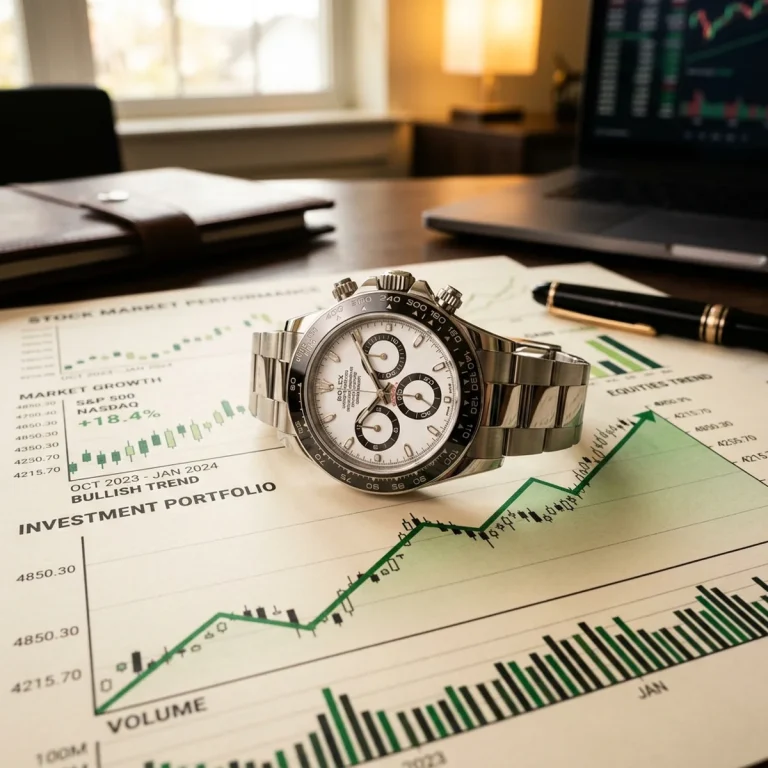
In recent years, the luxury watch market has experienced unprecedented hype, with social media influencers and self-proclaimed financial gurus touting luxury timepieces as a fast track to wealth. It is easy to be seduced by headlines of rare Rolex Daytonas or Patek Philippe Nautiluses selling for astronomical sums at auction. However, for the average collector or enthusiast, the reality is starkly different: watches are not an investment. Approaching horology purely from a financial perspective is often a recipe for disappointment and financial loss.
In this comprehensive guide, we will unpack the myths surrounding the watch investment craze, explore the hidden costs of ownership, explain why the vast majority of timepieces depreciate, and discuss the true value of building a watch collection.
Contents
- The Myth of the “Investment Piece”
- Depreciation Reality: What Happens When You Walk Out the Door
- The Rare Exceptions: Rolex, Patek Philippe, and Audemars Piguet
- The Hidden Costs of Watch Ownership
- The Opportunity Cost of Capital
- The Emotional Dividend: The True Value of a Luxury Watch
- Conclusion: Buy What You Love
- Frequently Asked Questions (FAQ)
The Myth of the “Investment Piece”
The idea that luxury watches are a safe and lucrative asset class is a relatively recent phenomenon, largely fueled by a speculative bubble that peaked around 2022. During this period, unprecedented demand met constrained supply, causing secondary market prices for a select few steel sports watches to skyrocket.
This led to a dangerous misconception that any luxury watch would appreciate over time. The truth is that the watch market behaves much more like the luxury car market than the stock market. When you buy a new watch from an authorized dealer (AD), its monetary value almost instantly drops the moment you walk out the door. The idea of an “investment piece” is a marketing illusion designed to justify exorbitant spending on luxury goods.
Depreciation Reality: What Happens When You Walk Out the Door
For 99% of watches produced today, depreciation is an inescapable reality. Let’s look at the financial mechanics of purchasing a luxury timepiece:
- Retail Markup: Luxury watch brands have significant margins baked into their retail prices. These margins cover marketing, boutique overhead, research and development, and dealer profit.
- Instant Depreciation: Much like a new car, a watch loses anywhere from 20% to 50% of its value immediately upon purchase on the secondary market. Brands like Omega, Breitling, IWC, and TAG Heuer—while producing phenomenal timepieces—rarely hold their retail value on the pre-owned market.
- Market Trends: Watch trends change. What is highly desirable today (e.g., integrated bracelet steel sports watches) might fall out of favor in a decade, further depressing secondary market prices.
If you purchase a $5,000 watch today, you should realistically expect to sell it for $3,000 or less tomorrow. That is not an investment; that is an expense.
The Rare Exceptions: Rolex, Patek Philippe, and Audemars Piguet
The “watches as an investment” narrative is almost entirely built around a handful of specific models from three brands: Rolex, Patek Philippe, and Audemars Piguet (often referred to as the “Holy Trinity” in investment contexts, though traditionally Vacheron Constantin replaces Rolex).
Models like the Rolex Daytona, Patek Philippe Nautilus (5711), and Audemars Piguet Royal Oak have historically traded above retail on the secondary market. However, even this is fraught with caveats:
- Unattainable Retail Prices: You cannot simply walk into an Authorized Dealer and buy these watches at retail price. You must build a “purchase history” by buying tens of thousands of dollars worth of jewelry or less desirable watches first. This negates any potential profit.
- Market Volatility: Even these “blue-chip” watches are highly volatile. Prices for the Nautilus and Royal Oak have plummeted significantly since their 2022 peak, leaving late speculators deeply underwater.
- Condition and Completeness: To realize maximum value, a watch must remain in pristine, unworn condition with its original box and papers. If you actually wear and enjoy your watch, its value decreases.
The Hidden Costs of Watch Ownership
Even if a watch magically holds its retail value over a decade, calculating your Return on Investment (ROI) must factor in the hidden, ongoing costs of watch ownership. These are significant and often overlooked by novice “investors.”
1. Servicing and Maintenance
Mechanical watches are complex micro-machines that require regular maintenance. Brands recommend servicing your watch every 5 to 7 years. A standard service from a luxury brand typically costs between $500 and $1,500, depending on the complexity of the movement (e.g., chronographs cost more). Over a 20-year period, servicing alone can eat up thousands of dollars of potential “profit.”
2. Insurance
If you treat your watches as investments, you must protect them. Specialized jewelry insurance typically costs 1% to 2% of the watch’s appraised value annually. On a $10,000 watch, that is $100 to $200 per year, compounding over time and eroding your margins.
3. Storage and Security
High-value collections require secure storage, such as a high-quality home safe or a bank safety deposit box, adding further recurring expenses.
4. Selling Fees
When it comes time to liquidate your “investment,” selling a watch is not free. Platforms like Chrono24 charge commission fees (around 6.5%), auction houses take substantial buyer and seller premiums (up to 25%), and selling to grey market dealers means accepting wholesale prices, which are often 20-30% below market value.
The Opportunity Cost of Capital
Perhaps the most critical argument against investing in watches is the concept of opportunity cost. When you tie up $10,000 in a luxury watch, that capital is no longer working for you in traditional, productive asset classes.
Historically, broad market index funds (like the S&P 500) have returned an average of 7-10% annually, adjusted for inflation. If you invest $10,000 in the stock market over 20 years, compound interest works in your favor, potentially growing your wealth exponentially. A watch, on the other hand, produces no yield, pays no dividends, and requires money for upkeep.
An asset should put money into your pocket. A watch takes money out.
The Emotional Dividend: The True Value of a Luxury Watch
If watches are not a financial investment, why buy them at all? The answer lies in what we call the “Emotional Dividend.”
Watches should be viewed as wearable art, mechanical marvels, and personal milestones. You buy a luxury watch to commemorate a graduation, a promotion, a marriage, or the birth of a child. The true return on investment is the joy you feel every time you check the time.
A good watch can be passed down to the next generation, carrying with it the stories and memories of its original owner. You cannot put a price tag on sentimentality. If you approach watch collecting as a passionate hobby rather than a financial strategy, you will never be disappointed by market fluctuations.
Conclusion: Buy What You Love
The bottom line is simple: watches are not an investment; they are a luxury consumption good. While a very select few models might appreciate under specific, hard-to-replicate circumstances, the vast majority of timepieces will depreciate.
When shopping for your next watch, ignore the speculative hype. Stop worrying about resale value, “investment potential,” and what social media influencers claim is the next hot piece. Instead, focus on craftsmanship, design, heritage, and how the watch makes you feel. Buy what you love, wear it in good health, and let your traditional portfolio handle your financial future.
Frequently Asked Questions (FAQ)
Do Rolex watches always go up in value?
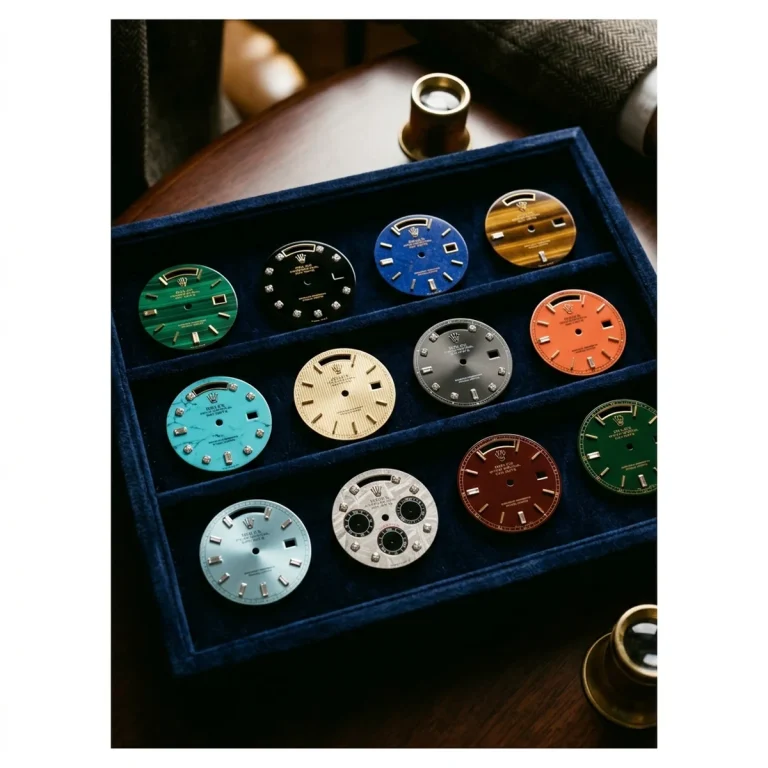
No. While certain steel sports models (like the Daytona, Submariner, and GMT-Master II) have historically held or increased their value, many two-tone, precious metal, or Datejust models depreciate from their retail price. Furthermore, the secondary market is volatile and prices can drop.
Is it ever a good idea to buy a watch as an investment?
Generally, no. Unless you have access to ultra-rare pieces at retail price, deep industry connections, and treat it as a full-time business rather than a passive investment, you are far more likely to lose money to depreciation, servicing, and selling fees.
Which watch brand loses the most value?
Brands that produce watches in massive quantities or rely heavily on marketing hype often see significant depreciation. Fashion watches and lower-tier luxury brands usually lose 50% or more of their value instantly. Always check secondary market prices (e.g., Chrono24) before buying retail to gauge a brand’s true market value.
What should I do if I want a luxury watch but don’t want to lose money?
The best strategy to avoid steep depreciation is to buy pre-owned. Let the original buyer take the initial 30-40% hit. By purchasing from a reputable grey market dealer or trusted seller, you can enjoy the watch and, if you decide to sell it later, likely recoup what you paid, minimizing your financial risk.
Get our latest guides, news, and insights highlighted in your Google Search & AI Overviews.