Enduring Quality: How Long Will a Mechanical Watch Last?
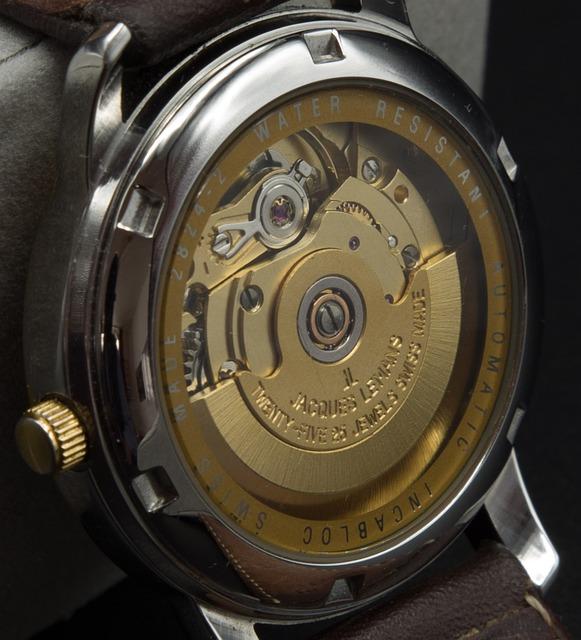
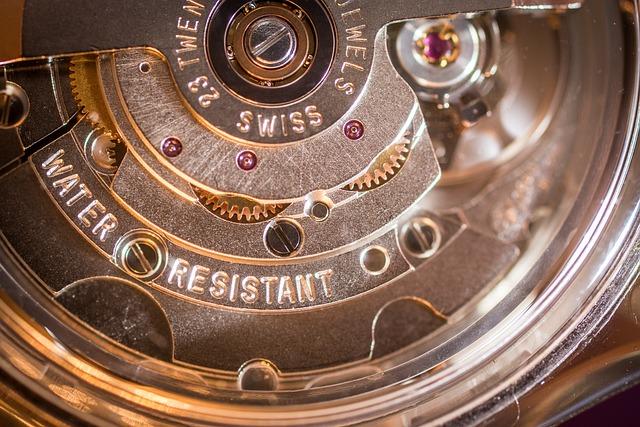
In a fast-paced, disposable world, the enduring quality of a mechanical watch is truly remarkable. With proper care and maintenance, these timepieces can last for generations, standing as a testament to precision craftsmanship and timeless style. But just how long can you expect a mechanical watch to last? Let’s explore the factors that contribute to the longevity of these impressive pieces of horological artistry.
Contents
- Introduction: Understanding the Lifespan of Mechanical Watches
- Craftsmanship and Durability: The Impact of Quality Materials
- Maintenance Matters: The Key to Extending the Life of Your Timepiece
- Movement Matters: Exploring Different Mechanical Watch Mechanisms
- Environmental Factors: How Your Lifestyle Can Affect Your Watch
- Expert Advice: Tips for Preserving the Integrity of Your Mechanical Watch
- Timeless Elegance: Investing in a Quality Timepiece for a Lifetime
- The Legacy of Mechanical Watches: Passing Down a Timeless Treasure
- The Conclusion
Introduction: Understanding the Lifespan of Mechanical Watches
Mechanical watches have been around for centuries, standing the test of time with their enduring quality and craftsmanship. Unlike their quartz counterparts, which are powered by batteries, mechanical watches are powered by a complex system of gears and springs that require regular maintenance to keep them running smoothly.
One of the key factors that contribute to the longevity of a mechanical watch is the quality of its movement. High-end mechanical watches are often hand-crafted by skilled artisans and are built to last for generations. With proper care and maintenance, a well-made mechanical watch can last a lifetime and be passed down as a cherished heirloom.
Regular servicing is essential to keeping a mechanical watch in top condition. Over time, the oils and lubricants in the watch can dry up, leading to increased wear and tear on the moving parts. By having your watch serviced every few years by a trained professional, you can ensure that it continues to function properly and retains its value for years to come.

Craftsmanship and Durability: The Impact of Quality Materials
When it comes to investing in a high-quality mechanical watch, one of the key factors to consider is the craftsmanship and durability of the materials used in its construction. Quality materials not only impact the aesthetic appeal of a timepiece but also contribute to its longevity and reliability.
One of the primary materials that influences the durability of a mechanical watch is the type of metal used for the case. Stainless steel, titanium, and precious metals such as gold and platinum are popular choices for their corrosion resistance and durability. These materials are not only robust but also provide a luxurious look and feel to the watch.
Furthermore, the quality of the movement components, such as the balance wheel, escapement, and mainspring, also plays a crucial role in determining the lifespan of a mechanical watch. High-grade materials, such as sapphire crystals for the dial and case back, can enhance the watch’s scratch resistance and overall durability.
Overall, a well-crafted mechanical watch made with quality materials can last a lifetime with proper care and servicing. From the case to the movement, every component contributes to the enduring quality and longevity of a mechanical watch, making it a timeless accessory that can be passed down through generations.

Maintenance Matters: The Key to Extending the Life of Your Timepiece
Regular maintenance is the key to ensuring the longevity of your mechanical timepiece. By taking proper care of your watch, you can significantly extend its lifespan and preserve its quality for years to come. Here are some maintenance tips to help you keep your watch in top condition:
- Regular Servicing: It is recommended to have your mechanical watch serviced every 3-5 years by a professional watchmaker. This will help to address any potential issues and keep your watch running smoothly.
- Keep it Clean: Clean your watch regularly with a soft cloth to remove any dirt or dust that may have accumulated. Avoid using harsh chemicals or abrasive materials that could damage the finish.
- Avoid Water Exposure: Mechanical watches are not designed to be water-resistant, so it is important to avoid exposing your watch to water or moisture. Be cautious when washing your hands or in rainy weather.
- Proper Storage: When not in use, store your watch in a cool, dry place away from direct sunlight and extreme temperatures. Consider investing in a watch box or pouch to protect your watch from scratches and damage.

Movement Matters: Exploring Different Mechanical Watch Mechanisms
When it comes to mechanical watch mechanisms, the durability and longevity of these timepieces is often a topic of interest for watch enthusiasts. The question of how long a mechanical watch will last is a common one, especially considering the intricate and delicate nature of these devices.
One key factor that contributes to the longevity of a mechanical watch is the quality of the materials used in its construction. Watches made with high-quality components, such as stainless steel cases and sapphire crystals, are more likely to stand the test of time compared to those made with cheaper materials.
In addition to the quality of materials, proper maintenance and care are essential for ensuring the longevity of a mechanical watch. Regular servicing by a qualified watchmaker, keeping the watch away from extreme temperatures and moisture, and avoiding unnecessary shocks or impacts are all ways to help prolong the lifespan of a mechanical timepiece.
Ultimately, the lifespan of a mechanical watch can vary depending on how well it is made and cared for. With proper maintenance and care, a high-quality mechanical watch can last for generations, becoming a cherished heirloom that can be passed down from one generation to the next.
Environmental Factors: How Your Lifestyle Can Affect Your Watch
When it comes to the longevity of your mechanical watch, there are several environmental factors to consider. Your lifestyle plays a significant role in how well your watch will hold up over time. Understanding these factors can help you ensure the enduring quality of your timepiece.
**Temperature:** Extreme temperatures can have a negative impact on the performance of your watch. High heat can cause lubricants to evaporate and parts to expand, leading to potential damage. Conversely, extreme cold can cause oils to thicken, affecting the movement of the watch. It’s important to store your watch in a moderate temperature environment to prolong its lifespan.
**Humidity:** Moisture is another factor that can affect the longevity of your watch. High levels of humidity can lead to rust and corrosion of the internal components. To protect your watch, store it in a dry environment and avoid exposing it to water for extended periods of time.
**Physical Activity:** Your level of physical activity can also impact the lifespan of your watch. If you lead an active lifestyle and frequently engage in activities that subject your watch to vibrations and shocks, it is important to choose a watch that is designed to withstand these conditions. Look for watches with shock-resistant features to ensure durability.

Expert Advice: Tips for Preserving the Integrity of Your Mechanical Watch
When it comes to the longevity of a mechanical watch, the quality of the craftsmanship and the care taken in preserving its integrity play crucial roles. With proper maintenance and attention to detail, a high-quality mechanical watch has the potential to last for generations. Here are some expert tips to help you preserve the integrity of your mechanical watch:
- Regular Servicing: Ensure your watch is serviced by a professional watchmaker every 3-5 years to keep it running smoothly and prevent any potential damage.
- Avoid Magnets: Keep your watch away from magnets as they can disrupt the movement and accuracy of the watch.
- Store Properly: When not in use, store your watch in a watch box or pouch to protect it from dust, moisture, and impact.
- Handle with Care: Avoid exposing your watch to extreme temperatures, shocks, and chemicals that can damage the movement and external parts of the watch.
| Brand | Estimated Lifespan |
|---|---|
| Rolex | 100 years |
| Patek Philippe | 200 years |

Timeless Elegance: Investing in a Quality Timepiece for a Lifetime
When it comes to investing in a quality timepiece, a mechanical watch is a timeless choice that can last for a lifetime. Unlike quartz watches that rely on batteries and electronic components, mechanical watches are powered by intricate mechanisms that are crafted with precision and expertise. This meticulous craftsmanship not only adds to the beauty of the watch but also contributes to its durability and longevity.
With proper care and regular maintenance, a mechanical watch can last for generations, becoming a cherished family heirloom that tells the story of time. The quality of materials used in a mechanical watch, such as stainless steel, sapphire crystal, and genuine leather straps, ensures that it can withstand the test of time and remain a symbol of classic elegance.
One of the key factors that determine the longevity of a mechanical watch is the quality of its movement. High-quality movements, such as those made by Swiss manufacturers like Rolex, Omega, and Patek Philippe, are known for their precision and reliability. These movements are built to exacting standards, with intricate gears and wheels that work together seamlessly to keep time accurately for years to come.
Whether you choose a sleek and modern design or a vintage-inspired piece, investing in a quality mechanical watch is a decision that will not only enhance your style but also stand the test of time. With its enduring quality and timeless elegance, a mechanical watch is truly a worthy investment for those who appreciate craftsmanship and tradition.

The Legacy of Mechanical Watches: Passing Down a Timeless Treasure
Mechanical watches are not just timepieces; they are crafted pieces of art that embody precision, tradition, and quality. Passed down through generations, these timeless treasures hold sentimental value and represent a link to the past. With proper care and maintenance, a mechanical watch can last a lifetime and beyond, becoming a cherished heirloom for future generations to enjoy.
Unlike quartz watches that rely on batteries and electronic components, mechanical watches are powered by intricate mechanical movements that are built to stand the test of time. The durability and craftsmanship of mechanical watches make them highly resilient to wear and tear, ensuring longevity and reliability. With regular servicing and care, a high-quality mechanical watch can last for decades, if not centuries.
Factors such as the brand, quality of materials, and level of craftsmanship play a significant role in determining the lifespan of a mechanical watch. Luxury watch brands often use premium materials such as stainless steel, gold, and sapphire crystal, which contribute to the longevity and durability of the timepiece. Additionally, regular maintenance and servicing by trained professionals can prolong the life of a mechanical watch and ensure its continued accuracy and functionality.
Ultimately, the enduring quality of a mechanical watch lies in its timeless design, precision engineering, and rich heritage. As a symbol of tradition and craftsmanship, a mechanical watch transcends time and trends, making it a valuable investment that can be passed down through generations as a cherished family heirloom.
The Conclusion
In conclusion, the enduring quality of a mechanical watch is largely dependent on how well it is cared for and maintained. With proper maintenance, a high-quality mechanical watch can last for generations. Regular servicing, storing in a safe environment, and handling with care are key factors in ensuring the longevity of your timepiece. Remember, a mechanical watch is a delicate and intricate piece of machinery that deserves attention and care to last a lifetime. So, with the right maintenance, your mechanical watch can become a cherished heirloom that can be passed down to future generations. Thank you for reading, and we hope you now have a better understanding of how long a mechanical watch can last.
Get our latest guides, news, and insights highlighted in your Google Search & AI Overviews.