How a Mechanical Watch Works: Insights from Hodinkee
Have you ever wondered about the intricate craftsmanship behind a mechanical watch? In this article, we delve into the inner workings of these timepieces with insights from Hodinkee. Get ready to unravel the fascinating mechanisms that power these classic accessories and understand why they have stood the test of time.
Contents
- Introduction to Mechanical Watches
- Understanding the Components of a Mechanical Watch
- The Art of Watchmaking: From Hand Assembly to Precision Calibration
- Exploring Different Types of Movements in Mechanical Watches
- The Role of Jewels in Mechanical Watches: Functionality and Durability
- Mechanical Watch Accuracy: Factors Influencing Timekeeping
- Maintenance Tips for Keeping Your Mechanical Watch in Optimal Condition
- Recommended Mechanical Watches for Beginners: Quality and Affordability
- Advanced Features to Look for in High-End Mechanical Watches
- The Future of Mechanical Watches: Innovation and Tradition in Harmony
- Insights and Conclusions
Introduction to Mechanical Watches
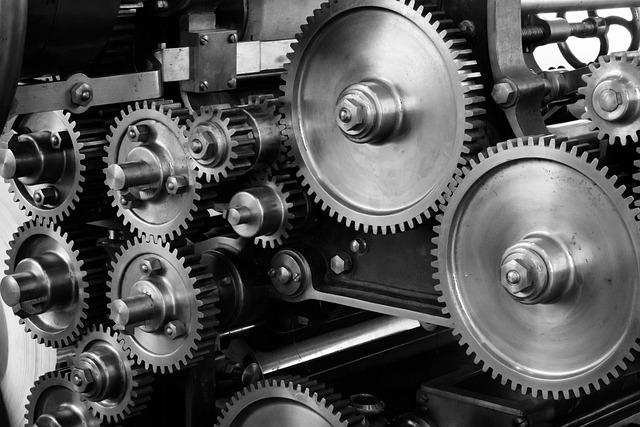
Have you ever wondered what makes mechanical watches tick? Dive into the intricate world of mechanical timepieces with insights from Hodinkee. A mechanical watch is a marvel of engineering, relying on a complex series of gears, springs, and components to accurately measure time. Unlike quartz watches, which are powered by a battery, mechanical watches are powered by the energy stored in a wound spring.
One of the key components of a mechanical watch is the escapement, which regulates the release of energy from the mainspring to the gear train. This precise mechanism ensures that the watch keeps accurate time. The gear train then transmits the energy from the mainspring to the hands of the watch, allowing them to move in sync to display the hours, minutes, and seconds.
For watch enthusiasts, the craftsmanship and artistry of mechanical watches are a major draw. From hand-finishing on the movement to intricate complications like tourbillons and chronographs, each mechanical watch is a work of art that represents the skill and dedication of the watchmaker. Whether you’re a novice or a seasoned collector, understanding how a mechanical watch works adds a new layer of appreciation for these timeless timepieces.
Understanding the Components of a Mechanical Watch
When it comes to the intricate world of mechanical watches, there are several key components that work together to keep time ticking accurately. Let’s delve into the inner workings of these fascinating timepieces:
- Movement: Also known as the caliber, the movement is the engine of the watch that drives its timekeeping functions. There are two main types of movements: manual and automatic.
- Escapement: This essential component regulates the release of energy from the mainspring to the gear train, ensuring that the watch ticks at a consistent rate.
- Balance wheel: Acting as the heart of the watch’s timekeeping mechanism, the balance wheel oscillates back and forth, dividing time into equal parts.
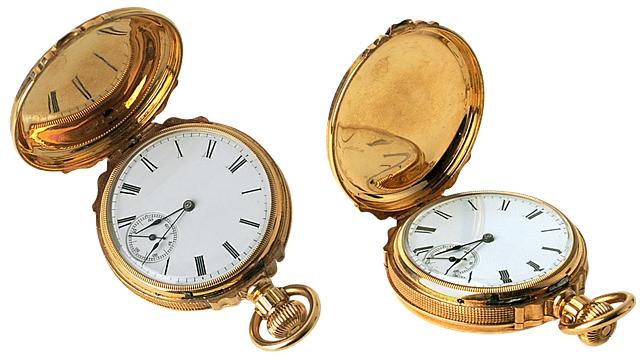
- Dial: The face of the watch where the time is displayed, often featuring hour markers, hands, and sometimes additional complications.
By understanding these key components, you can gain a greater appreciation for the intricate craftsmanship and engineering that go into creating each mechanical watch. From the intricate movement to the elegant dial, every part plays a vital role in keeping time with precision and style.

The Art of Watchmaking: From Hand Assembly to Precision Calibration
When it comes to the intricate world of watchmaking, there is a fascinating blend of artistry and precision that goes into creating a mechanical watch. At Hodinkee, we delve into the inner workings of these timepieces to uncover the secrets behind their craftsmanship.
Hand assembly is a crucial step in the creation of a mechanical watch. Skilled watchmakers meticulously put together each component, ensuring that every gear, spring, and jewel is in its rightful place. This hands-on approach adds a personal touch to the watch, making it a true work of art.
Once the watch is assembled, the next step is precision calibration. This involves fine-tuning the movement to ensure that it keeps accurate time. Watchmakers adjust the balance wheel, escapement, and other components to achieve optimal performance. It’s a delicate process that requires expertise and attention to detail.
Ultimately, the art of watchmaking is a blend of tradition, craftsmanship, and technology. From hand assembly to precision calibration, each step in the process contributes to the creation of a mechanical watch that stands the test of time.

Exploring Different Types of Movements in Mechanical Watches
In the world of mechanical watches, there are various types of movements that power these timepieces. Understanding the inner workings of these movements can give you a deeper appreciation for the craftsmanship and technology that goes into creating a mechanical watch.
One type of movement commonly found in mechanical watches is the automatic movement. This type of movement relies on the natural motion of the wearer’s wrist to keep the watch running. As the wearer moves their wrist throughout the day, this movement winds the mainspring in the watch, storing energy that powers the timekeeping mechanism.
Another type of movement is the manual-winding movement, where the wearer must manually wind the watch by turning the crown. This type of movement requires more interaction from the wearer but has a charm and authenticity that many watch enthusiasts appreciate.
There are also more specialized movements, such as tourbillon movements, which are designed to counteract the effects of gravity on the watch’s timekeeping accuracy. These movements are highly sought after for their technical complexity and precision. Whether you prefer the simplicity of a manual-winding movement or the technical prowess of a tourbillon, there is a type of movement out there to suit every watch lover’s preferences.
The Role of Jewels in Mechanical Watches: Functionality and Durability
Jewels play a crucial role in ensuring the functionality and durability of mechanical watches. These small synthetic rubies are strategically placed within the movement to reduce friction and wear between moving parts. By acting as bearings for the gears, jewels help to maintain the accuracy and longevity of the timepiece.
One key function of jewels in a mechanical watch is to minimize the friction that occurs as gears interact with one another. This reduction in friction not only increases the efficiency of the movement but also prevents wear and tear on the components. As a result, the watch can continue to operate smoothly and accurately over time.
Furthermore, jewels contribute to the overall durability of a mechanical watch. Their hardness and resistance to wear make them ideal for withstanding the constant motion and pressure within the movement. This helps to extend the lifespan of the watch and reduce the need for frequent maintenance or repairs.
| Jewel | Function |
|---|---|
| Ruby | Reduce friction |
| Durability | Minimize wear and tear |

Mechanical Watch Accuracy: Factors Influencing Timekeeping
One of the most fascinating aspects of mechanical watches is their intricate design and precision timekeeping. In order to understand how a mechanical watch achieves such accuracy, it’s important to consider the various factors that influence its timekeeping capabilities. Here are some insights from Hodinkee:
- Movement Type: The type of movement used in a mechanical watch can have a significant impact on its accuracy. For example, a movement with a higher frequency is generally more accurate than one with a lower frequency.
- Lubrication: Proper lubrication of the watch’s moving parts is crucial for maintaining accurate timekeeping. Without adequate lubrication, friction can occur, leading to inaccuracies in timekeeping.
- Temperature: Temperature fluctuations can also affect the accuracy of a mechanical watch. Extreme heat or cold can cause the components of the watch to expand or contract, resulting in timing variations.
- Position: The position in which a mechanical watch is placed can influence its timekeeping. For example, a watch may run slightly faster or slower when placed in different positions, such as dial up, crown up, or crown down.

Maintenance Tips for Keeping Your Mechanical Watch in Optimal Condition
When it comes to maintaining your mechanical watch in optimal condition, there are a few key tips to keep in mind. By following these maintenance tips, you can ensure that your timepiece remains in top shape for years to come.
- Regularly wind your watch: Mechanical watches require winding to keep them running accurately. Make sure to wind your watch regularly to prevent it from stopping.
- Keep your watch clean: Dust, dirt, and moisture can all affect the performance of your mechanical watch. Clean your watch regularly with a soft, dry cloth to prevent build-up.
- Avoid extreme temperatures: Extreme temperatures can damage the delicate inner workings of your watch. Store your watch in a cool, dry place away from direct sunlight and extreme heat or cold.
By following these simple maintenance tips, you can keep your mechanical watch in optimal condition and enjoy its precision and beauty for years to come.

Recommended Mechanical Watches for Beginners: Quality and Affordability
When it comes to choosing a mechanical watch as a beginner, finding the right balance between quality and affordability is key. Luckily, there are plenty of options out there that offer both without compromising on style or functionality. Whether you’re looking for a classic design or a more modern aesthetic, there’s a mechanical watch out there that’s perfect for you.
One popular option for beginners is the Seiko 5 series, known for its reliability and value for money. With features like automatic movement and a day-date complication, the Seiko 5 offers a great introduction to mechanical watches without breaking the bank. Another top contender is the Orient Bambino, a stylish dress watch that combines classic aesthetics with high-quality construction.
For those looking for something a bit more rugged, the Hamilton Khaki Field Mechanical is a great choice. With a durable stainless steel case and a reliable manual-winding movement, the Khaki Field is perfect for everyday wear. And if you’re in the market for a diver’s watch, the Seiko SKX007 is a fan favorite with its iconic design and impressive water resistance.
| Brand | Model | Price |
|---|---|---|
| Seiko | Seiko 5 | $150 |
| Orient | Orient Bambino | $200 |
| Hamilton | Khaki Field Mechanical | $400 |
| Seiko | SKX007 | $250 |
Overall, when it comes to getting started with mechanical watches, there are plenty of options to choose from that offer both quality and affordability. Whether you’re a fan of classic designs or more modern styles, there’s a mechanical watch out there that’s perfect for your wrist.
Advanced Features to Look for in High-End Mechanical Watches
When investing in a high-end mechanical watch, there are several advanced features that you should look out for to ensure you’re getting the best timepiece possible. These features not only add to the functionality of the watch but also enhance its overall value and appeal. Here are some key features to consider:
- Power Reserve Indicator: A power reserve indicator allows you to see how much power is left in your watch’s mainspring, ensuring that it stays running smoothly.
- Chronograph Function: A chronograph function adds a stopwatch feature to your watch, allowing you to time events with precision.
- Moon Phase Complications: Moon phase complications display the current phase of the moon, adding a touch of elegance and sophistication to your watch.
- Perpetual Calendar: A perpetual calendar automatically adjusts for differing month lengths and leap years, ensuring that your watch always displays the correct date.
These advanced features not only showcase the craftsmanship and complexity of mechanical watches but also add practical functionalities that can enhance your overall experience with your timepiece.

The Future of Mechanical Watches: Innovation and Tradition in Harmony
When discussing the future of mechanical watches, the key lies in finding the perfect balance between innovation and tradition. The timeless appeal of mechanical watches lies in their intricate craftsmanship and attention to detail, which has been passed down through generations. However, with advancements in technology and design, the industry is constantly evolving to meet the demands of modern consumers.
One of the most fascinating aspects of mechanical watches is how they operate. Unlike quartz watches that rely on batteries, mechanical watches are powered by a complex series of gears, springs, and levers. Each component plays a crucial role in keeping time accurately and efficiently, creating a mesmerizing display of precision engineering.
According to Hodinkee, a renowned authority in the watch industry, the inner workings of a mechanical watch are a true marvel to behold. From the mainspring that stores energy to the escapement that regulates the release of power, every part of a mechanical watch serves a purpose in ensuring its functionality. With a rich history dating back centuries, mechanical watches continue to captivate enthusiasts with their unique blend of innovation and tradition.
Insights and Conclusions
In conclusion, understanding how a mechanical watch works can provide valuable insights into the intricate craftsmanship and engineering behind these timekeeping devices. As highlighted by Hodinkee, the intricate balance between various components such as the escapement, gear train, and mainspring is what ultimately allows a mechanical watch to accurately keep time. By learning about these inner workings, watch enthusiasts can develop a deeper appreciation for the artistry and precision that goes into crafting each timepiece. Remember, a mechanical watch is not just a tool for telling time, but a work of art that embodies centuries of horological innovation.
Get our latest guides, news, and insights highlighted in your Google Search & AI Overviews.