Essential Gear: What Is Mechanical Watches?
Welcome to our guide on essential gear: mechanical watches. In a world dominated by digital technology, mechanical watches offer a timeless appeal that combines craftsmanship and functionality. Whether you’re a seasoned watch collector or just starting to explore the world of horology, understanding the intricacies of mechanical watches can enhance your appreciation for this classic timepiece. Join us as we delve into the mechanics behind these elegant timepieces and discover the artistry that makes them so special.
Contents
- Introduction: Understanding the Basics of Mechanical Watches
- The Intricate Mechanics Behind Mechanical Watches
- Benefits of Owning a Mechanical Watch
- Types of Mechanical Movements: Hand-wound vs. Automatic
- Choosing the Right Mechanical Watch for You
- Maintenance and Care Tips for Mechanical Watches
- Investing in Quality: Brands and Features to Look For
- Why Mechanical Watches Stand the Test of Time
- Common Misconceptions About Mechanical Watches
- The Conclusion
Introduction: Understanding the Basics of Mechanical Watches
When it comes to timepieces, mechanical watches are a classic choice that offer a unique blend of craftsmanship and functionality. These watches are powered by a complex system of gears, springs, and movements, rather than relying on a battery like quartz watches. Understanding the basics of mechanical watches can help you appreciate their precision engineering and timeless appeal.
Here are some key points to consider:
- **Precision Movement:** Mechanical watches utilize intricate mechanisms to keep accurate time, typically through the use of a balance wheel and escapement.
- **Hand-Wound vs. Automatic:** Mechanical watches can be hand-wound by turning the crown or automatic, where the movement of the wearer’s wrist winds the watch.
- **Longevity:** Quality mechanical watches are built to last a lifetime with proper care and maintenance, making them a durable investment.
Whether you’re a watch enthusiast or simply looking for a stylish accessory that stands the test of time, understanding the basics of mechanical watches is essential. Stay tuned for more in-depth information on how these intricate timepieces work and why they continue to be a beloved choice for many.

The Intricate Mechanics Behind Mechanical Watches
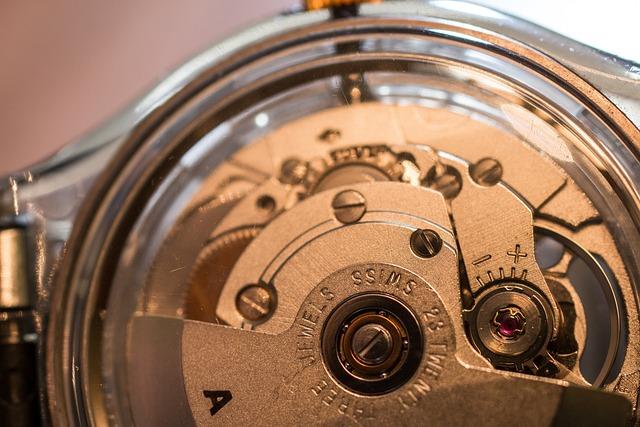
Mechanical watches are a marvel of engineering, precision, and craftsmanship. These timepieces are powered by intricate mechanical movements, which rely on a series of gears, springs, and other components to keep time accurately. Unlike quartz watches, which are powered by batteries, mechanical watches are powered by winding the mainspring either manually or automatically through the movement of the wearer’s wrist. Here are some key components that make up :
- 1. **Mainspring**: The mainspring is the source of power in a mechanical watch. It stores energy when wound and releases it slowly to power the watch’s movement.
- 2. **Escapement**: The escapement is a mechanism that regulates the release of energy from the mainspring and controls the movement of the gears to keep accurate time.
- 3. **Gear Train**: The gear train is a series of gears that transmit power from the mainspring to the hands of the watch, creating the movement of the watch’s timekeeping mechanism.
- 4. **Balance Wheel**: The balance wheel oscillates back and forth, regulated by the escapement, to control the rate at which the gears turn and maintain the accuracy of the watch.
Overall, are a testament to the artistry and precision that go into creating these timepieces. From the intricate movements to the delicately crafted components, every detail plays a crucial role in ensuring that a mechanical watch keeps accurate time for years to come.

Benefits of Owning a Mechanical Watch
There are numerous benefits to owning a mechanical watch that go beyond simply telling time. Here are a few key advantages:
- Craftsmanship: Mechanical watches are meticulously crafted by skilled artisans, resulting in a high-quality timepiece that can last a lifetime.
- Durability: Unlike quartz watches, mechanical watches do not rely on batteries, making them more durable and reliable in the long run.
- Precision: Mechanical watches are known for their precision and accuracy, making them the preferred choice for many watch enthusiasts.
- Aesthetic appeal: Mechanical watches often feature intricate designs and detailing, adding a touch of elegance and sophistication to any outfit.

Types of Mechanical Movements: Hand-wound vs. Automatic
When it comes to mechanical watches, a key distinction to understand is the type of movement they have. There are two main types of mechanical movements: hand-wound and automatic. Each type has its own unique characteristics and appeals to different preferences.
Hand-wound watches:
- Require manual winding by turning the crown regularly.
- Traditionally associated with classic timepieces.
- Offer a more traditional and interactive experience for watch enthusiasts.
- Tend to be slimmer and have a more elegant design due to the absence of a winding rotor.
Automatic watches:
- Feature a rotor that winds the watch automatically as the wearer moves their wrist.
- Offer convenience for those who don’t want to manually wind their watch every day.
- Can be more practical for everyday wear due to the self-winding mechanism.
- Resonate with those who appreciate the blend of traditional craftsmanship and modern technology.

Choosing the Right Mechanical Watch for You
When it comes to , there are a few key factors to consider.
- Style: Think about your personal style and what type of watch would best complement it.
- Functionality: Consider what features are important to you, such as a date display or a chronograph.
- Brand: Research different watch brands to find one that is reputable and offers high-quality timepieces.
- Budget: Set a budget for your watch purchase and stick to it to avoid overspending.
By taking these factors into account, you can find the perfect mechanical watch that suits both your style and needs.

Maintenance and Care Tips for Mechanical Watches
Maintaining and caring for mechanical watches is essential to ensure their longevity and accuracy. Here are some tips to keep your timepiece in top condition:
- Regularly wind your watch if it is a manual mechanical watch to keep it running smoothly
- Get your watch serviced by a professional every 3-5 years to prevent any potential issues
- Avoid exposing your watch to extreme temperatures or magnetic fields, as this can affect its performance
- Store your watch in a watch box or case when not in use to protect it from dust, moisture, and impact

Investing in Quality: Brands and Features to Look For
When it comes to investing in quality watches, mechanical watches are a classic choice that never goes out of style. These timepieces are powered by intricate mechanisms that require expert craftsmanship to design and maintain. If you’re considering adding a mechanical watch to your collection, here are some brands and features to look for:
- Swiss Made: Look for watches that are made in Switzerland, known for their high-quality precision and craftsmanship.
- Automatic Movement: Choose a watch with an automatic movement for a convenient self-winding feature that eliminates the need for battery replacements.
- Sapphire Crystal: Opt for a watch with a sapphire crystal for durability and scratch resistance.
- Water Resistance: Consider a watch with water resistance for added protection against daily wear and tear.
| Brand | Features |
|---|---|
| Rolex | Iconic design, exceptional quality |
| Omega | Timeless style, innovative technology |
| Patek Philippe | Luxurious craftsmanship, investment-worthy |
Investing in a quality mechanical watch is not just about telling time – it’s about owning a piece of artistry and history that can be passed down for generations. With the right brand and features, you can find a watch that suits your style and stands the test of time.

Why Mechanical Watches Stand the Test of Time
When it comes to timepieces, mechanical watches have continued to stand the test of time for centuries. These intricate pieces of engineering are highly regarded for their craftsmanship, durability, and timeless appeal.
One of the key reasons why mechanical watches are so highly prized is their intricate mechanism. Unlike quartz watches that rely on batteries, mechanical watches are powered by a complex system of gears, springs, and escapements. This craftsmanship not only adds to the watch’s aesthetic appeal but also ensures its longevity.
Furthermore, mechanical watches are known for their precision and accuracy. While quartz watches are often more accurate in the short term, mechanical watches are carefully calibrated to maintain accurate timekeeping over the long term.
In addition, mechanical watches have a certain charm and character that sets them apart from their digital counterparts. The artistry and craftsmanship that go into creating a mechanical watch make each piece unique and highly sought after by collectors and enthusiasts alike.

Common Misconceptions About Mechanical Watches
There are several that are worth clarifying. One of the most prevalent myths is that mechanical watches are outdated and inferior to quartz watches. In reality, mechanical watches are a timeless classic that offer craftsmanship and artistry that quartz watches simply cannot replicate.
Another misconception is that mechanical watches are delicate and require constant maintenance. While it is true that mechanical watches do require periodic servicing, they are actually quite durable and can last for generations if properly cared for. In fact, many collectors prize mechanical watches for their longevity and ability to be passed down as heirlooms.
Some people believe that all mechanical watches are prohibitively expensive, but there are actually many affordable options available on the market. While luxury brands may command high prices, there are also plenty of mid-range and entry-level mechanical watches that offer excellent value for the quality and craftsmanship they provide.
Lastly, there is a misconception that mechanical watches are difficult to use and require manual winding. While some mechanical watches do require manual winding, many modern mechanical watches feature automatic movements that wind themselves with the motion of the wearer’s wrist. This makes them convenient to use on a daily basis without the need for constant winding.
The Conclusion
In conclusion, mechanical watches are a timeless piece of craftsmanship that require no battery and showcase intricate movements. They are a symbol of tradition and precision, appealing to those who appreciate the art of horology. Investing in a mechanical watch can be a rewarding experience, as they are not only functional but also hold sentimental value as heirlooms. Whether you are a watch enthusiast or a beginner looking to expand your collection, a mechanical watch is an essential piece of gear that is sure to stand the test of time. So, go ahead and make a statement with a mechanical watch on your wrist.
Get our latest guides, news, and insights highlighted in your Google Search & AI Overviews.