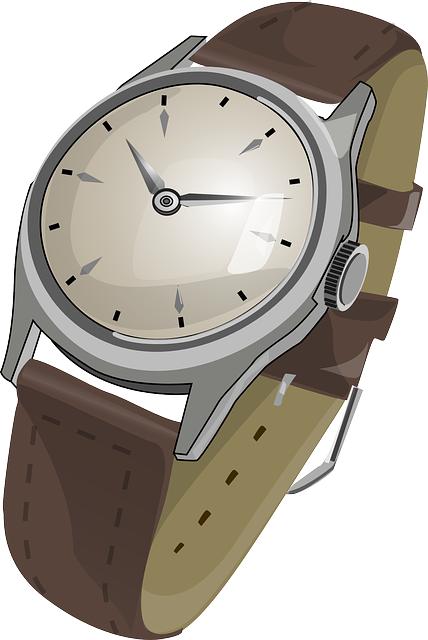
Examining Examples: A Mechanical Watch is an Example of This
In a world dominated by modern technology and sleek gadgets, there’s something captivating about the intricate craftsmanship of a mechanical watch. From its delicate gears ticking harmoniously to its timeless design, a mechanical watch stands as a shining example of both art and engineering. In this article, we will delve into the enchanting world of mechanical watches, examining their remarkable history, inner workings, and the enduring appeal that leaves even the most tech-savvy among us in awe. So, sit back and prepare to explore this extraordinary example of timeless elegance, as we unravel the secrets behind every tick and tock.
Contents
– Examining the key components that make a mechanical watch tick
A mechanical watch is a marvel of engineering, with intricacies and components that work together to keep precise time. Let’s dive deeper into the key components that make a mechanical watch tick:
The Main Spring: At the heart of a mechanical watch lies the main spring, a coiled band of metal that stores the potential energy required to power the watch. As the main spring unwinds, it releases this energy, which is then transferred through a series of gears and levers.
Gears and Escapement: To regulate the flow of energy from the main spring, a watch utilizes a set of gears and an escapement mechanism. These components work together to convert the rotational energy from the main spring into a consistent, back-and-forth motion. The escapement mechanism also ensures that the watch’s hands move forward at a regular pace.
Balance Wheel: The balance wheel is a crucial component that oscillates back and forth, acting as the watch’s timekeeping element. This wheel, along with the hairspring, creates the familiar ticking sound of a mechanical watch. The balance wheel’s movement is meticulously calibrated to maintain accurate timekeeping.
- Jewels: To reduce friction and wear between moving parts, mechanical watches often incorporate synthetic jewels. These tiny gems, typically made of rubies or sapphires, are precisely positioned in strategic areas of the movement to act as bearings. By minimizing friction, the jewels not only increase the watch’s longevity but also enhance its reliability and accuracy.
In conclusion, a mechanical watch serves as both a functional timekeeping device and a testament to exceptional craftsmanship. Its key components, such as the main spring, gears and escapement, balance wheel, and jewels, work harmoniously to create a piece of art that stands the test of time. So, next time you glance at your mechanical watch, appreciate the intricate mechanisms that lie beneath its surface, allowing it to tick with precision and style.

– Exploring the timeless appeal of mechanical watches
Mechanical watches have a timeless appeal that continues to capture the hearts of watch enthusiasts and collectors around the world. These intricate timepieces have been cherished for centuries, embodying craftsmanship, precision, and an undeniable charm that sets them apart from their electronic counterparts.
One of the key aspects that makes mechanical watches so appealing is their intricate mechanics. Every mechanical watch is a masterpiece of engineering, comprising of hundreds of tiny parts working together in perfect harmony. From the mainspring that powers the watch to the escapement that controls the flow of energy, each component is meticulously crafted and assembled by skilled watchmakers.
Unlike electronic watches that rely on batteries, mechanical watches derive their power from the movement of the wearer’s wrist. This connection to the wearer creates a unique bond and sense of appreciation for the watch. Witnessing the delicate balance of gears and springs spinning and rotating with every movement of the wrist enhances the overall experience of owning a mechanical watch.
Another factor contributing to the timeless appeal of mechanical watches is their longevity. With proper care and regular servicing, a mechanical watch can last for generations, becoming an heirloom to be cherished and passed down through the family. The mechanical nature of these watches allows for the possibility of repairs and adjustments, ensuring that they can be restored and remain functional for years to come.
In addition to their functional appeal, mechanical watches also serve as a form of self-expression and personal style. With a wide range of designs, materials, and complications to choose from, individuals can find a mechanical watch that reflects their personality and taste. Whether it’s a sleek dress watch for formal occasions or a robust diver’s watch for outdoor adventures, the versatility of mechanical watches allows for endless possibilities.
In conclusion, the timeless appeal of mechanical watches lies in their intricate mechanics, connection to the wearer, longevity, and ability to express personal style. These timepieces continue to captivate enthusiasts with their craftsmanship, precision, and undeniable charm. From the detailed movements to the wide range of design options available, mechanical watches truly exemplify the enduring allure of traditional watchmaking.
– Choosing the right mechanical watch for your personal style and needs
When it comes to choosing the right mechanical watch, there are several factors to consider – your personal style and needs being the most important. A mechanical watch is not just a time-telling device; it is also a reflection of your personality and taste. Whether you’re looking for a classic, vintage-inspired piece, a sporty, rugged watch, or something more contemporary and sleek, there is a mechanical watch out there that’s perfect for you.
<p>

    One of the first things to consider is the design of the watch. Mechanical watches come in a wide variety of styles, from the minimalist and understated to the bold and intricate. Consider your own fashion sense and the occasions you'll be wearing the watch for. If you prefer a more formal and elegant style, a dress watch with a simple and clean dial, paired with a leather strap, might be the way to go. On the other hand, if you lead an active lifestyle or enjoy outdoor activities, a sport watch with a durable stainless steel bracelet and water resistance could be a better choice.

</p>

<p>

    Another important factor to consider is the movement of the watch. Mechanical watches are powered by a complex system of gears and springs, and the movement type can greatly affect the watch's accuracy, durability, and overall performance. There are two main types of mechanical movements: manual-winding and automatic. Manual-winding watches require you to manually wind the watch every day to keep it running, whereas automatic watches utilize the movement of your wrist to self-wind. Both have their advantages and disadvantages, so it's important to choose a movement that suits your lifestyle and preferences.

</p>

<ul>

    <li>Consider your personal style and the occasions you'll be wearing the watch for.</li>

    <li>Choose a watch design that reflects your personality and taste.</li>

    <li>Consider the movement type and its impact on accuracy and functionality.</li>

    <li>Take into account your lifestyle and preferences when selecting a mechanical watch.</li>

</ul>

<table class="wp-block-table">

    <thead>

        <tr>

            <th>Watch Type</th>

            <th>Advantages</th>

            <th>Disadvantages</th>

        </tr>

    </thead>

    <tbody>

        <tr>

            <td>Dress Watch</td>

            <td>Elegant and sophisticated design.</td>

            <td>May not be suitable for active lifestyles.</td>

        </tr>

        <tr>

            <td>Sport Watch</td>

            <td>Durable and water-resistant.</td>

            <td>Can be bulky and less formal in appearance.</td>

        </tr>

        <tr>

            <td>Manual-winding Movement</td>

            <td>Requires a personal connection and interaction with the watch.</td>

            <td>Needs daily winding and can be less accurate.</td>

        </tr>

        <tr>

            <td>Automatic Movement</td>

            <td>Convenient and self-winding with regular wear.</td>

            <td>May require additional servicing and can be pricier.</td>

        </tr>

    </tbody>

</table>

<p>

    In the end, choosing the right mechanical watch comes down to your personal preferences and lifestyle. Take your time to explore different options and find the watch that not only suits your style but also meets your needs in terms of functionality and reliability. A mechanical watch is not just a timepiece; it's a statement, an investment, and a beautiful piece of craftsmanship that can be passed down through generations. So embrace the world of mechanical watches and find the one that truly speaks to you.

</p>
– Debunking common myths about mechanical watches
When it comes to mechanical watches, there are many common myths floating around that can lead to some misconceptions about these timepieces. In this post, we will debunk some of the most prevalent myths and set the record straight.
MYTH: Mechanical watches are not accurate. This is a misconception that often arises from the fact that mechanical watches rely on a series of components working together to keep time. However, with advancements in technology and craftsmanship, mechanical watches can be just as accurate as their quartz counterparts. Many high-end mechanical watches undergo rigorous testing and adjustment to ensure their precision.
MYTH: Mechanical watches are delicate and fragile. While it is true that mechanical watches require some care and maintenance, they are not as fragile as some might think. These timepieces are built to withstand everyday wear and tear, and with regular servicing, can last for generations. The intricate movements and finely crafted components are designed to work seamlessly together, providing durability and longevity.
In Retrospect
In conclusion, examining examples of mechanical watches has allowed us to gain a deeper understanding of this fascinating timekeeping device. Throughout this article, we explored the intricate inner workings of a mechanical watch, highlighting its key components and functions. We also delved into the craftsmanship involved in creating these timepieces, showcasing the skill and precision required.
One of the main takeaways from this discussion is the remarkable durability of mechanical watches. Unlike their quartz counterparts, which rely on batteries, mechanical watches can last for generations with proper care and maintenance. This enduring nature is a testament to the exceptional engineering put into every mechanical timepiece.
Furthermore, the aesthetic appeal of mechanical watches cannot be ignored. From their intricate dials to the mesmerizing movement of their hands, these watches are not just functional but also beautiful objects of art. They have the power to elevate a simple outfit and become a statement piece on the wrist.
Finally, the historical significance of mechanical watches cannot be understated. They embody a long tradition of timekeeping and watchmaking craftsmanship that dates back centuries. Owning a mechanical watch means being part of a legacy that transcends time and connects us to the past.
Overall, examining the examples of mechanical watches has provided us with an appreciation for the complexities and timeless allure of these timepieces. Whether you are a watch enthusiast or simply intrigued by the harmony of art and engineering, a mechanical watch is a prime example of human ingenuity and the pursuit of perfection.
Get our latest guides, news, and insights highlighted in your Google Search & AI Overviews.