Precision Matters: Are Quartz Watches More Accurate Than Mechanical?
Welcome to the fascinating world of horology, where precision truly matters. In this article, we will dive into the age-old debate: are quartz watches more accurate than their mechanical counterparts? From the intricate inner workings to the relentless pursuit of accurate timekeeping, we aim to provide a comprehensive overview of these two distinct mechanisms. So, strap on your watch and embark on this enlightening journey to uncover the truth about precision in timekeeping.
Contents
- Precision Matters: Are Quartz Watches More Accurate Than Mechanical?
- Introduction: Understanding the Fundamental Differences
- Breaking Down Accuracy: Measuring Precision in Quartz Watches
- Precision Matters: Are Quartz Watches More Accurate Than Mechanical?
- Mechanical Mastery: The Intricate Art of Precision Engineering
- Comparing Timekeepers: Quartz vs. Mechanical Accuracy Showdown
- Factors Affecting Accuracy: What to Consider Before Making a Choice
- To Wrap It Up
Precision Matters: Are Quartz Watches More Accurate Than Mechanical?
When it comes to measuring time with utmost precision, the question of whether quartz watches are more accurate than their mechanical counterparts often arises. While both types have their own unique characteristics, it is undeniable that quartz watches offer superior accuracy in most cases.
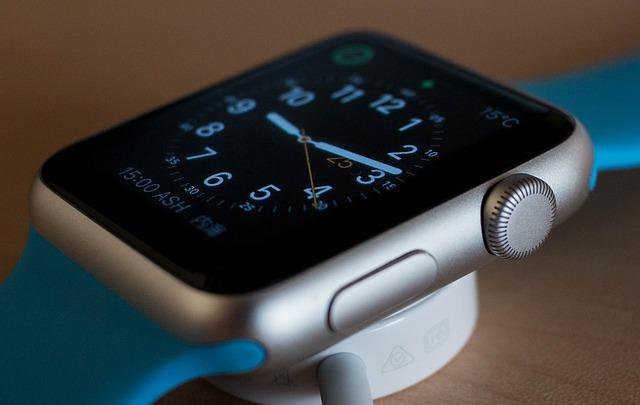
Quartz watches rely on a battery-powered electronic oscillator regulated by a piece of quartz crystal to keep time. This mechanism ensures that the watch ticks at a consistent frequency, typically 32,768 times per second. As a result, quartz watches can achieve accuracy within ±15 seconds per month, which far exceeds the precision of mechanical watches.
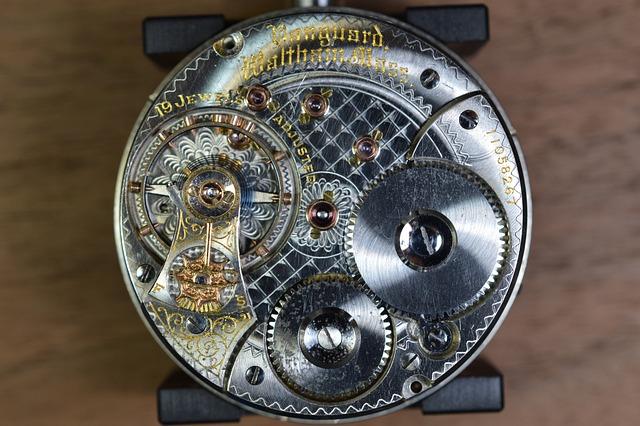
On the other hand, mechanical watches employ intricate mechanisms of gears, springs, and balance wheels to measure time. While these mechanical movements showcase exceptional craftsmanship and often appeal to watch connoisseurs for their aesthetic charm, their accuracy is generally lower than that of quartz watches. Mechanical watches typically have an accuracy range of ±15 to ±30 seconds per day.
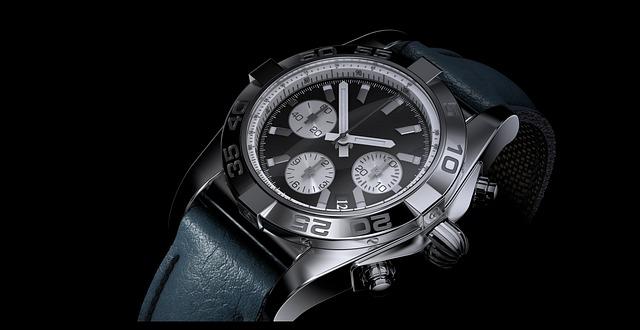
Although quartz watches have the upper hand in terms of accuracy, it’s important to note that there are exceptions to every rule. Some high-end mechanical watches, such as those equipped with tourbillon or chronometer complications, can rival or even surpass the precision of quartz watches. However, these mechanical marvels often come with a hefty price tag.
| Accuracy | Quartz Watches | Mechanical Watches |
|---|---|---|
| Typical Range | ±15 seconds per month | ±15 to ±30 seconds per day |
| Exceptions | High-end mechanical watches with tourbillon or chronometer complications | |
In conclusion, if precision is your top priority, quartz watches offer a more accurate timekeeping experience compared to mechanical watches. However, if you appreciate the intricate craftsmanship and traditional charm of mechanical movements, there are exceptions to consider. Ultimately, the choice between quartz and mechanical watches depends on your personal preferences and the level of accuracy you desire.

Introduction: Understanding the Fundamental Differences
Quartz watches and mechanical watches are two distinct categories in the world of timepieces, each with its own set of characteristics and mechanisms. One of the fundamental differences between these two types lies in their accuracy. While both quartz and mechanical watches are designed to keep time, precision matters when it comes to determining which one is more accurate.
Quartz watches utilize a quartz crystal oscillator to maintain accurate timekeeping. This crystal, often made of silicon dioxide, vibrates at a consistent frequency when an electric current is applied. These vibrations are then converted into electrical signals, which are further processed to display the time accurately. Because of their reliance on this precise frequency, quartz watches are known for their exceptional accuracy, typically losing or gaining only a few seconds per month.
On the other hand, mechanical watches rely on a complex system of gears and springs to measure time. With their intricate mechanical movements, these watches are a testament to traditional craftsmanship. However, inherent to their mechanical nature, they are subject to various external factors that may affect their accuracy. Factors such as temperature changes, positioning, and even the wear and tear of parts can slightly alter the timekeeping of a mechanical watch.
It is important to note that while quartz watches tend to be more accurate, mechanical watches offer a charm and appeal that surpasses mere precision. The craftsmanship involved in their intricate movements, often visible through the transparent case back, adds a sense of artistry and luxury to mechanical timepieces. Ultimately, the choice between quartz and mechanical watches boils down to personal preference: whether you prioritize precision or appreciate the timeless beauty of a mechanical masterpiece.
In conclusion, precision does matter when comparing the accuracy of quartz and mechanical watches. While quartz watches are known for their exceptional accuracy, mechanical timepieces offer a unique charm and craftsmanship that appeals to many watch enthusiasts. Both types have their merits, and the choice between them ultimately depends on one’s personal taste and appreciation for the art of watchmaking.
Breaking Down Accuracy: Measuring Precision in Quartz Watches
Precision Matters: Are Quartz Watches More Accurate Than Mechanical?
When it comes to timekeeping, precision is everything. The accuracy of a watch is crucial, especially for those who rely on their timepiece for everyday activities or professional use. One debate that has persisted for years is whether quartz watches are more accurate than mechanical ones. Let’s break down the concept of precision and explore how it is measured in quartz watches.
Before diving into the comparison, it’s important to understand how each type of watch works. Mechanical watches rely on intricate systems of gears and springs, requiring regular winding or automatic movement to function. On the other hand, quartz watches operate using a quartz crystal oscillator powered by a battery, which ensures consistent timekeeping.
When it comes to accuracy, quartz watches have a distinct advantage over mechanical watches. Due to the precise frequency of the quartz crystal oscillation, quartz watches are capable of maintaining accuracy within a few seconds per month. In contrast, mechanical watches typically have a lower level of precision, with deviations of several seconds per day.
To measure the accuracy of quartz watches, watch manufacturers often refer to the term “precision.” Precision refers to the consistent and predictable timekeeping of a watch. This is typically evaluated by comparing the watch’s displayed time against a known time source, such as an atomic clock. The difference between the displayed time and the reference time indicates the level of precision.
In conclusion, when it comes to accuracy, quartz watches have the upper hand over their mechanical counterparts. The precise quartz crystal oscillator and battery-powered mechanism allow for consistent timekeeping within a few seconds per month. So, if you prioritize accuracy in your timepiece, a quartz watch might be the way to go.

Mechanical Mastery: The Intricate Art of Precision Engineering
When it comes to timekeeping, precision is paramount. Quartz watches and mechanical watches are two popular choices for individuals seeking accurate timepieces. While both have their merits, the debate over which is more accurate has persisted for years. Today, we delve into the intricacies of precision engineering to shed light on this age-old question.
Quartz watches, known for their reliability, are powered by a battery and utilize a quartz crystal to maintain accurate timekeeping. This crystal oscillates at a consistent frequency, ensuring a high level of precision. Unlike their mechanical counterparts, quartz watches do not rely on gears or springs, which can introduce slight deviations in timekeeping due to external factors such as temperature or magnetism. This makes quartz watches highly consistent and resistant to external influences, resulting in remarkable accuracy.
On the other hand, mechanical watches are complex pieces of machinery crafted with meticulous attention to detail. Their accuracy relies on an intricate system of gears regulated by a balance wheel and hairspring. While mechanical watches may be affected by external factors, modern advancements such as shock-resistant technology and magnetic shields aim to mitigate these issues. Despite these innovations, some individuals argue that the inherent nature of mechanical movements may lead to slightly less accuracy when compared to quartz watches.
To truly understand which option is more accurate, it is essential to consider the intended purpose and personal preference. If unwavering reliability is of utmost importance, quartz watches are an excellent choice. Their precision, combined with affordability and low maintenance, make them a practical investment. However, for enthusiasts captivated by the craftsmanship and artistry of mechanical watches, slight variations in accuracy may be seen as part of the allure. The decision ultimately rests on whether one values reliability or the time-honored tradition of mechanical mastery.
In conclusion, while quartz watches have the upper hand in terms of precision due to their reliance on quartz crystals and electronic mechanisms, mechanical watches offer a unique experience that transcends mere accuracy. Determining the ideal timepiece ultimately involves a balance between functionality, personal taste, and the profound appreciation for the intricate art of precision engineering.
Comparing Timekeepers: Quartz vs. Mechanical Accuracy Showdown
When it comes to timekeeping, precision matters. In this showdown between quartz and mechanical watches, we explore the accuracy levels of these two types of timekeepers. While both have their merits, the question remains: are quartz watches more accurate than mechanical ones? Let’s delve into the details and find out.
The Battle of the Mechanisms
- Quartz Watches: These watches rely on a battery-powered quartz crystal oscillator to regulate the movement of the watch hands. As a result, they offer exceptional accuracy with variations of only a few seconds per month. They are known for their reliability and resilience against external factors like temperature and shock.
- Mechanical Watches: In contrast, mechanical watches are powered by a mainspring, which needs to be wound regularly. The intricate mechanical movements involve gears and springs that drive the watch hands. Mechanical watches, while masterpieces of craftsmanship, are inherently less accurate than their quartz counterparts, with variations of several seconds per day.
Factors Affecting Accuracy
- Outside Influences: Mechanical watches are more susceptible to external conditions such as temperature and position, which can affect their accuracy. On the other hand, quartz watches perform consistently regardless of external factors.
- Maintenance: Mechanical watches require regular servicing to ensure optimal performance, as the intricate mechanisms can experience wear and tear over time. Quartz watches, with their battery-powered movement, have fewer maintenance requirements.
- Power Reserve: Another aspect to consider is the power reserve of each type of watch. While mechanical watches often boast longer power reserves, quartz watches surpass them in accuracy until their batteries run out.
In conclusion, while mechanical watches hold their own with their intricate craftsmanship and timeless appeal, when it comes to pure accuracy, quartz watches take the lead. The precise oscillation of quartz crystals ensures consistent timekeeping, making them the go-to choice for those who prioritize accuracy and reliability. Nevertheless, personal preference and one’s appreciation for traditional watchmaking often still make mechanical watches a cherished choice for enthusiasts worldwide.

Factors Affecting Accuracy: What to Consider Before Making a Choice
When it comes to timekeeping, accuracy is of utmost importance. The right timepiece can be your trusted companion, ensuring that you are punctual and never miss a beat. But what factors affect accuracy, and specifically, are quartz watches more accurate than mechanical ones? Let’s explore the precision matters and consider what sets these two types of watches apart.
1. Mechanism:
One of the key factors influencing accuracy is the mechanism employed in a watch. Quartz watches, known for their precision, rely on a battery-powered quartz crystal to regulate time. This crystal oscillates at a consistent frequency, resulting in high accuracy. On the other hand, mechanical watches are powered by a complex system of gears and springs. While they have a certain charming elegance, the intricacy of their mechanism can introduce minute variations in timekeeping.
2. Maintenance:
Maintaining accuracy in watches requires regular maintenance and adjustments. Quartz watches generally require minimal intervention, as their simple mechanism is less prone to issues. On the other hand, mechanical watches may need periodic servicing to ensure optimal performance. The delicate balance of gears and springs may gradually experience wear and tear over time, affecting accuracy. Therefore, considering the type of maintenance required is crucial before making a choice.
3. Environmental Factors:
The environment in which a watch is worn can also impact its accuracy. Quartz watches tend to be resilient to external factors such as temperature changes and magnetic fields, making them more reliable under various conditions. Mechanical watches, while often engineered to withstand such influences, can be more susceptible to deviations in accuracy. Therefore, if you frequently find yourself in environments with extreme temperature or magnetic exposure, you may want to consider the impact on accuracy when choosing your timepiece.
Ultimately, the choice between quartz and mechanical watches boils down to personal preference and priorities. If unbeatable accuracy is your top priority, quartz watches may be the way to go. However, if you value the craftsmanship and artistry that comes with a mechanical watch, a slight variation in accuracy may be a trade-off you are willing to make. Whichever path you choose, remember to consider the factors mentioned above to ensure you find the perfect timekeeping companion.
To Wrap It Up
In conclusion, when it comes to precision, quartz watches undeniably have the upper hand over mechanical timepieces. Their reliance on quartz crystals and electronic components allows for remarkable accuracy, with a margin of error that is almost negligible. On the other hand, mechanical watches derive their accuracy from intricate mechanical movements that are crafted with utmost precision, making them a true work of art.
Key takeaway 1: Quartz watches are more accurate than mechanical watches due to their reliance on quartz crystals and electronic components.
Key takeaway 2: Mechanical watches are prized for their craftsmanship and artistry, with accuracy derived from precise mechanical movements.
While both types of watches have their unique charm and appeal, those seeking absolute precision and reliability may opt for a quartz watch. On the other hand, if you appreciate the intricacies of mechanical engineering and the craftsmanship involved in assembling such a timepiece, mechanical watches will continue to captivate and impress. At the end of the day, the choice between quartz and mechanical ultimately boils down to personal preferences and priorities.
Get our latest guides, news, and insights highlighted in your Google Search & AI Overviews.