How a Mechanical Watch Works: Animation Guide
Have you ever wondered what makes a mechanical watch tick? In this article, we’ll delve into the intricate mechanisms behind these timepieces, with the help of animation to guide us through the inner workings of a mechanical watch. Whether you’re a watch enthusiast or simply curious about the fascinating world of horology, this guide will provide you with a clear and insightful look into how a mechanical watch functions. Let’s explore the mesmerizing world of horological engineering together.
Contents
- How a Mechanical Watch Work: Movement Breakdown
- Exploring the Components of a Mechanical Watch
- Main Components of a Mechanical Watch:
- Additional Components:
- Understanding the Role of the Escapement Mechanism
- Examining the Function of the Balance Wheel and Hairspring
- The Importance of the Gear Train in a Mechanical Watch
- Illustrating the Power Source: The Mainspring
- Insight into the Role of Jewels in Watch Movement
- Comparing Manual vs Automatic Mechanical Watches
- Tips for Maintaining and Caring for Your Mechanical Watch
- In Conclusion
How a Mechanical Watch Work: Movement Breakdown
A mechanical watch is an intricate piece of machinery that relies on the movement of various components to keep accurate time. Understanding how a mechanical watch works can give you a greater appreciation for the craftsmanship involved in creating these timepieces.
Related: Mechanic’s Guide: How It Works – Mechanical Watch
<p>At the heart of a mechanical watch is the <strong>movement</strong>, which is responsible for powering the watch and keeping time. The movement consists of several key components that work together to ensure the watch functions properly:</p>


<ul>

    <li><strong>Mainpring:</strong> The mainspring is wound up by turning the crown, storing energy to power the watch.</li>

    <li><strong>Escapement:</strong> The escapement regulates the release of energy from the mainspring to the gear train, controlling the movement of the watch's hands.</li>

    <li><strong>Balance wheel:</strong> The balance wheel oscillates back and forth, acting as the timekeeping element of the watch.</li>

    <li><strong>Gear train:</strong> The gear train transmits the energy from the mainspring to the escapement and hands, allowing the watch to keep time accurately.</li>

</ul>


<table class="wp-block-table">

    <thead>

        <tr>

            <th>Component</th>

            <th>Function</th>

        </tr>

    </thead>

    <tbody>

        <tr>

            <td>Mainpring</td>

            <td>Stores energy</td>

        </tr>

        <tr>

            <td>Escapement</td>

            <td>Regulates energy release</td>

        </tr>

        <tr>

            <td>Balance wheel</td>

            <td>Timekeeping mechanism</td>

        </tr>

        <tr>

            <td>Gear train</td>

            <td>Transmits energy</td>

        </tr>

    </tbody>

</table>


<p>By understanding the inner workings of a mechanical watch, you can gain a deeper appreciation for the craftsmanship and precision required to create these intricate timepieces.</p>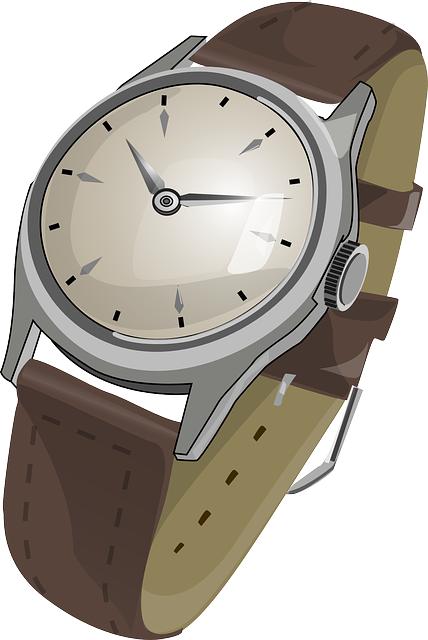
Exploring the Components of a Mechanical Watch
Understanding the components of a mechanical watch is essential to grasp how these intricate timepieces function. Let’s delve into the inner workings of a mechanical watch and explore the various parts that make it tick.
Main Components of a Mechanical Watch:
- 1. Movement: This is the heart of the watch, responsible for keeping time accurately. The movement consists of various gears, springs, and escapements that work together to power the watch.
- 2. Dial: The dial is the face of the watch, displaying the time through hands and markers. It is often adorned with intricate designs and details that add to the watch’s aesthetic appeal.
- 3. Case: The case houses the movement and dial, providing protection and support. It is typically made of metal, such as stainless steel or gold, and comes in a variety of shapes and sizes.
- 4. Crown: The crown is used to wind the watch and set the time. Some watches also feature additional crowns for adjusting other functions, such as date and moon phase complications.
Additional Components:
- 5. Hands: The hands of the watch indicate the hours, minutes, and sometimes seconds. They move in a continuous motion, driven by the gears of the movement.
- 6. Crystal: The crystal is the transparent cover that protects the dial and hands. It is typically made of synthetic sapphire or mineral glass, offering durability and scratch resistance.
- 7. Strap or Bracelet: The strap or bracelet attaches the watch to the wrist. It can be made of leather, metal, rubber, or fabric, providing comfort and style.

Understanding the Role of the Escapement Mechanism
****
An escapement mechanism is a crucial component in a mechanical watch that regulates the release of energy from the mainspring to the gear train, allowing the watch to keep accurate time. Here’s how it works:
- The escapement consists of an escape wheel, a pallet fork, and an anchor, all working together to control the movement of the gear train.
- As the mainspring unwinds, it releases energy that causes the escape wheel to turn, which in turn moves the pallet fork back and forth.
- The pallet fork engages with the escape wheel teeth, allowing the gear train to advance in small, precise increments.
By , you can gain a deeper appreciation for the intricate workings of a mechanical watch and how it keeps accurate time.
Examining the Function of the Balance Wheel and Hairspring
The balance wheel and hairspring are crucial components in the functioning of a mechanical watch. The balance wheel is a weighted wheel that oscillates back and forth, regulating the movement of the watch. It is responsible for maintaining the timekeeping accuracy of the watch by ensuring a consistent rate of movement.
The hairspring, on the other hand, is a thin spring that is coiled around the balance wheel. It acts as a timing regulator, controlling the speed at which the balance wheel oscillates. By adjusting the length and tension of the hairspring, watchmakers can fine-tune the timekeeping accuracy of the watch.
Together, the balance wheel and hairspring work in harmony to regulate the movement of the watch, ensuring that it keeps accurate time. If the balance wheel is out of alignment or the hairspring is damaged, it can affect the performance of the watch and lead to timekeeping issues.
Understanding the function of the balance wheel and hairspring is essential for anyone interested in the mechanics of a mechanical watch. These components play a vital role in keeping the watch running smoothly and accurately, making them an integral part of the watch’s movement.
The Importance of the Gear Train in a Mechanical Watch
A mechanical watch may seem like a simple device on the surface, but its inner workings are quite complex and fascinating. One of the most crucial components of a mechanical watch is the gear train, which plays a vital role in ensuring that the watch runs smoothly and accurately.
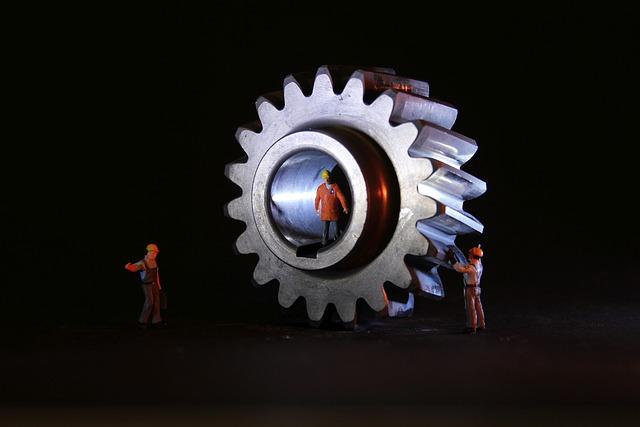
The gear train is a series of interconnected gears that transmit power from the mainspring to the escapement, which regulates the movement of the hands. Each gear in the train is carefully designed to turn at a precise speed in order to maintain the correct timekeeping of the watch.
Without a properly functioning gear train, a mechanical watch would not be able to function correctly. The gears must be perfectly aligned and lubricated to minimize friction and ensure that the watch runs smoothly for years to come.
In summary, the gear train is an essential component of a mechanical watch that allows it to accurately keep time. By understanding the importance of the gear train, watch enthusiasts can gain a greater appreciation for the intricate craftsmanship that goes into creating these timeless pieces.

Illustrating the Power Source: The Mainspring
In a mechanical watch, the mainspring is the powerhouse that drives the entire mechanism. This tightly wound coil of metal stores energy that is gradually released to regulate the movement of the watch’s hands. Let’s take a closer look at how the mainspring functions:
When the watch is wound, the mainspring is twisted tighter and tighter, storing potential energy. As the mainspring unwinds, this energy is released and transferred through the gears of the watch, ultimately driving the hands in a precise and controlled manner.
Illustrating the power source, the mainspring serves as the heart of the watch, dictating the rhythm and pace of its movement. Without this essential component, the watch would cease to function.
Understanding the intricate workings of the mainspring provides insight into the inner workings of a mechanical watch and the craftsmanship required to keep it running smoothly.
Insight into the Role of Jewels in Watch Movement
One crucial component in the intricate world of watchmaking is the use of jewels within a watch movement. These tiny, precious stones play a vital role in ensuring the smooth operation and longevity of a mechanical watch.
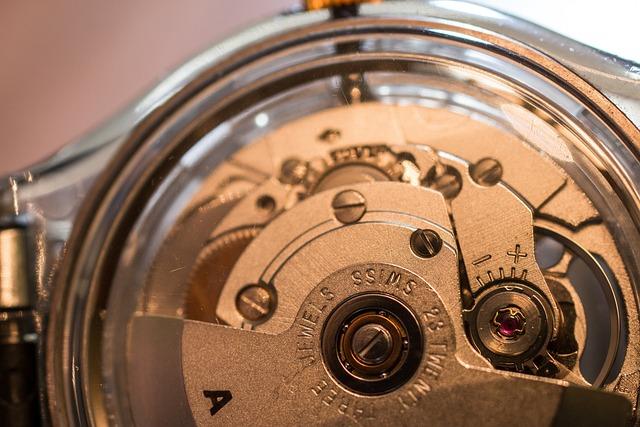
Jewels are typically synthetic rubies or sapphires that are used as bearings for the gears in a watch movement. Their incredibly hard and smooth surface helps reduce friction between moving parts, allowing for more accurate timekeeping and preventing wear and tear over time.
Most high-quality mechanical watches will have anywhere from 17 to 27 jewels strategically placed within the movement. These jewels are carefully positioned at key points where friction is most likely to occur, such as the pivots of the gears.
Overall, the use of jewels in watch movements is a testament to the precision and craftsmanship that goes into creating these intricate timepieces. Without them, the delicate dance of gears within a mechanical watch would not be possible.
Comparing Manual vs Automatic Mechanical Watches
When it comes to mechanical watches, there are two main types to choose from: manual and automatic. Both types have their own unique characteristics and advantages, making it important to understand the differences between the two.
Manual Mechanical Watches:
- Require manual winding by the wearer.
- Typically have a slimmer profile due to the lack of an automatic winding mechanism.
- Winding the watch regularly can create a closer bond with the timepiece.
- Well-suited for watch enthusiasts who appreciate the ritual of winding their watch daily.
Automatic Mechanical Watches:
- Feature a rotor that winds the watch through the natural motion of the wearer’s wrist.
- Do not require manual winding, making them convenient for daily wear.
- Often have a longer power reserve compared to manual watches.
- Perfect for individuals who prefer a low-maintenance timepiece.

Tips for Maintaining and Caring for Your Mechanical Watch
When it comes to maintaining and caring for your mechanical watch, there are a few key tips to keep in mind to ensure its longevity and accuracy.
- Regular Servicing: Just like a car, a mechanical watch needs regular servicing to keep it running smoothly. It is recommended to have your watch serviced every 3-5 years by a professional watchmaker.
- Keep it Wound: Mechanical watches rely on being wound regularly to keep accurate time. If you have a manual watch, make sure to wind it every day at the same time. For automatic watches, wear it daily to keep it wound.
- Avoid Water Exposure: Unless your watch is specifically designed for water sports, it is best to avoid exposing it to water. Water can damage the delicate inner workings of a mechanical watch.
- Store Properly: When not wearing your watch, store it in a watch box or case to protect it from dust, moisture, and sunlight. This will help prevent damage and keep it looking its best.
In Conclusion
In conclusion, mechanical watches operate through a complex system of gears, springs, and escapements that work harmoniously to keep accurate time. By understanding the intricate inner workings of a mechanical watch, you can appreciate the craftsmanship and precision that goes into each timepiece. The animation guide provided insight into the fascinating world of horology, showcasing the beauty and sophistication of mechanical watches. Remember, proper maintenance and care are key to ensuring your mechanical watch continues to function flawlessly for years to come. So next time you glance at your wrist, take a moment to marvel at the incredible mechanics ticking away inside your beloved timepiece.
Get our latest guides, news, and insights highlighted in your Google Search & AI Overviews.