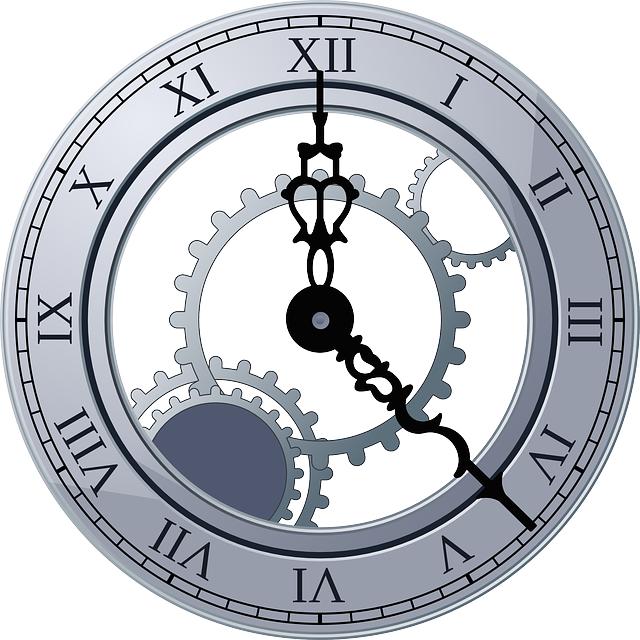
How Does a Mechanical Watch Work Diagram? Exploring Mechanics
Have you ever wondered what makes a mechanical watch tick? In this article, we will dissect the inner workings of a mechanical watch with a detailed diagram to help you understand the intricate mechanics behind this timeless piece of technology. Join us on a journey to explore the fascinating world of watch mechanics and unravel the mystery behind these meticulously crafted timepieces.
Contents
- How Does a Mechanical Watch Work?
- Exploring the Intricate Mechanics Behind a Timepiece
- Understanding the Functionality of Gears and Escapements
- Exploring the Role of Springs in Keeping Time Accurately
- The Art of Winding and Setting a Mechanical Watch
- Examining the Balance Wheel and its critical Role in Timekeeping
- Dissecting the Complexities of a Mechanical Watch Movement
- Unlocking the Mystery of Jewels in Mechanical Watches
- Delving into the World of Complications in Mechanical Timepieces
- Future Outlook
How Does a Mechanical Watch Work?
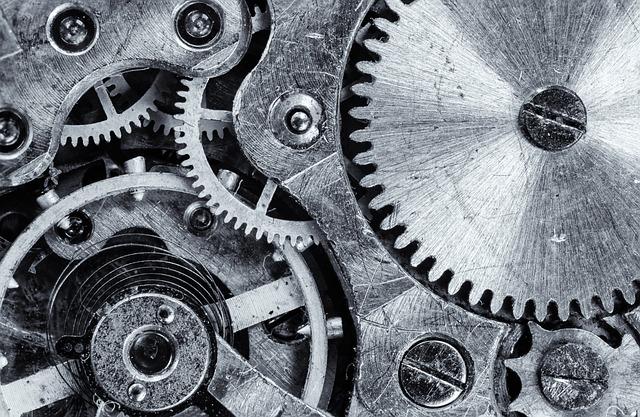
At the heart of every mechanical watch lies a complex system of gears, springs, and levers that work together to keep time accurately. The main components of a mechanical watch include:
- Escapement: This component regulates the release of energy from the mainspring to the gear train.
- Balance wheel: Oscillates back and forth, controlling the speed at which the gears turn.
- Mainspring: Stores the energy needed to power the watch.
When you wind a mechanical watch, you’re tightening the mainspring, which stores potential energy. As the mainspring slowly unwinds, it releases this energy through the gear train, escapement, and balance wheel, causing the hands to move and the watch to keep time accurately.
| Component | Function |
|---|---|
| Escapement | Regulates energy release |
| Balance wheel | Controls gear train speed |
| Mainspring | Stores energy |

Exploring the Intricate Mechanics Behind a Timepiece
Understanding the intricate mechanics behind a timepiece can be both fascinating and complex. A mechanical watch operates through a series of finely tuned components working together in harmony. Let’s delve into the inner workings of a mechanical watch to uncover the magic behind its ability to keep time with precision.
At the heart of a mechanical watch lies the mainspring, a tightly wound coil that stores energy when the watch is wound. As the mainspring unwinds, it releases this energy, powering the movement of the watch. The escapement mechanism regulates the release of this energy, allowing the gears to turn at a controlled rate. This controlled movement of gears drives the hands of the watch, indicating the passage of time.
Another essential component of a mechanical watch is the balance wheel, which oscillates back and forth at a consistent rate. This oscillation is controlled by the escapement mechanism, ensuring the accuracy of the watch’s timekeeping. The intricate interplay of gears, springs, and mechanisms within a mechanical watch is a testament to the craftsmanship and precision required to create these intricate timepieces.
| Component | Function |
| Mainspring | Stores energy and powers the movement of the watch |
| Escapement Mechanism | Regulates the release of energy from the mainspring |
| Balance Wheel | Oscillates at a consistent rate to ensure accuracy |

Understanding the Functionality of Gears and Escapements
When it comes to understanding the inner workings of a mechanical watch, one must delve into the fascinating world of gears and escapements. These two components play a crucial role in the functionality of a timepiece, ensuring accuracy and precision in timekeeping.
Gears within a watch work together to transmit power from the mainspring to the various components of the movement. By converting the energy from the mainspring into rotational movement, the gears drive the hands of the watch, allowing them to move in a controlled manner.
On the other hand, escapements are responsible for regulating the release of energy from the gears, ensuring that the watch ticks at a consistent rate. This is essential for maintaining accurate timekeeping over prolonged periods.
Overall, the synergy between gears and escapements in a mechanical watch is what enables it to function seamlessly, capturing the intricate dance of time in a beautifully orchestrated manner.

Exploring the Role of Springs in Keeping Time Accurately
In a mechanical watch, the main components responsible for keeping time accurately are the escapement mechanism and the balance wheel. However, the role of springs cannot be overlooked as they play a crucial part in ensuring the smooth functioning of these components.
Types of Springs:
- 1. Mainspring: stores energy to power the watch.
- 2. Balance Spring: controls the oscillations of the balance wheel.
When the mainspring is wound, it stores potential energy that is gradually released as the watch mechanism unwinds. This energy is transferred to the escapement mechanism, which regulates the release of energy to the balance wheel. The balance spring ensures that the balance wheel oscillates at a consistent rate, allowing the watch to keep time accurately.
Importance of Springs:
- 1. Regulate energy distribution.
- 2. Ensure consistent oscillations.

The Art of Winding and Setting a Mechanical Watch
When it comes to winding and setting a mechanical watch, understanding the intricate mechanics behind these actions is key to keeping your timepiece running smoothly. Winding a mechanical watch involves tightening the mainspring, the energy source that powers the watch, while setting the time ensures the hands are aligned correctly to provide an accurate display.
Here are some essential tips for mastering :
- Winding the Watch: To wind a mechanical watch, gently turn the crown clockwise until you feel resistance. Avoid overwinding, as this can damage the movement.
- Setting the Time: Pull the crown out to the second position and turn it to set the time. Once the correct time is set, push the crown back in to ensure the watch is running accurately.
- Regular Maintenance: Keep your mechanical watch running smoothly by winding it at the same time each day and setting it accurately. Regular servicing by a professional watchmaker is also recommended to maintain its longevity.
| Tip | Description |
|---|---|
| Be Gentle | Handle the crown with care to avoid damaging the movement. |
| Consistency is Key | Winding your watch at the same time each day helps maintain its accuracy. |

Examining the Balance Wheel and its critical Role in Timekeeping
Let’s delve into the intricate world of mechanical watches and explore the inner workings of these fascinating timepieces. One of the most crucial components of a mechanical watch is the balance wheel, which plays a critical role in the timekeeping accuracy of the watch.
The balance wheel is a circular component that oscillates back and forth at a precise rate, typically several times per second. This oscillation is what regulates the movement of the gears in the watch, ensuring that the hands move at the correct speed. Without the balance wheel, the watch would not be able to keep accurate time.
So, how does the balance wheel achieve this precise oscillation? The answer lies in the balance spring, which is attached to the balance wheel and provides the restoring force that keeps the wheel moving back and forth. This delicate interplay between the balance wheel and balance spring is what allows the watch to maintain accurate timekeeping.
In summary, the balance wheel is a vital component of a mechanical watch, responsible for regulating the movement of the gears and ensuring accurate timekeeping. Its precise oscillation, coupled with the balance spring, creates a harmonious mechanism that is essential for the functioning of a mechanical watch.

Dissecting the Complexities of a Mechanical Watch Movement
Understanding the intricate workings of a mechanical watch movement can be a fascinating journey into the world of horology. Each component plays a crucial role in keeping time accurately and reliably. Let’s delve into the complexities of a mechanical watch movement.
One of the key components of a mechanical watch movement is the mainspring, which stores energy to power the watch. When the crown is wound, the mainspring is tightened, storing potential energy which is released slowly to power the movement.
Another important element is the escapement mechanism, which regulates the release of energy from the mainspring. The escapement consists of the balance wheel, pallet fork, and escape wheel, working together to ensure precise timekeeping by controlling the oscillation of the balance wheel.
The intricate dance of gears, wheels, and levers within the movement work harmoniously to translate energy into movement, driving the hands of the watch around the dial. The meticulous craftsmanship and engineering behind a mechanical watch movement make it a true marvel of precision and ingenuity.

Unlocking the Mystery of Jewels in Mechanical Watches
A mechanical watch is a marvel of engineering, with intricate mechanisms combining to keep time accurately. The jewels in a mechanical watch play a crucial role in reducing friction and ensuring smooth movement of the gears. These jewels are typically synthetic rubies or sapphires, which are extremely hard and have low friction coefficients.
The main functions of jewels in a mechanical watch include:
– **Reducing friction**: Jewels are placed at key points in the movement where gears come into contact with each other. This reduces wear and tear on the moving parts, increasing the longevity of the watch.
– **Supporting the pivots**: The jewels act as bearings for the pivots of the gears, providing a stable and precise mounting point for the moving parts.
– **Assisting in lubrication**: Jewels can hold a small amount of lubricant, ensuring that the gears move smoothly and consistently.
By carefully examining a diagram of a mechanical watch, you can see how these jewels are strategically placed to optimize the performance of the timepiece. The intricate interaction of the gears, springs, and jewels is a testament to the craftsmanship and precision required to create a high-quality mechanical watch.
Delving into the World of Complications in Mechanical Timepieces
Mechanical watches are intricate pieces of engineering, composed of various components that work together to keep accurate time. Understanding how these components interact can help us appreciate the craftsmanship behind these timeless pieces. Let’s delve into the world of complications in mechanical timepieces and explore the mechanics that drive them.
Balance Wheel:
The balance wheel is a critical component of a mechanical watch, responsible for regulating the movement of the gears. It oscillates back and forth, controlling the release of energy from the mainspring.
Escapement Mechanism:
The escapement mechanism is what allows the gears to move at a constant rate. It consists of the escape wheel, pallet fork, and balance wheel, working together to ensure accurate timekeeping.
Complications:
Complications are additional functions in a mechanical watch beyond basic timekeeping. These can include features like a chronograph, moon phase indicator, or perpetual calendar, adding complexity to the watch’s movement.
Future Outlook
In conclusion, understanding the mechanics behind a mechanical watch can offer a deeper appreciation for this traditional timekeeping device. By exploring the diagram illustrating the intricate components and processes involved in its operation, we can see how precision engineering and craftsmanship work together to create a reliable and accurate timepiece. From the mainspring to the escapement and balance wheel, each part plays a crucial role in ensuring the watch functions smoothly. So the next time you glance at your mechanical watch, remember the intricate mechanisms at work beneath the surface, keeping you on time with every tick and tock.
Get our latest guides, news, and insights highlighted in your Google Search & AI Overviews.