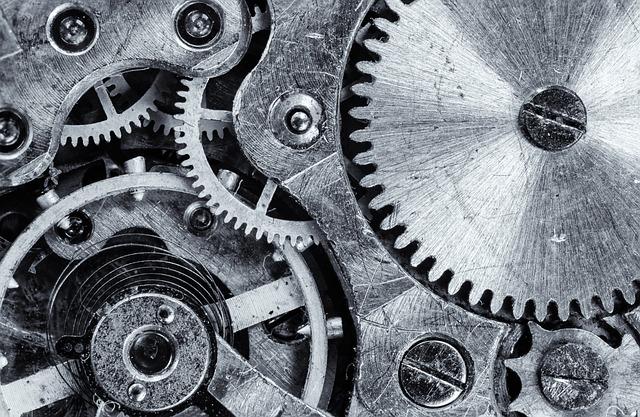
How a Mechanical Wrist Watch Works: Essential Mechanics Unveiled
Have you ever stopped to wonder about the intricate inner workings of a mechanical wristwatch? In this article, we will take a comprehensive look at the essential mechanics that power these timeless timepieces. By the end of this article, you will have a deeper understanding of how your mechanical watch ticks, quite literally. Join us as we delve into the fascinating world of watchmaking and unveil the secrets behind the gear trains, escapements, and winding mechanisms that make your watch tick.
Contents
- How a Mechanical Wrist Watch Works
- Exploring the Inner Workings of a Mechanical Timepiece
- Gears, Springs, and Escapements: Key Components of a Mechanical Watch
- Understanding the Role of the Crown and Hands in Timekeeping
- The Intricate Dance of Power Reserve and Movement
- Unveiling the Precision Engineering of Balance Wheels and Escapements
- Mastering the Art of Regulation and Timekeeping Accuracy
- Tips and Tricks for Proper Maintenance and Care of Your Mechanical Watch
- Understanding the Inner Workings of Your Mechanical Watch
- The Way Forward
How a Mechanical Wrist Watch Works
Mechanical wrist watches are marvels of engineering that have been around for centuries, captivating wearers with their precision and craftsmanship. Understanding how these timepieces work can deepen your appreciation for their intricate mechanics.
Related: Mechanics Unveiled: How Mechanical Watch Works
At the heart of a mechanical wrist watch is the movement, also known as the caliber, which is responsible for keeping time. There are two main types of mechanical movements: manual and automatic. Manual movements require the wearer to manually wind the watch daily to keep it running, while automatic movements utilize the motion of the wearer’s wrist to wind the watch through a rotor that spins as the wrist moves.
Inside the movement, a series of interconnected gears, springs, and escapements work together to regulate the flow of energy and control the movement of the watch’s hands. The mainspring, which is wound either manually or automatically, stores energy that is released slowly as the watch runs, driving the gears to move the hands in a precise manner.
The escapement mechanism, typically a lever escapement or a co-axial escapement, controls the release of energy from the mainspring in controlled increments, ensuring the smooth and accurate movement of the hands. This intricate dance of components is what allows a mechanical wrist watch to keep time reliably and with precision.

Exploring the Inner Workings of a Mechanical Timepiece
Mechanical wristwatches are a fascinating blend of precision engineering and timeless craftsmanship. At the heart of these timepieces lies a complex network of tiny gears, springs, and levers working in harmony to keep track of time. Let’s dive into the inner workings of a mechanical wristwatch to uncover the essential mechanics that power this marvel of engineering.
– **Main Components**: A mechanical wristwatch consists of several key components that work together to measure time accurately. These include the mainspring, escapement mechanism, balance wheel, and gears.
– **Mainspring**: The mainspring is the powerhouse of the watch, storing energy when wound up and releasing it gradually to drive the movement of the gears.
– **Escapement Mechanism**: The escapement mechanism controls the release of energy from the mainspring in precise increments, allowing the gears to move at a constant rate.
– **Balance Wheel**: The balance wheel oscillates back and forth, regulating the movement of the gears and ensuring accurate timekeeping. It is a crucial component that helps maintain the watch’s accuracy.
Understanding the inner workings of a mechanical wristwatch can deepen your appreciation for the intricate craftsmanship and engineering mastery that goes into creating these timeless pieces. Whether you’re a watch enthusiast or simply curious about the mechanics of timekeeping, exploring the inner workings of a mechanical wristwatch is sure to captivate and fascinate.
Gears, Springs, and Escapements: Key Components of a Mechanical Watch
Gears, springs, and escapements are the fundamental components that power the intricate mechanics of a mechanical wristwatch. These elements work together in perfect harmony to ensure the accurate and precise timekeeping of the watch. Let’s delve into the essential mechanics that make a mechanical watch tick:
Gears:
- Gears play a crucial role in transmitting power from the mainspring to the other components of the watch.
- They are meticulously designed to control the movement of the hands on the watch dial.
- Each gear is carefully crafted to mesh seamlessly with the adjacent gears to ensure smooth and consistent operation.
Springs:
- The mainspring is the heart of a mechanical watch, storing energy when wound and releasing it gradually to power the watch.
- The hairspring, also known as the balance spring, regulates the movement of the balance wheel, ensuring precise timekeeping.
- Together, these springs work in tandem to provide the necessary energy and control for the watch to function accurately.
Escapements:
- Escapements are responsible for regulating the release of energy from the mainspring in precise increments.
- The escapement acts as the ‘brain’ of the watch, controlling the pace at which the gears turn and the hands move.
- Common types of escapements include the lever escapement, the cylinder escapement, and the co-axial escapement, each with its unique method of ensuring accurate timekeeping.

Understanding the Role of the Crown and Hands in Timekeeping
In a mechanical wristwatch, the crown and hands play crucial roles in timekeeping. The crown, located on the side of the watch case, is used to set the time and wind the watch’s mainspring. When you turn the crown clockwise, it winds the mainspring, storing energy that powers the watch’s movement. Turning the crown counterclockwise allows you to set the time by adjusting the hands on the dial.
The hands on a watch are indicators that point to the current time on the dial. The hour and minute hands are typically connected to gears inside the watch that are driven by the mainspring. As the mainspring unwinds, it releases energy that causes the gears to turn, which in turn moves the hands around the dial. The seconds hand, if present, typically moves in a continuous sweeping motion to measure seconds.
Understanding how the crown and hands work together in a mechanical wristwatch is essential to appreciating the intricate mechanics behind these timekeeping devices. The precision and coordination required for the crown to wind the mainspring and set the time accurately, while the hands move seamlessly around the dial, showcase the craftsmanship and engineering that go into creating a functional and reliable timepiece. So next time you glance at your wristwatch, take a moment to marvel at the intricate dance of the crown and hands that keep you on track throughout the day.
The Intricate Dance of Power Reserve and Movement
Understanding how a mechanical wrist watch works involves diving into the intricate dance between power reserve and movement. At the heart of every mechanical timepiece is a delicate balance that ensures the watch keeps ticking accurately.
Power reserve is the term used to describe how long a watch can continue running without being wound. This reserve is stored in the mainspring, a tightly wound coil that releases energy in a controlled manner to power the movement of the watch.
Movement refers to the inner workings of the watch that regulate the timekeeping functions. This includes the escapement, balance wheel, and gears that work together to ensure that the hands move smoothly and accurately around the dial.
By understanding the interplay between power reserve and movement, we can appreciate the craftsmanship and engineering that goes into creating a mechanical wrist watch.

Unveiling the Precision Engineering of Balance Wheels and Escapements
Balance wheels and escapements are two essential components in the intricate world of mechanical wristwatches. These components work together in perfect harmony to ensure accurate timekeeping and smooth operation of the timepiece.
The balance wheel is a small, circular component that oscillates back and forth at a precise rate. This oscillation is what regulates the movement of the watch, allowing it to keep accurate time. Made from high-quality materials like stainless steel or titanium, the balance wheel is carefully calibrated to ensure optimal performance.
On the other hand, the escapement is responsible for controlling the release of energy from the watch’s mainspring to the gear train, regulating the movement of the watch hands. This intricate mechanism consists of escape wheels, pallet forks, and other small components that work together to ensure precise timekeeping.
Overall, the precision engineering behind balance wheels and escapements is a testament to the skilled craftsmanship and attention to detail that goes into creating a mechanical wristwatch. It’s these small but crucial components that make mechanical watches a timeless piece of art and engineering marvel.
Mastering the Art of Regulation and Timekeeping Accuracy
Understanding the inner workings of a mechanical wristwatch can be truly fascinating. At the heart of every mechanical watch lies a set of essential mechanics that work together seamlessly to keep time accurately. Let’s delve into the intricate details of how a mechanical watch operates.
One of the key components of a mechanical watch is the balance wheel, which oscillates back and forth at a constant rate. This regulated motion is essential for maintaining accurate timekeeping. The balance wheel is powered by the mainspring, a tightly wound coil that stores energy and releases it gradually to power the watch.
Another crucial part of a mechanical watch is the escapement mechanism, which acts as a regulator for the movement of the gears. The escapement controls the release of energy from the mainspring to the balance wheel, ensuring that the watch ticks at a consistent rate.
Overall, in a mechanical watch requires a deep understanding of these essential mechanics. By appreciating the intricate design and precision engineering of a mechanical watch, we can truly understand the beauty and craftsmanship that goes into each timepiece.

Tips and Tricks for Proper Maintenance and Care of Your Mechanical Watch
Understanding the Inner Workings of Your Mechanical Watch
When it comes to maintaining and caring for your mechanical watch, it is essential to have a basic understanding of how it works. A mechanical watch operates through a series of intricate mechanisms that work together to keep accurate time. Here are some tips and tricks to help you properly care for your beloved timepiece:
- Regular Servicing: Just like a car, your mechanical watch requires regular servicing to keep it running smoothly. It is recommended to have your watch serviced every 3-5 years by a certified watchmaker.
- Keep It Wound: If you have an automatic mechanical watch, make sure to wear it regularly to keep it wound. If you have a manual mechanical watch, remember to wind it daily to keep it running accurately.
- Avoid Water Exposure: Mechanical watches are not typically water-resistant, so it is essential to avoid exposing your watch to water. Always take off your watch before swimming or showering.
By following these simple tips, you can ensure that your mechanical watch stays in excellent working condition for years to come. Proper maintenance and care will not only preserve the beauty of your timepiece but also enhance its longevity and accuracy.
The Way Forward
In conclusion, understanding how a mechanical wristwatch works can provide you with a deeper appreciation for the intricate mechanics involved in keeping time. From the mainspring and gear train to the escapement and balance wheel, every component works together harmoniously to accurately display the time on your wrist. By gaining insight into the essential mechanics of a mechanical watch, you can better comprehend and enjoy the artistry and craftsmanship that goes into creating these timeless timepieces. Remember, the next time you glance at your wristwatch, you’ll have a newfound understanding of the precision and expertise behind its operation.
Get our latest guides, news, and insights highlighted in your Google Search & AI Overviews.