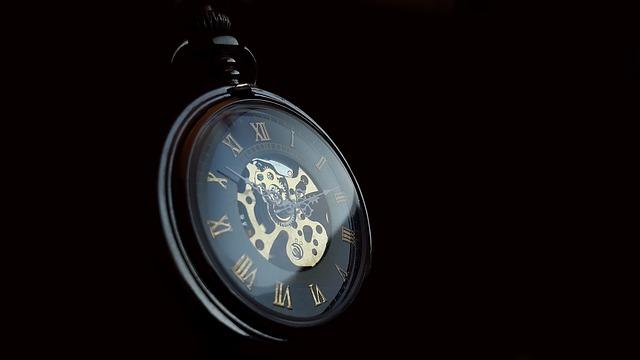
Wind Up Your Day: Winding Up Mechanical Watches
Have you ever been curious about how mechanical watches work? In this article, we will delve into the fascinating world of winding up mechanical watches. From understanding the mechanics behind them to learning how to wind them up properly, we’ve got you covered. So sit back, relax, and let’s wind up your day with some watch knowledge!
Contents
- – Understanding the Mechanics of Mechanical Watches
- – The Art of Winding Up Your Mechanical Watch
- – Different Types of Mechanical Watch Movements
- – How Often Should You Wind Up Your Watch?
- – Tips for Properly Winding Up Your Mechanical Watch
- – Maintenance Tips for Keeping Your Mechanical Watch in Top Condition
- The Conclusion
– Understanding the Mechanics of Mechanical Watches
Understanding the mechanics of mechanical watches is crucial for anyone who appreciates the craftsmanship behind these timepieces. Whether you’re a seasoned watch collector or just starting to delve into the world of horology, knowing how to wind up your mechanical watch properly is essential for its upkeep.
Types of Mechanical Watches:
- Manual Wind: Requires regular winding by hand to keep the watch running.
- Automatic: Utilizes the movement of the wearer’s wrist to wind the watch automatically.
- Watch Parts: The mainspring, gear train, escapement, and balance wheel work together to regulate the timekeeping mechanism.
Proper Winding Techniques:
- Locate the winding crown on the side of the watch.
- Gently turn the crown clockwise until you feel resistance.
- Avoid overwinding, as this can damage the watch’s internal components.
- For automatic watches, wearing the watch regularly will keep it wound.
Benefits of Mechanical Watches:
- Craftsmanship and artistry in every intricate detail.
- Longer lifespan compared to quartz watches with proper maintenance.
- Timeless appeal and value that can be passed down through generations.
By understanding the mechanics of mechanical watches and how to properly wind them up, you can ensure that your timepiece functions smoothly and stands the test of time. So, take a moment to appreciate the intricate inner workings of your watch, and enjoy the timeless beauty it brings to your everyday life.

– The Art of Winding Up Your Mechanical Watch
When it comes to winding up your mechanical watch, it’s not just a simple task but an art form that requires precision and care. Whether you have a vintage timepiece or a modern mechanical watch, knowing how to properly wind it up is essential for keeping it running smoothly and accurately.
Here are some key tips to help you master the art of winding up your mechanical watch:
- Know your watch: Different watches have different winding mechanisms, so it’s important to familiarize yourself with how your specific watch needs to be wound up.
- Be gentle: When winding up your watch, always use a gentle and even pressure. Avoid over-winding, as this can damage the movement.
- Establish a routine: Make it a habit to wind up your watch at the same time each day to ensure consistent performance.
- Seek professional help: If you’re unsure about how to wind up your watch, don’t hesitate to seek help from a professional watchmaker.
By following these tips and treating the process of winding up your mechanical watch as an art form, you can ensure that your timepiece stays in top condition for years to come.

– Different Types of Mechanical Watch Movements
Mechanical watches are known for their intricate inner workings and classic appeal. There are several different types of mechanical watch movements, each with its own unique characteristics and mechanisms.
One popular type of mechanical movement is the **manual wind** movement. This type of movement requires regular winding by hand to keep the watch running. By turning the crown clockwise, you transfer energy to the mainspring which powers the watch. Many watch enthusiasts appreciate the ritual of winding their watch every day, as it creates a special connection to the timepiece.
Another type of mechanical movement is the **automatic** movement. These watches are also known as self-winding watches because they harness the motion of the wearer’s wrist to automatically wind the mainspring. This eliminates the need for daily winding, making automatic watches a convenient choice for those who lead active lifestyles.
For those who appreciate a mix of tradition and modern technology, there are **hybrid** mechanical movements. These movements combine the classic appeal of a mechanical movement with the convenience of quartz technology. Hybrid watches can offer features like automatic winding and smartwatch capabilities, appealing to a wide range of watch enthusiasts.
In conclusion, choosing a mechanical watch movement depends on personal preference and lifestyle. Whether you enjoy the mechanical ritual of manual winding, the convenience of automatic winding, or the best of both worlds with a hybrid movement, there is a mechanical watch out there for everyone.
– How Often Should You Wind Up Your Watch?
Winding up your mechanical watch is an essential part of maintaining its accuracy and longevity. But how often should you wind up your beloved timepiece? The answer depends on the type of movement your watch has – manual or automatic.
For manual watches, it is recommended to wind them up once a day. This ensures that the mainspring is fully wound, providing your watch with the power it needs to run smoothly throughout the day. Overwinding is not possible with most manual watches, so feel free to give it a good wind every morning to start your day on time.
On the other hand, automatic watches have a rotor that winds the mainspring as you move your wrist throughout the day. Ideally, you should wear your automatic watch regularly to keep it powered. If you have multiple watches in your collection, consider rotating them to ensure they all stay wound up and ready to go when you need them.
Remember, consistency is key when it comes to winding up your watch. By making it a part of your daily routine, you not only keep your timepiece running smoothly but also develop a deeper connection with it as you take the time to care for something so intricately crafted.
– Tips for Properly Winding Up Your Mechanical Watch
For those who appreciate the craftsmanship and precision of mechanical watches, winding them up properly is essential to ensure their accuracy and longevity. Here are some tips to help you wind up your mechanical watch correctly:
- **Consistency is Key:** Wind up your watch at the same time each day to maintain a consistent power reserve and timekeeping accuracy.
- **Don’t Overwind:** Most mechanical watches have a limit to how much they can be wound. Once you feel resistance while winding, stop immediately to avoid damaging the movement.
- **Use the Crown:** Gently pull out the crown to the winding position and turn it clockwise until you feel resistance. For watches with a manual winding movement, typically 20-40 turns are sufficient.
- **Be Gentle:** Always handle your watch with care when winding it up. Avoid forcefully turning the crown to prevent causing any harm to the delicate internal components.
| Watch Type | Recommended Daily Winding Turns |
|---|---|
| Manual Winding | 20-40 turns |
| Automatic Watch | N/A (winds itself with wrist movement) |
By following these simple guidelines, you can ensure that your mechanical watch stays in top-notch condition and continues to serve you well for years to come. So, wind up your day with care and precision, and enjoy the timeless beauty of your mechanical timepiece.
– Maintenance Tips for Keeping Your Mechanical Watch in Top Condition
When it comes to keeping your mechanical watch in top condition, regular winding is essential. Mechanical watches rely on the energy stored in a wound spring to function, so it is crucial to wind them regularly to keep them running smoothly. Here are some maintenance tips to help you keep your mechanical watch in top condition:
- Set a Routine: Make it a habit to wind your watch at the same time every day to ensure consistent performance.
- Gently Wind: When winding your watch, do so gently and evenly to avoid putting too much stress on the internal mechanisms.
- Know Your Watch: Different watches have different winding requirements, so be sure to read the manufacturer’s instructions to wind your watch correctly.
- Store Properly: When not wearing your watch, store it in a cool, dry place away from direct sunlight to prevent damage.
By following these maintenance tips, you can ensure that your mechanical watch stays in top condition and continues to provide you with accurate timekeeping for years to come.
The Conclusion
In conclusion, winding up your mechanical watch at the end of each day is not only essential for its optimal performance, but also a mindful ritual that connects you with the craftsmanship of the timepiece. Remember to gently turn the crown until you feel resistance, then stop to avoid overwinding. This simple task ensures that your watch stays accurate and running smoothly for years to come. So, take a moment to wind up your day and your watch, and appreciate the intricate mechanics that keep you on time.
Get our latest guides, news, and insights highlighted in your Google Search & AI Overviews.