How Are Mechanical Watch Parts Made? Dive into Craftsmanship
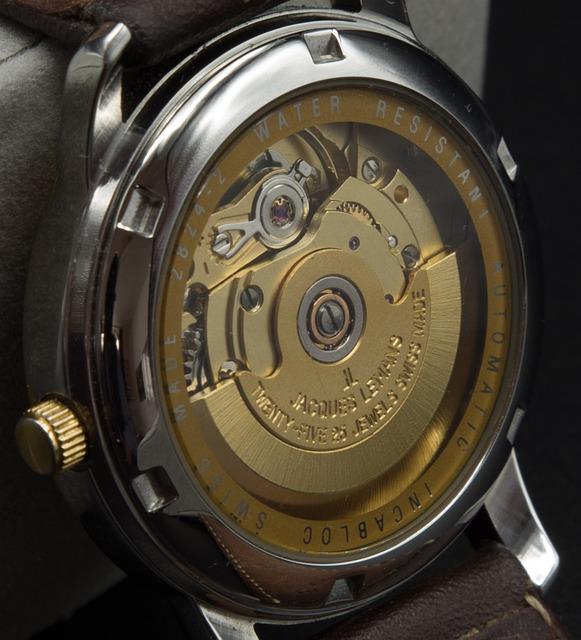
Do you ever wonder about the intricate inner workings of a mechanical watch and how each tiny component is meticulously crafted? In this article, we will delve into the fascinating world of watchmaking, exploring the meticulous craftsmanship that goes into creating each individual part of a mechanical watch. From gears and springs to balance wheels and escapements, let’s uncover the meticulous process behind the creation of these essential components that keep our timepieces ticking with precision. Join us on this journey as we explore the artistry and innovation that make mechanical watch parts truly one-of-a-kind.
Contents
- Introduction to Mechanical Watch Part Production
- Precision Engineering: The Heart of Mechanical Watch Parts
- Materials Used in Crafting Mechanical Watch Parts
- Production Processes: From Design to Assembly
- Artisans at Work: The Skilled Hands Behind Mechanical Watch Parts
- Quality Control in Mechanical Watch Part Manufacturing
- Innovation and Tradition: Balancing Old and New Techniques
- Sustainability in the Production of Mechanical Watch Parts
- Recommendations for Ensuring Longevity of Mechanical Watch Parts
- The Conclusion
Introduction to Mechanical Watch Part Production
In the intricate world of mechanical watch part production, every component plays a crucial role in ensuring the smooth functioning of the timepiece. From the intricate gears to the precise balance wheel, each part is meticulously crafted to create a masterpiece of mechanical engineering.
Craftsmanship is at the heart of mechanical watch part production, with skilled artisans and technicians working tirelessly to create components that meet the highest standards of quality and precision. The process involves a combination of traditional techniques and modern technology, with each part being carefully crafted and tested to ensure accuracy and durability.
Related: How Is a Mechanical Watch Made? Dive into Manufacturing
One of the key aspects of mechanical watch part production is the use of high-quality materials such as stainless steel, brass, and precious metals. These materials are carefully selected for their strength, durability, and aesthetic appeal, ensuring that each component is not only functional but also visually appealing.
From the precision cutting of gears to the intricate assembly of the movement, every step of the production process is carried out with precision and care. The end result is a mechanical watch that is not only a testament to the skill and expertise of the craftsmen who created it but also a work of art that will stand the test of time.

Precision Engineering: The Heart of Mechanical Watch Parts
When it comes to mechanical watch parts, precision engineering is truly the heart of the craft. Each tiny gear, lever, and spring is meticulously crafted to exact specifications, working together in perfect harmony to keep time ticking accurately. Dive into the world of craftsmanship and discover the intricate process of how these parts come to life.
One of the most important steps in creating mechanical watch parts is the design phase. Skilled watchmakers and engineers work together to meticulously plan out each component, ensuring that every aspect is perfectly calibrated. Computer-aided design (CAD) software is often used to create detailed 3D models, allowing for precision down to the smallest fraction of a millimeter.
Once the design is finalized, the manufacturing process begins. Many watch parts are made using cutting-edge technology such as CNC (computer numerical control) machines, which are capable of producing intricate shapes with incredible accuracy. Raw materials such as stainless steel, brass, and gold are carefully selected to ensure durability and longevity.
After the parts are machined, they undergo a series of finishing processes to enhance their aesthetics and functionality. This may include polishing, heat treating, and coating to give the parts their final appearance and performance characteristics. The end result is a beautifully crafted mechanical watch, where every component plays a vital role in keeping time with precision and elegance.

Materials Used in Crafting Mechanical Watch Parts
When it comes to crafting mechanical watch parts, precision and quality are key. The materials used play a crucial role in ensuring the durability and accuracy of the timepieces. Here are some of the materials commonly used in crafting mechanical watch parts:
- Stainless Steel: Known for its durability and resistance to corrosion, stainless steel is a popular choice for watch cases, bezels, and bracelets.
- Gold: Gold is often used for luxury watch cases and accents due to its elegance and timeless appeal.
- Titanium: Lightweight and hypoallergenic, titanium is commonly used in high-end watches for its strength and durability.
- Brass: Brass is frequently used for watch movements and components due to its malleability and ability to hold intricate details.
Each material brings its own unique characteristics to the table, allowing watchmakers to create timepieces that not only look stunning but also perform with accuracy and precision. By combining these materials with expert craftsmanship, mechanical watch parts are meticulously crafted to ensure the highest quality standards.

Production Processes: From Design to Assembly
When it comes to crafting mechanical watch parts, precision and expertise are key. The process begins with the initial design phase, where skilled watchmakers meticulously plan out each component down to the smallest detail. From intricate gears to delicate springs, every part is carefully thought out to ensure optimal functionality and performance.
Once the design is finalized, production begins with the creation of the individual components. Watch parts are typically made using a variety of techniques, including:
- CNC Machining: Computer Numerical Control (CNC) machines are used to precisely cut and shape metal parts according to the design specifications.
- Stamping: Thin sheets of metal are stamped with a die to create intricate shapes, such as gears and plates.
- Turning: Metal rods are rotated against a cutting tool to create cylindrical components like screws and pins.
| Material | Process |
|---|---|
| Stainless Steel | CNC Machining |
| Brass | Stamping |
| Gold | Turning |
After the components are manufactured, they undergo a series of finishing processes to refine their appearance and function. This may include polishing, coating, and heat treating to enhance durability and aesthetics. Finally, the individual parts are carefully assembled by skilled watchmakers to create a fully functional mechanical timepiece.

Artisans at Work: The Skilled Hands Behind Mechanical Watch Parts
In the intricate world of mechanical watchmaking, every component plays a crucial role in ensuring the timepiece functions with precision and reliability. Behind the scenes, skilled artisans with years of experience meticulously craft each tiny part that comes together to make a beautiful and functional mechanical watch. These artisans are the unsung heroes of the watchmaking industry, using their expertise and steady hands to create intricate components that are essential for the smooth operation of a timepiece.
One of the most fascinating aspects of mechanical watch parts is the level of precision and attention to detail that goes into their production. Every gear, spring, and screw is carefully crafted to exact specifications, ensuring that they fit together seamlessly to create a watch that performs flawlessly. This level of craftsmanship requires not only technical skill but also a deep understanding of the intricate workings of a mechanical watch.
When it comes to creating mechanical watch parts, traditional craftsmanship and modern technology often go hand in hand. While many components are still made by hand using age-old techniques, some parts are now produced with the help of cutting-edge machinery. This blend of old-world craftsmanship and modern innovation ensures that each watch part is made with the highest level of precision and quality, resulting in timepieces that are built to last for generations.
Artisans at work in a watchmaking atelier are often experts in a specific aspect of watchmaking, whether it be crafting intricate gears, tiny screws, or delicate balance springs. Each artisan brings their unique set of skills to the table, working together to create mechanical watch parts that are not only functional but also beautiful in their design. It is this dedication to excellence and passion for their craft that sets these skilled artisans apart and makes their work truly exceptional.
Quality Control in Mechanical Watch Part Manufacturing
In the meticulous world of mechanical watch part manufacturing, quality control is of the utmost importance. Each tiny component plays a crucial role in the overall functionality of the watch, so even the smallest imperfection can have significant consequences. From gears and springs to jewels and screws, every detail must be crafted with precision and accuracy.
To ensure the highest standards are met, manufacturers employ a variety of techniques and processes in their quality control initiatives. This includes thorough inspections at every step of the manufacturing process, as well as extensive testing to guarantee durability and accuracy. Additionally, advanced technology such as CNC machining and laser cutting are utilized to achieve unparalleled precision in the production of watch parts.
Craftsmanship is at the heart of mechanical watch part manufacturing, with skilled artisans dedicating countless hours to perfecting their craft. Each piece is meticulously crafted by hand, with an unwavering commitment to excellence and attention to detail. This dedication to quality is what sets mechanical watches apart from their mass-produced counterparts, making them a true work of art that stands the test of time.
Innovation and Tradition: Balancing Old and New Techniques
When it comes to mechanical watchmaking, the art of crafting watch parts requires a delicate balance between innovation and tradition. The process of creating these intricate components is a fascinating blend of old-world techniques and cutting-edge technology.
One of the oldest methods used in watchmaking is the art of handcrafting watch parts. Skilled artisans meticulously shape and polish each component, ensuring precision and quality. This traditional approach has been honed over centuries and continues to be a vital part of the watchmaking process.
On the other hand, modern advancements in technology have revolutionized the way watch parts are made. CNC (Computer Numerical Control) machines are now commonly used to produce components with unparalleled accuracy and efficiency. This innovative method allows for intricate designs and complex shapes to be created with ease.
Despite the advancements in technology, many watchmakers still rely on traditional methods to create certain components. The marriage of old and new techniques in watchmaking is a testament to the industry’s commitment to craftsmanship and quality.

Sustainability in the Production of Mechanical Watch Parts
In the intricate world of mechanical watchmaking, the production of watch parts is a meticulous process that requires a high level of skill and craftsmanship. Each component plays a crucial role in the functionality and accuracy of the timepiece, making sustainability an important consideration in the manufacturing process.
One way watchmakers ensure sustainability is by utilizing high-quality materials that are sourced responsibly. This helps to minimize the environmental impact of production and ensures the longevity of the watch parts. From stainless steel to sapphire crystal, every material is carefully chosen for its durability and sustainability.
In addition to materials, the production process itself plays a key role in sustainability efforts. By incorporating modern technology and machinery, watchmakers are able to streamline production processes, reduce waste, and minimize energy consumption. This not only benefits the environment but also helps to create more efficient and cost-effective manufacturing processes.
Overall, is a multi-faceted approach that encompasses material sourcing, manufacturing processes, and overall environmental impact. By focusing on these aspects, watchmakers can ensure that their timepieces not only stand the test of time but also contribute to a more sustainable future for the industry.
Recommendations for Ensuring Longevity of Mechanical Watch Parts
When it comes to ensuring the longevity of mechanical watch parts, there are several key recommendations that every watch enthusiast should follow. By taking proper care of your timepiece, you can help preserve its intricate craftsmanship and extend its lifespan. Here are some tips to keep in mind:
- Regular Servicing: One of the most important ways to maintain the longevity of your mechanical watch is to have it serviced regularly by a skilled watchmaker. This will help prevent any potential issues and ensure that all parts are functioning properly.
- Keep It Clean: Dust, dirt, and moisture can all damage the delicate parts of a mechanical watch. Use a soft cloth to gently clean the exterior of your watch, and avoid exposing it to harsh chemicals or solvents.
- Avoid Extreme Conditions: High temperatures, humidity, and magnetic fields can all have a negative impact on the movement of your watch. Store it in a cool, dry place away from electronic devices to help maintain its accuracy.
| Recommendation | Explanation |
|---|---|
| Regular Servicing | Prevent potential issues and ensure proper function |
| Keep It Clean | Avoid dust, dirt, and moisture damage |
| Avoid Extreme Conditions | Maintain accuracy by storing properly |
The Conclusion
As we’ve learned, the art of creating mechanical watch parts involves a meticulous process that requires precision, skill, and craftsmanship. From designing the intricate movements to delicately crafting each component by hand, watchmakers demonstrate an unparalleled level of dedication and expertise in their work. By understanding the intricate details behind the creation of mechanical watch parts, we can truly appreciate the beauty and complexity of these timeless timepieces. Remember, every ticking second on your wrist is a testament to the craftsmanship and dedication that goes into making each mechanical watch. So next time you glance at your watch, take a moment to marvel at the incredible artistry that lies beneath its surface.
Get our latest guides, news, and insights highlighted in your Google Search & AI Overviews.