How Do Automatic Watches Wind? Learn More!
Have you ever wondered how automatic watches work? Whether you’re a watch enthusiast or simply curious about the mechanics behind these timepieces, understanding how automatic watches wind can shed light on their intricate design and functionality. In this article, we’ll delve into the fascinating world of automatic watches and uncover the inner workings that keep them ticking. Stay tuned to learn more!
Contents
- – The Mechanics Behind Automatic Watch Winding
- – Understanding the Role of Rotors in Self-Winding Watches
- – Tips for Maintaining Proper Power Reserve in Automatic Watches
- Tips for Maintaining Proper Power Reserve in Automatic Watches
- – Exploring Different Methods of Automatic Watch Winding
- – Maximizing Efficiency: How to Keep Your Automatic Watch Running Smoothly
- – Common Misconceptions About Automatic Watch Winding
- – The Benefits of Consistent Wearing for Self-Winding Timepieces
- – Troubleshooting: What to Do When Your Automatic Watch Stops
- – Expert Advice on Extending the Lifespan of Your Automatic Watch
- – Embracing the Charm and Functionality of Automatic Watch Technology
- In Summary
– The Mechanics Behind Automatic Watch Winding
Automatic watches are a marvel of engineering, relying on the energy created by the wearer’s movements to keep them ticking. But how exactly does this fascinating process work? Let’s dive into the mechanics behind automatic watch winding:
Related: How Much Winding Automatic Watch? Learn More!
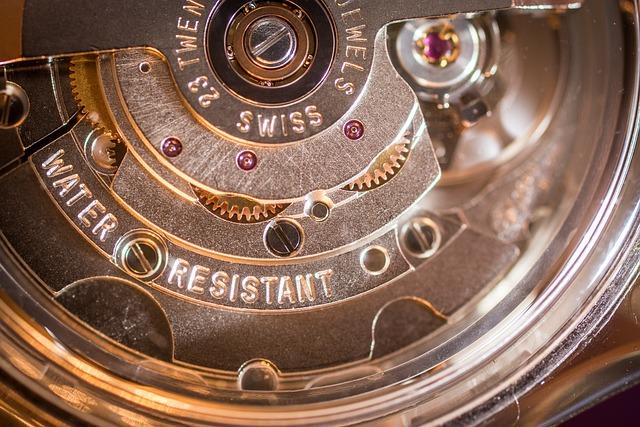
<p>1. **Rotor Movement:** At the heart of an automatic watch is a small weight called a rotor. This rotor is connected to the movement of the watch and swings freely as the wearer goes about their day. The movement of the rotor winds the mainspring, which powers the watch.</p>


<p>2. **Mainspring Storage:** The mainspring is a coiled strip of metal that stores the energy created by the winding rotor. As the mainspring unwinds, it releases this energy in a controlled manner to power the gears of the watch movement, keeping accurate time.</p>


<p>3. **Watch Regulation:** To ensure precise timekeeping, automatic watches are equipped with a regulator that controls the release of energy from the mainspring. This regulator can be adjusted to fine-tune the watch's accuracy.</p>


<p>4. **Maintenance:** While automatic watches are designed to keep themselves wound with regular wear, it's important to periodically have your watch serviced by a professional to ensure proper functioning. This includes cleaning, lubricating, and adjusting the movement to keep your timepiece running smoothly for years to come.</p>
– Understanding the Role of Rotors in Self-Winding Watches
Self-winding watches, also known as automatic watches, are a marvel of engineering that harnesses the natural motion of the wearer’s arm to keep the watch running without the need for manual winding. At the heart of this mechanism is the rotor, a critical component that plays a key role in winding the watch’s mainspring.
The rotor is a weighted piece that is connected to the movement of the watch. As the wearer moves their arm, the rotor swings back and forth, transferring energy to the mainspring. This energy is then stored in the mainspring and released gradually to power the watch’s movement.
One of the fascinating aspects of automatic watches is that they can also be hand-wound if they haven’t been worn for some time. This manual winding serves to provide an initial power reserve to the watch, ensuring it starts ticking once again.
In conclusion, the rotor in self-winding watches is a crucial component that allows these timepieces to operate without the need for manual winding. By understanding the role of the rotor, watch enthusiasts can appreciate the intricate mechanics behind their beloved timepieces even more.
– Tips for Maintaining Proper Power Reserve in Automatic Watches
Tips for Maintaining Proper Power Reserve in Automatic Watches
One of the key factors in ensuring your automatic watch functions properly is maintaining a proper power reserve. Here are some tips to help you keep your watch running smoothly:
- Wear your watch regularly to keep it wound up
- Rotate between multiple watches if you have a collection
- Consider investing in a watch winder to keep your watch running when not in use
- Store your watch in a cool, dry place to prevent any damage to the movement
By following these tips, you can help ensure that your automatic watch always has the power it needs to keep ticking accurately.

– Exploring Different Methods of Automatic Watch Winding
In the world of automatic watches, understanding how they wind is essential for their proper functioning. There are various methods of automatic watch winding, each with its own unique benefits. Let’s explore some of these methods to gain a better understanding of how automatic watches keep ticking!
One popular method of automatic watch winding is through the use of watch winders. **Watch winders** are devices designed to hold automatic watches and rotate them in order to keep them wound when they are not being worn. This is particularly useful for those with multiple watches, as it ensures that each watch is kept running smoothly.
Another method of automatic watch winding is through manual winding. **Manual winding** involves turning the crown of the watch by hand in order to wind the mainspring. While this method may seem old-fashioned, many watch enthusiasts enjoy the tactile experience of manually winding their watches.
Some automatic watches also feature **bi-directional winding mechanisms**, which allows the watch to wind in both directions as the rotor spins. This can help to ensure that the watch stays wound even with minimal movement throughout the day.
– Maximizing Efficiency: How to Keep Your Automatic Watch Running Smoothly
Automatic watches are mechanical timepieces that operate without the need for a battery. Instead, they rely on the movement of the wearer’s wrist to keep the watch running smoothly. Inside the watch, there is a rotor that moves with each movement of the wrist, which in turn winds the mainspring of the watch.
- This winding process is what provides power to the watch’s movement, allowing it to keep accurate time.
- It’s important to wear your automatic watch regularly to ensure that it stays wound and running smoothly.
But what happens if you don’t wear your watch for a few days? Don’t worry, most automatic watches have a power reserve that will keep the watch running for a certain amount of time even if it’s not being worn. However, if you leave your watch unworn for an extended period, it may stop running and need to be manually wound to start again.
| Tip: | If you have multiple automatic watches in your collection, consider using a watch winder to keep them all running smoothly at all times. |
|---|
– Common Misconceptions About Automatic Watch Winding
Many people have misconceptions about how automatic watches wind, leading to confusion and misinformation. Let’s debunk some of the common myths surrounding this topic.
Contrary to popular belief, automatic watches do not need to be wound manually. They have a built-in mechanism that winds the watch as you move your wrist throughout the day. This is known as the rotor, which spins with the movement of your arm, transferring energy to the mainspring and keeping the watch running.
Another misconception is that automatic watches do not require any maintenance. While they may not need to be manually wound, they still need to be serviced regularly to ensure they function properly. Over time, the oils inside the watch can dry out, affecting its accuracy and longevity.
It’s also a common myth that leaving your automatic watch unworn will cause it to stop. While it may lose power reserve if not worn for an extended period, most modern automatic watches have a power reserve of at least 40 hours, so they can typically be left unworn for a day or two without issue.

– The Benefits of Consistent Wearing for Self-Winding Timepieces
Self-winding timepieces, also known as automatic watches, offer numerous benefits when worn consistently. These watches are powered by the natural motion of the wearer’s wrist, eliminating the need for manual winding or a battery. By wearing your automatic watch regularly, you ensure that it stays wound and ready to keep accurate time.
Consistent wearing of self-winding timepieces can also help prolong the lifespan of the watch. The movement of the watch is designed to function optimally when in regular use, so wearing it regularly can prevent it from experiencing issues due to inactivity. Additionally, the oils in the movement are evenly distributed when the watch is in motion, which helps maintain its accuracy over time.
Another benefit of wearing your automatic watch consistently is the satisfaction of seeing it in action. Watching the intricate inner workings of a self-winding timepiece as it winds itself can be a fascinating and satisfying experience for watch enthusiasts. It adds an element of connection and appreciation for the craftsmanship behind these mechanical marvels.

– Troubleshooting: What to Do When Your Automatic Watch Stops
Automatic watches are unique timepieces that rely on the natural motion of the wearer’s arm to keep them running. Inside an automatic watch is a rotor that moves with the motion of the wrist, winding the mainspring that powers the watch. This allows the watch to function without the need for a battery or manual winding.
However, there may be times when your automatic watch stops running. If you find that your watch has stopped, don’t worry – there are a few simple troubleshooting steps you can take to get it ticking again.
Here are some tips to help troubleshoot when your automatic watch stops:
- Check if the watch is fully wound: Make sure the watch is fully wound by gently shaking it back and forth for a few minutes. This can help move the rotor and wind the mainspring.
- Wear the watch regularly: If you’re not wearing your automatic watch regularly, it may not be getting enough motion to stay wound. Make sure to wear it daily or consider using a watch winder to keep it moving.
- Check for any obstructions: Sometimes, dirt or debris can get inside the watch and prevent it from running properly. If you suspect this may be the issue, it’s best to take your watch to a professional for cleaning.

– Expert Advice on Extending the Lifespan of Your Automatic Watch
Automatic watches are a marvel of engineering, utilizing the energy generated by the movement of your wrist to keep accurate time. But how exactly does this process work? Let’s dive into the fascinating world of automatic watch winding.
Inside an automatic watch, there is a rotor that moves with the motion of your wrist. As the rotor spins, it winds the mainspring, which stores the energy needed to power the watch. This ingenious system allows the watch to function without the need for a battery, relying instead on the natural movements of the wearer.
To ensure that your automatic watch continues to run smoothly and accurately, it is important to wear it regularly. Consistent movement will keep the rotor spinning and the mainspring wound, preventing the watch from stopping. Additionally, regular servicing by a professional watchmaker can help prolong the lifespan of your timepiece.
By understanding how automatic watches wind and taking proper care of your timepiece, you can enjoy the beauty and precision of your watch for years to come. Remember to keep your watch moving and well-maintained to make the most of this remarkable piece of craftsmanship.

– Embracing the Charm and Functionality of Automatic Watch Technology
Automatic watches are a marvel of engineering, combining both charm and functionality in one elegant timepiece. These watches are powered by the natural motion of the wearer’s wrist, eliminating the need for manual winding or batteries. But have you ever wondered how automatic watches wind themselves?
Inside an automatic watch, there is a rotor that moves freely with the motion of the wearer’s wrist. As the rotor spins, it winds the mainspring, which stores the energy needed to power the watch. This ingenious mechanism allows the watch to keep accurate time without any external assistance.
One interesting fact about automatic watches is that they can also be hand-wound if needed. Simply turning the crown of the watch will manually wind the mainspring, ensuring that the watch is fully powered and ready to go. This versatility adds to the charm and appeal of automatic watches, making them a favorite among watch enthusiasts.
In Summary
In conclusion, automatic watches wind through the natural motion of the wearer’s arm, utilizing the energy generated to keep the watch running. Understanding how automatic watches wind can help you appreciate the craftsmanship and mechanics behind these timepieces. Keep in mind that regular wear is essential to ensure your automatic watch remains fully wound. By taking care of your watch and wearing it regularly, you can enjoy accurate timekeeping without the need for battery replacements. Thank you for learning more about how automatic watches wind, and we hope this information enhances your appreciation for these unique timepieces.
Get our latest guides, news, and insights highlighted in your Google Search & AI Overviews.