How Do I Adjust a Mechanical Watch for Faster Time? Tips and Tricks
Are you tired of constantly running late due to your mechanical watch running slow? Don’t worry, we’ve got you covered. In this article, we’ll provide you with practical tips and tricks on how to adjust your mechanical watch for faster time. So sit back, relax, and let’s get your watch ticking at the speed of light!
Contents
- How to Increase the Speed of a Mechanical Watch
- Key Factors to Consider Before Adjusting the Time
- Step-by-Step Guide to Speeding Up a Mechanical Watch
- Common Mistakes to Avoid When Adjusting Time
- Precision Tools and Techniques for Accurate Adjustments
- Understanding the Mechanics Behind a Mechanical Watch
- Tips for Maintaining Optimal Timing Accuracy
- Expert Advice on Calibrating Your Watch for Faster Time
- Troubleshooting Timekeeping Issues with Mechanical Watches
- Ensuring Longevity and Performance with Proper Adjustments
- The Conclusion
How to Increase the Speed of a Mechanical Watch
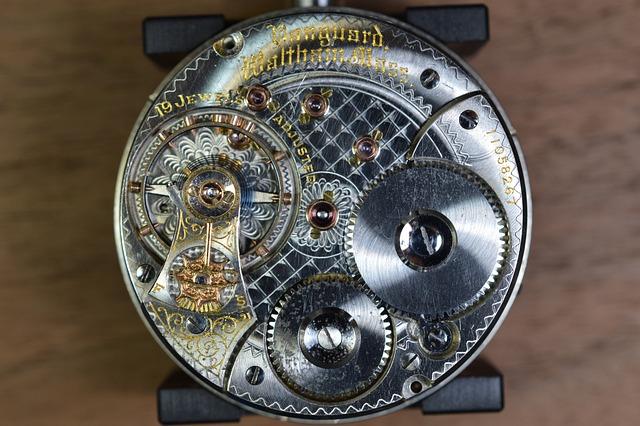
One way to adjust the speed of a mechanical watch for faster time is to regulate the movement of the watch. This can be done by carefully adjusting the regulator, which controls the length of the balance spring. The regulator can usually be found on the balance wheel, and by moving it slightly, you can speed up the movement of the watch.
Another way to increase the speed of a mechanical watch is to have it professionally serviced. A watchmaker can clean and lubricate the internal components of the watch, ensuring that they are working together smoothly and efficiently. This can help improve the overall accuracy and speed of the watch.
If you prefer to adjust the speed of your mechanical watch on your own, you can also try adjusting the tension of the mainspring. By carefully winding or unwinding the mainspring, you can control the amount of power that is being released into the movement, ultimately affecting the speed of the watch.
In addition to these tips, it’s important to remember that regular maintenance and care of your mechanical watch is crucial in maintaining its accuracy and speed. By following these tips and tricks, you can ensure that your watch is running smoothly and keeping time accurately.

Key Factors to Consider Before Adjusting the Time
When adjusting the time on a mechanical watch, there are several key factors to consider to ensure accuracy and prevent damage to the timepiece. Here are some important tips and tricks to keep in mind:
Turn the Crown Gently: When adjusting the time on a mechanical watch, always turn the crown gently and smoothly. Avoid applying too much force, as this can damage the delicate internal mechanisms of the watch.
Go Slow and Steady: When adjusting the time, it’s important to go slow and steady to ensure precision. Make small adjustments and observe the changes in the timekeeping of the watch before making further changes.
Check the Position of the Hands: Before adjusting the time, always check the position of the hands on the watch dial. Make sure the hour hand is not obstructed by the minute hand, as this can affect the accuracy of the time display.
- Consider Consulting a Professional: If you are unsure about adjusting the time on your mechanical watch, it’s always a good idea to consult a professional watchmaker. They have the expertise and tools to make precise adjustments without causing any damage to the watch.
Overall, taking these key factors into consideration before adjusting the time on your mechanical watch will help ensure accurate timekeeping and prolong the lifespan of your timepiece.
Step-by-Step Guide to Speeding Up a Mechanical Watch
To speed up a mechanical watch, there are a few simple steps you can follow to ensure accurate timing. Here is a step-by-step guide on how to adjust your watch for faster time:
1. Wind the Watch:
Ensure that your mechanical watch is fully wound before adjusting the time. Use the crown to wind the watch in a clockwise direction until you feel resistance. This will ensure that the watch has enough power to keep accurate time.
2. Use a Timing Machine:
If you have access to a timing machine, you can use it to check the accuracy of your watch and make any necessary adjustments. A timing machine measures the rate at which your watch is running and can help you determine if it is running too slow or too fast.
3. Adjust the Regulator:
Inside your watch, there is a regulator that controls the speed at which the watch runs. You can adjust the regulator to speed up or slow down the watch. Use a small screwdriver to make tiny adjustments to the regulator until your watch is running at the desired speed.
4. Test and Monitor:
After making adjustments, wear your watch for a few days to monitor its accuracy. Keep an eye on how much time it gains or loses each day and make additional adjustments as needed. It may take some trial and error to get your watch running at the perfect speed, so be patient and persistent in your efforts.
Common Mistakes to Avoid When Adjusting Time
When adjusting the time on a mechanical watch, there are some common mistakes that you should avoid to ensure that your timepiece stays in good condition. Here are some tips and tricks to help you adjust your watch for faster time:
- **Avoid turning the hands counter-clockwise:** When adjusting the time on your watch, always turn the hands in a clockwise direction. Turning the hands in the opposite direction can damage the movement of the watch.
- **Don’t adjust the time too quickly:** When setting the time on your watch, do it slowly and carefully. Rapidly adjusting the time can put unnecessary strain on the movement and compromise the accuracy of the watch.
- **Avoid adjusting the time during certain hours:** It is recommended not to adjust the time between the hours of 9 pm and 3 am, as this is the period when the gears inside the watch are most active. Adjusting the time during this time can affect the accuracy of the watch.
| Common Mistake | Correct Way |
|---|---|
| Turning hands counter-clockwise | Turn hands clockwise |
| Adjusting time too quickly | Set time slowly and carefully |
| Adjusting time during active hours | Avoid adjusting time between 9 pm – 3 am |

Precision Tools and Techniques for Accurate Adjustments
When adjusting a mechanical watch to run faster, it’s crucial to use precision tools and techniques to ensure accurate results. Here are some tips and tricks to help you achieve faster time on your watch:
- Regulating the Balance Wheel: One of the key components in a mechanical watch is the balance wheel, which controls the speed at which the watch runs. By carefully adjusting the balance wheel, you can fine-tune the timing of the watch to make it run faster.
- Adjusting the Hairspring: Another important element to consider when adjusting a mechanical watch is the hairspring. By adjusting the length and tension of the hairspring, you can impact the rate at which the watch runs, making it faster or slower as needed.
- Using a Timegrapher: To accurately measure the performance of your watch and make precise adjustments, consider using a timegrapher. This tool will provide valuable information about the watch’s rate, amplitude, and beat error, helping you make informed adjustments.
| Tool | Function |
|---|---|
| Screwdriver Set | For adjusting screws on the watch movement |
| Tweezers | For precision handling of watch components |
| Loupe | For close inspection of small watch parts |
By carefully using these tools and techniques, you can successfully adjust your mechanical watch for faster time and ensure accurate timekeeping for years to come.

Understanding the Mechanics Behind a Mechanical Watch
Adjusting a Mechanical Watch for Faster Time
If you find that your mechanical watch is running too fast, there are a few steps you can take to adjust it yourself. Here are some tips and tricks to help you get your watch back on track:
1. Check the Power Reserve:
Make sure your watch is fully wound. Mechanical watches need to be wound regularly to maintain accurate timekeeping. If your watch is not fully wound, it may run fast as the mainspring loses tension.
2. Regulation Screws:
Some mechanical watches have small screws on the balance wheel that can be adjusted to regulate the timekeeping of the watch. Turning these screws slightly can slow down the movement of the watch, helping it keep better time.
3. Temperature Adjustment:
Extreme temperatures can affect the accuracy of a mechanical watch. If your watch is running fast consistently, try keeping it in a cooler environment to see if it helps regulate the timekeeping.
| Adjustment Method | Effectiveness |
|---|---|
| Regulating screws | High |
| Power Reserve | Medium |
| Temperature Adjustment | Low |
By following these tips and tricks, you can adjust your mechanical watch for faster timekeeping and ensure that it continues to run accurately for years to come. Remember to handle your watch with care and consult a professional if you are unsure about making adjustments yourself.
Tips for Maintaining Optimal Timing Accuracy
When it comes to adjusting the timing accuracy of a mechanical watch, there are a few key tips and tricks to keep in mind. One of the most effective ways to make your watch run faster is to regulate the movement of the balance wheel. This can usually be done by adjusting the regulator arm, which controls the length of the hairspring that regulates the speed of the movement.
Another method for improving timing accuracy is to ensure that the watch is properly wound. Checking the power reserve of the watch and winding it regularly can help maintain optimal timing. Additionally, keeping the watch clean and free from dirt or debris can also help prevent any issues that may affect its accuracy.
For those who are more experienced with watchmaking, taking the watch to a professional for a full service and adjustment may be necessary to ensure that it is running at its best. This can involve disassembling the movement, cleaning and lubricating the parts, and making any necessary adjustments to improve timing accuracy.
Overall, by following these tips and tricks for maintaining optimal timing accuracy, you can ensure that your mechanical watch continues to run smoothly and accurately for years to come.

Expert Advice on Calibrating Your Watch for Faster Time
One common issue that watch owners might face is when their timepiece starts running faster than it should. If you notice that your mechanical watch is gaining time, it might be time for a calibration. Follow these expert tips and tricks to adjust your watch for faster time:
- Use a Timing Machine: A timing machine is a tool used to measure a watch’s precision and accuracy. By using a timing machine, you can easily determine how much your watch is gaining time and make the necessary adjustments.
- Adjust the Regulator: The regulator is a small lever that controls the rate at which the hairspring contracts and expands. By carefully moving the regulator slightly, you can fine-tune the speed of your watch and bring it back to the correct time.
- Seek Professional Help: If you’re unsure about adjusting your watch yourself, it’s always best to seek the help of a professional watchmaker. They have the expertise and tools needed to calibrate your watch accurately and safely.
By following these tips and tricks, you can ensure that your mechanical watch is running at the correct time and enjoy its precision for years to come.

Troubleshooting Timekeeping Issues with Mechanical Watches
If you find that your mechanical watch is running fast, there are a few simple adjustments you can make to correct the issue. Here are some tips and tricks to help you get your timepiece back on track:
- Regulate the Watch: If your watch is running fast, it may be running too quickly due to the balance being off. You can regulate the watch by adjusting the regulator on the balance wheel. This will help slow down the movement of the watch and correct the timekeeping.
- Check the Position: Make sure that your watch is not placed in a position that is causing it to run fast. For example, if you consistently leave your watch dial up at night, gravity may be affecting the movement. Try laying your watch in a different position and see if that helps with the timekeeping.
- Service the Watch: If you have tried regulating the watch and adjusting its position with no luck, it may be time to have your timepiece serviced by a professional. A watchmaker can help diagnose any underlying issues that may be causing the watch to run fast and make the necessary repairs.

Ensuring Longevity and Performance with Proper Adjustments
Adjusting a mechanical watch for faster time can be a simple process with the right know-how. By making proper adjustments, you can ensure the longevity and performance of your timepiece. Here are some tips and tricks to help you achieve accurate timekeeping:
– **Regulating the balance wheel:** One common method of adjusting the time on a mechanical watch is by regulating the balance wheel. This can be done by turning the regulator to either speed up or slow down the movement of the watch. By carefully adjusting the regulator, you can fine-tune the timekeeping of your watch.
– **Checking the beat error:** Another important aspect to consider when adjusting a mechanical watch is the beat error. This measures how accurately the pallet fork engages with the escape wheel. By adjusting the beat error, you can improve the overall performance of your watch.
– **Testing the accuracy:** Once you have made adjustments to your mechanical watch, it is important to test its accuracy. You can do this by comparing the time displayed on your watch with a reliable time source. If necessary, make additional adjustments until you are satisfied with the timekeeping of your watch.
In conclusion, by following these tips and tricks, you can ensure that your mechanical watch performs at its best. Proper adjustments are key to achieving accurate timekeeping and ensuring the longevity of your timepiece.
The Conclusion
In conclusion, adjusting a mechanical watch for faster time can be an easy task if done correctly. By following these tips and tricks, such as using a dedicated app, taking note of the time gained or lost, and seeking professional help if needed, you can ensure your watch is always keeping accurate time. Remember, patience and precision are key when making adjustments to avoid damaging your timepiece. With practice and the right tools, you can easily keep your mechanical watch running on time. Happy timekeeping!
Get our latest guides, news, and insights highlighted in your Google Search & AI Overviews.