How Do You Start a Mechanical Watch? Essential Steps
Are you fascinated by mechanical watches but unsure how to start one? Look no further! In this article, we will guide you through the essential steps on how to start a mechanical watch. By the end, you’ll be confidently ticking away with your timepiece. Let’s dive in!
Contents
- Understanding the Components of a Mechanical Watch
- Locating the Crown and Identifying its Function
- Winding the Watch: Directions and Recommendations
- Setting the Time and Date Correctly
- Avoid Overwinding: Tips to Prevent Damage
- Initiating the Movement: Ensuring Smooth Operation
- Troubleshooting Common Issues with Starting a Mechanical Watch
- Knowing When to Use a Watch Winder
- Taking Care of Your Mechanical Watch: Maintenance Tips
- Final Thoughts and Key Takeaways
- The Way Forward
Understanding the Components of a Mechanical Watch
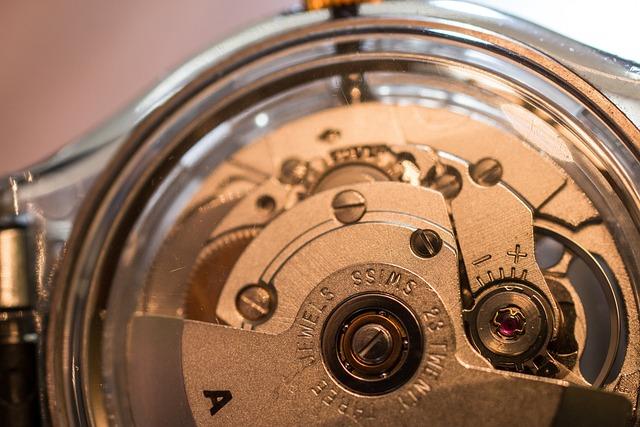
A mechanical watch is a fascinating piece of engineering, composed of various intricate components that work together to keep time accurately. Understanding the inner workings of a mechanical watch can help you appreciate its craftsmanship and functionality.
Related: How to Start My Watch Collection? Essential Steps
Here are some essential components of a mechanical watch:
- Movement: The movement is the heart of a mechanical watch, responsible for keeping time. It consists of gears, springs, and other components that work together to power the watch.
- Escapement: The escapement regulates the release of energy from the mainspring to the gear train, controlling the movement of the hands.
- Dial and Hands: The dial is the face of the watch, displaying the time, while the hands indicate hours, minutes, and sometimes seconds.
- Case and Crystal: The case houses the movement and protects it from damage, while the crystal (usually made of sapphire or mineral glass) covers the dial and hands.
By understanding these components and how they work together, you can gain a deeper appreciation for the artistry and precision that goes into creating a mechanical watch.

Locating the Crown and Identifying its Function
When it comes to starting a mechanical watch, locating the crown is the first essential step. The crown is a small button typically found on the side of the watch case. It serves multiple functions, such as setting the time, adjusting the date, and winding the watch.
To locate the crown, look for a small button on the side of the watch case. The crown may be screw-down or push/pull, depending on the watch model. To identify its function, it’s essential to understand the different positions of the crown. The three main positions are:
- Position 1: This is the default position where the crown is closed or pushed all the way in. In this position, the watch is usually running, and you can wear it as usual.
- Position 2: This position is used for setting the time. Gently pull the crown out to the second position to adjust the time by turning it clockwise or counterclockwise.
- Position 3: This is the final position used for functions like adjusting the date or winding the watch. Pull the crown out all the way to the third position to access these functions.
| Position | Function |
|---|---|
| 1 | Running/Wearing |
| 2 | Setting Time |
| 3 | Adjusting Date/Winding |

Winding the Watch: Directions and Recommendations
To properly wind a mechanical watch, there are a few essential steps to follow. First, locate the crown of the watch – this is the small knob usually found on the side of the watch case. Gently pull the crown outwards to its furthest position, which is usually when it clicks into place. This will allow you to wind the watch.
Next, start rotating the crown in a clockwise direction. Be sure to turn the crown slowly and steadily, as over-winding can cause damage to the watch movement. Keep winding until you feel resistance, indicating that the watch is fully wound. Do not force the crown past this point.
It’s important to note that different watches have different winding requirements. Some watches need to be wound daily, while others only need to be wound every few days. Refer to the watch’s user manual for specific recommendations. Remember, regular winding helps to ensure accurate timekeeping and prolong the life of your mechanical watch.
Setting the Time and Date Correctly
One of the most important steps in starting a mechanical watch is . This ensures that your watch functions accurately and keeps you on schedule. Here are some essential tips to help you get started:
- First, unscrew the crown of your watch and gently pull it out to the last position.
- Rotate the crown clockwise to set the time. Make sure to listen for the date change to avoid damaging the mechanism.
- To set the date, rotate the crown counterclockwise until you reach the desired date.
- Once you have set the time and date, push the crown back in and screw it tightly to maintain water resistance.
Remember to avoid setting the date between 9 pm and 3 am, as this is when the watch automatically changes the date and could cause damage if manually adjusted during this time. By following these steps, you can ensure that your mechanical watch is set accurately and functions properly.

Avoid Overwinding: Tips to Prevent Damage
When it comes to winding a mechanical watch, it’s important to strike a balance. Overwinding can cause damage to the delicate inner workings of the timepiece, leading to costly repairs down the line. To help you avoid this issue, here are some essential tips to prevent damage:
- Know Your Watch: Before winding your watch, familiarize yourself with its specific winding requirements. Some watches need to be wound daily, while others have a longer power reserve.
- Listen for Resistance: When winding your watch, pay attention to any resistance you feel. Once you feel resistance, stop winding to prevent overwinding.
- Follow Manufacturer Instructions: If your watch came with specific winding instructions from the manufacturer, be sure to follow them closely to avoid damaging the watch.
- Regular Maintenance: To ensure your watch functions properly and prevent overwinding, consider getting it serviced by a professional watchmaker every few years.

Initiating the Movement: Ensuring Smooth Operation
When it comes to starting a mechanical watch, there are a few essential steps to ensure smooth operation. To initiate the movement of your watch, follow these simple guidelines:
- Before starting your mechanical watch, make sure it is fully wound. To do this, gently turn the crown clockwise until you feel resistance.
- Once the watch is wound, pull the crown out to the time-setting position. Turn the crown clockwise to set the hands to the correct time.
- Push the crown back in once the time is set. Gently screw the crown back into place to ensure the watch remains water-resistant.
By following these steps, you can ensure that your mechanical watch starts smoothly and continues to operate accurately. Remember to regularly wind your watch to keep it running smoothly and accurately.

Troubleshooting Common Issues with Starting a Mechanical Watch
One common issue that watch enthusiasts often encounter when starting a mechanical watch is difficulty in getting the watch to tick. If you’re experiencing this problem, there are a few steps you can take to troubleshoot and potentially fix the issue.
First, make sure the watch is fully wound. Mechanical watches rely on manual winding to power the movement, so if the watch has not been wound properly, it may not start ticking. Use the crown to wind the watch until you feel resistance, then stop winding to avoid overwinding.
If the watch is fully wound and still not ticking, check the power reserve indicator if your watch has one. This will give you an idea of how much power the watch has left. If the power reserve is low, you may need to wear the watch for a while or give it a few more winds to get it going.
Another common issue with starting a mechanical watch is improper storage. If the watch has been sitting idle for a long time, the oils inside the movement may have dried up, causing the watch to stop working. In this case, it’s best to take the watch to a professional watchmaker for servicing and lubrication.
In some cases, the issue may be with the setting mechanism rather than the movement itself. Make sure the hands are not obstructed and are set to the correct time. If the hands are stuck or not moving smoothly, it may be a sign that the watch needs to be cleaned and regulated by a professional. By following these essential steps, you can troubleshoot common issues with starting a mechanical watch and ensure that your timepiece is ticking smoothly.
Knowing When to Use a Watch Winder
When it comes to keeping your mechanical watch in optimal condition, is essential. A watch winder is a device that is designed to keep automatic watches wound when they are not being worn. This is especially important for watches with complex complications or perpetual calendars that require continuous movement to stay accurate.
One of the key benefits of using a watch winder is that it helps to extend the life of your watch by keeping the movement lubricated and preventing the gears from becoming stagnant. This is particularly important for watches that are not worn every day, as regular winding helps to ensure that the watch functions properly when you do decide to wear it.
It’s important to note that not all watches require a watch winder. If you have a manual-wind watch that you wear regularly, you may not need to invest in a watch winder. However, if you have multiple automatic watches or watches with complications that are not worn daily, a watch winder can be a valuable investment.
Ultimately, the decision of whether or not to use a watch winder depends on your individual watch collection and wearing habits. If you want to ensure that your watch is always ready to wear and functioning at its best, using a watch winder can be a practical and convenient solution.
Taking Care of Your Mechanical Watch: Maintenance Tips
When it comes to caring for your mechanical watch, starting it properly is key to ensuring its longevity and accuracy. Follow these essential steps to begin your watch correctly:
- Wind the Watch: If your mechanical watch is manual-winding, gently turn the crown clockwise to wind the mainspring. Be careful not to overwind as this can cause damage.
- Set the Time: Pull the crown out to the second position and turn it clockwise to set the time to the desired hour and minute.
- Set the Date (if applicable): For watches with a date complication, pull the crown out to the first position and turn it counterclockwise to adjust the date.
- Push the Crown Back In: Once you have set the time and date, gently push the crown back in to its original position to ensure the watch is properly sealed.
Final Thoughts and Key Takeaways
Now that you know how to start a mechanical watch, it’s important to remember a few key takeaways to ensure the longevity and accuracy of your timepiece.
- Handle with care: Mechanical watches are delicate instruments, so always handle them with care to avoid damaging the movements.
- Regular servicing: To keep your watch running smoothly, it’s essential to have it serviced by a professional watchmaker every 3-5 years.
- Keep it wound: If you have a manual-wind watch, make sure to wind it regularly to keep the mainspring tension consistent.
By following these essential steps and taking good care of your mechanical watch, you can enjoy its beauty and functionality for years to come. Remember, a mechanical watch is not just a timekeeping device, but a piece of craftsmanship that deserves to be treasured.
The Way Forward
In conclusion, starting a mechanical watch may seem daunting at first, but with the proper knowledge and technique, it can be a simple and rewarding process. Remember to wind the watch gently, set the time and date correctly, and wear it regularly to keep it running smoothly. By following these essential steps, you can enjoy the beauty and craftsmanship of your mechanical watch for years to come. Happy timekeeping!
Get our latest guides, news, and insights highlighted in your Google Search & AI Overviews.