How Long Can Automatic Watch Last? Discover the Durability
Have you ever wondered just how long your automatic watch can last? If so, you’re not alone. In the world of timepieces, durability is a crucial factor that every watch enthusiast considers. After all, investing in a quality automatic watch is a decision that deserves careful consideration. In this article, we’ll dive into the fascinating world of watchmaking to uncover the true durability of automatic watches. By exploring the intricate mechanisms and craftsmanship behind these timekeepers, we’ll provide you with all the knowledge you need to make an informed choice and ensure your watch stands the test of time. So, sit back, relax, and join us on a journey to discover the astonishing durability of automatic watches.
Contents
- How Long Can Automatic Watches Last?
- The Role of Movements in Determining Watch Lifespan
- Factors Affecting the Durability of Automatic Watches
- Understanding the Importance of Regular Maintenance
- Daily Wear and Tear: How It Impacts Watch Longevity
- The Influence of Water Resistance on Watch Lifespan
- The Significance of Watch Materials in Longevity
- Protective Measures: Tips for Extending Your Automatic Watch’s Lifespan
- Quality versus Price: Finding the Balance for a Long-Lasting Watch
- The Lifespan of Automatic Watches: Debunking Common Myths
- Final Thoughts
How Long Can Automatic Watches Last?
Automatic watches are known for their timeless elegance and sophisticated craftsmanship. But how long can these mechanical wonders truly last? The answer may surprise you. Unlike their quartz counterparts, which rely on batteries to keep ticking, automatic watches have a unique self-winding mechanism that uses the wearer’s motion to power the movement. This intricate system eliminates the need for batteries and ensures that the watch keeps running as long as it is being worn regularly.
Related: How Long Does Tissot Powermatic 80 Last? Durability Examined
So, how long can an automatic watch last? Well, the good news is that with proper care and maintenance, an automatic watch can last a lifetime and beyond. Unlike quartz watches, which may require battery replacements every couple of years, automatic watches are designed to be heirloom pieces that can be passed down through generations.
To ensure the longevity of your automatic watch, it is important to follow a few simple guidelines. Firstly, make sure to wind the watch regularly, especially if it has not been worn for a few days. This will keep the movement lubricated and prevent any parts from seizing up. Secondly, avoid exposing the watch to extreme temperatures, as this can damage the delicate internal components. Lastly, it is recommended to have your watch serviced by a professional every 3-5 years to ensure that everything is in optimal working condition.
Benefits of Automatic Watches:
- No need for batteries: Unlike quartz watches, automatic watches are powered by the wearer’s motion, making them an eco-friendly choice.
- Timelessly elegant: Automatic watches are often handcrafted with meticulous attention to detail, resulting in exquisite timepieces that never go out of style.
- Collector’s value: Some automatic watches are considered coveted collector’s items, gaining value over time.
- Part of watchmaking heritage: Automatic watches showcase the artistry and precision of traditional watchmaking, keeping the legacy alive.
| Feature | Advantage |
| Self-winding | No need for manual winding or battery replacements |
| Aesthetic appeal | Elegant design and craftsmanship |
| Durable construction | Built to last, can be passed down as an heirloom |
When it comes to the durability of automatic watches, it’s safe to say that they can endure the test of time when cared for properly. With their intricate movements and timeless designs, these watches are not just timekeeping devices but also exquisite pieces of art that can be cherished for generations.

The Role of Movements in Determining Watch Lifespan
The movement of a watch plays a crucial role in determining its lifespan. Whether you have an automatic, mechanical, or quartz movement, each type offers its own set of advantages and considerations when it comes to durability and longevity.
Automatic watches, often referred to as self-winding or mechanical watches, are beloved for their intricate craftsmanship and timeless appeal. These watches are powered by the natural motion of the wearer’s wrist, which engages a rotating weight known as a rotor. This rotor winds the mainspring, storing energy that keeps the watch ticking. With proper care and regular maintenance, an automatic watch can last for decades, even generations. The durability of an automatic movement largely depends on the quality of its components and the craftsmanship of the watchmaker. Some high-end automatic watches are equipped with shock absorbers and anti-magnetic properties, further enhancing their durability.
On the other hand, mechanical watches require manual winding to keep them running. While they may be less popular in today’s fast-paced world, they are sought-after by collectors and enthusiasts for their intricate movements and historical significance. With proper maintenance, a well-crafted mechanical watch can last for many years. However, they do require more frequent service and attention compared to their automatic counterparts.
Quartz watches, powered by a battery, are known for their accuracy and affordability. They are highly durable and require minimal maintenance. In general, a quartz watch can last for several years before needing a battery replacement. However, the overall lifespan of a quartz movement can vary depending on the quality of components and the care it receives.
When it comes to determining the durability of a watch, it’s important to consider factors such as water resistance, scratch-resistant materials, and the overall construction of the timepiece. Investing in a reputable brand and ensuring regular servicing can significantly extend the lifespan of any watch. So, whether you prefer the elegance of an automatic or the precision of a quartz watch, taking proper care of your timepiece will ensure that it lasts for many years to come.
| Movement Type | Lifespan |
| —————– | ————- |
| Automatic | Decades |
| Mechanical | Many years |
| Quartz | Several years |
Factors Affecting the Durability of Automatic Watches
Automatic watches have long been cherished for their craftsmanship and reliability. However, their durability can be influenced by several factors that are worth understanding. By considering these factors, you can ensure that your automatic watch will stand the test of time and continue to function flawlessly.
1. Movement Type
The movement, or the mechanism inside a watch that drives its timekeeping functions, plays a significant role in its durability. Automatic watches typically use either mechanical or quartz movements. While both have their advantages, mechanical movements are known for their longevity. With proper maintenance and occasional servicing, the precision-engineered gears and springs of a mechanical movement can keep your watch ticking accurately for decades.
2. Water Resistance
Water resistance is another crucial factor in determining the durability of an automatic watch. A timepiece designed to withstand water exposure is more likely to withstand the challenges of everyday wear and tear. However, it is important to note that water resistance ratings can vary greatly among watches. Some are only splash-resistant, while others are suitable for swimming or even diving to great depths. Understanding the water resistance of your watch and avoiding excessive water exposure will help protect its delicate components from damage.
3. Materials and Construction
The quality of materials used in the construction of an automatic watch can significantly impact its durability. Look for watches made from robust and corrosion-resistant materials such as stainless steel, titanium, or ceramic. Additionally, a well-crafted watch with sturdy construction ensures that its internal components are protected from shocks and impacts. A sapphire crystal, known for its scratch resistance, can also help maintain the watch’s longevity by preserving its clear and unobstructed dial.
4. Maintenance and Care
The longevity of an automatic watch greatly depends on the care and maintenance it receives. Regularly servicing your watch every 5 to 10 years can prevent potential issues and ensure that the movement remains in optimal condition. It is also important to keep your watch clean and protect it from excessive heat, strong magnetic fields, and extreme shocks. Additionally, ensuring proper storage in a watch box or case when not in use will help prevent unnecessary wear and tear.
By considering these factors and providing the necessary care, your automatic watch can last a lifetime, becoming a cherished heirloom or a symbol of your timeless style and sophistication.

Understanding the Importance of Regular Maintenance
Regular maintenance is crucial when it comes to preserving the longevity of your automatic watch. While these timepieces are built to withstand the test of time, neglecting proper maintenance can significantly reduce their lifespan. To ensure that your automatic watch lasts for years to come, it’s essential to understand the importance of regular upkeep.
1. Preventing Wear and Tear: Automatic watches contain intricate mechanisms and delicate parts that require regular care. By adhering to a maintenance schedule, you can prevent unnecessary wear and tear caused by dirt, dust, and moisture. Routine cleaning and lubrication help to keep the movement running smoothly and minimize friction, ultimately prolonging the watch’s lifespan.
2. Maintaining Accuracy: Over time, the accuracy of an automatic watch may start to diminish. This can occur due to several factors, including natural aging, exposure to magnetic fields, or simply the accumulation of dust and debris. Regular maintenance involves adjusting the timekeeping accuracy, ensuring that your watch remains reliable and precise.
3. Preserving Investment Value: Automatic watches are not only functional timepieces but also valuable investments. A well-maintained watch is much more likely to retain or even increase its value over time. Regular servicing and upkeep, including regular inspections and professional cleaning, help to preserve the condition of your watch, safeguarding its worth.
4. Identifying Potential Issues: Regular maintenance provides an opportunity to spot any potential problems early on. By taking your automatic watch to a professional for inspections, they can identify any defects, loose parts, or signs of damage. Addressing these issues promptly can prevent them from escalating into more significant problems and avoid costly repairs down the line.
In conclusion, regular maintenance is vital for ensuring the durability of your automatic watch. By preventing wear and tear, maintaining accuracy, preserving investment value, and identifying potential issues, you can enjoy your timepiece for many years to come. Don’t underestimate the power of regular care – it’s the key to extending the life of your automatic watch.
Daily Wear and Tear: How It Impacts Watch Longevity
Watches are not just functional time-telling devices; they are also a form of self-expression and style statement. We wear them every day, subjecting them to various activities and environmental factors that can affect their longevity. Daily wear and tear is inevitable, and it’s crucial to understand how it impacts the longevity of an automatic watch.
One of the main factors that can affect the durability of an automatic watch is its exposure to water. While some automatic watches are water-resistant, prolonged or repeated exposure to water can damage the internal components and compromise its functionality. It is important to be mindful of the water-resistance rating of your watch and avoid exposing it to water beyond its specified limits.
Another aspect to consider is the impact of physical activities on your watch’s longevity. Vibrations and shocks from activities such as sports or heavy manual labor can affect the delicate internal mechanisms of the watch. While modern automatic watches are designed to withstand some level of shock, excessive exposure to such activities can cause damage over time. It’s essential to strike a balance between enjoying your watch and being mindful of its limitations during physically demanding activities.
The regular maintenance and servicing of your automatic watch are crucial for its longevity. Just like any mechanical device, watches require periodic cleaning and lubrication to ensure smooth operation. By following the recommended service intervals and getting your watch serviced by a qualified professional, you can prevent problems and prolong its lifespan.
In summary, the daily wear and tear on an automatic watch can significantly impact its longevity. By understanding and being mindful of the factors mentioned above, you can ensure that your watch lasts for years to come. Regular maintenance, avoiding excessive exposure to water, and being mindful of physical activities will help preserve the beauty and functionality of your automatic watch.
The Influence of Water Resistance on Watch Lifespan
Water resistance is a crucial factor to consider when assessing the durability and lifespan of an automatic watch. A watch that is not adequately protected against water can suffer significant damage, leading to costly repairs or even rendering it completely unusable. So, just how does water resistance affect the longevity of a timepiece?
Water resistance is typically measured in meters or atmospheres (ATM), indicating the pressure the watch can withstand without water penetration. It is important to note that water resistance does not mean the watch is invulnerable to water, but rather that it can withstand a certain level of exposure.
Watches with higher water resistance ratings usually feature enhanced sealing mechanisms, such as rubber or silicone gaskets, screw-down crowns, and casebacks. These features provide an extra layer of protection against water intrusion, making the watch more durable in water-related activities, such as swimming or snorkeling.
The longevity of an automatic watch can also be influenced by water resistance when it comes to regular maintenance and servicing. Water resistance is essential during the timepiece’s servicing, as the watchmaker needs to open and access the movement without risking water damage. A higher water resistance rating ensures that the watch can be safely disassembled and reassembled, allowing for thorough cleaning, lubrication, and adjustments.
| Water Resistance Rating | Usage and Exposure |
|---|---|
| 30m (3ATM) | Suitable for everyday wear, splash resistant, but not suitable for submersion in water. |
| 100m (10ATM) | Safe for swimming, snorkeling, and recreational water activities, but not suitable for diving. |
| 200m (20ATM) | Appropriate for recreational scuba diving, but not for professional diving or saturation diving. |
It is important to remember that water resistance may decrease over time due to aging, wear and tear, or damaged seals. Therefore, regular servicing and maintenance are crucial in ensuring the continued water resistance and longevity of the watch.
To conclude, the influence of water resistance on the lifespan of an automatic watch cannot be underestimated. A higher water resistance rating not only provides greater protection against water damage during daily activities but also facilitates maintenance and servicing. By choosing a watch with an appropriate water resistance rating and investing in regular maintenance, you can ensure that your timepiece remains functional and withstands the test of time.
The Significance of Watch Materials in Longevity
When it comes to the lifespan of an automatic watch, one crucial factor that often gets overlooked is the choice of materials used in its construction. The materials not only determine the watch’s durability but also play a vital role in its performance and overall longevity.
Stainless Steel: It’s no surprise that stainless steel is a favorite among watchmakers due to its exceptional strength and resistance to corrosion. This robust material safeguards your timepiece against everyday wear and tear, ensuring it stands the test of time. With its versatility and timeless appearance, stainless steel watches continue to grace our wrists for generations.
Sapphire Crystal: The watch’s face is equally essential, and sapphire crystal proves to be an invaluable material in enhancing longevity. Engineered using synthetic sapphire, this material is exceptionally scratch-resistant, keeping your watch’s dial crystal clear for years to come. With its superior clarity and transparency, sapphire crystal offers unmatched protection and often used in high-end timepieces.
Ceramic: Over the years, ceramic has gained popularity in the watchmaking industry due to its impressive durability. This lightweight yet robust material offers exceptional scratch resistance, making it a great choice for sporty or outdoor watches. Ceramic timepieces not only look sleek and modern but also endure harsh conditions, ensuring they remain intact and polished.
While these are just a few examples, the significance of watch materials cannot be underestimated. Investing in a watch with high-quality materials not only guarantees longevity but also enhances the overall value and aesthetic appeal. So, the next time you admire a timepiece, take a moment to appreciate the craftsmanship and meticulous choice of materials that contribute to its durability, performance, and lasting beauty.
Protective Measures: Tips for Extending Your Automatic Watch’s Lifespan
Without proper care, even the most durable automatic watches can face premature wear and tear. To ensure your timepiece stands the test of time, follow these protective measures:
Regular Servicing: Just like any mechanical device, automatic watches require servicing to maintain their performance. It is recommended to have your watch serviced by a professional every 3-5 years. During this process, the watchmaker will clean, oil, and adjust the intricate mechanisms, ensuring optimal functionality.
Avoid Magnetic Fields: Magnetic fields can wreak havoc on the accuracy of your automatic watch. Stay away from strong magnetic fields, such as those generated by speakers, laptops, and even some cell phones. If your watch does get exposed to a magnetic field, take it to a professional for demagnetization.
Protect from Water: While some automatic watches are water-resistant, it is crucial to know their specific limits. Always check the manufacturer’s guidelines and avoid exposing your watch to water beyond its recommended depth. Additionally, ensure the crown is securely screwed down to prevent any water from seeping into the delicate internals.
- Store Properly: When not in use, store your watch in a clean and dry environment to protect it from dust, moisture, and accidental bumps. Avoid placing it next to powerful magnets, such as those found in speakers or computer components. If possible, store your watch in its original box or a watch winder, which keeps the automatic movement running smoothly.
| Table: Water Resistance Ratings | Rating | Depth Rating |
|---|---|---|
| 30M | 3 ATM | |
| 50M | 5 ATM | |
| 100M | 10 ATM | |
| 200M | 20 ATM | |
| 300M | 30 ATM |
Remember, investing in an automatic watch is a commitment to craftsmanship and attention to detail. By taking these protective measures, you can extend the lifespan of your watch, ensuring it remains a reliable timekeeping companion for years to come.
Quality versus Price: Finding the Balance for a Long-Lasting Watch
When it comes to purchasing a wristwatch, finding the right balance between quality and price is essential. After all, you want a watch that not only looks stylish on your wrist but also lasts for years to come. Automatic watches, in particular, have a reputation for their durability and longevity. But just how long can an automatic watch last?
One of the key factors that determine the lifespan of an automatic watch is the quality of its components. High-quality automatic watches are typically built with meticulous attention to detail, using premium materials such as stainless steel cases and sapphire crystals. These components not only contribute to the watch’s aesthetic appeal but also enhance its durability.
Another important factor to consider is the movement of the watch. Automatic watches are powered by the natural movement of the wearer’s wrist, eliminating the need for battery replacements. This self-winding mechanism, coupled with proper maintenance and servicing, can significantly extend the lifespan of the watch.
To ensure your automatic watch stands the test of time, it’s crucial to follow a few maintenance practices. Firstly, it’s recommended to regularly wind the watch manually if it hasn’t been worn for a while. This helps keep the movement properly lubricated and functioning smoothly. Additionally, storing your watch in a watch box or case when not in use can protect it from dust, moisture, and accidental damage.
While automatic watches are known for their durability, it’s important to note that they are not immune to wear and tear. Over time, some components may need to be replaced, and servicing the watch periodically is crucial to maintain its accuracy and longevity.
In conclusion, if you’re seeking a long-lasting watch, consider investing in a quality automatic timepiece. With proper care and maintenance, a well-made automatic watch can serve you faithfully for many years, making it a worthwhile investment for any watch enthusiast. So, find the perfect balance between quality and price and enjoy the timeless appeal of an automatic watch on your wrist.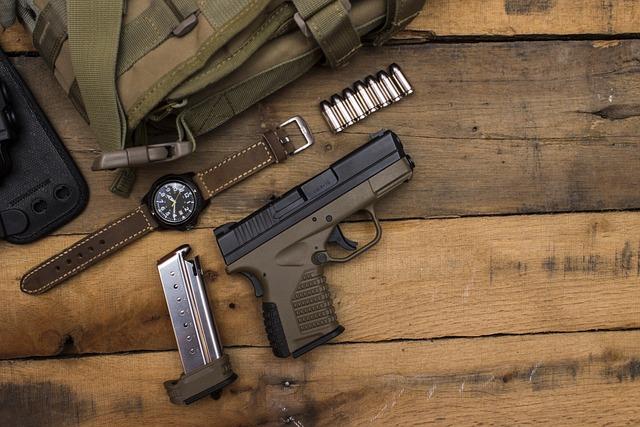
The Lifespan of Automatic Watches: Debunking Common Myths
There are several myths surrounding the lifespan of automatic watches that often cause confusion among watch enthusiasts. In this post, we aim to debunk these common misconceptions and shed light on the true durability of these timepieces.
Myth 1: Automatic watches require constant winding to last.
Contrary to popular belief, automatic watches do not require constant winding to remain operational. Thanks to their intricate self-winding mechanisms, these watches can keep running simply through the motion of your wrist. This means that as long as you wear your automatic watch regularly, it will continue to function smoothly without the need for manual winding.
Myth 2: Automatic watches have a short lifespan.
Another myth we frequently encounter is the belief that automatic watches have a short lifespan compared to their quartz counterparts. However, this is far from the truth. Given proper care and maintenance, an automatic watch can last for decades, and in some cases even generations. The key lies in regular servicing and keeping the watch away from extreme temperatures and magnetic fields.
Myth 3: Power reserve affects the durability of automatic watches.
Some people assume that a longer power reserve in an automatic watch results in a more durable timepiece. While a longer power reserve may be desirable for those who don’t wear their watch daily, it doesn’t directly impact the durability of the watch itself. The longevity of an automatic watch is determined by the quality of its movement and the care it receives from its owner.
Myth 4: Automatic watches are delicate and easily damaged.
Although automatic watches are often crafted with precision and delicate craftsmanship, they are not as fragile as some may think. Modern automatic watches are designed to withstand everyday wear and tear, and many are built with durable materials such as stainless steel and sapphire crystal. While they should be handled with care like any other valuable item, automatic watches are built to withstand the test of time.
In conclusion, the lifespan of automatic watches is not as limited as commonly believed. With regular wear, proper maintenance, and keeping them away from extreme conditions, these timepieces can last for many years and become cherished heirlooms. So, enjoy the durability and reliability of your automatic watch, knowing that it is built to stand the test of time.
Final Thoughts
In summary, the durability of automatic watches proves to be a testament to their exceptional craftsmanship and engineering. These timepieces can last for decades, with proper care and maintenance. By relying on self-winding mechanisms, they eliminate the need for batteries, offering a timeless and eco-friendly solution. Additionally, the meticulous construction of automatic watches ensures their unyielding resistance to various external factors, such as shocks and water. Whether you’re a watch aficionado or someone new to the automatic watch realm, understanding their longevity is key. So, rest assured that investing in an automatic watch can provide you with a reliable companion that will truly stand the test of time.
Get our latest guides, news, and insights highlighted in your Google Search & AI Overviews.