How Does a Mechanical Self-Winding Watch Work? Dive into the Mechanism
Have you ever wondered how a mechanical self-winding watch keeps ticking without needing to be wound manually? In this article, we will take a close look at the fascinating mechanism behind these timepieces and discover how they work. Get ready to dive into the world of mechanical watchmaking and unlock the mysteries of self-winding watches.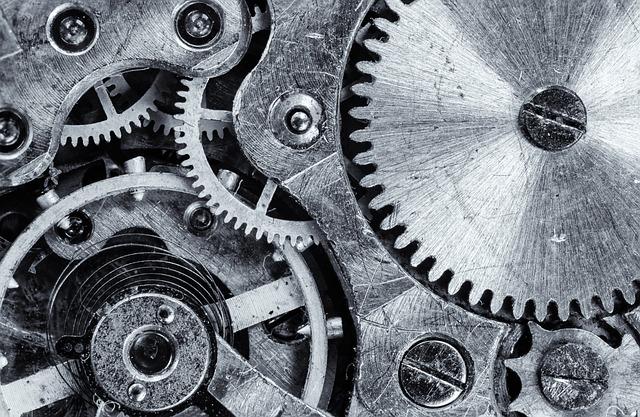
Contents
- Introduction to Mechanical Self-Winding Watches
- The Components of a Self-Winding Watch Mechanism
- Understanding the Role of the Rotor in Self-Winding Watches
- Exploring the Gear Train System in Mechanical Watches
- The Importance of the Mainspring in Self-Winding Watches
- How Automatic Movement Keeps Self-Winding Watches Ticking
- Tips for Maintaining and Caring for Your Self-Winding Watch
- Advantages of Self-Winding Watches Over Quartz Watches
- Comparing Automatic Movement with Manual Winding Mechanisms
- Concluding Remarks
Introduction to Mechanical Self-Winding Watches
Mechanical self-winding watches, also known as automatic watches, are a marvel of engineering and craftsmanship. These timepieces operate without the need for a battery or manual winding, utilizing the natural motion of the wearer’s wrist to keep the watch running.
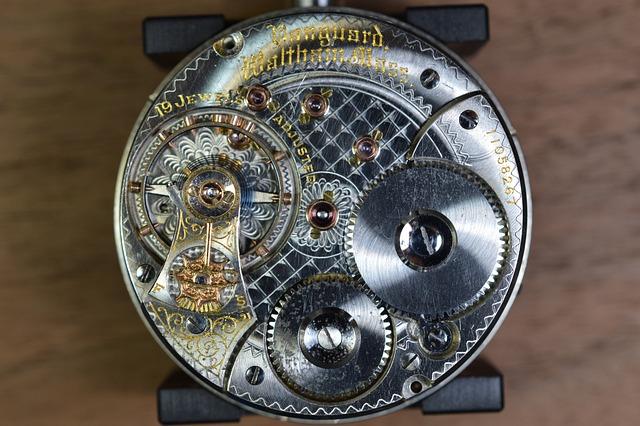
The mechanism in a mechanical self-winding watch consists of several key components working together seamlessly to power the watch. One of the main components is the rotor, a weighted mechanism that spins with the motion of the wrist. As the rotor spins, it winds the mainspring, which stores the energy needed to keep the watch moving.
Related: Dive into Details: How Does a Mechanical Wrist Watch Work?
Inside the watch, a series of gears and springs work to regulate the release of energy from the mainspring, ensuring the watch’s accuracy and precision. The escapement mechanism, which includes the pallet fork and escape wheel, controls the release of energy from the mainspring in precise intervals, allowing the watch to keep time reliably.
Overall, the intricate mechanics of a mechanical self-winding watch are a testament to the artistry and craftsmanship of watchmaking. These timepieces not only tell time but also showcase the incredible skill and precision that goes into creating them.

The Components of a Self-Winding Watch Mechanism
When it comes to understanding the intricate inner workings of a self-winding mechanical watch, it’s essential to explore the various components that make up this fascinating mechanism. Let’s delve into the essential parts that work together harmoniously to keep your timepiece ticking accurately.
- Main Spring: This is the heart of the self-winding watch mechanism, storing energy when you wind the watch and releasing it gradually to power the movement.
- Rotor: The rotor is a weighted component that moves as your wrist does, winding the main spring through kinetic energy.
- Escapement: Responsible for regulating the release of energy from the main spring, ensuring the watch keeps accurate time.
- Gears and Wheels: A series of gears and wheels transmit the energy from the mainspring to the hands of the watch, allowing them to move smoothly and consistently.
By understanding these essential components of a self-winding watch mechanism, you can appreciate the intricate craftsmanship and design that goes into creating a timepiece that not only tells time but also captures the imagination of watch collectors and enthusiasts worldwide.
Understanding the Role of the Rotor in Self-Winding Watches
The rotor in a self-winding watch plays a crucial role in keeping the watch running smoothly without the need for manual winding. This small, weighted part is connected to the movement of the wearer’s wrist, allowing it to swing back and forth as the wrist moves. As the rotor moves, it winds the watch’s mainspring, storing energy to power the watch.
Here are some key points to help you understand the role of the rotor in self-winding watches:
– **Automatic Winding**: The rotor is designed to spin freely in both directions, winding the mainspring in the process. This continuous winding action ensures that the watch remains powered as long as it is being worn and moved.
– **Efficiency**: The efficiency of the rotor’s winding mechanism is crucial for the consistent and accurate functioning of a self-winding watch. Manufacturers carefully design the rotor to ensure optimal winding efficiency.
– **Design Variations**: Different watchmakers may incorporate unique rotor designs in their self-winding watches. Some rotors may be partially skeletonized or decorated to add aesthetic appeal, while still serving their functional purpose.
– **Maintenance**: While the rotor is a key component in self-winding watches, it typically requires minimal maintenance. Regular servicing by a professional watchmaker can ensure that the rotor continues to function properly and prolong the lifespan of the watch.
Exploring the Gear Train System in Mechanical Watches
In a mechanical self-winding watch, the gear train system is a crucial component that plays a key role in the functionality of the timepiece. This intricate system is responsible for transmitting the energy from the mainspring to various parts of the watch, allowing it to accurately keep time. Let’s dive into the mechanism of how this gear train system works:
– **Key Components**: The gear train system consists of several key components, including gears, pinions, and wheels. These components work together to transfer the energy generated by the mainspring throughout the watch.
– **Power Transmission**: As the mainspring unwinds, it releases stored energy that is transmitted through the gear train system. This energy is then used to power the escapement mechanism, which regulates the movement of the watch’s hands.
– **Regulation**: The gear train system also plays a crucial role in regulating the speed at which the watch runs. By carefully controlling the ratio of teeth on the gears and pinions, watchmakers can ensure that the watch keeps accurate time.
– **Precision Engineering**: The gear train system in mechanical watches is a testament to the precision engineering that goes into creating these intricate timepieces. Each component is carefully designed and constructed to work seamlessly together, resulting in a watch that not only looks beautiful but also functions flawlessly.
The Importance of the Mainspring in Self-Winding Watches
In a mechanical self-winding watch, the mainspring is a crucial component that powers the timepiece. It stores potential energy when wound up and releases this energy slowly to regulate the movement of the watch hands. The mainspring is located inside the barrel, which is connected to the gear train. As the mainspring unwinds, it transmits energy to the escapement, which controls the release of energy in a regulated manner to ensure accurate timekeeping.
The mainspring in a self-winding watch is wound up either manually or by the movement of the wearer’s wrist. When the watch is worn, the natural motion of the wrist causes the rotor (a weight inside the watch) to rotate. This rotation winds the mainspring, storing energy for the watch to function. If the watch is not worn for a period of time, it may stop running due to the mainspring running out of energy. In this case, the watch will need to be manually wound to restart the movement.
The mainspring is a key element in the intricate mechanism of a self-winding watch, ensuring that the timepiece continues to function accurately. Regular maintenance and care of the mainspring are essential to keep the watch running smoothly and precisely. Understanding can help watch enthusiasts appreciate the craftsmanship and engineering behind these elegant timepieces.

How Automatic Movement Keeps Self-Winding Watches Ticking
When it comes to self-winding watches, the key component that keeps them ticking effortlessly is the automatic movement. This sophisticated mechanism harnesses the power of your daily movements to keep the watch wound and running smoothly. Curious about how it all works? Let’s dive into the intricate mechanism that drives these timepieces.
At the heart of a self-winding watch is the rotor, a small weight that moves freely within the watch case. As you go about your day, the rotor swings back and forth with your wrist movements. This motion winds the mainspring, which is the power source of the watch. This continuous winding process ensures that the watch maintains a consistent level of tension, keeping it running accurately.
Moreover, the automatic movement includes a series of gears and springs that work together to regulate the timekeeping function of the watch. These intricate components ensure that the hands of the watch move smoothly and accurately, providing you with reliable timekeeping day in and day out.
Tips for Maintaining and Caring for Your Self-Winding Watch
One key aspect of a self-winding watch is its mechanism, which allows the watch to wind itself as you move your arm throughout the day. This mechanism is powered by the movement of a rotor inside the watch, which spins and winds the mainspring. The mainspring stores the energy needed to power the watch, allowing it to keep accurate time without the need for a battery.
To ensure that your self-winding watch continues to function properly, it’s essential to follow some tips for maintenance and care. Here are some key tips to help you keep your self-winding watch in top condition:
– **Wear your watch regularly**: By wearing your watch regularly and keeping it moving, you ensure that the rotor inside the watch stays active and continues to wind the mainspring.
– **Avoid extreme temperatures and magnets**: Extreme temperatures and exposure to magnets can affect the accuracy and performance of your self-winding watch. Store your watch in a cool, dry place away from magnetic fields.
– **Keep it clean**: Regularly clean your self-winding watch with a soft, dry cloth to remove any dirt or grime that may accumulate. Avoid using water or chemicals that may damage the watch.
– **Service your watch**: To keep your self-winding watch in top condition, it’s recommended to have it serviced by a professional watchmaker every 3-5 years. This will ensure that all the internal components are functioning properly and will help extend the lifespan of your timepiece.
Advantages of Self-Winding Watches Over Quartz Watches
One of the key is their timeless appeal and classic craftsmanship. A mechanical self-winding watch works by harnessing the natural motion of the wearer’s wrist to power the watch movement. This intricate mechanism allows the watch to operate without the need for a battery, making it a more sustainable and environmentally friendly choice.
Another advantage of self-winding watches is their durability and longevity. With proper maintenance and care, a quality self-winding watch can last for generations, becoming a cherished heirloom that can be passed down from one generation to the next. This is in stark contrast to quartz watches, which often have a limited lifespan due to their reliance on electronic components.
Additionally, self-winding watches offer a level of precision and craftsmanship that is unmatched by quartz watches. The intricate inner workings of a mechanical watch are a testament to the artistry and skill of watchmakers, with each component meticulously crafted and assembled by hand. This attention to detail results in a timepiece that not only keeps accurate time but also exudes a sense of luxury and sophistication that is sure to turn heads.
In conclusion, the are numerous, from their timeless appeal and sustainability to their durability and precision. Investing in a quality self-winding watch is not just a purchase, but a lifelong commitment to artistry and craftsmanship that is sure to stand the test of time.
Comparing Automatic Movement with Manual Winding Mechanisms
In the world of horology, the debate between automatic movement and manual winding mechanisms has been ongoing for decades. Both systems have their unique features and advantages, making them a popular choice among watch enthusiasts. Let’s dive into the mechanism of a mechanical self-winding watch and explore how it works.
**Automatic Movement:**
– Also known as self-winding, automatic movement utilizes the natural motion of the wearer’s wrist to power the watch.
– Inside the watch, there is a rotor that moves with the motion of the wrist, rotating and winding the mainspring.
– This continuous motion keeps the watch wound and ensures that it stays running without the need for manual winding.
– Automatic movement watches are convenient for those who wear their timepiece daily, as the watch stays wound as long as it is worn regularly.
**Manual Winding Mechanism:**
– On the other hand, manual winding mechanisms require the wearer to turn the crown of the watch manually to wind the mainspring.
– This hands-on approach allows the wearer to have direct control over the winding process and ensures that the watch is fully wound.
– Manual winding watches are preferred by those who enjoy the ritual of winding their timepiece daily and appreciate the connection to the watch’s inner workings.
– While manual winding may require more effort compared to automatic movement, some watch enthusiasts find it to be a satisfying and rewarding experience.
Overall, the choice between automatic movement and manual winding mechanisms ultimately comes down to personal preference and the wearer’s lifestyle. Whether you prefer the convenience of an automatic watch or the hands-on approach of a manual winding timepiece, both systems offer a unique and fascinating look into the world of mechanical watches.
Concluding Remarks
In conclusion, the inner workings of a mechanical self-winding watch are both intricate and fascinating. By delving into the mechanism, we can see how the watch harnesses the natural movement of the wearer to power itself. From the rotor to the mainspring, each component plays a crucial role in keeping accurate time. So next time you glance at your self-winding watch, remember the intricate dance happening beneath its surface. Happy timekeeping!
Get our latest guides, news, and insights highlighted in your Google Search & AI Overviews.