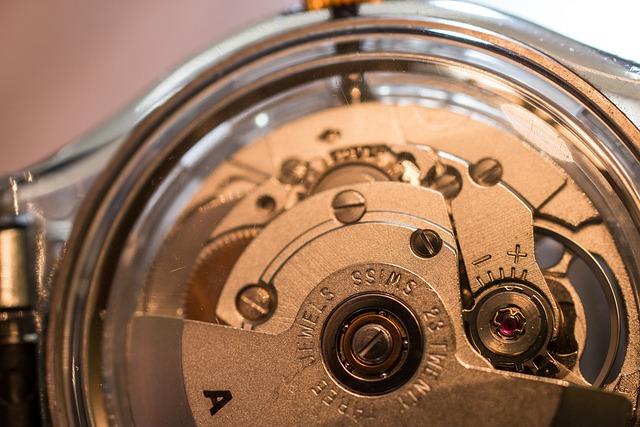
Restart Your Style: How to Restart a Mechanical Watch
Have you ever found yourself staring at your trusty mechanical watch, wondering why it’s stopped ticking? It’s time to press the reset button on your timepiece and restart your style. In this guide, we’ll walk you through the step-by-step process of restarting a mechanical watch, so you can keep your accessory game strong and your watch ticking like new. Let’s get started!
Contents
How Mechanical Watches Work: A Brief Overview
When it comes to mechanical watches, understanding how they work can help you appreciate the craftsmanship behind these timeless pieces. Mechanical watches rely on a series of intricate components working together to keep accurate time. The key components of a mechanical watch include:
- **Mainspring:** A tightly wound coil that stores energy.
- **Gear Train:** Transfers energy from the mainspring to the escapement.
- **Escapement:** Controls the release of energy to the gear train in precise intervals.
- **Balance Wheel:** Oscillates back and forth, regulating the movement of the gear train.
As the mainspring unwinds, it releases energy that powers the gear train, escapement, and balance wheel, causing the hands of the watch to move. The smooth, sweeping motion of the second hand on a mechanical watch is a telltale sign of its quality and craftsmanship.
If you ever find yourself needing to restart a mechanical watch, there are a few steps you can take to ensure it starts running smoothly again. First, gently wind the crown of the watch in a clockwise direction. Avoid overwinding, as this can damage the movement. Once the watch is wound, set the time by pulling the crown out to the appropriate position and turning it in the desired direction. Finally, push the crown back in gently to start the movement.

Common Reasons Why Mechanical Watches Stop
There are several ticking. Understanding these factors can help you troubleshoot and potentially fix the issue yourself. Here are some of the most frequent reasons why your mechanical watch may have stopped:
- Low Power Reserve: Mechanical watches need to be wound regularly to maintain their power reserve. If you haven’t wound your watch in a while, it may have simply run out of power.
- Impact or Shock: Mechanical watches are delicate instruments, and a hard impact or shock can disrupt their inner workings, causing them to stop.
- Magnetic Fields: Exposure to magnetic fields can interfere with the delicate balance of a mechanical watch, causing it to stop working properly.
- Dirt or Debris: Dirt, dust, or other debris can find its way into a watch and disrupt its movement, causing it to stop ticking.
If your mechanical watch has stopped, don’t panic. There are a few steps you can take to try and restart it yourself. First, try winding the watch to see if that kickstarts the movement. If that doesn’t work, you may need to take it to a professional watchmaker for further assistance.

Tips for Properly Winding Your Watch
When it comes to properly winding your mechanical watch, there are a few key tips to keep in mind to ensure it stays running smoothly and accurately. Here are some helpful suggestions:
- Consistency is key: It’s important to wind your watch at the same time every day to maintain its accuracy.
- Avoid overwinding: Once you feel resistance while winding, stop immediately to prevent damage to the movement.
- Gently wind: Use a steady, gentle motion when winding your watch to avoid putting too much pressure on the delicate components.
- Keep track: Consider keeping a log of when you last wound your watch to ensure you don’t forget or accidentally overwind it.
By following these simple tips, you can ensure that your mechanical watch continues to keep time accurately and reliably.

Checking the Power Reserve: What to Look For
When restarting a mechanical watch, it’s crucial to check the power reserve to ensure it is functioning optimally. Here are some key things to look for:
- Full Wind: Make sure the watch is fully wound before restarting it. This will help to ensure the power reserve is at its maximum capacity.
- Smooth Movement: When winding the watch, pay attention to how smoothly the crown turns. Any resistance or grinding could indicate an issue with the power reserve.
- Consistent Running: After restarting the watch, keep an eye on how long it runs for. A healthy power reserve should keep the watch running smoothly for at least 24 hours.
By checking these key factors, you can ensure that your mechanical watch is in top condition and ready to restart with style.

The Importance of Regular Servicing for Mechanical Watches
Regular servicing for mechanical watches is crucial in order to maintain their accuracy, longevity, and overall performance. Just like any finely tuned machine, a mechanical watch requires regular care and attention to ensure it functions at its best. By neglecting to service your watch, you run the risk of it losing time, becoming less accurate, or even breaking down entirely.
During a servicing, a skilled watchmaker will disassemble the watch, clean and lubricate the moving parts, check for any wear or damage, and make any necessary adjustments. This process helps to prevent any potential issues from arising in the future and ensures that your watch continues to run smoothly for years to come.
By investing in regular servicing for your mechanical watch, you are not only taking care of a valuable timepiece but also preserving a piece of craftsmanship and heritage. So, don’t wait until something goes wrong – schedule a servicing for your mechanical watch today and keep it running in top condition for the long haul.
Concluding Remarks
In conclusion, restarting a mechanical watch may seem like a daunting task, but with the right knowledge and tools, it can be easily accomplished. Remember to follow the steps outlined in this article to ensure a smooth and successful restart of your timepiece. By taking the time to properly restart your watch, you can keep it running smoothly and accurately for years to come. So don’t be afraid to give it a try and breathe new life into your favorite mechanical watch. Happy timekeeping!
Get our latest guides, news, and insights highlighted in your Google Search & AI Overviews.