How Does a Mechanical Watch Keep the Date? Essential Mechanism
Ever wondered how a mechanical watch manages to accurately display the date day after day? In this article, we will explore the essential mechanisms that enable a mechanical watch to keep track of the date with precision and reliability. Join us as we delve into the inner workings of these intricate timepieces and uncover the fascinating world of horological engineering.
Contents
- How a Mechanical Watch Displays the Date
- Understanding the Key Components of a Date Mechanism
- Exploring the Ingenious Design Behind Datekeeping in Watches
- The Role of the Day Wheel in Datekeeping Functions
- Mechanical Watches: A Delicate Balance of Precision Engineering
- Tips for Maintaining the Datekeeping Function in Mechanical Watches
- The Importance of Regular Servicing for Datekeeping Accuracy
- Common Datekeeping Issues in Mechanical Watches and How to Address Them
- Enhancing Your Knowledge of Date Mechanisms in Mechanical Watches
- To Conclude
How a Mechanical Watch Displays the Date
In a mechanical watch, the date display functions through a series of intricate mechanisms that work together seamlessly. One essential component is the date disc, which is a circular plate with numbers 1 through 31 printed around the edge. This disc is connected to the movement of the watch and advances one position at midnight.
To ensure accurate date tracking, a date jumper mechanism is utilized. This mechanism consists of a spring-loaded lever that jumps the date disc forward at the stroke of midnight. It ensures the date changes smoothly and precisely without any lag.
Related: The Big Question: Why Does My Mechanical Watch Keep Stopping?
Another important part is the date wheel, which is directly connected to the date disc. The date wheel has teeth on its outer edge that mesh with the date jumper lever. When the date jumper lever moves, it rotates the date wheel, causing the date disc to advance to the next date.
Overall, the combination of the date disc, date jumper mechanism, and date wheel in a mechanical watch results in a reliable and accurate date display system that adds functionality and sophistication to the timepiece.

Understanding the Key Components of a Date Mechanism
The key components of a date mechanism in a mechanical watch are crucial for keeping track of the date accurately. Understanding how these components work together can help you appreciate the intricate engineering behind these timepieces.
One essential component is the date wheel, which has the numbers 1-31 printed on it. This wheel rotates incrementally each day to display the correct date. The mechanism that moves the date wheel is usually powered by the watch movement itself, ensuring precise movement.
Another critical part is the jumper spring, which advances the date wheel by one day at midnight. This small spring is responsible for the smooth transition of the date display without any skips or errors. It is designed to engage with the teeth on the date wheel and move it precisely.
The setting mechanism, controlled by the crown of the watch, allows you to adjust the date manually. When you pull out the crown to the correct position, it disengages the jumper spring, so you can set the date to the desired number. Once the crown is pushed back in, the jumper spring re-engages, and the date mechanism continues its automatic progression.
Overall, the intricate interplay of these key components ensures that a mechanical watch can keep track of the date accurately and reliably, adding to the charm and functionality of these timeless timepieces.
Exploring the Ingenious Design Behind Datekeeping in Watches
When it comes to the intricate world of mechanical watches, the design behind datekeeping is truly a marvel of engineering. While the concept of displaying the date on a watch seems simple, the mechanism behind it is anything but. Let’s delve into how a mechanical watch keeps track of the date with precision and elegance.
At the heart of the datekeeping mechanism in a mechanical watch is the date wheel. This wheel has the numbers 1-31 printed around its circumference, representing the days of the month. As the watch movement progresses through the days, the date wheel rotates accordingly to display the current date.
One essential component in this mechanism is the date change wheel. This wheel is responsible for moving the date wheel forward precisely at midnight. It does so with the help of a special spring that stores energy throughout the day, releasing it at the exact moment to advance the date without disrupting the watch’s timekeeping.
In conclusion, the ingenious design behind datekeeping in mechanical watches showcases the intricate craftsmanship and precision engineering that goes into creating these timepieces. The seamless operation of the date mechanism reflects the artistry and dedication of watchmakers in ensuring that every detail, no matter how small, is meticulously crafted to perfection.

The Role of the Day Wheel in Datekeeping Functions
One essential mechanism in mechanical watches that is crucial for datekeeping functions is the day wheel. This component plays a vital role in displaying the correct day of the month on the watch dial. The day wheel is typically located underneath the watch dial and is linked to the movement of the watch.
The day wheel in a mechanical watch consists of 31 teeth, each corresponding to a day of the month. As the watch movement progresses, the day wheel rotates slowly, moving the correct day into position to be displayed on the watch dial. This intricate mechanism allows the watch to accurately keep track of the date throughout the month.
When the watch reaches the end of a 31-day month, the day wheel mechanism is designed to skip over any extra days and jump straight to the first day of the following month. This ensures that the watch stays in sync with the correct date and continues to function accurately.
Overall, the day wheel in a mechanical watch is a key component that enables the watch to keep track of the date effectively. Its precise movement and design play a crucial role in ensuring that the watch always displays the correct day of the month, making it a fundamental part of datekeeping functions in mechanical timepieces.

Mechanical Watches: A Delicate Balance of Precision Engineering
Overview of Mechanical Watches
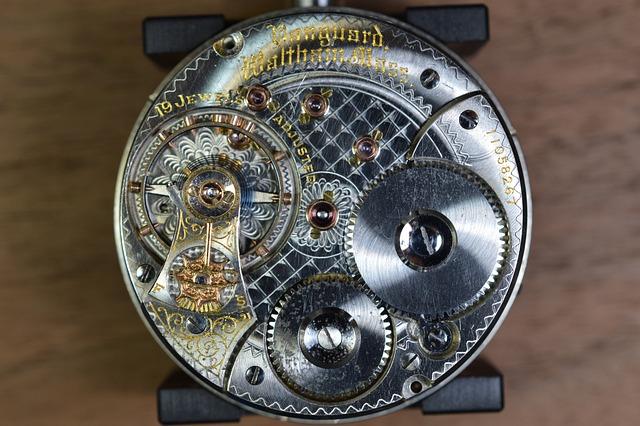
Mechanical watches are a fascinating display of precision engineering, combining intricate components to keep time with remarkable accuracy. Each intricate part in a mechanical watch plays a crucial role in ensuring its smooth operation and reliability. One of the essential mechanisms in a mechanical watch is the date complication, which adds functionality and convenience to the timepiece.
How a Mechanical Watch Keeps the Date
The date complication in a mechanical watch is typically driven by a complex system of gears, levers, and springs that work together seamlessly to advance the date display at midnight each day. This mechanism requires precise calibration and fine-tuning to ensure that the date changes accurately and smoothly without any hiccups. Here’s how a mechanical watch keeps the date with precision and elegance:
- Date Wheel: The date wheel is a circular disc with numbers engraved on it, located beneath the dial of the watch.
- Date Jumper: The date jumper is a small lever that advances the date wheel by one increment at midnight.
- Date Corrector: The date corrector allows the wearer to manually adjust the date display if necessary.
Key Components in a Mechanical Watch
| Balance Wheel | Regulates the accuracy of the watch by oscillating back and forth at a consistent rate. |
| Escapement | Controls the release of energy from the mainspring to the gear train in precise increments. |
| Mainspring | Stores energy generated by winding the watch and provides power to the movement. |

Tips for Maintaining the Datekeeping Function in Mechanical Watches
When it comes to maintaining the datekeeping function in mechanical watches, there are a few key tips to keep in mind to ensure your timepiece continues to function properly. One essential mechanism to be aware of is the date wheel, which is responsible for displaying the correct date on the watch face. This wheel is typically located beneath the dial and is connected to the movement of the watch.
To keep the date function working smoothly, here are some tips to follow:
- Regular Winding: Make sure to wind your mechanical watch regularly to keep the movement functioning properly. This will help ensure that the date wheel continues to turn and display the correct date.
- Avoid Quick Date Changes: Avoid changing the date on your watch between the hours of 9 pm and 3 am, as this is the time when the date mechanism is engaged in changing the date. Rapidly changing the date during this time can put unnecessary strain on the mechanism.
- Service Regularly: It’s important to have your mechanical watch serviced regularly by a professional watchmaker. This will help ensure that all the internal components, including the date mechanism, are in good working order.

The Importance of Regular Servicing for Datekeeping Accuracy
Regular servicing is crucial for maintaining the accuracy of a mechanical watch, especially when it comes to keeping track of the date. The intricate mechanism responsible for changing the date requires proper maintenance to ensure that it functions correctly. Without regular servicing, this mechanism can become worn out or damaged, leading to inaccuracies in the datekeeping function.
During a servicing, a watchmaker will disassemble the movement and carefully clean and lubricate the parts that control the date change. This helps to prevent any friction or excess wear that could interfere with the smooth operation of the date mechanism. Additionally, any worn or damaged components can be identified and replaced, ensuring that the date function continues to work accurately.
By investing in regular servicing for your mechanical watch, you can prolong its lifespan and keep the date function working as intended. Whether you have a simple date window or a more complex perpetual calendar, proper maintenance is key to ensuring that your watch stays in top condition. Don’t overlook the importance of servicing in preserving the accuracy of your timepiece’s datekeeping function.
Common Datekeeping Issues in Mechanical Watches and How to Address Them
One common issue that mechanical watches encounter when it comes to keeping the date is the misalignment of the date display. This can happen when the date changes at a slightly different time than it should, causing confusion for the wearer. To address this, you can manually adjust the date by advancing the time past midnight and then back to the correct date.
Another issue that may arise is the date wheel getting stuck or not advancing properly. This can happen due to dirt or debris obstructing the movement of the date wheel. To fix this, you can try gently tapping the watch on your palm to dislodge any debris or take it to a professional watchmaker for a thorough cleaning.
If you notice that the date changes irregularly or inconsistently, it could be a sign that the date complication is faulty. In this case, it’s best to seek professional help to diagnose and repair the issue before further damage occurs. Remember, regular maintenance and care for your mechanical watch can help prevent these datekeeping issues and ensure its longevity and accuracy.
Enhancing Your Knowledge of Date Mechanisms in Mechanical Watches
Understanding how a mechanical watch keeps track of the date is essential for any watch enthusiast. The mechanism responsible for this function relies on a clever system of gears and springs working together seamlessly.
The basic principle behind how a mechanical watch keeps the date involves a date wheel with numbers 1 through 31, driven by the movement of the watch. On the last day of each month, the date wheel advances by one increment, ensuring the accurate display of the current date.
The date changeover typically occurs at midnight, where a quick change mechanism within the watch engages to swiftly advance the date wheel. This mechanism ensures the date changes without interrupting the timekeeping function of the watch.
It’s fascinating to delve into the intricate details of how date mechanisms in mechanical watches operate. By enhancing your knowledge of these mechanisms, you can appreciate the craftsmanship and engineering that goes into creating a reliable and accurate timepiece.
To Conclude
In conclusion, the intricate mechanism behind how a mechanical watch keeps track of the date is truly fascinating. By utilizing a combination of gears, levers, and springs, mechanical watches are able to accurately display the date without the need for batteries or digital technology. Understanding the essential mechanism behind this intricate process sheds light on the craftsmanship and precision that goes into creating these timeless timepieces. Next time you glance at your mechanical watch and marvel at the date display, you can appreciate the complex engineering that makes it all possible.
Get our latest guides, news, and insights highlighted in your Google Search & AI Overviews.