How Does a Mechanical Watch Move? Understanding Mechanisms
Mechanical watches have been a symbol of precision and craftsmanship for centuries, but have you ever wondered how they actually work? In this article, we will delve into the intricate mechanisms that power a mechanical watch, uncovering the fascinating world of gears, springs, and escapements. Join us as we explore the inner workings of these timeless timepieces and discover the magic behind their movements.
Contents
- How a Mechanical Watch Functions
- Key Components of a Mechanical Watch Movement
- Understanding the Escapement Mechanism
- Different Types of Gear Trains in Mechanical Watches
- The Role of the Balance Wheel in Regulating Time
- Exploring the Energy Source for Mechanical Watches
- Impact of Lubrication on Watch Movement Efficiency
- Common Issues with Mechanical Watch Mechanisms
- Maintenance Tips for Keeping Your Watch Movement in Top Condition
- In Summary
How a Mechanical Watch Functions
A mechanical watch functions through a series of intricate mechanisms working together to keep time accurately. At the heart of a mechanical watch is the mainspring, which is wound either manually or automatically through the movement of the wearer’s wrist. As the mainspring unwinds, it releases energy that powers the watch.
The escapement mechanism regulates the release of energy from the mainspring, controlling the movement of the gears and hands of the watch. The balance wheel, which oscillates back and forth, works in conjunction with the escapement to ensure accurate timekeeping. The gear train transmits the energy from the mainspring to the hands of the watch, allowing them to move at the correct pace.
The beauty of a mechanical watch lies in its craftsmanship and precision engineering. Each component is meticulously designed and assembled, creating a timepiece that not only tells time but also reflects the artistry and skill of the watchmaker. Understanding enhances appreciation for the intricate work that goes into creating these timeless pieces.
In conclusion, a mechanical watch is a marvel of engineering that relies on a complex interplay of components to keep time accurately. From the mainspring to the escapement to the gear train, each part plays a crucial role in ensuring the watch functions smoothly. By understanding these mechanisms, we can better appreciate the craftsmanship and skill that goes into creating a mechanical watch.
Key Components of a Mechanical Watch Movement
Understanding the inner workings of a mechanical watch movement can give insight into the intricate craftsmanship that goes into these timepieces. Below are some key components that make up a mechanical watch movement:
- Main Spring: This component stores the energy needed to power the watch. As the spring unwinds, it releases this energy gradually, driving the movement of the watch.
- Balance Wheel: The balance wheel regulates the timekeeping of the watch by oscillating back and forth at a consistent rate. This component is crucial for ensuring accuracy.
- Escapement: The escapement is responsible for transferring energy from the mainspring to the gear train. It also controls the release of energy to the balance wheel, ensuring precise timekeeping.
| Component | Function |
|---|---|
| Main Spring | Stores energy for the watch |
| Balance Wheel | Regulates timekeeping |
| Escapement | Transfers energy and controls release |
These components work together in harmony to create the movement in a mechanical watch. By understanding the functions of each part, you can gain a deeper appreciation for the craftsmanship and precision that goes into creating these timeless pieces.
Understanding the Escapement Mechanism
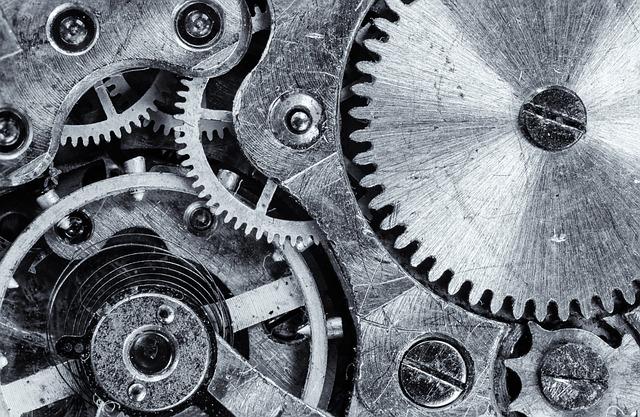
When you take a closer look at a mechanical watch, you’ll discover that its movement is driven by a fascinating series of intricate mechanisms. One of the key components responsible for the smooth and precise movement of a mechanical watch is the escapement mechanism. This fundamental element controls the release of energy from the mainspring to regulate the movement of the watch hands.
The escapement mechanism consists of several critical parts working together harmoniously to ensure accurate timekeeping. The main components include the escape wheel, the pallet fork, and the balance wheel. Each of these components plays a vital role in controlling the release of energy in a controlled and consistent manner.
One of the most crucial aspects of the escapement mechanism is its ability to maintain a delicate balance between the release of energy and the rate at which it is released. By carefully regulating the movement of these components, the escapement mechanism ensures that the watch hands move at a precise and consistent pace, allowing you to keep track of time with accuracy.
Next time you glance at your mechanical watch and marvel at its movement, remember that it is the escapement mechanism that is quietly working behind the scenes, orchestrating the intricate dance of gears and springs that keep your timepiece ticking with unparalleled precision.

Different Types of Gear Trains in Mechanical Watches
Understanding the is essential to grasp how these intricate timepieces function. Gear trains play a crucial role in the movement of a watch, transmitting power from the mainspring to various components that drive the hands of the watch. Here are some common types of gear trains found in mechanical watches:
- Simple Gear Train: This is the most basic type of gear train, consisting of two gears with teeth that mesh together. It is used to transfer motion from one gear to another.
- Compound Gear Train: In a compound gear train, multiple gears are connected in sequence to achieve a specific gear ratio. This type of gear train is often used to drive different functions of the watch, such as the date display or moon phase complication.
- Epicyclic Gear Train: An epicyclic gear train is a more complex system that involves gears moving along different axes. This type of gear train is used in watches with multiple complications or in automatic movements.
Each type of gear train serves a specific purpose in the movement of a mechanical watch, contributing to the overall accuracy and functionality of the timepiece. By understanding how these gear trains work together, watch enthusiasts can gain a deeper appreciation for the craftsmanship and precision engineering behind mechanical watches.

The Role of the Balance Wheel in Regulating Time
The balance wheel is a crucial component in the intricate mechanism of a mechanical watch. This small wheel, typically made from a lightweight material like titanium or silicon, oscillates back and forth at a steady rate. This oscillation is what drives the movement of the watch and ultimately regulates the passage of time.
The balance wheel works in conjunction with the escapement mechanism to ensure accurate timekeeping. As the balance wheel oscillates, it releases energy that is transferred through the gear train, causing the hands of the watch to move. The escapement mechanism controls the release of this energy in precise increments, allowing the watch to maintain a consistent and accurate time display.
The balance wheel’s size, shape, and weight are carefully calibrated to achieve the desired oscillation rate, known as the frequency. This frequency can vary depending on the specific design of the watch, with higher frequencies generally indicating a more accurate timepiece. Overall, the balance wheel plays a crucial role in the regulation of time in mechanical watches, ensuring that they function correctly and provide accurate timekeeping for years to come.
In summary, the balance wheel is a small but mighty component in the intricate world of mechanical watches. Its precise oscillations, in harmony with the escapement mechanism, are what keep our timepieces ticking accurately. So, next time you glance at your watch, take a moment to appreciate the incredible craftsmanship and engineering that goes into each and every movement.
Exploring the Energy Source for Mechanical Watches
Understanding the energy source for mechanical watches is essential to grasp how these timepieces operate. Mechanical watches are powered by a tightly wound mainspring, which stores potential energy that is gradually released to power the watch movement.
The mainspring is wound either manually, through the crown, or automatically, through the movement of the wearer’s wrist. As the mainspring unwinds, it transfers energy through a series of gears and springs, ultimately resulting in the movement of the watch hands.
Key components within the watch mechanism include the escapement, which regulates the release of energy from the mainspring, and the balance wheel, which oscillates back and forth to maintain accurate timekeeping. These intricate mechanisms work together harmoniously to keep the watch running smoothly.
Exploring the inner workings of a mechanical watch can provide a deeper appreciation for the craftsmanship and precision required to create such a timeless piece of technology. The artistry and engineering behind mechanical watches continue to captivate watch enthusiasts around the world.

Impact of Lubrication on Watch Movement Efficiency
When it comes to the efficiency of a watch movement, lubrication plays a crucial role in ensuring smooth operation and longevity. Proper lubrication reduces friction between moving parts, minimizing wear and tear, and allowing the components to glide seamlessly. By creating a protective barrier between surfaces, lubricants help to prevent corrosion and extend the life of the watch movement.
Without adequate lubrication, the components of a watch movement can grind against each other, causing resistance and ultimately leading to decreased efficiency. Over time, this friction can result in damage to the delicate inner workings of the watch, affecting accuracy and reliability. Regular maintenance, including oiling and servicing, is essential to keep the movement running smoothly and to prevent costly repairs.
When choosing a lubricant for a watch movement, it is important to consider factors such as viscosity, temperature resistance, and compatibility with different materials. The right lubricant will ensure optimal performance and help to maintain the precision of the timepiece. By investing in quality lubrication and adhering to a regular servicing schedule, watch enthusiasts can enjoy the beauty and functionality of their mechanical watches for years to come.
Common Issues with Mechanical Watch Mechanisms
One of the most is power reserve. Mechanical watches require regular winding to maintain their power reserve and keep accurate time. If a watch is not wound regularly, it may stop running or lose time.
Another common issue is water resistance. While many mechanical watches are water-resistant to some degree, they are not designed to be submerged in water for extended periods. It is important to check the water resistance rating of your watch and avoid exposing it to water beyond its limits.
Additionally, shock resistance is a key consideration for mechanical watch mechanisms. Watches are exposed to daily impacts and movements, which can affect their accuracy over time. Proper care and maintenance, such as servicing the watch regularly, can help prevent issues related to shock resistance.
Lastly, magnetization can also be a common issue with mechanical watch mechanisms. Watches can become magnetized when they come into contact with magnetic fields, resulting in inaccurate timekeeping. If you suspect your watch is magnetized, it is recommended to have it demagnetized by a professional watchmaker.

Maintenance Tips for Keeping Your Watch Movement in Top Condition
Mechanical watches are intricately designed timepieces that rely on the precise movement of internal components to keep accurate time. The main components of a mechanical watch movement include the mainspring, balance wheel, escapement, and gear train. These components work together to regulate the release of energy and control the movement of the watch hands.
To keep your watch movement in top condition, it is important to follow these maintenance tips:
- Regularly wind your mechanical watch to keep the mainspring properly tensioned.
- Avoid exposing your watch to extreme temperatures, as this can affect the lubrication of the movement.
- Have your watch serviced by a professional watchmaker every 3-5 years to ensure proper functioning.
- Store your watch in a watch box or case when not in use to protect it from dust and debris.
By following these maintenance tips, you can ensure that your watch movement remains in top condition and continues to provide you with accurate timekeeping for years to come.
In Summary
In conclusion, a mechanical watch is a marvel of engineering where various intricate mechanisms work together to keep time accurately. From the mainspring to the escapement to the balance wheel, each component plays a crucial role in ensuring the smooth movement of the watch. Understanding these mechanisms not only allows you to appreciate the craftsmanship behind a mechanical watch but also helps you make informed decisions when it comes to selecting a timepiece. Remember, the next time you look at a mechanical watch, know that there is a complex and fascinating world of mechanisms ticking away inside.
Get our latest guides, news, and insights highlighted in your Google Search & AI Overviews.