How Long Should a Mechanical Watch Last? Durability Factors
Have you ever wondered how long a mechanical watch should last? In this article, we will delve into the various durability factors that contribute to the lifespan of a mechanical timepiece. From materials and construction to maintenance and care, learn everything you need to know about ensuring the longevity of your favorite watch. So sit back, relax, and let’s explore the fascinating world of mechanical watch durability.
Contents
- How Long Can Mechanical Watches Last?
- Factors Affecting the Durability of Mechanical Watches
- Choosing High-Quality Materials for Longevity
- Proper Maintenance Techniques to Extend Lifespan
- Impact of Water Resistance on Longevity
- Understanding the Role of Shock Resistance in Watch Durability
- Balancing Complications with Durability
- The Importance of Regular Servicing for Longevity
- Longevity Expectations for Different Types of Mechanical Movements
- Insights and Conclusions
How Long Can Mechanical Watches Last?
When it comes to mechanical watches, durability is a key factor that many watch enthusiasts consider. The longevity of a mechanical watch can vary depending on several key factors that contribute to its overall lifespan.
One important factor that can affect how long a mechanical watch lasts is the quality of its construction. High-quality materials such as stainless steel, sapphire crystal, and top-grade movements can significantly prolong the lifespan of a mechanical watch.
Another factor to consider is how well the watch is maintained. Regular servicing and proper care can help prevent premature wear and tear, ultimately extending the lifespan of the watch. Proper storage, avoiding extreme temperatures, and avoiding exposure to water and other harsh elements can also contribute to the longevity of a mechanical watch.
Overall, with proper care and maintenance, a well-made mechanical watch can last for generations, becoming an heirloom piece that can be passed down from one generation to the next.

Factors Affecting the Durability of Mechanical Watches
There are several factors that can affect the durability of mechanical watches and ultimately determine how long they will last. These factors can range from the quality of materials used in the construction of the watch to how well it is maintained and serviced over time. Here are some key factors to consider:
- Quality of Materials: Higher quality materials like stainless steel, sapphire crystal, and quality movements will generally result in a more durable watch.
- Water Resistance: Watches with a higher water resistance rating are less likely to suffer damage from exposure to moisture.
- Maintenance: Regular maintenance and servicing of the watch, including cleaning, oiling, and adjusting, can significantly extend its lifespan.
- Shock Resistance: Watches designed with shock-absorbing mechanisms are more likely to withstand everyday bumps and knocks.
| Factors | Impact |
|---|---|
| Quality of Materials | Higher quality materials lead to increased durability. |
| Water Resistance | Higher water resistance rating helps prevent moisture damage. |
| Maintenance | Regular servicing can extend the lifespan of the watch. |
| Shock Resistance | Shock-absorbing mechanisms help protect the watch from damage. |

Choosing High-Quality Materials for Longevity
When it comes to in mechanical watches, there are several factors to consider. The durability of a mechanical watch depends on the materials used in its construction, as well as how well it is maintained and cared for. Here are some key considerations:
Materials:
- Stainless Steel: Known for its durability and resistance to corrosion, stainless steel is a popular choice for watch cases and bracelets.
- Sapphire Crystal: This material is extremely scratch-resistant and ensures the watch face remains clear and easy to read for years to come.
- High-Quality Movements: The movement of a mechanical watch is crucial to its longevity. Look for watches with movements from reputable manufacturers known for their reliability.
- Water Resistance: Choose a watch with a high level of water resistance to prevent damage from exposure to moisture.
| Material | Durability |
|---|---|
| Stainless Steel | High |
| Sapphire Crystal | Very high |
| High-Quality Movements | Depends on manufacturer |
| Water Resistance | Essential for longevity |
Proper Maintenance Techniques to Extend Lifespan
Mechanical watches are known for their longevity, often lasting for generations if properly cared for. To ensure your mechanical watch lasts as long as possible, it is essential to follow proper maintenance techniques. By taking good care of your timepiece, you can extend its lifespan and enjoy it for many years to come.
Some key factors that can affect the durability of a mechanical watch include:
- Regular servicing by a qualified watchmaker
- Avoiding exposure to extreme temperatures and magnetic fields
- Proper storage when not in use
- Gentle handling and care when winding or setting the watch
By following these maintenance techniques and being mindful of how you treat your mechanical watch, you can significantly increase its lifespan. Remember, a well-cared-for timepiece can be a valuable heirloom that can be passed down from generation to generation.

Impact of Water Resistance on Longevity
When considering the longevity of a mechanical watch, the impact of water resistance cannot be understated. A watch’s resistance to water plays a crucial role in its overall durability and lifespan. Here are some key points to keep in mind:
- Quality of Seals: The quality of the seals used in the watch case is crucial to its water resistance. Over time, these seals can degrade, compromising the watch’s ability to keep water out. Regular maintenance and servicing can help ensure that these seals are in good condition.
- Depth Rating: The depth rating of a watch indicates how deep it can go underwater without being damaged. It’s important to know the depth rating of your watch and avoid exceeding its limits to prevent water from seeping into delicate internal components.
- Impact on Movements: Water damage can be catastrophic for the delicate movements of a mechanical watch. Even small amounts of moisture can cause rust and corrosion, leading to significant damage over time. Proper water resistance can help protect these intricate mechanisms.
| Type of Watch | Recommended Water Resistance |
|---|---|
| Dress Watch | 30 meters (3 ATM) |
| Sports Watch | 100 meters (10 ATM) |
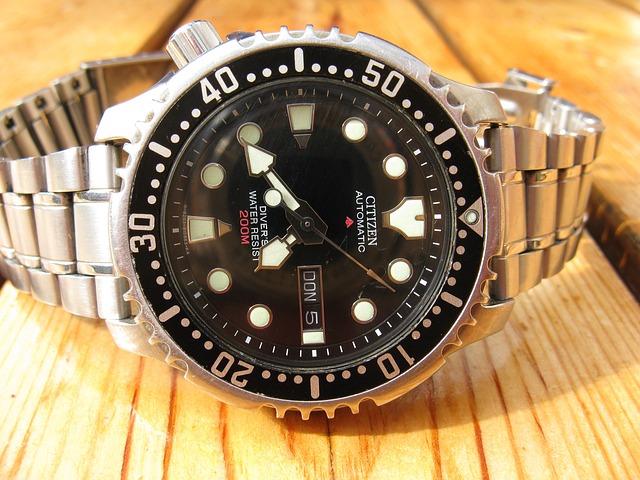
| Diving Watch | 200 meters (20 ATM) |
Understanding the Role of Shock Resistance in Watch Durability
Shock resistance is a crucial factor in determining the overall durability of a mechanical watch. When you wear a watch on your wrist, it is subjected to various shocks and impacts throughout the day. Whether you accidentally bump your wrist against a door frame or drop your watch on the ground, these shocks can significantly impact the internal components of the watch.
can help you choose a timepiece that will last for years to come. Here are some key points to consider:
- Movement Protection: A watch with excellent shock resistance will have features such as a shock-absorbing system to protect the delicate movement inside the case.
- Case Material: The material of the watch case can also impact its shock resistance. Stainless steel and titanium are known for their durability and ability to withstand shocks.
- Water Resistance: A watch that is water-resistant is typically more resistant to shocks, as the seals and gaskets help protect the internal components from external impacts.
- Quality of Construction: A well-built watch with solid construction will inherently be more shock-resistant than a poorly made timepiece.

Balancing Complications with Durability
When considering the durability of a mechanical watch, there are several factors to take into account in order to determine how long it should last. is key to ensuring that your timepiece stands the test of time. Here are some key aspects to consider:
– **Materials:** High-quality materials are essential for a durable watch. Stainless steel, titanium, and sapphire crystal are common materials used in watchmaking for their durability and resistance to scratches and corrosion.
– **Movement:** The type of movement in a watch can impact its longevity. A well-maintained mechanical movement can last for decades, while a quartz movement may require battery replacements every few years.
– **Water Resistance:** A watch’s water resistance rating is crucial for its durability. Ensuring that your watch is suitable for your daily activities, whether you’re swimming, diving, or simply washing your hands, can prevent water damage and prolong its lifespan.
In summary, by considering the materials, movement, and water resistance of a mechanical watch, you can balance complications with durability and enjoy your timepiece for years to come.
The Importance of Regular Servicing for Longevity
Regular servicing is essential in ensuring the longevity and optimal performance of your mechanical watch. By following a strict maintenance schedule, you can extend the lifespan of your timepiece and prevent potential issues from arising.
One of the factors that determine how long a mechanical watch should last is the quality of its components. Watches with high-quality materials and craftsmanship are designed to withstand the test of time and require less frequent servicing compared to lower-quality counterparts.
Another important factor to consider is the complexity of the movement. Watches with complicated mechanisms may require more frequent servicing to keep them running smoothly. Regular cleaning and lubrication of the intricate parts within the movement can prevent wear and tear, ultimately prolonging the life of the watch.
In conclusion, regular servicing is crucial for maintaining the durability and longevity of your mechanical watch. By investing in proper care and maintenance, you can enjoy your timepiece for years to come.
Longevity Expectations for Different Types of Mechanical Movements
When it comes to the durability of mechanical watches, the type of movement plays a significant role in determining how long a watch can last. Different types of mechanical movements have varying levels of complexity and require different levels of maintenance. Below, we explore the :
- Manual-Wind Movements: Manual-wind movements are known for their simplicity and ease of maintenance. With regular servicing and proper care, a manual-wind watch can last for generations.
- Automatic Movements: Automatic movements are self-winding and rely on the movement of the wearer’s wrist to stay powered. With regular servicing, an automatic watch can last for decades.
- Chronograph Movements: Chronograph movements add an extra level of complication to a watch. While they can be more prone to issues, with proper care and maintenance, a chronograph watch can last a lifetime.
It’s important to note that the longevity of a mechanical watch also depends on factors like the quality of materials used, how frequently the watch is worn, and the level of care and maintenance it receives. Investing in a high-quality mechanical watch and keeping up with regular servicing is key to ensuring its longevity.
Insights and Conclusions
In conclusion, the longevity of a mechanical watch ultimately depends on various factors such as the quality of materials, regular maintenance, and proper usage. While there is no definitive answer to how long a mechanical watch should last, with proper care and attention, a quality timepiece can last a lifetime. Remember to service your watch regularly, keep it away from extreme conditions, and handle it with care to ensure its durability. By investing in a high-quality mechanical watch and following these tips, you can enjoy its beauty and functionality for many years to come. Thank you for reading and happy timekeeping!
Get our latest guides, news, and insights highlighted in your Google Search & AI Overviews.