Understanding Your Timepiece: Parts of an Automatic Watch Explained
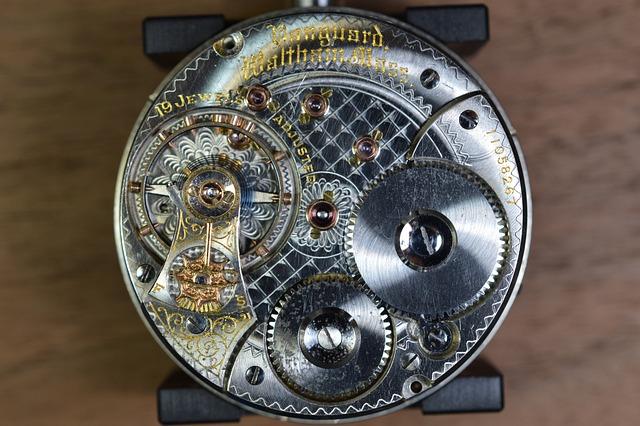
Have you ever wondered what makes your automatic watch tick? Dive into the world of horology as we break down the intricate components of your timepiece. From escapements to mainsprings, we’ll unravel the mystery behind how these pieces work together to keep your watch running smoothly. Join us as we dissect the anatomy of an automatic watch and gain a deeper appreciation for the craftsmanship behind your favorite timekeeping accessory.
Contents
- Introduction
- Exploring the Movement: Understanding the Heart of Your Automatic Watch
- Decoding the Dial: A Closer Look at the Face of Your Timepiece
- Unveiling the Case: Protecting and Showcasing Your Automatic Watch
- Examining the Crown: The Key to Setting and Winding Your Watch
- Delving into the Crystal: Understanding the Transparent Cover of Your Watch
- Insight into Straps and Bracelets: Choosing the Right Band for Your Automatic Watch
- In Retrospect
Introduction
Welcome to our guide on understanding the intricate parts of an automatic watch. Automatic watches are beloved for their craftsmanship and mechanical complexity, making them popular among watch enthusiasts worldwide. In this post, we will delve into the various components that make up an automatic watch, shedding light on their functions and importance.
Related: Dissecting the Parts of a Mechanical Watch: Know Your Timepiece
Balance Wheel: This crucial component controls the timing of the watch, oscillating back and forth at a set frequency. It ensures the accuracy of the timepiece by regulating the movement of the gears.
Escapement: The escapement is responsible for transferring energy from the mainspring to the gear train, allowing the watch to maintain a consistent beat. It includes the pallet fork and the escape wheel.
Mainspring: The mainspring is the source of power for the automatic watch. It stores energy when wound up and releases it gradually to drive the movement of the watch.

Exploring the Movement: Understanding the Heart of Your Automatic Watch
An automatic watch is a marvel of engineering, powered by the natural motion of the wearer’s wrist. To truly appreciate the craftsmanship behind these timepieces, it’s essential to understand the intricate parts that work together to keep your watch ticking. Let’s delve into the heart of your automatic watch and uncover the components that make it all possible.
**Rotor:** The rotor is a crucial part of an automatic watch, responsible for winding the mainspring as you move your wrist. This semicircular weight swings freely inside the watch case, transferring kinetic energy to the mainspring through a series of gears.
**Mainspring:** The mainspring is the energy source of an automatic watch, storing power generated by the rotor. When wound, this coiled spring slowly releases energy to drive the movement of the watch hands and other functions.
**Escapement:** The escapement is like the regulator of your automatic watch, controlling the release of energy from the mainspring to the rest of the movement. It consists of the pallet fork and escape wheel, working together to ensure precise timekeeping.
**Balance Wheel:** The balance wheel is a tiny, oscillating wheel that regulates the rate at which energy is released from the mainspring. It swings back and forth at a consistent rate, dividing time into equal intervals and keeping your watch accurate.
Decoding the Dial: A Closer Look at the Face of Your Timepiece
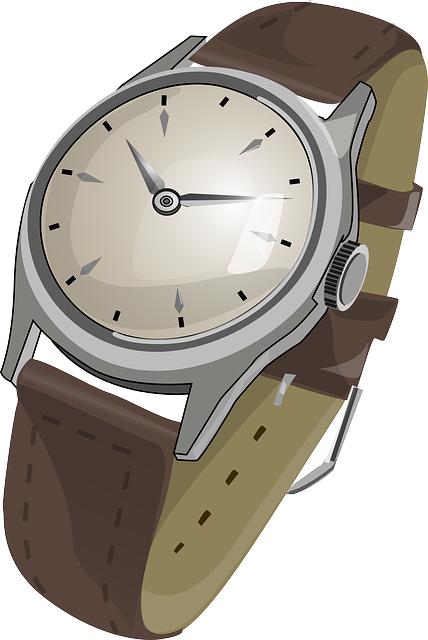
When it comes to understanding the intricate workings of your automatic watch, it all starts with the dial - the face of your timepiece that holds all the essential components. Let’s take a closer look at the key parts of the dial that make up the inner workings of your beloved watch:
- Indices: These are the hour markers on the dial, helping you read the time at a glance.
- Hands: The hands of the watch include the hour, minute, and second hands, each serving a specific function in keeping time.
- Subdials: These smaller dials within the main dial display additional features such as a chronograph or a moon phase.
- Date window: A small window on the dial that displays the current date, often located at the 3 o’clock position.
Understanding these parts of your automatic watch can give you a newfound appreciation for the craftsmanship and complexity that goes into creating a timepiece that not only tells time but also tells a story. Next time you glance at your watch, take a moment to decode the dial and appreciate the intricate beauty within.

Unveiling the Case: Protecting and Showcasing Your Automatic Watch
Automatic watches are fascinating pieces of engineering that require proper care and maintenance to ensure they function properly. Understanding the different parts of an automatic watch can help you appreciate its craftsmanship and take better care of it.
Main Parts of an Automatic Watch:
- 1. Case: The outer shell that protects the internal components of the watch.
- 2. Dial: The face of the watch that displays the time.
- 3. Hands: The thin, pointed indicators that move around the dial to show the time.
- 4. Crown: The knob on the side of the case used to set the time and date.
It’s important to protect your automatic watch by storing it in a watch case when not in use. A watch case will shield your timepiece from scratches, dust, and other damage, ensuring it stays in top condition for years to come. Additionally, showcasing your automatic watch in a case can add a touch of elegance to your décor and make it easy to grab and go when you’re on the move.

Examining the Crown: The Key to Setting and Winding Your Watch
The crown of your automatic watch is a crucial component that allows you to adjust the time and wind the watch. Understanding how to properly use the crown is essential for maintaining the accuracy and longevity of your timepiece. The crown is typically located at the 3 o’clock position on the side of the watch case and comes in various shapes and sizes.
When setting your watch, gently pull out the crown to the first position to adjust the date and to the second position to set the time. Be sure to push the crown back in completely after making any adjustments to ensure the watch remains water-resistant. To wind your automatic watch, rotate the crown clockwise in a gentle and consistent motion. Avoid overwinding the watch as this can damage the mechanism.
It is important to handle the crown with care to prevent any damage to the delicate internal components of the watch. Regularly servicing your automatic watch can also help maintain the functionality of the crown and ensure the smooth operation of your timepiece. By understanding how to properly use and care for the crown of your watch, you can enjoy accurate timekeeping for years to come.
Delving into the Crystal: Understanding the Transparent Cover of Your Watch
One of the most fascinating components of an automatic watch is the transparent cover, also known as the crystal. This crystal not only protects the delicate inner workings of your timepiece but also plays a crucial role in its overall aesthetics. Understanding the different types of watch crystals can help you appreciate the craftsmanship that goes into creating your beloved watch.
There are several types of watch crystals commonly used in timepieces, including:
– **Sapphire crystal**: Known for its durability and scratch resistance, sapphire crystal is often found in high-end watches.
– **Mineral crystal**: This type of crystal is more affordable and offers decent scratch resistance, making it a popular choice for mid-range watches.
– **Acrylic crystal**: Acrylic is a lightweight and shatter-resistant material commonly used in vintage or retro-style watches.
When it comes to choosing the right crystal for your watch, it ultimately depends on your personal preference and budget. Whether you opt for the luxury of sapphire or the nostalgia of acrylic, each type of crystal adds its own unique charm to your timepiece. Ultimately, the choice is yours to make based on your individual style and needs.
Insight into Straps and Bracelets: Choosing the Right Band for Your Automatic Watch
When it comes to choosing the right band for your automatic watch, there are several factors to consider. The strap or bracelet you choose can not only affect the overall look of your timepiece but also impact its comfort and functionality. Here are some key insights into the different types of bands available for automatic watches:
**Straps:**
– Leather: Leather straps are a classic choice that can add a touch of sophistication to your watch.
– NATO: NATO straps are known for their durability and versatility, making them a popular choice for everyday wear.
– Rubber: Rubber straps are ideal for sports or casual wear, as they are water-resistant and easy to clean.
**Bracelets:**
– Stainless Steel: Stainless steel bracelets are a timeless option that offers durability and a polished look.
- Titanium: Titanium bracelets are lightweight yet strong, making them a great choice for those with sensitive skin.
– Gold: Gold bracelets add a touch of luxury to your watch and are perfect for dressier occasions.
By understanding the different types of straps and bracelets available for your automatic watch, you can choose the one that best suits your style and needs. Whether you prefer the classic look of a leather strap or the durability of a stainless steel bracelet, there is a band out there that will complement your timepiece perfectly.
In Retrospect
In conclusion, understanding the various parts of an automatic watch can greatly enhance your appreciation for this intricate timepiece. By familiarizing yourself with components such as the rotor, mainspring, escapement, and balance wheel, you can gain a deeper insight into the mechanics behind your watch’s operation. Remember that regular maintenance and proper care are essential to ensuring the longevity and accuracy of your automatic watch. With this knowledge, you can now confidently navigate the world of horology and make informed decisions when it comes to selecting, wearing, and maintaining your timepiece. So, keep ticking and tocking with your automatic watch, and let the wonders of its inner workings continue to fascinate you.
Get our latest guides, news, and insights highlighted in your Google Search & AI Overviews.