How Does a Mechanical Watch Work on YouTube? Video Guide
If you’ve ever wondered about the intricate inner workings of a mechanical watch, look no further. In this video guide, we’ll take you through the fascinating process of how a mechanical watch operates. From the mainspring to the escapement, you’ll gain a deeper understanding of the craftsmanship behind these timeless timepieces. Join us as we delve into the world of horology and uncover the magic behind every tick and tock. Let’s get started!
Contents
- Introduction to Mechanical Watches
- The Components of a Mechanical Watch
- The Inner Mechanisms of a Mechanical Watch
- How a Mechanical Watch is Powered
- Understanding the Escapement in Mechanical Watches
- The Importance of Lubrication in Mechanical Watches
- How to Properly Wind a Mechanical Watch
- Tips for Proper Maintenance of a Mechanical Watch
- Exploring Different Types of Mechanical Watch Movements
- Insights and Conclusions
Introduction to Mechanical Watches
Welcome to our comprehensive guide on mechanical watches! In this video tutorial, we will delve into the fascinating world of how mechanical watches work, from the intricate mechanisms inside to the artistry and craftsmanship involved in their creation. Whether you are a watch enthusiast or a curious beginner, this guide will provide you with a solid foundation on the inner workings of these timeless timepieces.
<p>

    <strong>Key topics we will cover in this video:</strong>

</p>

<ul>

    <li>The history and evolution of mechanical watches</li>

    <li>The different components of a mechanical watch</li>

    <li>How mechanical watches are powered and regulated</li>

    <li>The differences between manual and automatic movements</li>

</ul>

<p>

    By the end of this video, you will have a better understanding of the intricate world of mechanical watches and a newfound appreciation for the craftsmanship that goes into creating these works of art. So sit back, relax, and let's explore the mesmerizing world of mechanical watches together!

</p>
The Components of a Mechanical Watch
The intricate inner workings of a mechanical watch are truly fascinating. Each component plays a crucial role in ensuring the watch functions smoothly and accurately. Here are the key components of a mechanical watch:
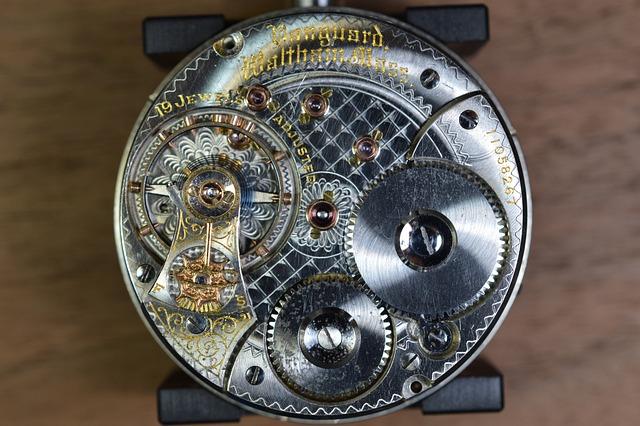
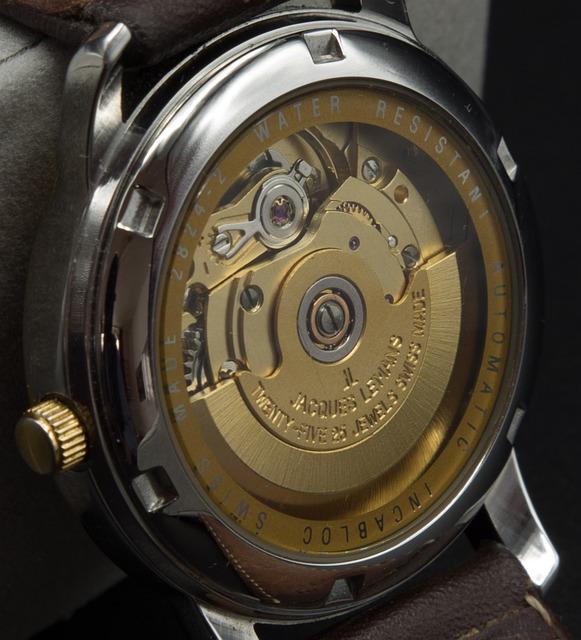
- Movement: The movement, or caliber, is the engine of the watch. It comprises the escapement, balance wheel, mainspring, and gears that work together to keep time.
- Dial: The dial is the face of the watch, displaying the time and often other complications such as date and moon phase.
- Hands: The hands move around the dial to indicate the hours, minutes, and sometimes seconds.
- Case: The case houses all the components of the watch and protects them from external elements. It is usually made of stainless steel, gold, or other materials.
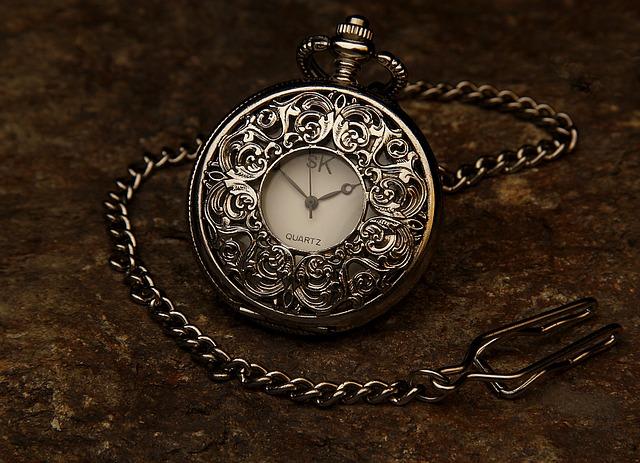
Understanding how these components interact is essential to appreciating the craftsmanship and precision that goes into making a mechanical watch. Watch the video guide below to see these components in action and learn more about how a mechanical watch works.
The Inner Mechanisms of a Mechanical Watch
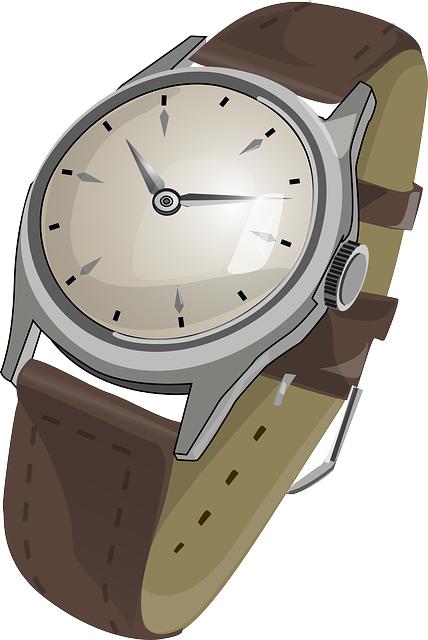
Whether you’re a watch enthusiast or simply curious about the inner workings of a mechanical watch, this video guide will give you a detailed look at how these intricate timepieces function.
**Key components of a mechanical watch:**
- **Main Spring:** Stores energy to power the watch
- **Balance Wheel:** Regulates timekeeping by oscillating back and forth
- **Escapement:** Controls the release of energy to the gears
- **Gears:** Transmit energy to the hands of the watch
**Operating principles of a mechanical watch:**
- The main spring is wound, storing potential energy
- The balance wheel oscillates at a consistent rate, controlled by the escapement
- Energy is transferred through the gears, driving the hands of the watch
- The precise coordination of these components results in accurate timekeeping
| Component | Function |
|---|---|
| Main Spring | Stores energy |
| Balance Wheel | Regulates timekeeping |
How a Mechanical Watch is Powered
One of the most fascinating aspects of a mechanical watch is how it is powered. Unlike quartz watches that rely on a battery, mechanical watches harness the power of a tightly wound spring to keep time ticking. This intricate mechanism is a marvel of engineering and craftsmanship.
Inside a mechanical watch, there are several key components that work together to keep the timepiece running smoothly. The mainspring is the heart of the watch, storing energy when wound up. As the mainspring unwinds, it releases this energy through a series of gears, eventually driving the hands of the watch.
Watch enthusiasts often marvel at the precision and artistry involved in creating a mechanical watch movement. From the intricate gear train to the escapement mechanism that regulates the release of energy, every detail plays a crucial role in ensuring accurate timekeeping.
For a visual demonstration of , check out the video guide below. Discover the inner workings of a mechanical watch and gain a deeper appreciation for this timeless piece of craftsmanship.

Understanding the Escapement in Mechanical Watches
One of the key components that make mechanical watches tick is the escapement mechanism. This intricate mechanism is responsible for regulating the release of energy from the mainspring to the gears, which in turn moves the hands of the watch. Understanding how the escapement works is crucial in appreciating the craftsmanship and precision that goes into making a mechanical watch.
Key points to understand about the escapement in mechanical watches:
- The escapement consists of a pallet fork and an escape wheel, which work together to control the movement of the gear train.
- As the mainspring unwinds, it transfers energy to the escapement, causing the pallet fork to oscillate back and forth.
- The escapement ensures that the gears move at a consistent rate, allowing the hands of the watch to move in a precise and accurate manner.
By watching a YouTube video guide on how a mechanical watch works, you can visually see the escapement mechanism in action and gain a deeper understanding of its role in keeping time. So, next time you glance at your mechanical watch, you’ll have a better appreciation for the intricate mechanics ticking away inside.
The Importance of Lubrication in Mechanical Watches
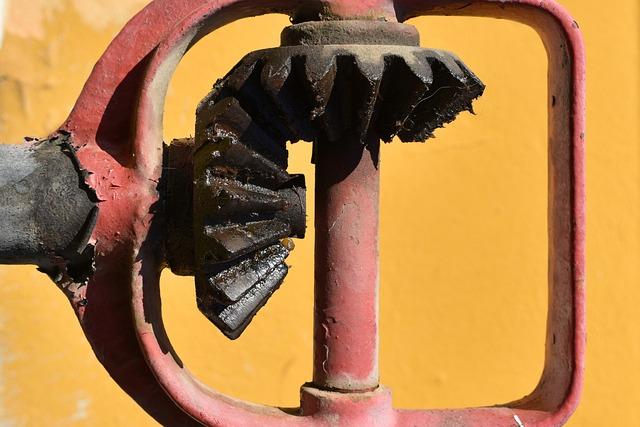
When it comes to the intricate workings of a mechanical watch, proper lubrication is key to ensuring its longevity and accuracy. Lubrication plays a vital role in reducing friction between the moving parts of the watch, allowing them to glide smoothly and operate efficiently. Without adequate lubrication, the delicate components of a mechanical watch can wear down quickly and eventually lead to malfunction.
One of the most important functions of lubrication in a mechanical watch is to prevent metal-to-metal contact between the various gears, springs, and other components. This helps to minimize wear and tear on the parts, ensuring that the watch remains in good working condition for years to come. Additionally, lubrication also helps to reduce the amount of energy required for the movement to function, resulting in improved accuracy and precision.
Proper lubrication requires a skilled watchmaker who understands the specific needs of each watch movement. Different types of lubricants are used for various parts of the watch, and it is crucial to apply the correct amount and type of lubricant to each component. Over-lubrication can be just as detrimental as under-lubrication, so precision and attention to detail are essential in this process.
Regular maintenance and servicing by a professional watchmaker are recommended to ensure that the lubrication in your mechanical watch remains effective and that the watch continues to function optimally. By understanding , you can appreciate the intricate craftsmanship that goes into creating these timeless pieces.

How to Properly Wind a Mechanical Watch
To properly wind a mechanical watch, you will need to follow a few simple steps. First, locate the crown of the watch, which is usually found on the right-hand side of the watch case. Gently pull the crown out to its first position, then begin turning it clockwise. You will feel resistance as you wind the watch, so be sure not to force it.
Continue winding the watch until you feel a slight click, indicating that the watch is fully wound. Be careful not to overwind the watch, as this can cause damage to the mechanism. Once the watch is fully wound, push the crown back in to its original position. Your mechanical watch is now ready to keep time accurately.
Remember that regular winding is essential to keep your mechanical watch running smoothly. Depending on the model, you may need to wind your watch daily or every few days to ensure optimal performance. By following these simple steps, you can ensure that your mechanical watch continues to function properly for years to come.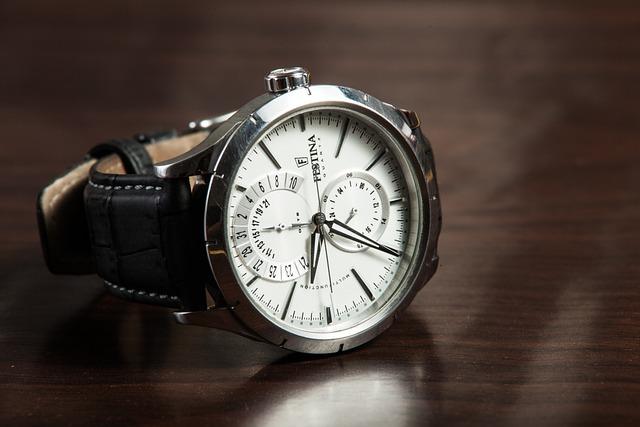
Tips for Proper Maintenance of a Mechanical Watch
Proper maintenance of a mechanical watch is essential to ensure its longevity and accuracy. By following a few simple tips, you can keep your timepiece in top condition for years to come.
- Regular Cleaning: Wipe down your watch with a soft, lint-free cloth to remove any dirt or dust that may have accumulated. For a deeper clean, you can use a mild soap and water solution.
- Avoid Water Exposure: Mechanical watches are not typically designed to be water-resistant. Avoid exposing your watch to water, especially when showering or swimming.
- Keep it Wound: If your watch is manual-winding, make sure to wind it regularly to keep it running smoothly. Automatic watches should be worn regularly to keep the movement powered.
- Professional Servicing: It’s recommended to have your watch serviced by a professional every 3-5 years to ensure that all components are functioning properly.
By following these maintenance tips, you can keep your mechanical watch in optimal condition and enjoy its precision timekeeping for many years to come.
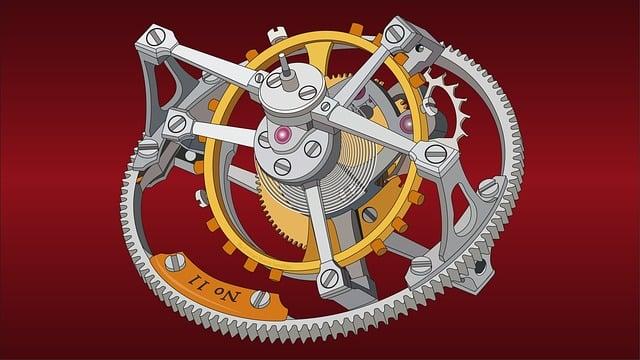
Exploring Different Types of Mechanical Watch Movements
When it comes to mechanical watch movements, there are several different types to explore. Each type has its unique characteristics and mechanisms that make it tick. Let’s take a closer look at some of the most popular types of mechanical watch movements:
- Manual: Also known as hand-wound movements, manual watches require you to physically wind the crown to power the watch.
- Automatic: These watches are self-winding, meaning they are powered by the movement of the wearer’s wrist. They also have a rotor that winds the mainspring.
- Chronograph: These watches have additional mechanisms for timing events, such as a stopwatch function.
- Tourbillon: A high-end and complex movement that aims to counteract the effects of gravity on the watch’s accuracy.
If you’re interested in learning more about how mechanical watches work, check out this informative video guide on YouTube. You’ll get a closer look at the intricate inner workings of these timepieces and gain a better understanding of the craftsmanship that goes into creating them.
Insights and Conclusions
In conclusion, understanding how a mechanical watch works is a fascinating journey into the intricate mechanisms behind this timeless timepiece. By watching our YouTube video guide, you’ve gained insight into the inner workings of a mechanical watch, from the mainspring to the escapement. Remember, regular maintenance and care are essential to keep your watch ticking accurately for years to come. We hope this video has increased your appreciation for the craftsmanship and engineering involved in crafting these mechanical marvels. Thank you for watching and happy timekeeping!
Get our latest guides, news, and insights highlighted in your Google Search & AI Overviews.