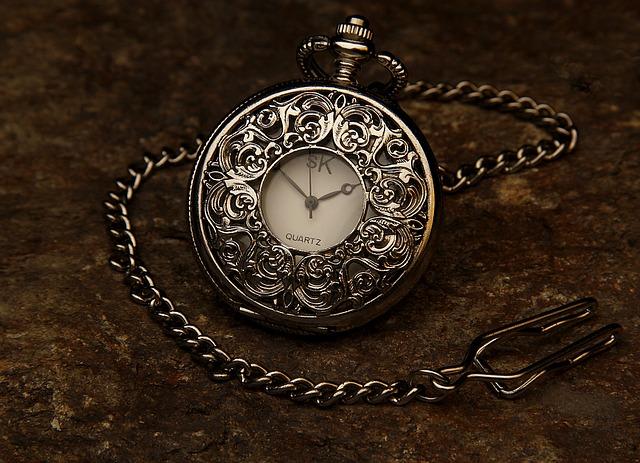
How Does a Watch Work Mechanical? Exploring Timekeeping
Have you ever wondered how a watch works, particularly a mechanical one? In this article, we’ll take a closer look at the intricate mechanisms that power these timekeeping devices and explore the fascinating world of mechanical timepieces. From gears and springs to escapements and balance wheels, we’ll unravel the inner workings of a mechanical watch and uncover the secrets behind its precise timekeeping abilities. Join us on this journey as we delve into the fascinating world of horology and uncover the magic behind mechanical timepieces.
Contents
- How Does a Mechanical Watch Maintain Accuracy?
- Exploring the Intricate Movements of a Mechanical Watch
- The Role of Escapements in Mechanical Timekeeping
- Understanding the Power Source Behind Mechanical Watches
- Examining the Components of a Mechanical Watch Movement
- Calibrating a Mechanical Watch for Optimal Performance
- Navigating the Complexities of Mechanical Watch Regulation
- Mechanical Watches: Balancing Precision and Maintenance
- The Importance of Lubrication in Mechanical Timepieces
- Enhancing the Longevity of Mechanical Watches Through Proper Care
- Proper Care for Mechanical Watches
- In Retrospect
How Does a Mechanical Watch Maintain Accuracy?
When it comes to mechanical watches, accuracy is crucial for keeping time effectively. The intricate mechanisms inside a mechanical watch work together to ensure precise timekeeping. Here’s how a mechanical watch maintains its accuracy:
<ul>

    <li><strong>The Balance Wheel:</strong> This small wheel oscillates back and forth, regulating the movement of the gears in the watch. It acts as the heartbeat of the watch, ensuring consistent timekeeping.</li>

    <li><strong>The Escapement Mechanism:</strong> This vital component controls the release of energy from the mainspring to the gear train, allowing the watch to tick at a consistent rate.</li>

    <li><strong>The Gear Train:</strong> This set of gears transmits the energy from the mainspring to the hands of the watch, controlling the movement of the hour, minute, and second hands.</li>

    <li><strong>The Mainspring:</strong> This coiled spring stores the energy that powers the watch, releasing it in a controlled manner to keep the watch running accurately.</li>

</ul>


<p>Overall, the precision engineering of these components in a mechanical watch ensures that it can maintain accurate timekeeping for years to come. By understanding how these intricate parts work together, you can appreciate the craftsmanship that goes into creating a mechanical timepiece.</p>
Exploring the Intricate Movements of a Mechanical Watch
One of the most fascinating aspects of a mechanical watch is the intricate movements that drive its timekeeping functions. These movements are powered by a series of gears, springs, and levers that work together in perfect harmony to keep accurate time.
At the heart of a mechanical watch is the mainspring, a coiled spring that is wound up either manually or automatically. As the mainspring unwinds, it releases energy that is transferred through the gears of the watch, powering the movement of the hands on the dial.
The escapement mechanism is another crucial component of a mechanical watch, responsible for regulating the release of energy from the mainspring. This mechanism consists of a pallet fork and an escape wheel that work together to control the movement of the gear train, allowing the hands to move at a consistent rate.
Overall, the intricate movements of a mechanical watch are a testament to the craftsmanship and precision that goes into creating these beautiful timepieces. By understanding how these movements work, we can truly appreciate the artistry and engineering that goes into every mechanical watch.

The Role of Escapements in Mechanical Timekeeping
In mechanical timekeeping, escapements play a crucial role in regulating the movement of a watch or clock. An escapement is a mechanical component that controls the release of energy from the mainspring, allowing the gear train to advance at a steady rate. Without escapements, timekeeping devices would run uncontrollably or quickly lose accuracy.
There are several types of escapements used in mechanical watches, each with its unique design and method of operation. Some common escapements include the lever escapement, cylinder escapement, and detent escapement. Each type of escapement has its advantages and disadvantages, influencing the accuracy and longevity of a timepiece.
One of the most popular escapements found in modern mechanical watches is the lever escapement. This type of escapement is known for its reliability, precision, and ease of maintenance. The lever escapement consists of a pallet fork, escape wheel, and balance wheel, working in harmony to ensure accurate timekeeping.
Overall, escapements are a fundamental component of mechanical timekeeping, allowing watches and clocks to function with precision and reliability. Understanding the role of escapements in timekeeping can help appreciate the intricate craftsmanship and engineering behind mechanical watches.

Understanding the Power Source Behind Mechanical Watches
When it comes to mechanical watches, the power source behind them is truly fascinating. Instead of relying on batteries or electronic mechanisms, mechanical watches harness the power of simple physics to keep time accurately. Here’s a breakdown of how mechanical watches work:
**Components of a Mechanical Watch:**
- **Main Spring:** This is where the energy is stored in a mechanical watch. It is wound up by either manual winding or through the motion of the wearer’s wrist.
- **Gear Train:** The main spring transfers its energy through a series of gears, regulating the speed at which the watch hands move.
- **Escapement:** This component controls the release of energy from the gear train in precise intervals, allowing the watch to tick at a constant rate.
- **Balance Wheel:** This swinging wheel helps regulate the speed of the escapement, ensuring the watch keeps time accurately.
**How a Mechanical Watch Keeps Time:**
Through the intricate interplay of these components, a mechanical watch is able to keep time by measuring the passage of time through the movement of its hands. The precision and craftsmanship involved in creating these intricate mechanisms is truly a marvel to behold.

Examining the Components of a Mechanical Watch Movement
In a mechanical watch movement, there are several intricate components working together to keep time accurately. Understanding the inner workings of a watch can give you a deeper appreciation for the craftsmanship involved. Let’s take a closer look at the key components that make up a mechanical watch movement:
– **Main Spring:** This is the primary source of power in a mechanical watch. It is wound up by turning the crown, storing energy that is slowly released to power the movement of the watch.
– **Escapement Mechanism:** This crucial component regulates the release of energy from the mainspring to the gear train, controlling the movement of the hands. The escapement consists of the escape wheel, pallet fork, and balance wheel.
– **Gear Train:** The gear train transfers the energy from the mainspring to the hands of the watch, controlling the movement of the hour, minute, and second hands. Each gear in the train is carefully calibrated to ensure accurate timekeeping.
– **Balance Wheel and Hairspring:** The balance wheel oscillates back and forth, controlled by the hairspring. This oscillation regulates the speed at which the gears in the movement turn, ensuring precise timekeeping.
Understanding the components of a mechanical watch movement can give you a newfound appreciation for the intricate craftsmanship that goes into creating these timeless pieces. Each component plays a crucial role in keeping time accurately, making mechanical watches a marvel of engineering and precision.
Calibrating a Mechanical Watch for Optimal Performance
In order to ensure that your mechanical watch is operating at its best, it is important to calibrate it for optimal performance. By following a few simple steps, you can improve the accuracy and precision of your timepiece.
To calibrate a mechanical watch, you will need to take the following steps:
- Ensure that the watch is fully wound before beginning the calibration process.
- Use a precision tool, such as a watchmaker’s loupe, to carefully adjust the timekeeping mechanism.
- Consider consulting a professional watchmaker for more complex adjustments or repairs.
By calibrating your mechanical watch, you can ensure that it continues to keep accurate time and functions properly for years to come. Regular maintenance and calibration can help extend the life of your timepiece and keep it running smoothly.

When it comes to mechanical watches, one of the key components that dictates its accuracy is the regulation system. This system controls the speed at which the watch runs, ensuring that it keeps accurate time. can be a daunting task, but with a better understanding of how it works, you can appreciate the intricate craftsmanship that goes into creating a timepiece.
At the heart of a mechanical watch is the escapement mechanism, which consists of the balance wheel, pallet fork, and escape wheel. This system regulates the energy flow from the mainspring to the gears, controlling the release of energy in precise increments. The balance wheel oscillates back and forth, with each swing controlled by the escapement, ensuring that the watch ticks at a consistent rate.
One crucial aspect of regulating a mechanical watch is adjusting the balance wheel’s inertia. This can be done by adding or removing weights on the balance wheel, changing the timing of the watch. Another method is by adjusting the length of the balance spring, which affects the rate at which the balance wheel oscillates. By fine-tuning these components, watchmakers can achieve the desired level of accuracy in a mechanical watch.

Mechanical Watches: Balancing Precision and Maintenance
When it comes to mechanical watches, precision and maintenance are two key factors that watch enthusiasts often consider. Mechanical watches operate without the need for batteries or electronic components, relying instead on intricate mechanical movements to keep time accurately. This traditional approach to timekeeping has its own charm, but it also requires regular maintenance to ensure optimal performance.
One of the most important components of a mechanical watch is the escapement, which regulates the movement of the gears and hands. The escapement consists of a balance wheel, pallet fork, and escape wheel, all working together to ensure the accurate measurement of time. The balance wheel swings back and forth, controlling the release of energy from the mainspring and keeping the watch ticking at a consistent rate.
Despite their mechanical complexity, mechanical watches are surprisingly durable when properly cared for. Regular maintenance, such as cleaning and lubrication, can help prevent wear and tear on the delicate components inside the watch. Over time, however, parts may need to be replaced or repaired to maintain the watch’s accuracy.
For enthusiasts who appreciate the craftsmanship and precision of mechanical watches, the maintenance required is a small price to pay for owning a piece of horological history. The balance between precision and maintenance is a key consideration for those who choose to invest in a mechanical timepiece.

The Importance of Lubrication in Mechanical Timepieces
cannot be overstated. Proper lubrication is essential for the smooth functioning and longevity of a watch’s movement. Lubricants help reduce friction between the components of the movement, preventing unnecessary wear and tear.
When a watch is not properly lubricated, the parts grind against each other, causing damage and affecting the accuracy of the timepiece. Over time, the lack of lubrication can lead to the movement seizing up or malfunctioning altogether. This is why regular maintenance and lubrication are vital for mechanical watches.
Some key reasons why lubrication is important in mechanical timepieces include:
- Reducing friction between components
- Preventing unnecessary wear and tear
- Ensuring smooth functioning and accuracy
- Extending the lifespan of the watch
| Friction | Wear and Tear |
| Reduced with proper lubrication | Prevented with lubrication |

Enhancing the Longevity of Mechanical Watches Through Proper Care
Proper Care for Mechanical Watches
Mechanical watches are intricate timepieces that require proper care and maintenance to ensure their longevity. By following these tips, you can keep your mechanical watch running smoothly for years to come:
- Regularly wind your watch to keep it running smoothly.
- Avoid exposing your watch to extreme temperatures or magnetic fields.
- Have your watch serviced by a professional watchmaker every few years to keep it in optimal condition.
- Store your watch in a watch box or case when not in use to protect it from dust and scratches.
By following these simple guidelines, you can enhance the longevity of your mechanical watch and enjoy its timekeeping capabilities for years to come.
In Retrospect
In conclusion, understanding how a mechanical watch works involves a delicate interplay of gears, springs, and escapements to accurately measure time. By exploring the intricate mechanics behind timekeeping, we can appreciate the precision and craftsmanship that goes into each timepiece. Remember, every tick of a mechanical watch is a testament to human ingenuity and innovation. So the next time you glance at your wrist, take a moment to marvel at the intricate workings that keep your watch ticking. Explore further and delve deeper into the world of horology to uncover the fascinating mechanisms that power our everyday timekeeping devices.
Get our latest guides, news, and insights highlighted in your Google Search & AI Overviews.