How Does the Automatic Watch Work? Expert Insights!
Have you ever wondered how a watch could keep perfect time without the need for batteries or manual winding? In this article, we will delve into the fascinating world of automatic watches and explore how these ingenious timepieces work. Get ready to uncover the inner mechanics and marvel at the precision engineering behind these remarkable creations. Join us as we unravel the mystery of the automatic watch and gain expert insights into its intricate workings.
Contents
- Introduction to Automatic Watches
- Components of an Automatic Watch Movement
- Functions of the Automatic Watch Rotor
- Role of the Mainspring in an Automatic Watch
- Understanding the Escapement Mechanism in Automatic Watches
- Importance of Lubrication in Automatic Watch Movement
- Calibrating and Setting an Automatic Watch
- Advantages and Disadvantages of Automatic Watches
- Advantages of Automatic Watches
- Disadvantages of Automatic Watches
- Tips for Maintaining Your Automatic Watch
- Expert Recommendations for Purchasing an Automatic Watch
- Future Outlook
Introduction to Automatic Watches
An automatic watch, also known as a self-winding watch, is a timepiece that operates without the need for a battery. Instead, it is powered by the natural movement of the wearer’s wrist. This innovative technology dates back to the early 18th century and has since become a timeless classic in the world of horology.
The mechanism behind an automatic watch is truly fascinating. Inside the watch case, there is a rotor that moves with the motion of the wearer’s arm. As the rotor spins, it winds the mainspring, which stores energy to power the watch. This process eliminates the need for manual winding or battery replacement, making automatic watches low maintenance and convenient for everyday wear.
Many watch enthusiasts appreciate the intricate craftsmanship of automatic watches. The intricate gears and wheels inside the watch work together seamlessly to keep accurate time. And with advancements in technology, modern automatic watches boast impressive accuracy and longevity. Whether you’re a seasoned watch collector or just starting your horological journey, an automatic watch is a sophisticated and reliable accessory that will stand the test of time.

Components of an Automatic Watch Movement
An automatic watch movement is a complex system that consists of various components working together seamlessly to keep time accurately. Here are some key :
- Rotor: The rotor is a half-moon shaped metal weight that rotates with the motion of your wrist, winding the mainspring of the watch.
- Mainspring: The mainspring stores the energy generated by the movement of the rotor, which powers the watch.
- Balance wheel: The balance wheel is a component that oscillates back and forth, regulating the timekeeping of the watch.
- Escapement: The escapement is a mechanism that controls the release of energy from the mainspring, allowing the gears to move at a constant rate.
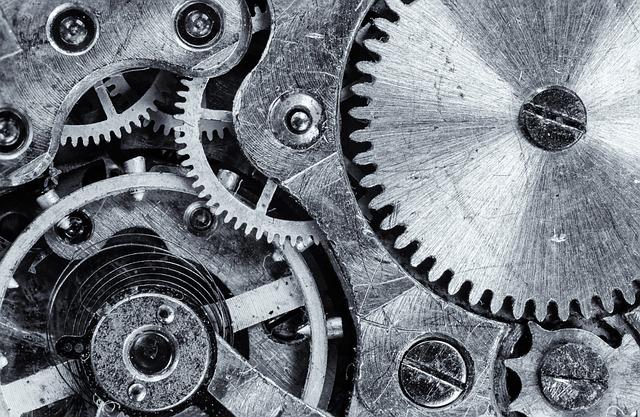
Additionally, other components such as gears, jewels, and screws work together to ensure the smooth functioning of the automatic watch movement. Understanding the intricate workings of these components can help you appreciate the craftsmanship and precision that goes into creating an automatic watch.

Functions of the Automatic Watch Rotor
The rotor in an automatic watch serves several important functions that contribute to its overall operation. This key component is designed to harness kinetic energy from the wearer’s movements to power the watch, eliminating the need for manual winding. Here are some of the primary :
– **Winding the mainspring:** As the rotor moves with the motion of the wearer’s wrist, it rotates and winds the mainspring of the watch. This action stores potential energy in the mainspring, which is then released gradually to power the watch’s movement.
– **Maintaining power reserve:** The rotor helps to keep the power reserve of the watch topped up by continuously winding the mainspring. This ensures that the watch remains operational even when not being worn for an extended period.
– **Regulating movement:** The rotor also plays a role in regulating the movement of the watch by controlling the release of energy from the mainspring. This helps to maintain the accuracy of the watch over time.
– **Enhancing durability:** By reducing the need for manual winding, the rotor helps to prolong the lifespan of the watch by minimizing wear and tear on the components. This ultimately contributes to the longevity of the timepiece.
In summary, the automatic watch rotor is a crucial component that enables the watch to function seamlessly and efficiently, providing convenience and reliability to the wearer.
Role of the Mainspring in an Automatic Watch
The mainspring is a crucial component in an automatic watch, responsible for storing and releasing energy to power the watch’s movement. Here’s how it works:
- The mainspring is a tightly coiled strip of metal, usually made of stainless steel or other durable alloys.
- When the watch is wound, the mainspring is coiled tightly, storing potential energy.
- As the mainspring unwinds, it releases this stored energy slowly and steadily, powering the gears and hands of the watch.
Without the mainspring, the automatic watch would not be able to function properly. It acts as the heart of the watch, providing the necessary energy to keep accurate time and drive the movement.
| Pros | Cons |
|---|---|
| Efficient energy storage | May require periodic winding |
| Smooth and continuous power delivery | Can break if overstressed |

Understanding the Escapement Mechanism in Automatic Watches
When it comes to automatic watches, the escapement mechanism plays a crucial role in ensuring the accurate timekeeping of the timepiece. Understanding how this mechanism works can give you a deeper appreciation for the intricate design and craftsmanship that goes into creating these mechanical wonders.
The escapement mechanism in automatic watches consists of several key components that work together to regulate the release of energy from the mainspring. These components include the escape wheel, pallet fork, and balance wheel. The escapement mechanism controls the speed at which the gears turn, allowing the watch to tick at a consistent rate.
Key components of the escapement mechanism in automatic watches:
- Escape wheel: A toothed wheel that transfers energy from the mainspring to the gear train.
- Pallet fork: A fork-shaped component that interacts with the escape wheel to control the release of energy.
- Balance wheel: Oscillates back and forth, regulating the timing of the watch.
| Component | Function |
|---|---|
| Escape wheel | Transfers energy from mainspring to gear train |
| Pallet fork | Controls release of energy from escape wheel |
| Balance wheel | Regulates timing of the watch |
Overall, the escapement mechanism in automatic watches is a marvel of engineering that allows these timepieces to function with precision and accuracy. By gaining a better understanding of how this mechanism works, you can truly appreciate the craftsmanship and artistry that goes into creating automatic watches.

Importance of Lubrication in Automatic Watch Movement
Lubrication plays a crucial role in ensuring the smooth operation of automatic watch movement. Without proper lubrication, the intricate components within the movement would wear out quickly due to friction, leading to potential damage and reduced accuracy. Here’s why lubrication is so important:
- Reduces friction: Lubricants help reduce friction between the moving parts of the watch movement, allowing them to glide smoothly and operate efficiently.
- Prevents wear and tear: By creating a protective barrier between metal surfaces, lubrication helps minimize wear and tear on the delicate components of the movement.
- Improves longevity: Regular lubrication maintenance helps prolong the lifespan of an automatic watch by preventing premature damage and ensuring consistent performance over time.
In conclusion, lubrication is a vital aspect of maintaining the functionality and longevity of an automatic watch movement. Regular servicing by a qualified watchmaker is essential to ensure that the lubricants are applied correctly and that your timepiece continues to operate at its best.

Calibrating and Setting an Automatic Watch
When it comes to , it’s important to understand how these intricate timepieces actually work. Unlike quartz watches that rely on batteries, automatic watches operate using mechanical movements powered by the natural motion of the wearer’s arm. This motion winds the watch’s mainspring, storing energy that is then released to power the watch.
Calibrating an automatic watch involves ensuring that the timekeeping mechanism is accurate and aligned with a reference time. This can be done by adjusting the balance wheel, which controls the oscillation of the watch’s escapement. Setting the time and date on an automatic watch can be done through the crown and various crown positions for different functions.
Experts recommend setting your automatic watch at least once a month to ensure accurate timekeeping. It’s also important to keep your watch properly maintained by servicing it regularly to prevent any issues with its movement or timekeeping accuracy. By understanding how your automatic watch works and how to properly calibrate and set it, you can enjoy accurate timekeeping and long-lasting performance.
Advantages and Disadvantages of Automatic Watches
Advantages of Automatic Watches
- Low Maintenance: Automatic watches do not require batteries and only need to be worn regularly to keep running.
- Environmentally Friendly: Since they don’t use batteries, automatic watches are a more sustainable choice for eco-conscious individuals.
- Craftsmanship: Automatic watches are often prized for their intricate mechanical movements, showcasing the artistry and skill of watchmakers.
Disadvantages of Automatic Watches
- Cost: Automatic watches can be more expensive upfront due to their complex mechanisms and craftsmanship.
- Accuracy: Some automatic watches may not be as accurate as quartz watches, requiring regular adjustment and calibration.
- Power Reserve: If not worn regularly, automatic watches can lose power and stop running, requiring manual winding or special watch winders.

Tips for Maintaining Your Automatic Watch
One of the key components of maintaining an automatic watch is ensuring it is worn regularly to keep it running smoothly. If you have multiple watches in your collection, consider rotating them to prevent any one watch from sitting idle for too long. This will help keep the lubricants within the movement from solidifying, which can cause the watch to run less accurately.
Another important tip is to avoid exposing your automatic watch to extreme temperatures or magnets, as these can affect the precision of the movement. Additionally, it is recommended to have your watch serviced by a professional every three to five years to ensure it continues to function correctly. During these servicing appointments, the watchmaker will clean and lubricate the movement, as well as check for any signs of wear or damage.
When storing your automatic watch, make sure to keep it in a dry and cool place, away from direct sunlight. It is also a good idea to invest in a watch winder if you have multiple automatic watches, as this will keep them running when they are not being worn. Finally, be sure to gently wipe down your watch with a soft cloth periodically to remove any dirt or residue that may have accumulated.

Expert Recommendations for Purchasing an Automatic Watch
When it comes to purchasing an automatic watch, there are a few key recommendations that experts swear by. One of the most important factors to consider is the movement of the watch itself. Automatic watches are powered by the natural motion of the wearer’s wrist, eliminating the need for batteries. This makes them a popular choice among watch enthusiasts for their sleek design and low maintenance.
Additionally, experts suggest looking for a reputable brand that has a history of producing high-quality automatic watches. Brands like Rolex, Omega, and Tag Heuer are known for their precision and craftsmanship in the watchmaking industry. Investing in a watch from a trusted brand can ensure that you are getting a timepiece that will last for years to come.
Another consideration when purchasing an automatic watch is the style and design of the watch. Whether you prefer a classic, minimalist look or a more sporty and adventurous design, there are automatic watches available to suit every taste. Be sure to choose a watch that not only looks great but also fits comfortably on your wrist.
Finally, experts recommend doing thorough research before making a purchase. Compare prices, read reviews, and visit watch forums to get a better understanding of the automatic watch market. By following these expert recommendations, you can confidently choose the perfect automatic watch for your collection.
Future Outlook
In conclusion, automatic watches are a marvel of engineering, relying on the natural motion of the wearer to power its movement. Understanding the inner workings of these timepieces can deepen an appreciation for their craftsmanship. Key takeaways from this article include the importance of the rotor, mainspring, escapement, and balance wheel in the functioning of an automatic watch. By delving into the intricate details of automatic watch mechanics, you can gain a greater understanding of this timeless accessory. So, the next time you glance at your automatic watch, remember the complex and sophisticated process that powers its movement.
Get our latest guides, news, and insights highlighted in your Google Search & AI Overviews.