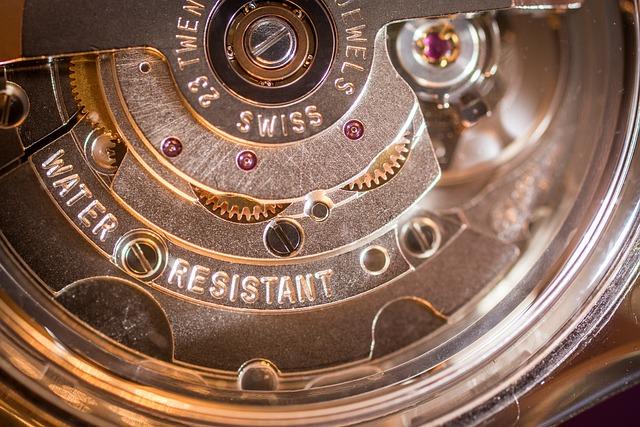
How Does an Automatic Watch Wind? All You Need to Know!
Have you ever wondered how automatic watches stay wound without needing a battery or manual winding? In this article, we will explore the fascinating mechanism behind how an automatic watch winds itself, so you can have a better understanding of this classic timepiece. Read on to learn all you need to know about the inner workings of automatic watches.
Contents
- How Does an Automatic Watch Wind?
- Understanding the Mechanism Behind Automatic Watch Winding
- Factors Influencing the Winding Process of an Automatic Watch
- Tips to Ensure Proper Winding of Your Automatic Watch
- Difference Between Manual and Automatic Watch Winding
- Common Misconceptions About Automatic Watch Winding
- Best Practices for Maintaining the Power Reserve of Your Automatic Watch
- How to Recognize When Your Automatic Watch Needs Winding
- In Summary
How Does an Automatic Watch Wind?
An automatic watch winds itself through the motion of the wearer’s wrist. This is made possible by a rotor inside the watch that moves with the movement of the wrist. As the rotor spins, it winds the mainspring of the watch, storing energy that powers the watch’s movement.
When the watch is not being worn, it can also be wound manually by turning the crown. This allows the mainspring to be wound up, providing power to the watch. Additionally, automatic watches can also be placed on watch winders when not being worn to keep them powered and running smoothly.
It’s important to note that overwinding an automatic watch is not a concern, as the mechanism is designed to disengage when the mainspring is fully wound. This ensures that the watch is not damaged from being wound too much. In contrast, a manual watch must be wound by hand regularly to keep it running.
Overall, the automatic winding mechanism in a watch is a fascinating and innovative system that combines the wearer’s movement with mechanical precision to keep the timepiece running accurately.

Understanding the Mechanism Behind Automatic Watch Winding
An automatic watch winds itself using the motion of the wearer’s arm. Inside the watch, there is a rotor that spins with the movement of the wrist. This rotor is connected to the mainspring, which is what stores the energy needed to power the watch. As the rotor spins, it winds the mainspring, keeping the watch running smoothly.
One of the key components of an automatic watch is the escapement mechanism. This mechanism controls the release of energy from the mainspring to the gear train, which in turn moves the hands of the watch. The escapement ensures that the energy is released in a controlled manner, allowing the watch to keep accurate time.
To ensure that the watch stays wound, it is important to wear it regularly or use a watch winder when not in use. A watch winder is a device that mimics the motion of the wrist, keeping the rotor in the watch spinning and the mainspring wound. This is particularly important for those with multiple automatic watches, as it prevents the need to reset the time and date on each watch when not in use.
Factors Influencing the Winding Process of an Automatic Watch
When it comes to the winding process of an automatic watch, there are several factors that come into play. Understanding these factors can help you maintain and care for your timepiece properly. Some of the key factors influencing the winding process include:
Wearing habits: The frequency at which you wear your watch can impact how often it needs winding. For daily wear, the motion of your wrist will naturally wind the watch. However, if you don’t wear it often, manual winding may be necessary.
Movement type: Different automatic watches have different movement types, such as the popular Swiss ETA movements or Japanese Miyota movements. The specific movement in your watch can affect how it needs to be wound and how long it will hold a charge.
Power reserve: The power reserve of an automatic watch refers to how long it can run without being wound. Some watches have a power reserve of 24 hours, while others can last up to 72 hours or more. It’s important to know your watch’s power reserve so you can wind it accordingly.
- Winding mechanism: The winding mechanism of an automatic watch can vary, with some watches featuring a manual winding option in addition to the automatic winding function. Understanding how the winding mechanism works can help you keep your watch running smoothly.
By taking these factors into consideration, you can ensure that your automatic watch stays accurate and reliable for years to come. Remember to consult your watch’s manual for specific winding instructions and maintenance tips.
Tips to Ensure Proper Winding of Your Automatic Watch
Proper winding of your automatic watch is crucial to ensure it functions accurately and reliably. Here are some tips to help you maintain your timepiece:
Regularly wear your watch:
Wearing your automatic watch regularly will keep it moving and help maintain its power reserve. A watch winder can also be used when you’re not wearing it to keep it wound.
Avoid overwinding:
Be mindful not to overwind your watch as this can put unnecessary strain on the movement. Most automatic watches will have a natural stopping point when fully wound, so listen for the subtle click or resistance when winding.
Set a routine:
Establish a routine for winding your watch, whether it’s every morning before you put it on or at the same time each day. Consistency is key to keeping your automatic watch running smoothly.
Keep it clean:
Regularly clean your watch with a soft cloth to prevent any dust or debris from affecting its movement. If your watch is water-resistant, you can also give it a gentle rinse under warm water to keep it in top condition.
| Tip | Description |
|---|---|
| Regular Wear | Helps maintain power reserve |
| Avoid Overwinding | Prevents strain on movement |
| Set a Routine | Consistent winding schedule |
| Keep it Clean | Prevents dust and debris buildup |

Difference Between Manual and Automatic Watch Winding
When it comes to watch winding, there are two main types: manual and automatic. Understanding the difference between the two can help you choose the right watch for your needs and preferences. Here’s all you need to know about how an automatic watch winds compared to a manual one:
Manual Watch Winding:
In a manual watch winding mechanism, the watch is powered by winding the crown clockwise. This action tightens the mainspring inside the watch, storing energy to keep the watch running. With manual winding, you need to remember to wind your watch every day to ensure it keeps accurate time.
Automatic Watch Winding:
On the other hand, automatic watch winding relies on the natural motion of your wrist to keep the watch running. The movement of your wrist winds the rotor inside the watch, which then winds the mainspring. This means you don’t need to manually wind your watch every day, as long as you wear it regularly.
Differences:
- Convenience: Automatic watches are more convenient as they wind themselves through wrist movement, whereas manual watches require daily winding.
- Maintenance: Manual watches may require more regular maintenance to ensure they keep accurate time, while automatic watches are generally low-maintenance.
- Craftsmanship: Some watch enthusiasts appreciate the craftsmanship of manual watches and enjoy the ritual of daily winding, while others prefer the convenience of automatic watches.

Common Misconceptions About Automatic Watch Winding
When it comes to automatic watches, there are many misconceptions about how they wind. One common misconception is that you need to manually wind an automatic watch like you would with a traditional mechanical watch. However, this is not the case. Automatic watches use the movement of your wrist to wind the watch, thanks to a rotor inside the mechanism that spins as you move.
Another misconception is that you need to wear your automatic watch every day to keep it running. While wearing your watch regularly can help keep it wound, most automatic watches have a power reserve of at least 24 hours, meaning you can take it off for a day or two without it stopping. To keep your watch running smoothly when not wearing it, consider investing in a watch winder to keep it wound and ready to wear.
It’s also a common belief that overwinding an automatic watch can damage it. In reality, modern automatic watches are designed with mechanisms to prevent overwinding, so you don’t need to worry about causing any harm by keeping your watch wound. However, if you notice any unusual resistance when winding your watch, stop immediately to avoid any potential damage. Remember, a gentle shake or wearing the watch for a few hours should provide enough power to keep it running.
Best Practices for Maintaining the Power Reserve of Your Automatic Watch
An automatic watch winds itself as you wear it on your wrist throughout the day. The movement of your wrist causes a rotor inside the watch to spin, which in turn winds the mainspring. This mainspring is what powers the watch, storing energy that is released to keep the watch running. However, there are certain best practices you can follow to maintain the power reserve of your automatic watch:
- Wear your watch regularly to keep it wound
- Rotate between different watches if you have a collection
- Manually wind your watch if it has stopped
- Store your watch in a watch winder when not in use
By following these best practices, you can ensure that your automatic watch stays powered and running smoothly. Remember that each watch is different, so it’s always a good idea to refer to the manufacturer’s instructions for specific recommendations on maintaining your watch’s power reserve.

How to Recognize When Your Automatic Watch Needs Winding
Automatic watches are a marvel of engineering, relying on the kinetic energy of the wearer’s movements to keep the watch running. Over time, however, the mainspring that powers the watch will eventually need winding to keep the watch accurate. But how can you tell when your automatic watch needs winding?
One tell-tale sign that your automatic watch needs winding is if it starts losing time. If you notice that your watch is running slower than usual, it may be time to give it a wind. Another indicator is if the watch feels lighter on your wrist than usual, which could mean that the mainspring is losing tension and needs to be wound.
It’s important to note that not all automatic watches have a power reserve indicator, so it’s essential to keep track of when you last wound your watch. Most automatic watches will need to be wound every 1-2 days to ensure that they continue to run accurately. To wind your automatic watch, simply turn the crown clockwise until you feel resistance.
Overall, keeping track of how your automatic watch is running and being aware of the signs that it needs winding will help you maintain the accuracy and longevity of your timepiece. By giving your watch a wind when it needs it, you can ensure that it continues to run smoothly for years to come.
In Summary
In conclusion, understanding how an automatic watch winds is crucial for ensuring its proper function and longevity. By wearing the watch regularly, investing in a watch winder, or manually winding it when needed, you can keep your automatic timepiece running smoothly for years to come. Remember, proper care and maintenance are essential for keeping your watch ticking accurately. Thank you for reading, and we hope this guide has provided you with valuable insights into the fascinating world of automatic watches.
Get our latest guides, news, and insights highlighted in your Google Search & AI Overviews.