The Wristwatch Handbook: A Comprehensive Guide to Mechanical Watches
If you’ve ever been fascinated by the intricate beauty and precision of mechanical wristwatches, then “The Wristwatch Handbook” is a must-have guide for you. This comprehensive book dives deep into the world of these timeless timepieces, covering everything from their history and technology to their care and maintenance. Join us as we explore the inner workings of these mechanical marvels and discover the artistry that goes into creating something truly remarkable.
Contents
- – Overview of The Wristwatch Handbook
- – Understanding Mechanical Watches
- – Exploring Watch Complications
- – Selecting a High-Quality Timepiece
- – Care and Maintenance Tips for Mechanical Watches
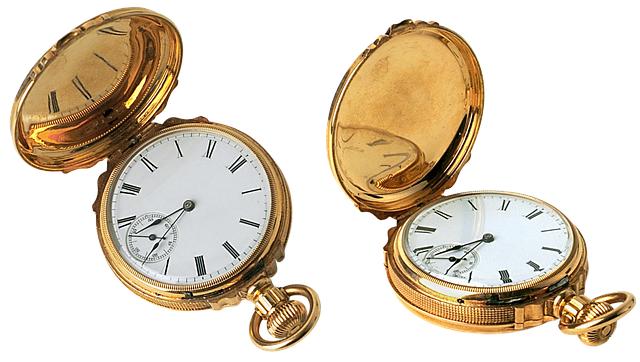
- – Restoring Vintage Wristwatches
- – Recognizing Different Watch Movements
- Mechanical Movements
- Quartz Movements
- Automatic Movements
- – Navigating the World of Watch Brands
- – Mastering Watchmaking Terminology
- – Tips for Building a Diverse Watch Collection
- Wrapping Up
– Overview of The Wristwatch Handbook
The Wristwatch Handbook is a must-have guide for any watch enthusiast who wants to deepen their understanding of mechanical timepieces. This comprehensive book covers a wide range of topics related to wristwatches, from history and design to complications and maintenance.
Whether you are a seasoned collector or a novice watch lover, this handbook offers valuable insights that will enhance your appreciation for mechanical watches. With detailed explanations and stunning visuals, the book provides a fascinating glimpse into the world of horology.
Key features of The Wristwatch Handbook include:
- In-depth explanations of watch movements, complications, and design elements
- Practical tips on how to care for and maintain your timepiece
- Insightful interviews with industry experts and watchmakers
- Beautiful photography showcasing a variety of iconic watch models.
Overall, The Wristwatch Handbook is a comprehensive and engaging resource that will enrich your knowledge and passion for mechanical watches.

– Understanding Mechanical Watches
Mechanical watches are a marvel of engineering, with intricate mechanisms that make them a joy to wear and admire. Understanding how these watches work can deepen your appreciation for the craftsmanship that goes into making them. From the mainspring to the escapement, each component plays a crucial role in keeping time accurately and reliably.
One of the key features of mechanical watches is their ability to be hand-wound or self-winding, also known as automatic. Hand-wound watches require manual winding by turning the crown, while automatic watches use the natural motion of the wearer’s wrist to wind the mainspring. This fascinating aspect of mechanical watches showcases the blend of traditional craftsmanship and modern innovation.
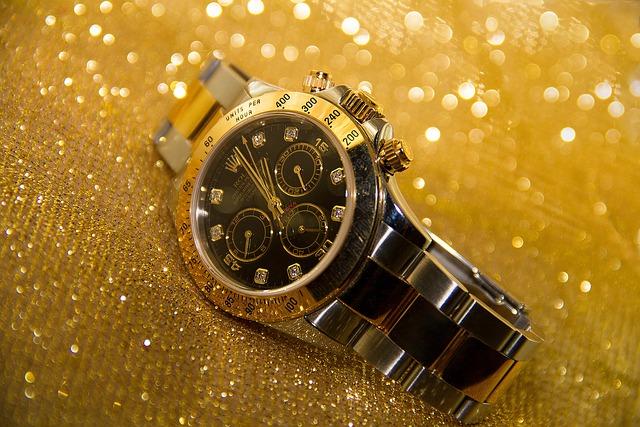
Furthermore, the materials used in mechanical watches, such as stainless steel, gold, or titanium, contribute to their durability and aesthetic appeal. The intricate dials and hands, along with complications like moon phases, chronographs, and tourbillons, add to the complexity and beauty of these timepieces. Investing in a mechanical watch is not just owning a piece of history but also a work of art that can be passed down for generations.

– Exploring Watch Complications
When it comes to mechanical wristwatches, there is a world of complexity and beauty waiting to be explored. One of the most fascinating aspects of a high-quality timepiece is its complications, which are additional features beyond the basic timekeeping function. These complications can range from simple date displays to intricate astronomical displays, adding both practicality and artistry to a watch.
Some common watch complications that you may encounter include:
- Chronograph: A stopwatch function that allows you to time events with precision.
- Moonphase: Displays the current phase of the moon, adding a touch of celestial elegance to your watch.
- Perpetual Calendar: Automatically adjusts for varying month lengths and leap years, ensuring that your watch always displays the correct date.
Exploring these complications can deepen your appreciation for the craftsmanship and engineering that goes into creating a mechanical timepiece. Whether you are a seasoned watch enthusiast or just beginning to delve into the world of horology, understanding watch complications is essential to fully appreciate the art of fine watchmaking.

– Selecting a High-Quality Timepiece
When it comes to selecting a high-quality timepiece, there are a few key factors to consider. The Wristwatch Handbook provides a comprehensive guide to mechanical watches, helping you make an informed decision when investing in a new watch.
- Movement: One of the most important aspects of a high-quality timepiece is its movement. Mechanical movements are generally considered superior to quartz movements due to their craftsmanship and precision.
- Materials: The materials used in a watch can greatly affect its durability and overall quality. Look for watches made with stainless steel, sapphire crystal, and genuine leather straps for a long-lasting timepiece.
- Brand Reputation: Another important factor to consider when selecting a high-quality timepiece is the brand’s reputation. Choose a well-known and respected watchmaker to ensure you are getting a reliable and well-made watch.
- Functionality: Consider what features are important to you in a watch, such as water resistance, chronograph capabilities, or a date complication. Make sure the watch you choose has the functionality you need.
By following the guidance in The Wristwatch Handbook, you can confidently select a high-quality timepiece that will stand the test of time and become a valuable addition to your collection.

– Care and Maintenance Tips for Mechanical Watches
Mechanical watches are intricate pieces of craftsmanship that require proper care and maintenance to ensure they continue to function accurately and reliably for years to come. Here are some essential tips to help you take care of your mechanical timepiece:
- Regular Servicing: It is recommended to have your mechanical watch serviced by a professional watchmaker every 3-5 years to keep it in optimal condition.
- Water Resistance: Be mindful of the water resistance rating of your watch and avoid exposing it to water if it is not designed for swimming or diving.
- Storage: When not wearing your watch, store it in a cool, dry place away from direct sunlight and magnetic fields to prevent damage.
| Don’ts: | Do’s: |
|---|---|
| Avoid extreme temperatures. | Ensure your watch is wound regularly. |
| Don’t open the caseback yourself. | Rotate the crown gently to set the time and date. |
By following these care and maintenance tips, you can prolong the lifespan of your mechanical watch and enjoy its beauty and craftsmanship for years to come.

– Restoring Vintage Wristwatches
When it comes to restoring vintage wristwatches, it’s essential to have a solid understanding of the intricate mechanisms that make these timepieces tick. The Wristwatch Handbook is a comprehensive guide that delves into the world of mechanical watches, offering invaluable insights and tips for enthusiasts looking to bring old watches back to their former glory.
One of the key aspects of restoring vintage wristwatches is ensuring that the movement is in optimal condition. This involves disassembling the watch, cleaning each component meticulously, and replacing any worn-out parts. The Handbook provides step-by-step instructions on how to perform these tasks effectively, ensuring that the watch functions smoothly once restored.
In addition to movement maintenance, the Handbook also covers case restoration techniques, dial refinishing, and strap replacement. These sections offer practical advice on how to preserve the aesthetic appeal of vintage wristwatches, making them look as good as new while still retaining their original charm. With the help of this comprehensive guide, watch enthusiasts can embark on the rewarding journey of restoring vintage timepieces with confidence and expertise.
– Recognizing Different Watch Movements
There are several different types of watch movements, each with its own unique characteristics and features. By understanding the differences between these movements, you can make a more informed decision when choosing a watch that suits your needs and preferences.
Mechanical Movements
One of the most traditional and classic types of watch movements is the mechanical movement. These movements rely on a series of gears and springs to keep time, without the use of any electronic components. Mechanical movements are highly regarded for their craftsmanship and precision, making them a popular choice among watch enthusiasts.
Quartz Movements
On the other hand, quartz movements are powered by a battery and use a quartz crystal to regulate timekeeping. While quartz movements are generally more accurate and require less maintenance than mechanical movements, they are often seen as less prestigious in the world of watchmaking.
Automatic Movements
Automatic movements, also known as self-winding movements, combine the craftsmanship of mechanical movements with the convenience of quartz movements. These movements are powered by the natural motion of the wearer’s wrist, eliminating the need for manual winding. This innovative technology has become increasingly popular among watch enthusiasts who appreciate the blend of tradition and modernity.

In the vast world of watch brands, it can be overwhelming trying to navigate through the numerous options available. With so many different styles, movements, and features to choose from, finding the right watch for your individual preferences can be a daunting task. That’s where The Wristwatch Handbook comes in to provide a comprehensive guide to help you make an informed decision.
Whether you’re a seasoned watch collector or a newcomer to the world of mechanical watches, this handbook covers everything you need to know about different watch brands, their histories, and the unique characteristics that set them apart. From iconic Swiss manufacturers to up-and-coming independent brands, The Wristwatch Handbook offers a detailed look at the diverse landscape of watchmaking.
Explore the rich heritage of legendary watchmakers like Rolex, Omega, and Patek Philippe, and discover hidden gems from niche brands that are pushing the boundaries of innovation. With expert insights on craftsmanship, design, and technical specifications, this guide is a must-have for anyone looking to delve into the fascinating world of watch brands.
From dive watches to dress watches, chronographs to complications, The Wristwatch Handbook is your ultimate resource for understanding the intricacies of different watch brands and finding the perfect timepiece to suit your style and preferences.

– Mastering Watchmaking Terminology
In the world of mechanical watches, understanding the terminology is key to fully appreciating the craftsmanship and complexity of these timepieces. Whether you’re a seasoned watch enthusiast or just starting your journey into the world of horology, mastering watchmaking terminology is essential.
One term you may come across is **”escapement,”** which refers to the mechanism in a watch that controls the release of energy from the mainspring to the gear train. Another important term is **”complication,”** which denotes any additional function on a watch beyond telling time, such as a chronograph or moon phase indicator.
When discussing the components of a watch, you’ll often hear the terms **”bezel,”** which is the ring surrounding the crystal of the watch, and **”lug,”** which is the part of the case that connects the watch to the strap or bracelet. Understanding these terms will not only enhance your conversations about watches but also deepen your appreciation for the intricate details that go into each timepiece.
In the table below, you’ll find a breakdown of the different types of watch movements:
| **Movement Type** | **Description** |
| — | — |
| Manual | Requires winding by hand to power the watch |
| Automatic | Utilizes the motion of the wearer to wind the watch automatically |
| Quartz | Relies on a battery to power the movement, known for its precision |
By familiarizing yourself with watchmaking terminology, you’ll gain a deeper understanding of the artistry and engineering behind every mechanical watch.
– Tips for Building a Diverse Watch Collection
When it comes to building a diverse watch collection, there are several tips to keep in mind to ensure you have a well-rounded selection of timepieces. One important aspect to consider is the different types of watches available, including dress watches, sports watches, and dive watches. By including a variety of styles in your collection, you can cater to different occasions and preferences.
Another tip is to explore different brands and watchmakers to add depth and variety to your collection. Look for brands with a rich history and unique design elements that appeal to you. This way, you can showcase a range of craftsmanship and innovation on your wrist.
Additionally, consider collecting watches with different complications to showcase the intricate mechanics and functions available in timepieces. From chronographs to moon phases, each complication adds a unique touch to a watch and can enhance your overall collection.
To further diversify your collection, mix and match materials and colors to create a visually appealing and dynamic assortment of watches. Whether it’s stainless steel, leather, or ceramic, each material brings a different look and feel to a watch. By incorporating a range of materials and colors, you can create a collection that reflects your personal style and taste.
Wrapping Up
In conclusion, “The Wristwatch Handbook: A Comprehensive Guide to Mechanical Watches” offers a thorough and detailed overview of the world of mechanical timepieces. From the history of watchmaking to the intricacies of various complications, this book serves as an indispensable resource for watch enthusiasts and collectors alike. Key takeaways include a deeper understanding of watch mechanics, the importance of craftsmanship and attention to detail, and the timeless allure of mechanical watches. Whether you are new to the world of horology or a seasoned collector, this handbook is sure to enhance your appreciation for these timeless and elegant accessories.
Get our latest guides, news, and insights highlighted in your Google Search & AI Overviews.