How Is Mechanical Energy Used in a Watch? Essential Insights
Have you ever wondered how a watch is able to keep time so accurately, ticking away effortlessly on your wrist? The answer lies in the intricate use of mechanical energy. In this article, we will explore the essential insights into how mechanical energy is harnessed and utilized in the inner workings of a watch. Join us as we delve into the fascinating world of horology and discover the intricate mechanisms that power these timeless accessories.
Contents
- How Does a Watch Use Mechanical Energy to Keep Time?
- Understanding the Role of the Main Spring in a Mechanical Watch
- Exploring the Escapement Mechanism and its Function
- The Impacts of Friction on Mechanical Energy in a Watch
- Maximizing Efficiency: Tips for Maintaining Proper Lubrication
- The Importance of Balance Wheels and Hairsprings in Timekeeping
- Innovations in Mechanical Energy Usage in Modern Watches
- Balancing Precision and Power: Adjusting the Regulator Mechanism
- Harnessing Kinetic Energy to Power Automatic Watches
- Exploring the Intricacies of Mechanical Chronographs and Power Reserve Indicators
- To Wrap It Up
How Does a Watch Use Mechanical Energy to Keep Time?
Each time you glance at your watch to check the time, you are witnessing the intricate dance of mechanical energy at work. Watches are not just accessories; they are marvels of engineering that use mechanical energy in a precise and consistent manner to keep time accurately. Here are some essential insights into how mechanical energy is utilized in a watch:
- Main Spring: The main spring is the heart of a mechanical watch, storing potential energy when wound up. As the spring unwinds, it releases this energy which powers the movement of the watch.
- Escapement Mechanism: The escapement is responsible for regulating the release of energy from the main spring, ensuring that the watch hands move at a constant rate. This mechanism controls the ticking motion of the watch.
- Gear Train: The gear train transmits the energy from the main spring to the watch hands, allowing for the precise measurement of time. The gears in this system work together to ensure smooth and accurate timekeeping.
| Component | Function |
|---|---|
| Balance Wheel | Regulates the movement of the escapement mechanism |
| Escapement Wheel | Controls the release of energy from the main spring |
Understanding how mechanical energy is harnessed in a watch can deepen your appreciation for the craftsmanship and precision that goes into creating these timepieces. The next time you admire the ticking of your watch, remember the intricate mechanisms working together to keep time with remarkable accuracy.

Understanding the Role of the Main Spring in a Mechanical Watch
In a mechanical watch, the main spring plays a crucial role in powering the timekeeping mechanism. This tightly wound coil of metal stores potential energy, which is gradually released as the watch unwinds, providing the necessary energy to drive the gears that move the hands of the watch.
The main spring is typically made of a special alloy that allows it to store a significant amount of energy within a compact space. As the spring unwinds, this energy is transferred through a series of gears and levers, ultimately driving the escapement mechanism that regulates the timekeeping of the watch.
It’s important to note that the main spring must be wound regularly to ensure that the watch continues to keep accurate time. This winding process transfers energy back into the spring, ready to be released as needed to power the watch.
Overall, the main spring is a fundamental component of a mechanical watch, responsible for storing and releasing the energy needed to keep the timepiece ticking accurately and reliably.
Exploring the Escapement Mechanism and its Function
The escapement mechanism in a watch is a critical component that controls the release of energy stored in the mainspring. This intricate system consists of several parts working together to regulate the movement of the gears, allowing for accurate timekeeping. The escapement mechanism is responsible for converting the continuous flow of energy from the mainspring into discrete, uniform ticks, which drive the hands of the watch.
One of the key functions of the escapement mechanism is to maintain the amplitude of the balance wheel, ensuring consistent timekeeping. The escapement mechanism accomplishes this by controlling the release of energy in precise increments, allowing the balance wheel to oscillate back and forth at a consistent rate. This regulated motion is what drives the movement of the gears and ultimately, the hands of the watch.
By understanding how the escapement mechanism functions, we can appreciate the intricate craftsmanship that goes into creating a mechanical watch. The precise engineering and meticulous attention to detail required to design and manufacture these intricate components are what make mechanical watches so fascinating and enduring. Next time you glance at your watch, take a moment to marvel at the intricate escapement mechanism ticking away, keeping time with precision and elegance.
The Impacts of Friction on Mechanical Energy in a Watch
Friction plays a significant role in the way mechanical energy is utilized in a watch. As the various components of a watch move against each other, friction is produced which can have both positive and negative impacts on the efficiency and longevity of the timepiece. Understanding how friction affects mechanical energy in a watch is crucial for maintaining its functionality and accuracy.
One of the primary impacts of friction on mechanical energy in a watch is the generation of heat. When two surfaces rub against each other, heat is produced as a result of the friction between them. In a watch, excessive heat can cause the lubricants used in the movement to break down, leading to increased wear and potential damage to the components. This can ultimately impact the accuracy and reliability of the watch.
On the other hand, friction also plays a crucial role in maintaining the proper function of certain components in a watch. For example, the escapement mechanism relies on controlled friction to regulate the movement of the gears and ensure accurate timekeeping. Without the right amount of friction, the watch may run too fast or too slow, affecting its overall performance.
By understanding , watchmakers can make informed decisions about the materials and lubricants used in the movement to optimize performance and longevity. Proper maintenance and regular servicing can also help mitigate the effects of friction and ensure that the watch continues to function correctly for years to come.
Maximizing Efficiency: Tips for Maintaining Proper Lubrication
In a watch, mechanical energy plays a crucial role in ensuring its proper functioning. From keeping accurate time to powering various complications, mechanical energy is utilized in a variety of ways. Understanding how this energy is harnessed can provide valuable insights into the inner workings of a timepiece.
One essential aspect of utilizing mechanical energy in a watch is proper lubrication. Without adequate lubrication, the components of a watch can experience excess friction, leading to increased wear and potential damage. By maintaining proper lubrication, watchmakers can ensure that the movement operates smoothly and efficiently, ultimately extending the lifespan of the timepiece.
Here are some tips for maximizing efficiency through proper lubrication in a watch:
– Use high-quality synthetic oils: Synthetic oils are designed to provide superior lubrication properties, ensuring optimal performance in a watch movement.
– Regular maintenance: Schedule routine maintenance checks to ensure that the lubrication in your watch is still effective and that any worn-out oils are replaced promptly.
– Avoid over-lubrication: Applying too much lubricant can attract dust and debris, leading to potential issues with the movement. Be precise in your lubrication application to avoid these problems.
– Consult a professional: If you’re unsure about how to properly lubricate your watch, it’s best to seek the expertise of a professional watchmaker who can ensure that the lubrication is done correctly.
The Importance of Balance Wheels and Hairsprings in Timekeeping
In a mechanical watch, the balance wheel and hairspring work together to regulate the movement of time. The balance wheel, typically made of metal, oscillates back and forth at a consistent rate. This rhythmic motion is essential for accurate timekeeping, as it determines how fast or slow the watch runs. The hairspring, a delicate spring attached to the balance wheel, helps control its oscillations and ensure they are uniform.
Balancing the power of the mainspring, which drives the watch, the balance wheel and hairspring mechanism acts as a sort of timekeeping “brain” for the timepiece. When the watch is wound, the mainspring stores energy that is released in a controlled manner by the escapement system, which includes the balance wheel and hairspring. This energy is then transferred to the gears of the watch, which move the hands on the dial.
Without a properly functioning balance wheel and hairspring, a watch would not keep accurate time. Any disruptions or damage to these components can result in the watch running too fast or too slow. Therefore, it is crucial for watchmakers to carefully assemble and regulate the balance wheel and hairspring to ensure precision timekeeping.
Innovations in Mechanical Energy Usage in Modern Watches
One of the most fascinating aspects of modern watches is how mechanical energy is harnessed and utilized to power these intricate timepieces. Through innovative design and technology, watchmakers have found creative ways to ensure that mechanical energy is effectively captured, stored, and utilized to keep a watch running smoothly and accurately.
One key element in the utilization of mechanical energy in watches is the mainspring. This coiled spring is wound up either manually or automatically, storing potential energy that is slowly released as the watch mechanism ticks away. The mainspring is a critical component that drives the entire watch movement, providing the necessary power for all the gears, wheels, and hands to function harmoniously.
Another essential component in the efficient usage of mechanical energy in watches is the escapement mechanism. This mechanism controls the release of energy from the mainspring in a regulated manner, ensuring that the watch movement ticks at a consistent rate. By carefully managing the release of energy, the escapement mechanism plays a crucial role in maintaining the accuracy of the watch.
Innovations in modern watchmaking have led to the development of advanced materials and technologies that enhance the efficiency and performance of mechanical watches. From utilizing high-tech ceramic materials for watch components to incorporating innovative escapement designs, watchmakers are constantly pushing the boundaries of what is possible in harnessing and utilizing mechanical energy in watches.

Balancing Precision and Power: Adjusting the Regulator Mechanism
Mechanical watches are intricate devices that rely on the precise regulation of energy to function accurately. One of the key components responsible for this regulation is the regulator mechanism, which acts as a sort of control system for the watch’s timekeeping. When it comes to adjusting this mechanism, finding the right balance between precision and power is crucial for ensuring optimal performance.
By adjusting the regulator mechanism, watchmakers can fine-tune the rate at which the watch runs, allowing for more accurate timekeeping. This adjustment can impact both the speed at which the watch gains or loses time and the amount of power needed to keep it running smoothly. Balancing these two factors is essential for achieving the desired level of accuracy and longevity in a mechanical watch.
When adjusting the regulator mechanism, watchmakers typically focus on two main components: the balance spring and the index. By making precise adjustments to these parts, they can optimize the performance of the watch and ensure that it maintains accurate timekeeping over extended periods. Finding the perfect balance between precision and power requires a keen eye, steady hand, and deep understanding of the inner workings of a mechanical watch.

Harnessing Kinetic Energy to Power Automatic Watches
One of the most fascinating aspects of automatic watches is their ability to harness kinetic energy to power themselves. This ingenious mechanism eliminates the need for batteries or manual winding, offering a sustainable and efficient way to keep time. So, how exactly is mechanical energy used in a watch? Let’s delve into the essential insights behind this innovative technology.
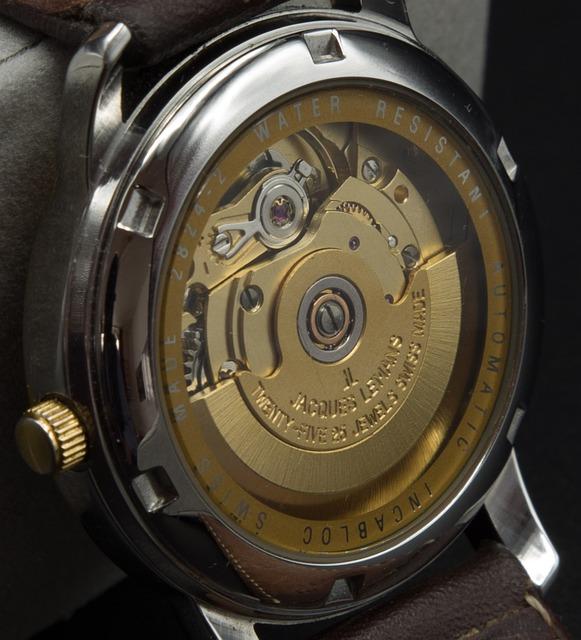
**Internal Mechanism**: Inside an automatic watch, there is a rotor that moves with the motion of the wearer’s wrist. This rotor is connected to the mainspring, which stores the energy generated by the movement. As the rotor spins, it winds the mainspring, storing potential energy that powers the watch.
**Transferring Energy**: The mainspring releases this stored energy in a controlled manner through a series of gears and springs, ultimately driving the movement of the watch hands. This intricate system of gears and wheels ensures that the energy is transferred efficiently and accurately, translating the kinetic energy into the precise ticking of the watch.
**Sustainability**: By harnessing the natural motion of the wearer, automatic watches offer a sustainable alternative to traditional timepieces. This self-sustaining energy source not only reduces the environmental impact of disposable batteries but also provides a unique connection between the watch and its wearer.
In conclusion, the use of mechanical energy in automatic watches showcases the ingenuity and precision of watchmaking. By utilizing the natural movement of the wearer, these timepieces offer a sustainable and reliable way to keep time, embodying the perfect blend of functionality and craftsmanship.
Exploring the Intricacies of Mechanical Chronographs and Power Reserve Indicators
In a mechanical watch, the intricate system of gears, springs, and levers work together harmoniously to keep time accurately. The mainspring is the source of mechanical energy in a watch, storing up potential energy as it is wound up. This stored energy is then released gradually to power the movement of the watch. The escapement, balance wheel, and gear train all play crucial roles in regulating this energy to ensure precise timekeeping.
One key component in a mechanical watch is the chronograph function, which allows the wearer to measure elapsed time with precision. The chronograph mechanism is activated by pushing the buttons on the side of the watch, engaging a series of intricate levers and gears that start, stop, and reset the timing function. This intricate system of mechanisms adds complexity to the watch movement, showcasing the craftsmanship and engineering skills of the watchmaker.
Another essential feature in a mechanical watch is the power reserve indicator, which shows the amount of stored energy remaining in the mainspring. This indicator allows the wearer to know when the watch needs to be wound up to maintain accurate timekeeping. Some watches even have a power reserve complication that displays how many hours or days of power are left, providing a convenient way to ensure the watch is always ready to go. The power reserve indicator is a practical and useful function that adds both functionality and visual interest to a mechanical timepiece.
To Wrap It Up
In conclusion, mechanical energy plays a crucial role in the functionality of a watch. By utilizing the principles of winding, gears, and escapement mechanisms, watches are able to accurately display the passage of time. Understanding how mechanical energy is used in a watch can give us a greater appreciation for the intricate craftsmanship that goes into creating these timepieces. So, the next time you glance at your watch, remember the intricate interplay of mechanical energy that keeps it ticking.
Get our latest guides, news, and insights highlighted in your Google Search & AI Overviews.