Waterproof Wonder: Are Mechanical Watches Waterproof?
Waterproof Wonder: Are Mechanical Watches Waterproof?
In the endless pursuit of precision and style, mechanical watches have stood the test of time, becoming a timeless symbol of sophistication. Adorned on our wrists, they tirelessly tick away, ticking to the rhythm of our lives. But one question lingers in the minds of watch connoisseurs and enthusiasts alike – are mechanical watches truly waterproof? Fear not, for we dive deep into the depths of horology to unravel the truth behind this waterproof wonder. Join us on a journey of knowledge, as we unlock the mysteries behind the resilience of mechanical timepieces and discover whether they can truly withstand the forces of nature. Hold on tight, for we are about to unveil the truth about these timekeeping marvels.
Contents
- Are Mechanical Watches Truly Waterproof?
- The Science Behind Water Resistance in Mechanical Watches
- Factors Affecting the Water Resistance of Mechanical Watches
- Recommendations to Safeguard Your Mechanical Watch Against Water Damage
- Regular Maintenance and Servicing: Crucial to Preserve Water Resistance
- Common Misconceptions About Water Resistance in Mechanical Watches
- Essential tips for Wearing Your Water-Resistant Mechanical Watch
- To Wrap It Up
Are Mechanical Watches Truly Waterproof?
When it comes to selecting a timepiece that suits your lifestyle, one important factor to consider is its water resistance. Many watch enthusiasts often wonder if mechanical watches can truly withstand submersion and make for reliable waterproof companions. The answer lies in understanding the varying degrees of water resistance in mechanical watches.
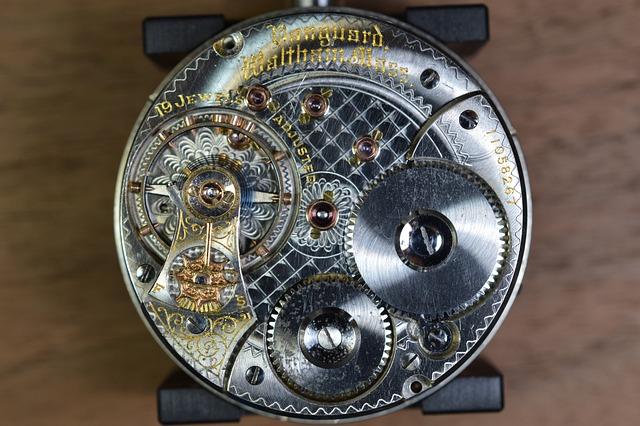
Mechanical watches, unlike their quartz counterparts, boast intricate mechanisms that rely on a series of gears and springs to keep time. While these mechanical wonders are built to last, their water resistance abilities can vary depending on several factors:
Water Resistance Ratings: Mechanical watches are typically assigned water resistance ratings that indicate their capacity to withstand water pressure. These ratings are measured in meters or atmospheres and provide a general guideline for the watch’s performance underwater. For instance, a watch with a water resistance rating of 50 meters suggests it can handle light splashes or brief immersion.
Gaskets and Seals: To maintain water resistance, mechanical watches feature specialized gaskets and seals that prevent moisture from entering the case. These components deteriorate over time, so regular maintenance and servicing are essential to ensure the watch’s water resistance remains intact.
- Screw-Down Crowns: Some mechanical watches are equipped with screw-down crowns that provide an additional layer of protection against water infiltration. These crowns must be tightened securely to create a watertight seal, ensuring the watch remains resistant to water at greater depths.
It is important to note that water resistance is not a permanent feature, and over time, factors such as aging gaskets, accidental impacts, or incorrect handling can compromise a watch’s water resistance. Therefore, it is always advisable to check the manufacturer’s guidelines and have your mechanical watch tested and serviced periodically to maintain its water resistance capabilities.
In conclusion, while mechanical watches can indeed offer varying degrees of water resistance, it is crucial to understand and respect their limitations. Whether you’re a diving enthusiast or simply enjoy a leisurely swim, it’s essential to find a watch with an appropriate water resistance rating that aligns with your water-related activities. Remember, even the most water-resistant mechanical watch requires regular care and maintenance to ensure its longevity and reliability in wet environments.

The Science Behind Water Resistance in Mechanical Watches
Water resistance is a crucial aspect to consider when purchasing a mechanical watch. While we often use the term “waterproof” colloquially, it is important to note that no mechanical watch can be guaranteed to be completely waterproof. However, many mechanical watches are designed to withstand certain levels of water exposure and can be labeled as water-resistant.
The extent of water resistance in a mechanical watch is determined by a variety of factors, such as the quality of seals and gaskets, the materials used, and the construction of the case. These elements work together to create a watch that can withstand different levels of water pressure.
One of the key components in a water-resistant mechanical watch is the crown. The crown is the button on the side of the watch that is used to set the time and date. To ensure water resistance, the crown is usually equipped with a screw-down or screw-in mechanism. This mechanism creates a tight seal when the crown is pushed in or screwed down, preventing water from entering the watch through the vulnerable point of the crown.
Another important feature is the case back. The case back is the underside of the watch that covers the movement. Water-resistant watches often have a solid case back, which provides an extra layer of protection against water intrusion. Some watches also have a transparent case back, but these are typically not as water-resistant.
In addition to the crown and case back, water resistance is also influenced by other factors such as the type of crystal used (sapphire crystals tend to be more water-resistant than mineral crystals), the type of seals used in the construction of the watch, and the overall quality of the watch’s manufacturing.
It is important to note that the stated water resistance of a watch is typically measured in meters or ATM (atmospheres). For example, a watch with a water resistance rating of 50 meters should be suitable for swimming and light snorkeling, but not for scuba diving. Always refer to the manufacturer’s guidelines to determine the appropriate water activities for your specific watch model.
To summarize, while mechanical watches cannot be considered fully waterproof, many of them are designed to withstand certain levels of water exposure. involves a combination of factors, including the quality of seals and gaskets, the construction of the case, and the presence of features like a screw-down crown and solid case back. Understanding these elements will help you make an informed choice when selecting a water-resistant mechanical watch.
Factors Affecting the Water Resistance of Mechanical Watches
When it comes to mechanical watches, the question of water resistance often arises in the minds of watch enthusiasts. While modern day mechanical watches have made great strides in terms of water resistance, it’s important to note that not all mechanical watches are created equal in this regard. Understanding the factors that affect the water resistance of mechanical watches can help enthusiasts make informed decisions when purchasing their timepiece.
One of the key factors that affects the water resistance of mechanical watches is the quality of its case construction. A well-built case with solid seals and gaskets ensures that water cannot penetrate the watch, keeping it safe even in wet conditions. Additionally, the type of crystal used in the watch can also impact its water resistance. Sapphire crystals, known for their durability and scratch resistance, are often preferred due to their ability to withstand water pressure.
Another important consideration is the crown and its sealing mechanism. The crown acts as the gateway for water to enter the watch, and a poorly constructed or insufficiently sealed crown can compromise the water resistance of the timepiece. It is therefore crucial to choose watches with screw-down crowns or innovative sealing mechanisms to prevent water from seeping into the case.
Moreover, the movement within the watch plays a significant role in its water resistance. Some mechanical watches are equipped with automatic movements, which can have more seals and protection to make them resistant to water. Additionally, proper maintenance and regular servicing of the watch can ensure that its water resistance is maintained over time.
To summarize, while not all mechanical watches are fully waterproof, many are designed to withstand water to a certain extent. By considering factors such as case construction, crystal type, crown sealing mechanism, and movement, watch enthusiasts can find timepieces that offer the water resistance they desire.
Recommendations to Safeguard Your Mechanical Watch Against Water Damage
When it comes to keeping your mechanical watch safe from water damage, it’s important to understand the limitations of its waterproof capabilities. While some watches may claim to be waterproof, it’s crucial to remember that no mechanical watch is truly waterproof. The term “waterproof” is often used as a marketing tool, but it doesn’t guarantee complete protection against water.
However, there are several recommendations you can follow to safeguard your mechanical watch against water damage:
- Check the water resistance rating: Every mechanical watch comes with a water resistance rating, usually indicated in meters. Make sure to check this rating before exposing your watch to water. Keep in mind that a higher rating doesn’t mean your watch is completely waterproof, but it can handle more water pressure.
- Avoid water exposure: To minimize the risk of water damage, it’s always best to avoid exposing your mechanical watch to water whenever possible. This includes swimming, showering, or even washing dishes. Even though some watches may withstand these activities, it’s better to err on the side of caution.
- Regular maintenance: Regular maintenance is key to keeping your watch in optimal condition. Regularly inspect the gaskets and seals of your watch for any signs of wear or deterioration. If you notice any issues, have them repaired or replaced by a professional watchmaker.
- Protective measures: If you plan on engaging in water-related activities, consider using a watch with a higher water resistance rating and extra protection features such as a screw-down crown or a robust diving bezel. Additionally, investing in a water-resistant watch strap can provide an extra layer of protection.
Remember, while these recommendations can help safeguard your mechanical watch against water damage, no watch is completely impervious to water. By following these guidelines and being mindful of your watch’s capabilities, you can enjoy your timepiece without worrying about unnecessary water damage.
Regular Maintenance and Servicing: Crucial to Preserve Water Resistance
While mechanical watches may be known for their intricate craftsmanship and precision, their water resistance capabilities can sometimes be a bit misunderstood. Contrary to popular belief, not all mechanical watches are fully waterproof. However, with proper care and regular maintenance, you can ensure that your timepiece remains water-resistant for years to come.
Regular maintenance and servicing play a vital role in preserving the water resistance of mechanical watches. Here’s why:
- Seal Inspection: Over time, the seals in your watch can deteriorate, compromising its water resistance. By having your watch regularly inspected by a professional, you can detect any worn-out or damaged seals and have them replaced promptly.
- Water Resistance Testing: Periodic testing is crucial to verify the water-resistance integrity of your timepiece. This includes subjecting it to simulated pressure equivalent to the depth for which it is designed. Any signs of leakage or decreased water resistance can then be addressed before it becomes a bigger issue.
- Cleaning and Lubrication: Routine cleaning and lubrication are essential to ensure the smooth operation of your watch’s components. Excess dirt, grime, or dried-out lubricants can hinder its water resistance capabilities. Regular maintenance will help remove any debris and keep your watch in top condition.
Remember, even if your mechanical watch is designated as water-resistant, it is important to avoid exposing it to excessive moisture or extreme water pressure. Taking the necessary precautions and staying diligent with regular maintenance will help safeguard your watch’s water resistance and ensure its longevity.

Common Misconceptions About Water Resistance in Mechanical Watches
One common misconception about water resistance in mechanical watches is that they are completely waterproof. However, this is not entirely true. While mechanical watches are designed to withstand water exposure to a certain degree, they are not impervious to water. It is important for watch owners to understand the limitations of water resistance in their timepieces to avoid any damage or malfunction.
Firstly, the term “water resistance” itself can be misleading. It does not mean that the watch can be submerged underwater indefinitely without any consequences. Instead, water resistance refers to the ability of the watch to withstand a specific level of water pressure. This level is typically indicated in meters or atmospheres (ATM) and can vary from model to model.
Secondly, water resistance can be affected by various factors such as temperature, age, and the presence of microcracks or damaged seals. Even a slight deviation from the recommended usage guidelines could compromise the watch’s ability to resist water. Therefore, it is crucial to regularly maintain and service your mechanical watch to ensure its optimal performance.
To help you understand the different levels of water resistance commonly found in mechanical watches, here is a simplified guide:
| Water Resistance Level | Usage |
|---|---|
| 30 meters / 3 ATM | Splash-proof and can withstand brief water exposure (e.g., rain or handwashing). |
| 50 meters / 5 ATM | Suitable for showering, swimming in shallow waters, and recreational water activities. Avoid diving or snorkeling. |
| 100 meters / 10 ATM | Can handle swimming, snorkeling, and water sports. Not suitable for deep diving. |
| 200 meters / 20 ATM | Designed for professional divers and can withstand high-pressure underwater conditions. |
Remember, no matter the water resistance level of your mechanical watch, it is always advisable to avoid exposing it to hot water, steam, or extreme temperature changes. Additionally, always ensure that the crown and pushers are fully screwed down or pushed in to maintain the watch’s water resistance.

Essential tips for Wearing Your Water-Resistant Mechanical Watch
Water-resistant mechanical watches are a great investment and can withstand exposure to water to a certain extent. However, it is important to note that they are not completely waterproof. Understanding the limits of your water-resistant mechanical watch is crucial in order to avoid any damage or unnecessary repairs. Here are some :
1. Check the Water Resistance Rating: Before exposing your watch to any water activities, it is important to check the water resistance rating. This rating is usually indicated on the watch dial or case back and is measured in meters or ATM (atmospheres). Be sure to understand what the rating means and what activities are suitable for your specific watch.
2. Avoid Extreme Water Activities: While water-resistant watches can handle light splashes or brief immersion, it is best to avoid extreme water activities such as diving or swimming in deep waters. These activities can exceed the watch’s water resistance rating and result in damage to the internal components.
3. Rinse After Exposure: If your watch gets exposed to saltwater, chlorine, or any other chemicals, it is important to rinse it thoroughly with fresh water afterward. These substances can cause corrosion and damage the exterior finish of your watch. Simply rinse it under a gentle stream of water and pat it dry with a soft cloth.
4. Regular Maintenance: Regular maintenance is key to ensuring the longevity of your water-resistant mechanical watch. It is recommended to have your watch serviced every 3-5 years by a professional watchmaker. During this service, the watch’s water resistance will be checked, and any necessary gaskets or seals will be replaced to maintain its water resistance capability.
Remember, even though your water-resistant mechanical watch can handle some exposure to water, it is always best to take precautions and avoid unnecessary risks. By following these essential tips, you can confidently wear your watch and enjoy your water-related activities without compromising its functionality or beauty.
To Wrap It Up
In conclusion, the question of whether mechanical watches are truly waterproof can be answered with a resounding yes. While they may not be as resistant to water as their quartz counterparts, many mechanical timepieces are designed and built to withstand exposure to water to a certain degree. However, it is crucial to note that not all mechanical watches are created equal when it comes to water resistance. When considering a waterproof mechanical watch, look for those with a higher water resistance rating, such as diver’s watches, and ensure that they are properly maintained and serviced. Regular checks and professional waterproof testing will help guarantee the longevity and optimal performance of your mechanical watch underwater. So go ahead and enjoy the wonders of the water without worrying about damaging your beloved mechanical timepiece.
Get our latest guides, news, and insights highlighted in your Google Search & AI Overviews.