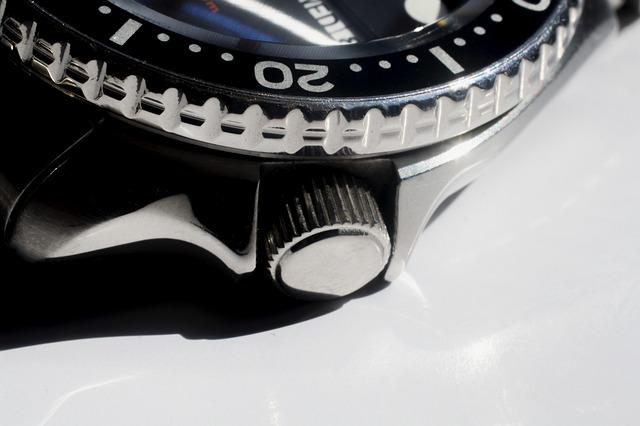
How It’s Made: Toilets vs. Mechanical Wrist Watches
Have you ever wondered about the intricate processes involved in the manufacturing of everyday objects we often take for granted? In this article, we will explore the fascinating world of production by comparing how toilets and mechanical wrist watches are made. From their raw materials to the final assembly, you’ll gain a newfound appreciation for these essential items in our daily lives. Let’s dive into the world of manufacturing and discover the secrets behind the creation of toilets and mechanical wrist watches.
Contents
- Comparing the Production Processes of Toilets and Mechanical Wrist Watches
- Materials Used in Manufacturing Toilets and Mechanical Wrist Watches
- Precision and Attention to Detail in Crafting Toilets and Mechanical Wrist Watches
- Quality Control Measures in the Making of Toilets and Mechanical Wrist Watches
- Innovative Technologies Utilized in the Manufacturing of Toilets and Mechanical Wrist Watches
- Toilets:
- Mechanical Wrist Watches:
- Environmental Impact of Producing Toilets vs. Mechanical Wrist Watches
- Labor Intensity and Automation in the Production of Toilets and Mechanical Wrist Watches
- Different Factors Affecting the Cost of Toilets and Mechanical Wrist Watches
- Choosing Between Toilets and Mechanical Wrist Watches: Considerations and Recommendations
- In Retrospect
Comparing the Production Processes of Toilets and Mechanical Wrist Watches
When it comes to , there are some interesting differences and similarities to consider.
Related: How It’s Made: Mechanical Watches Revealed
<h2>Toilets Production Process:</h2>

<ul>

    <li>Cast ceramic molds are used to create the shape of the toilet bowl and tank.</li>

    <li>Once the molds are set, the ceramic is fired at high temperatures to ensure durability and strength.</li>

    <li>The toilet is then glazed and finished to give it a smooth and polished appearance.</li>

    <li>Quality control checks are performed to make sure the toilet meets industry standards before being shipped out for sale.</li>

</ul>


<h2>Mechanical Wrist Watches Production Process:</h2>

<ul>

    <li>High precision machinery is used to cut and shape the various parts of the watch, including the case, dial, hands, and movement components.</li>

    <li>Skilled watchmakers assemble the watch by hand, meticulously fitting each part together to ensure proper functionality.</li>

    <li>The watch is then tested for accuracy and performance, with adjustments made as needed to meet strict quality standards.</li>

    <li>Finally, the watch is polished and finished to give it a sleek and sophisticated appearance.</li>

</ul>


<h2>Comparison:</h2>

<p>While toilets and mechanical wrist watches are vastly different products, both require precision craftsmanship and attention to detail in their production processes. Whether it's creating a durable and functional toilet or a stylish and accurate timepiece, skilled artisans play a crucial role in bringing these products to life.</p>
Materials Used in Manufacturing Toilets and Mechanical Wrist Watches
When we think about the , it’s fascinating to consider the stark differences between these two everyday items. Let’s dive into the unique materials that make up these essential products.
Toilets:
- Porcelain: Porcelain is a common material used in the production of toilet bowls and sinks due to its durability and sleek appearance.
- Ceramic: Ceramic is often used for the outer shell of toilets, providing a smooth and easy-to-clean surface.
- Plastic: Toilet seats are typically made from plastic, as it is lightweight and resistant to moisture.
Mechanical Wrist Watches:
- Stainless Steel: Stainless steel is a popular choice for watch casings, as it is durable, corrosion-resistant, and has a modern aesthetic.
- Leather: Leather straps are a classic choice for wristwatches, adding a touch of elegance and sophistication.
- Sapphire Crystal: High-end wristwatches often feature sapphire crystal for the watch face, providing exceptional clarity and scratch resistance.

Precision and Attention to Detail in Crafting Toilets and Mechanical Wrist Watches
When it comes to crafting both toilets and mechanical wrist watches, precision and attention to detail are key factors that set apart a mediocre product from a high-quality one. Let’s delve into the intricate processes involved in the creation of these two very different items.
First, let’s examine how toilets are manufactured with precision. Each component of a toilet, from the porcelain bowl to the flushing mechanism, is meticulously designed to ensure functionality and durability. Skilled artisans work diligently to mold, shape, and assemble these parts to create a product that not only functions efficiently but also adds aesthetic value to a bathroom.
On the other hand, mechanical wrist watches require a different level of precision in their crafting. The intricate inner workings of a mechanical watch, such as the gears, springs, and escapement, must be delicately assembled by expert watchmakers. Every tiny component must be perfectly aligned and calibrated to ensure the watch keeps accurate time.
Overall, both the crafting of toilets and mechanical wrist watches require a high level of precision and attention to detail. While the end products serve very different purposes, the dedication to quality craftsmanship shines through in each item.

Quality Control Measures in the Making of Toilets and Mechanical Wrist Watches
When it comes to ensuring the quality of toilets and mechanical wristwatches, manufacturers implement strict quality control measures to guarantee their products meet the highest standards. Both products undergo rigorous testing and inspection processes to ensure their functionality, durability, and overall performance.
In the production of toilets, manufacturers conduct in-depth checks on various components such as the flushing mechanism, bowl shape, and seat attachment. They test for water efficiency, leaks, and overall sturdiness to ensure that the toilet will function properly for years to come. Quality control measures also include aesthetic assessments to ensure that the design meets customer expectations.
On the other hand, mechanical wristwatches undergo meticulous testing to ensure accuracy, durability, and reliability. Manufacturers check the movement, casing, crystal, and wristband to ensure that each component meets specific quality standards. Water resistance, shock resistance, and precision are key factors in the quality control process for mechanical wristwatches.
Overall, both toilets and mechanical wristwatches require attention to detail and precision in their manufacturing processes to meet high-quality standards. By implementing stringent quality control measures, manufacturers can ensure that their products are reliable, functional, and long-lasting.

Innovative Technologies Utilized in the Manufacturing of Toilets and Mechanical Wrist Watches
When it comes to manufacturing, both toilets and mechanical wrist watches utilize some cutting-edge technologies to ensure their quality and functionality. Let’s take a closer look at the innovative processes behind these two very different products.
Toilets:
- Ceramic molding: Toilets are typically made of ceramic material, which is first molded into the desired shape. This process requires precision and skill to ensure the final product is durable and aesthetically pleasing.
- Glazing: After the ceramic mold is formed, a glaze is applied to the surface of the toilet to provide a smooth and shiny finish. This step also helps to protect the toilet from stains and scratches.
- Pressure testing: Before a toilet is ready to be sold, it undergoes rigorous pressure testing to ensure that it can withstand the rigors of everyday use. This step helps to identify any defects or weak points in the toilet’s construction.
Mechanical Wrist Watches:
- Mechanical movement: Mechanical wrist watches are powered by intricate mechanisms that require precision engineering. Each component must be carefully crafted and assembled to ensure the watch keeps accurate time.
- Casing: The casing of a mechanical wrist watch is typically made of stainless steel or precious metals, which are shaped and polished to perfection. This step adds both durability and style to the watch.
- Regulation: Once assembled, a mechanical wrist watch undergoes a regulation process to fine-tune its accuracy. This involves adjusting the balance wheel and escapement to ensure the watch keeps time within acceptable limits.

Environmental Impact of Producing Toilets vs. Mechanical Wrist Watches
When it comes to the environmental impact of producing toilets versus mechanical wrist watches, there are several factors to consider. While both products require resources and energy to manufacture, the scale and processes involved in producing each item can vary greatly.
Toilets:
– Toilets are typically made of materials such as ceramic, porcelain, and metal, which require mining, refining, and transportation.
– The manufacturing process for toilets can be energy-intensive, especially for firing ceramics and operating heavy machinery.
– Water usage is a significant environmental concern with toilets, as they require a steady supply of clean water for flushing.
Mechanical Wrist Watches:
– Mechanical wrist watches are intricate devices made up of numerous small parts, including gears, springs, and jewels.
– The production of mechanical wrist watches often involves precision engineering and craftsmanship, resulting in a longer and more labor-intensive manufacturing process.
– While the materials used in mechanical watches may include metals, plastics, and leather, the overall environmental impact can be lower compared to toilets due to the smaller scale of production.
In conclusion, when considering the environmental impact of producing toilets versus mechanical wrist watches, it is important to assess the resources, energy, and waste generated at each stage of the manufacturing process. While both products have their own set of challenges, awareness and sustainable practices can help mitigate their environmental footprint.
Labor Intensity and Automation in the Production of Toilets and Mechanical Wrist Watches
When it comes to the production of toilets and mechanical wrist watches, the level of labor intensity and automation can vary significantly. Let’s take a closer look at how these two products are made and compare the processes involved.
Production of Toilets:
- Raw materials, such as ceramic or porcelain, are molded into the shape of a toilet bowl.
- Skilled workers manually apply glaze to the surface of the bowl, ensuring a smooth and shiny finish.
- The bowl is then fired in a kiln at high temperatures to strengthen the ceramic material.
- Other components, like the tank and seat, may be assembled by hand before final inspection.
Production of Mechanical Wrist Watches:
- Precision machinery is used to cut and shape metal components for the watch movement.
- Skilled watchmakers assemble the movement, placing tiny gears and springs with great precision.
- The watch case is often polished and finished by hand to achieve a high-quality appearance.
- Each watch undergoes rigorous testing to ensure accurate timekeeping before packaging.
| Aspect | Toilets | Mechanical Wrist Watches |
|---|---|---|
| Labor Intensity | Manual processes for shaping and glazing. | Skilled labor required for precise assembly. |
| Automation | Minimal automation in certain stages. | Machinery used for cutting and shaping components. |

Different Factors Affecting the Cost of Toilets and Mechanical Wrist Watches
When it comes to understanding the cost variations of toilets and mechanical wrist watches, there are several key factors to consider:
Material: The material used in the construction of both toilets and mechanical wrist watches can greatly impact their cost. For toilets, materials like porcelain, ceramic, and stainless steel are more expensive than plastic. Similarly, watches made from precious metals like gold and platinum will be more costly than those made from stainless steel.
Brand: The brand of the toilet or watch can also play a significant role in determining its price. Well-known and luxury brands often command higher prices due to their reputation for quality and craftsmanship.
Features: The features included in a toilet or watch can impact its cost. Toilets with advanced flushing mechanisms or watches with intricate complications will generally be more expensive than basic models.
Technology: The technology used in the manufacturing process of toilets and watches can also influence their price. High-tech features like self-cleaning toilets or automatic movements in watches can drive up costs.

Choosing Between Toilets and Mechanical Wrist Watches: Considerations and Recommendations
When it comes to choosing between toilets and mechanical wrist watches, there are several important considerations to keep in mind. Both serve essential functions in our daily lives, but they are vastly different in terms of usage and value. Let’s explore some key factors to consider when making this decision:
- Functionality: Toilets are essential for maintaining hygiene and sanitation, while mechanical wrist watches are primarily used for telling time. Consider which function is more important to you on a daily basis.
- Quality: High-quality toilets are durable and efficient, reducing the need for frequent repairs or replacements. Similarly, a well-crafted mechanical wrist watch can last a lifetime if properly maintained.
- Cost: The cost of toilets and mechanical wrist watches can vary greatly depending on the brand, design, and materials used. Consider your budget and long-term investment when making your decision.
- Personal Preference: Ultimately, the choice between toilets and mechanical wrist watches comes down to personal preference. Consider which item brings you more joy and utility in your daily life.
| Toilets | Mechanical Wrist Watches |
|---|---|
| Essential for hygiene and sanitation | Primarily used for telling time |
| Durable and efficient | Can last a lifetime with proper maintenance |
| Cost varies based on brand and quality | Investment in a high-quality timepiece |
| Personal preference plays a significant role | Consider which item brings more joy and utility |
In Retrospect
In conclusion, we have explored the fascinating processes behind the manufacturing of two very different everyday items – toilets and mechanical wrist watches. From the precision engineering of a timepiece to the complex molding of a ceramic fixture, both products require meticulous attention to detail and cutting-edge technology. While toilets are essential for our daily hygiene and comfort, mechanical watches showcase the beauty of meticulous craftsmanship and intricate mechanics. Regardless of their differences, both products serve as testaments to human ingenuity and innovation. Remember, even the simplest of items have complex production processes behind them that deserve our appreciation and recognition. So next time you use the bathroom or check the time on your wrist, take a moment to admire the craftsmanship that goes into creating these essential pieces of our daily lives.
Get our latest guides, news, and insights highlighted in your Google Search & AI Overviews.