How Much to Wind an Automatic Watch? Expert Insights!
Curious about how much to wind your automatic watch? You’re not alone. Keeping your timepiece running smoothly can seem like a mystery, but with some expert insights, you’ll be on your way to mastering the art of winding with ease. Let’s delve into the world of automatic watches and uncover the secrets to keeping them ticking perfectly on time.
Contents
- – Benefits of Consistent Winding for Automatic Watches
- – Factors to Consider When Determining How Much to Wind Your Watch
- – Understanding the Power Reserve of Your Automatic Watch
- – Overwinding vs. Underwinding: How to Strike the Right Balance
- – Expert Recommendations for Winding Frequency Based on Watch Type
- Dress Watches:
- Sports Watches:
- Diving Watches:
- – The Role of Daily Wear in Keeping Your Automatic Watch Wound
- – Tips for Maintaining Optimal Performance Through Proper Winding Techniques
- – How to Tell If Your Watch Needs More Winding Attention
- – Exploring Alternative Winding Options for Busy Lifestyles
- To Wrap It Up
– Benefits of Consistent Winding for Automatic Watches
Consistent winding is essential for keeping your automatic watch running smoothly and accurately. By winding your watch regularly, you ensure that the movement stays properly lubricated and prevents components from wearing out prematurely. Here are some benefits of consistent winding for automatic watches:
Related: How Do You Wind a Seiko Automatic Watch? Expert Insights!
- Improved Accuracy: Regular winding helps maintain the optimal power reserve in your watch, leading to better timekeeping performance.
- Extended Lifespan: Keeping your automatic watch wound regularly can prevent unnecessary wear and tear on the movement, prolonging its lifespan.
- Smooth Operation: Consistent winding ensures that all the components in the movement are moving as they should, resulting in a smoother operation overall.
By incorporating regular winding into your watch maintenance routine, you can enjoy these benefits and keep your automatic timepiece in top condition for years to come.

– Factors to Consider When Determining How Much to Wind Your Watch
Factors to consider when determining how much to wind your watch include:
- **Type of Movement**: The type of movement in your watch will dictate how much you need to wind it. Manual watches will require winding every day, while automatic watches may need winding every two days to keep them running smoothly.
- **Power Reserve**: Check the power reserve of your watch to see how long it will run without winding. This will give you an idea of how often you need to wind it to keep it operating correctly.
- **Wearing Habits**: If you wear your watch every day, it may not need as much winding as if you only wear it occasionally. Wearing the watch helps keep it wound naturally, especially for automatic watches.
- **Manufacturer’s Recommendations**: Some watch manufacturers provide specific guidelines on how often and how much to wind their watches. Be sure to follow these recommendations to prevent damage to your timepiece.
– Understanding the Power Reserve of Your Automatic Watch
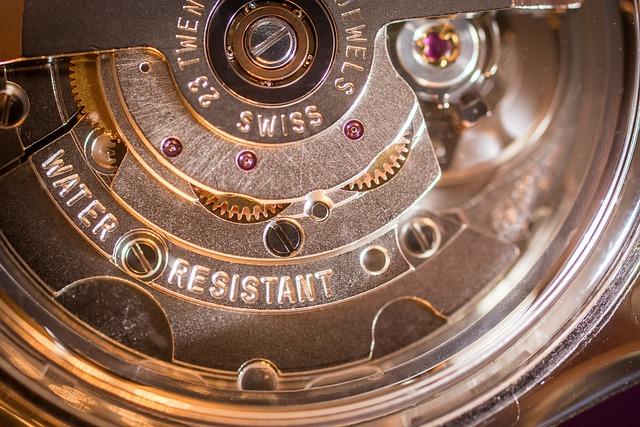
One of the most important aspects of owning an automatic watch is understanding its power reserve. The power reserve of an automatic watch refers to the amount of time it can function without being worn or wound. This is an essential feature to know in order to ensure that your watch stays running accurately and smoothly.
Most automatic watches have a power reserve of around 40-50 hours, but this can vary depending on the make and model of the watch. It is important to keep track of your watch’s power reserve and ensure that it is wound sufficiently to prevent it from stopping.
When winding your automatic watch, it is recommended to give it around 20-30 full rotations to fully power it. However, be careful not to over-wind your watch as this can cause damage to the movement. It is always best to consult the manufacturer’s guidelines for the specific watch you own.
By understanding the power reserve of your automatic watch and knowing how much to wind it, you can ensure that your timepiece stays in top working condition for years to come.
– Overwinding vs. Underwinding: How to Strike the Right Balance
When it comes to winding an automatic watch, finding the right balance between overwinding and underwinding is crucial to ensure optimal performance and longevity of your timepiece. Overwinding occurs when the mainspring is wound beyond its capacity, causing potential damage to the movement. On the other hand, underwinding can lead to a lack of power reserve and inaccurate timekeeping.
To strike the right balance, it is essential to understand the winding requirements of your specific automatic watch. Different watches may have varying power reserve capacities and winding mechanisms. Refer to the manufacturer’s guidelines for recommended winding frequencies and durations.
One way to avoid overwinding is to stop winding the watch once you feel resistance. This indicates that the mainspring is fully wound, and further winding could cause damage. Conversely, if you notice that your watch is losing time or stopping intermittently, it may be a sign of underwinding, and you should ensure that the mainspring is fully wound.
By being mindful of how much you wind your automatic watch and following the manufacturer’s recommendations, you can strike the right balance between overwinding and underwinding, ensuring optimal performance and accuracy of your timepiece.

– Expert Recommendations for Winding Frequency Based on Watch Type
When it comes to winding your automatic watch, it’s essential to consider the type of watch you have. Different watch types require different winding frequencies to ensure optimal performance and longevity. Our experts have provided recommendations based on common watch types to help you understand how much to wind your automatic timepiece.
Dress Watches:
- Recommended winding frequency: Once a day
- Dress watches are typically worn on special occasions and tend to have smaller movements, requiring regular winding to keep them running smoothly.
Sports Watches:
- Recommended winding frequency: Every 2-3 days
- Due to their larger movements and increased activity, sports watches may require less frequent winding compared to dress watches.
Diving Watches:
- Recommended winding frequency: Every 4-5 days
- Diving watches are built to withstand harsh conditions, but regular winding is still necessary to prevent the lubricants from drying out.
| Watch Type | Recommended Winding Frequency |
|---|---|
| Dress Watches | Once a day |
| Sports Watches | Every 2-3 days |
| Diving Watches | Every 4-5 days |

– The Role of Daily Wear in Keeping Your Automatic Watch Wound
When it comes to keeping your automatic watch wound, daily wear plays a crucial role in ensuring the timepiece stays running smoothly. By wearing your watch regularly, the natural movements of your wrist can help keep the rotor in motion, which in turn winds the mainspring. This constant motion helps maintain the power reserve of your watch, ensuring it stays accurate and reliable.
Experts recommend wearing your automatic watch for at least 8-10 hours a day to keep it properly wound. This consistent wear helps prevent the mainspring from losing tension and keeps the watch running smoothly. Additionally, rotating between multiple watches in your collection can also help ensure each timepiece stays wound and ready to wear when you need it.
For those times when you’re not wearing your automatic watch, storing it in a watch winder can help keep it wound and ready to wear. A watch winder mimics the natural movements of your wrist, ensuring the rotor stays in motion and the mainspring remains tensioned. This can be particularly useful for individuals with multiple watches in their collection or for those who don’t wear their watch every day.

– Tips for Maintaining Optimal Performance Through Proper Winding Techniques
Maintaining optimal performance through proper winding techniques is essential for ensuring the longevity of your automatic watch. By following expert insights, you can keep your timepiece running smoothly and accurately for years to come.
One key tip is to **wind your watch at the same time each day** to establish a routine. This helps prevent overwinding or underwinding, which can affect the watch’s accuracy. Additionally, **avoid winding the watch too tightly**, as this can put unnecessary strain on the movement.
Another important technique is to **gently turn the crown** when winding your watch, using a slow and steady motion. Avoid rushing or forcing the movement, as this can cause damage to the delicate components inside.
Lastly, **keep track of how many turns it takes to fully wind your watch**. Most automatic watches require between 20-40 turns to reach full power reserve. By paying attention to this, you can avoid overwinding and ensure proper functionality.
Following these tips will help you maintain optimal performance and prolong the life of your automatic watch.
– How to Tell If Your Watch Needs More Winding Attention
Automatic watches are known for their self-winding mechanism, which keeps them running as long as you wear them regularly. However, there are times when your watch may need a little extra attention in the form of manual winding. Here are some signs to look out for to determine if your watch needs more winding:
- If you notice that your watch is running slower than usual, it may be time to give it a wind. A watch that needs winding will often lag behind or stop altogether.
- Another indicator is if the power reserve of your watch is running low. Most automatic watches have a power reserve of around 40 hours, so if you notice that your watch is losing time quickly, it may need to be wound.
- Listen for a ticking sound that is slower or irregular than normal. This could be a sign that the mainspring in your watch is losing tension and needs to be wound up.
Remember that overwinding an automatic watch is not possible, so don’t be afraid to give it a few extra turns if you notice any of these signs. By keeping an eye on these indicators, you can ensure that your automatic watch is running smoothly and accurately at all times.

– Exploring Alternative Winding Options for Busy Lifestyles
When it comes to winding an automatic watch for busy lifestyles, finding alternative options can be a game-changer. Experts recommend winding your watch every day to keep it running smoothly and accurately. However, for those with hectic schedules, it can be challenging to find the time to do so.
One alternative winding option for busy individuals is investing in a watch winder. This handy device mimics the motion of your wrist, keeping your watch wound even when you’re not wearing it. This can be particularly useful for those who rotate between multiple watches and want to ensure each one is ready to wear at a moment’s notice.
Another option is to set aside a specific time each day to wind your watch manually. This can become part of your daily routine, whether it’s first thing in the morning or right before bed. By incorporating this task into your schedule, you can ensure that your watch stays accurate and ready to wear, even with a busy lifestyle.
To Wrap It Up
In conclusion, winding your automatic watch depends on the specific model and movement type. Remember to follow the manufacturer’s guidelines and recommendations to ensure the longevity and accuracy of your timepiece. Overwinding is not a concern with modern automatic watches, so feel free to wind it until you feel resistance. By understanding how much to wind your automatic watch, you can properly care for and maintain the investment on your wrist. Thank you for reading, and we hope you found this information helpful in keeping your automatic watch ticking smoothly.
Get our latest guides, news, and insights highlighted in your Google Search & AI Overviews.