How Much to Service an Automatic Watch? All You Need to Know!
If you’re a fan of automatic watches, you know the importance of keeping your timepiece in top condition. One key aspect of maintenance is regular servicing, but how much will it cost you? In this article, we’ll break down everything you need to know about servicing an automatic watch – from the factors that affect the price to the average cost you can expect to pay. So sit back, relax, and let’s dive into the world of watch servicing!
Contents
- How Often Should You Service an Automatic Watch?
- Signs Your Automatic Watch Needs Servicing
- Cost of Servicing an Automatic Watch
- Factors Affecting the Cost of Servicing
- DIY vs Professional Watch Servicing: Pros and Cons
- Importance of Regular Watch Maintenance
- Tips for Prolonging the Lifespan of Your Automatic Watch
- Future Outlook
How Often Should You Service an Automatic Watch?
Regular servicing of an automatic watch is crucial to ensure its longevity and accuracy. But how often should you actually service your beloved timepiece? The general recommendation is to service an automatic watch every 3-5 years, depending on usage and the manufacturer’s guidelines.
Factors that can affect the frequency of servicing include:
- The quality of the watch
- The complexity of the movement
- The conditions in which the watch is worn (e.g. water, dust)
It’s important to note that servicing costs can vary depending on the brand and type of watch. On average, a basic service for an automatic watch can cost anywhere from $200 to $500. However, for luxury or high-end watches, the cost can go up significantly.

Signs Your Automatic Watch Needs Servicing
One clear indication that your automatic watch needs servicing is if it starts losing or gaining time. If you notice that your watch is no longer keeping time accurately, it may be time to bring it in for maintenance. Another sign to look out for is if you hear any strange sounds coming from your watch, such as ticking or grinding. These can be indicators of internal issues that need to be addressed by a professional.
If you notice any condensation inside the watch face or if the date or other functions are not working properly, these are also signs that your watch needs servicing. Additionally, if you feel that the winding mechanism is not as smooth as it used to be, it may be time for a tune-up. Regular servicing can help prevent more serious issues down the line and keep your watch functioning at its best.

Cost of Servicing an Automatic Watch
When it comes to servicing an automatic watch, the cost can vary depending on several factors. The complexity of the movement, the brand of the watch, and the specific issues that need to be addressed all play a role in determining the overall cost of servicing. In general, you can expect to pay anywhere from $200 to $1,000 for a routine service on an automatic watch.
It is recommended to have your automatic watch serviced every 3-5 years to ensure it continues to function properly and maintain its accuracy. During a routine service, a watchmaker will disassemble the movement, clean all components, replace any worn parts, reassemble the movement, and perform any necessary adjustments to ensure the watch is keeping accurate time.
If your automatic watch is in need of more extensive repairs, such as a complete overhaul or replacement of major components, the cost of servicing can increase significantly. It is important to consult with a reputable watchmaker or service center to get an accurate estimate of the cost before proceeding with any repairs.
| Service Type | Cost |
|---|---|
| Routine Service | $200-$500 |
| Complete Overhaul | $500-$1,000 |

Factors Affecting the Cost of Servicing
Factors that can impact the cost of servicing your automatic watch include:
– *Type of watch*: Some automatic watches are more complex and require more specialized care than others. Watches with complications like chronographs or perpetual calendars may require more labor-intensive servicing, resulting in a higher cost.
– *Age of watch*: Older watches may require more extensive restoration work, such as replacing worn-out parts or refinishing the case and bracelet. This can add to the overall cost of servicing.
– *Brand of watch*: Servicing a luxury watch from a prestigious brand may come at a higher price tag, as these watches often require more specialized tools and expertise to maintain.
– *Location of servicing*: The cost of watch servicing can vary depending on where you take your watch to be serviced. Watchmakers in major cities or highly sought-after watch service centers may charge more for their expertise and experience.
For a better understanding of how these factors can affect the cost of servicing your automatic watch, refer to the table below:
| Factor | Description |
|———————–|———————————————|
| Type of watch | Complicated watches may cost more to service|
| Age of watch | Older watches may require more restoration |
| Brand of watch | Luxury brands may charge higher service fees|
| Location of servicing | Major cities might have higher service costs|
DIY vs Professional Watch Servicing: Pros and Cons
In the world of watch servicing, there are two main options to consider: tackling the task yourself with a DIY approach or entrusting your timepiece to a professional watchmaker. Both options have their own set of pros and cons to consider before making a decision.
**DIY Watch Servicing**
– Pros:
– Cost-effective: Saves money on professional fees.
– Sense of accomplishment: Rewarding to learn and perform watch servicing tasks.
– Convenience: Can be done in the comfort of your own home.
– Cons:
– Risk of damage: Lack of expertise can lead to irreversible mistakes.
– Time-consuming: Requires research, practice, and patience.
- Limited tools: May not have access to specialized watchmaking tools.
**Professional Watch Servicing**
– Pros:
– Expertise: Trained professionals with the skills and knowledge to properly service watches.
– Quality guarantee: Ensures that the watch is serviced correctly and running smoothly.
– Access to tools and equipment: Professional watchmakers have the necessary tools for the job.
- Cons:
- Cost: Professional servicing can be expensive.
– Time: May have to wait for an appointment and for the watch to be returned.
– Lack of involvement: Lose the hands-on experience of servicing your own watch.
Ultimately, the decision between DIY and professional watch servicing depends on your comfort level, budget, and time constraints. It’s important to weigh the pros and cons carefully before choosing the best option for your automatic watch servicing needs.
Importance of Regular Watch Maintenance
Regular watch maintenance is crucial for the longevity and accuracy of your automatic timepiece. By servicing your watch at recommended intervals, you can ensure that it continues to function properly and keeps accurate time. Neglecting to service your watch can lead to mechanical issues and potential damage that could be costly to repair.
One key aspect of watch maintenance is keeping the movement clean and well-lubricated. Over time, dust, dirt, and debris can build up inside the watch, causing friction and wear on the delicate components. By having your watch professionally cleaned and lubricated, you can prevent these issues and keep your watch running smoothly.
Another important part of watch maintenance is regulating the movement to ensure accurate timekeeping. Over time, the movement of your watch can become less precise, leading to inaccuracies in timekeeping. By having a watchmaker regulate the movement, you can ensure that your watch keeps accurate time and functions as intended.
In addition to regular maintenance, it’s also important to store your watch properly when not in use. Keeping your watch in a watch winder or a protective case can help prevent dust, moisture, and other harmful elements from affecting its performance. By taking proper care of your watch, you can enjoy its beauty and functionality for years to come.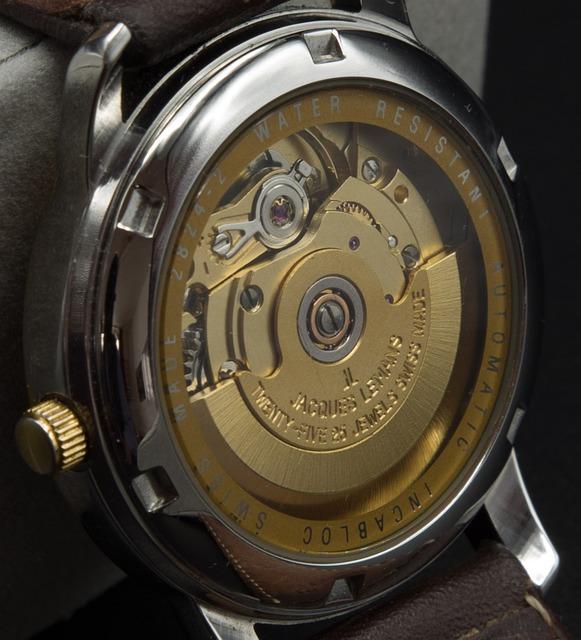
Tips for Prolonging the Lifespan of Your Automatic Watch
Regular servicing of your automatic watch is crucial for maintaining its longevity and accuracy. While the frequency of servicing can vary depending on the brand and model of your watch, a general rule of thumb is to have it serviced every 3-5 years. However, if you notice any issues with timekeeping or the movement of your watch, it’s best to have it serviced sooner rather than later.
When it comes to the cost of servicing an automatic watch, it can range anywhere from $200 to $1,000 or more, depending on the complexity of the movement and any additional repairs that may be needed. It’s important to choose a reputable watchmaker or authorized service center to ensure that your watch is in good hands and that genuine parts are used during the servicing process.
To help prolong the lifespan of your automatic watch and minimize the need for costly repairs, here are some tips to keep in mind:
- Rotate Your Watches: If you have multiple automatic watches, it’s a good idea to rotate wearing them to distribute the wear and tear evenly.
- Keep Your Watch Clean: Wipe down your watch regularly with a soft cloth to remove any dirt, dust, or sweat that may accumulate on the case and bracelet.
- Store Your Watch Properly: When you’re not wearing your watch, store it in a watch box or case to protect it from dust, moisture, and accidental damage.
- Avoid Magnets: Keep your watch away from magnets, as they can disrupt the movement and accuracy of your watch.
Future Outlook
In conclusion, servicing an automatic watch is an important maintenance task that should not be overlooked. The cost of servicing can vary depending on factors such as the brand, age, and condition of the watch. It is recommended to service your automatic watch every 3-5 years to ensure its optimal performance and longevity. By staying proactive and investing in regular maintenance, you can enjoy your timepiece for years to come. Remember, regular servicing can prevent costly repairs down the line and keep your watch running smoothly. Thank you for reading, and feel free to reach out to a professional watchmaker for more specific pricing information tailored to your timepiece.
Get our latest guides, news, and insights highlighted in your Google Search & AI Overviews.