How Long Do Automatic Watches Last? Learn the Lifespan
Welcome to the fascinating world of automatic watches! Have you ever wondered how long these reliable timepieces can actually last? Well, you’re in for a treat, as we take a deep dive into the lifespan of automatic watches. Whether you’re a watch enthusiast, a curious individual, or someone looking to invest in a timeless accessory, this article will provide you with valuable insights. So, grab a cup of coffee, sit back, and let’s uncover the secrets to the longevity of these remarkable mechanical marvels.
Contents
- How Long Do Automatic Watches Typically Last?
- Factors That Influence the Lifespan of Automatic Watches
- Understanding Automatic Watch Maintenance and Care
- The Role of Quality in the Lifespan of Automatic Watches
- Common Reasons for Automatic Watch Failure
- What to Expect from a Well-Maintained Automatic Watch
- Signs That Your Automatic Watch Needs Servicing
- Extending the Lifespan of Your Automatic Watch: Expert Tips
- About Automatic Watches
- How Long Do They Last?
- Extending the Lifespan of Your Automatic Watch
- Recommended Service Intervals for Automatic Watches
- Prolonging the Lifespan of Automatic Watches: Dos and Don’ts
- How Long Do Automatic Watches Last? Learn the Lifespan
- The Way Forward
How Long Do Automatic Watches Typically Last?
Automatic watches are renowned for their longevity and durability. Unlike battery-operated timepieces, automatic watches rely on the natural movement of the wearer’s arm to power the watch’s movement, thus eliminating the need for a battery. This mechanical design allows for an extended lifespan and gives these watches a timeless appeal.
Generally, a well-maintained automatic watch can last for decades, or even generations, making them a worthy investment for watch enthusiasts. However, several factors can influence the lifespan of an automatic watch. The quality of the movement, regular servicing, and overall care play crucial roles in determining its longevity.
The quality of the movement is a crucial element in determining the lifespan of an automatic watch. High-end brands like Rolex and Omega are known for their exceptional movements that are engineered to withstand the test of time. These watches often come with extended warranties, highlighting their reliability and durability. On the other hand, lower-priced brands may have shorter lifespans and may require more frequent servicing to maintain their accuracy and functionality.
Regular servicing is another key factor in prolonging the lifespan of an automatic watch. Just like any mechanical device, regular maintenance is necessary to ensure optimal performance and longevity. It is recommended to have your watch serviced every three to five years to prevent any potential issues and to keep the movement running smoothly. During the servicing, the watchmaker will clean and lubricate the movement, replace worn-out components if necessary, and check for any other issues that may affect the watch’s performance.
Aside from quality and maintenance, the overall care you provide for your automatic watch can significantly impact its lifespan. It is important to handle your watch with care, avoid exposure to extreme temperatures, and protect it from water damage. Additionally, storing your watch in a watch winder when not worn can help maintain its accuracy by keeping the movement active and preventing lubricants from drying out.
To ensure the longevity of your automatic watch, it is essential to invest in a reputable brand, keep up with regular servicing, and provide proper care. With these considerations in mind, a well-maintained automatic watch can last a lifetime, becoming not only a timekeeping device but also a cherished heirloom that can be passed down through generations.

Factors That Influence the Lifespan of Automatic Watches
Automatic watches have long been admired for their craftsmanship and precision. However, like any mechanical device, their lifespan can be influenced by various factors. Here, we will delve into some crucial aspects that determine how long your beloved timepiece will last.
Movement Quality: The heart of every automatic watch is its movement. A well-crafted, high-quality movement will not only enhance the watch’s accuracy but also contribute to its longevity. Reputable brands such as Rolex, Omega, and Tag Heuer are known for their exceptional movements that can withstand the test of time.
Regular Maintenance: Just like a car needs regular servicing to perform optimally, an automatic watch requires periodic maintenance to keep it running smoothly. Regular servicing should include cleaning, oiling, and adjusting the movement, which helps prevent excessive wear and tear. Typically, manufacturers recommend servicing every 3-5 years, depending on the watch and its usage.
Environment and Usage: The environment in which the watch is worn can significantly impact its lifespan. Factors such as extreme temperatures, humidity, and exposure to magnetic fields can affect the delicate components of the watch. Similarly, frequent exposure to shocks and vibrations, such as during vigorous sports activities, can also lead to premature wear and damage.
- Material Quality: The materials used in the construction of the watch also play a crucial role in determining its lifespan. High-quality stainless steel or titanium cases and scratch-resistant sapphire crystals offer better protection against the effects of daily wear and tear. Additionally, durable straps or bracelets made from leather, stainless steel, or ceramic can prolong the overall lifespan of the watch.
In conclusion, the lifespan of an automatic watch is influenced by factors such as the quality of its movement, regular maintenance, the environment it is exposed to, and the quality of its materials. By investing in a reputable brand, maintaining your watch regularly, and being mindful of its usage, you can enjoy your automatic timepiece for many years to come.
Understanding Automatic Watch Maintenance and Care
Automatic watches are renowned for their craftsmanship and precision, but like any mechanical device, they require regular maintenance to ensure their longevity. It’s important to understand how long these timepieces can last with proper care and what steps you can take to prolong their lifespan.
1. Keep it Wound and Running: Automatic watches are powered by the movement of your wrist, so wearing it regularly ensures it stays wound and running smoothly. If not worn regularly, consider using a watch winder to keep the internal mechanism active.
2. Regular Service and Oiling: Just like a car needs regular oil changes, an automatic watch requires periodic servicing. It’s recommended to have it serviced every 3-5 years by a professional watchmaker to clean and oil the movement, ensuring optimal performance.
3. Protect from Magnets and Shocks: Automatic movements are sensitive to magnetic fields and shocks. It’s advisable to keep your watch away from strong magnets, such as speakers or MRI machines, as they may affect the accuracy of the timekeeping. Additionally, avoid extreme shocks or drops that could damage the internal components.
4. Store it Properly: When not in use, store your automatic watch in a watch box or case to protect it from dust, moisture, and scratches. Consider investing in a watch winder if you have multiple automatic watches, as it will keep them running and ready for use.
| Lifespan | Automatic Watch |
|---|---|
| Longevity | With proper care and regular maintenance, an automatic watch can last for decades or even a lifetime. |
| Quality | The build quality and materials used in the watch can affect its lifespan. Higher-end brands often have movements designed to last longer. |
| Wear and Tear | The frequency of use, exposure to water, and overall handling can contribute to wear and tear, impacting the lifespan of the watch. |
| Service Intervals | Regular servicing and oiling significantly extend the lifespan of an automatic watch, ensuring it remains in optimal condition for years to come. |
By understanding the importance of automatic watch maintenance and following these care tips, you can enjoy the impeccable craftsmanship and timeless elegance of your timepiece for a lifetime.

The Role of Quality in the Lifespan of Automatic Watches
When it comes to automatic watches, one of the key factors that determine their lifespan is the quality of the watch itself. High-quality automatic watches are built with precision and attention to detail, ensuring that they can withstand the test of time. But what exactly does quality mean in the context of automatic watches?
First and foremost, the quality of the materials used in the construction of the watch plays a crucial role in its lifespan. High-grade stainless steel or titanium cases are not only durable but also resistant to corrosion and scratches, protecting the internal components for years to come. The use of sapphire crystal for the watch face ensures exceptional clarity and scratch resistance, allowing you to enjoy a pristine appearance even after prolonged use.
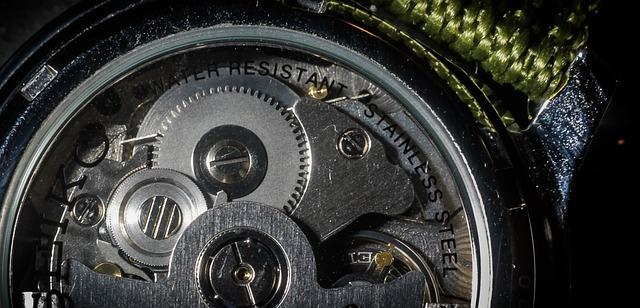
Secondly, the quality of the movement is equally important. Automatic watches are powered by intricate mechanical movements, consisting of gears, springs, and other delicate components. High-quality movements are meticulously crafted, ensuring smooth and accurate timekeeping. They are highly reliable and require minimal maintenance, such as regular winding or servicing every few years. In contrast, low-quality movements may be prone to issues like poor timekeeping or even complete failure, significantly reducing the lifespan of the watch.
Lastly, the quality of the craftsmanship is a tell-tale sign of a long-lasting automatic watch. Expert horologists spend countless hours assembling and fine-tuning each watch, paying utmost attention to every detail. This level of craftsmanship guarantees that the watch operates flawlessly and feels premium on your wrist. From the polished finish of the case to the intricate engravings on the rotor, a well-crafted automatic watch exudes luxury and reliability.
| Factors | Impact on Lifespan |
|---|---|
| Material quality | Long-lasting durability |
| Movement quality | Reliability and accuracy |
| Craftsmanship | Premium feel and flawless operation |
In conclusion, cannot be overstated. High-grade materials, precise movements, and expert craftsmanship all contribute to the longevity of these watches. By investing in a quality automatic watch, you will not only enjoy accurate timekeeping but also a timepiece that will last for many years, if not generations, to come.

Common Reasons for Automatic Watch Failure
Automatic watches are loved by many watch enthusiasts for their craftsmanship and precision. However, like any mechanical device, they are not immune to failure. Understanding the can help you prolong the lifespan of your timepiece and ensure its optimal performance for years to come.
1. Improper winding practices: Overwinding an automatic watch can put excessive strain on the components, leading to premature failure. It is essential to follow the manufacturer’s guidelines for winding your watch, such as avoiding excessive force and not winding it beyond the recommended power reserve.
2. Water damage: Automatic watches are not impervious to water, despite some models boasting water resistance. Exposure to excessive moisture can corrode the delicate internals, causing irreversible damage. It is crucial to avoid submerging your watch in water unless it is explicitly designed for diving or swimming.
3. Lack of regular servicing: Regular maintenance is key to keeping your automatic watch running smoothly. Over time, dust, dirt, and oil can accumulate within the movement, hindering its performance. It is recommended to have your watch serviced by a professional every 3-5 years to ensure proper cleaning, lubrication, and adjustment.
4. Physical impact: While automatic watches are built to withstand everyday wear, they are not invincible against blunt force. Accidental drops, impacts, or rough handling can result in misalignment, cracked parts, or damage to the movement. It is essential to treat your watch with care and avoid activities that might subject it to unnecessary stress.
5. Magnetic fields: Strong magnetic fields, such as those generated by speakers, magnetic closures, or certain electronic devices, can interfere with the accuracy and functionality of your automatic watch. Magnetic forces can disrupt the movement’s precision and potentially damage the delicate balance spring. Keeping your watch away from magnetic sources is crucial to its longevity.
By being aware of these , you can take the necessary precautions to avoid potential issues and extend the lifespan of your timepiece. Remember to handle your watch with care, adhere to proper winding practices, and have it serviced regularly. With proper care and maintenance, an automatic watch can serve as a reliable companion for years, ensuring you never miss a moment.
What to Expect from a Well-Maintained Automatic Watch
When it comes to well-maintained automatic watches, there are certain expectations that you can have regarding their performance and lifespan. These timepieces are renowned for their craftsmanship and precision, but it’s important to understand what to expect in terms of longevity.
1. Accurate Timekeeping:
A well-maintained automatic watch should provide you with accurate timekeeping. These watches are equipped with intricate movements that self-wind as you wear them, ensuring that they stay powered and keep time with precision. However, it is crucial to regularly service your automatic watch to maintain its accuracy. Professional servicing every three to five years will help keep your watch running smoothly and effectively.
2. Long Lifespan:
With proper care and maintenance, a well-maintained automatic watch can last a lifetime. The intricate internal components of these watches are designed to withstand the test of time. Regular servicing, cleaning, and oiling will not only ensure accurate timekeeping but also extend the lifespan of your watch.
3. Quality Craftsmanship:
A well-maintained automatic watch is a symbol of exceptional craftsmanship. These timepieces are often hand-assembled by expert watchmakers who pay meticulous attention to detail. The high-quality materials used in their construction, such as durable stainless steel or precious metals, contribute to their longevity and durability.
4. Practicality and Versatility:
In addition to their accuracy and longevity, well-maintained automatic watches offer practicality and versatility. These watches are designed to be worn every day, whether you’re at the office or enjoying outdoor activities. They are water-resistant, scratch-resistant, and can withstand the rigors of daily wear, making them reliable companions for any occasion.
Signs That Your Automatic Watch Needs Servicing
An automatic watch is a timeless investment that can last for generations if properly maintained. However, even the most well-crafted timepieces may need servicing after some time. Here are some signs that your automatic watch might need a trip to the watchmaker:
- Inconsistent timekeeping: If you notice that your watch is gaining or losing significant amounts of time, it could be a sign that the movement needs adjustment. A watchmaker can regulate the movement to ensure accurate timekeeping.
- Decreased power reserve: Automatic watches rely on the movements of the wearer’s wrist to keep them powered. If you find that the power reserve is decreasing faster than usual or that the watch stops altogether, it may be time for a service to address issues with the mainspring or rotor.
- Loud ticking: While automatic watches do make some noise when the rotor winds the mainspring, excessive ticking could indicate a problem with the movement or components. A watchmaker can diagnose the issue and make any necessary repairs.
- Failure to start/stop: If your automatic watch is not starting or stopping correctly, there may be an issue with the escapement mechanism. This crucial part controls the balance wheel and ensures accurate timekeeping. A watchmaker can inspect and repair any escapement-related problems.
- Water resistance issues: Over time, the gaskets that keep your watch waterproof may degrade, compromising its water resistance. If you notice condensation under the crystal or suspect that your watch is no longer water-resistant, it is essential to have it serviced to prevent further damage.
Regular servicing is crucial to the longevity and performance of your automatic watch. It is generally recommended to have your watch serviced every three to five years, depending on usage and manufacturer recommendations. By keeping an eye out for these signs and entrusting your timepiece to a skilled watchmaker, you can ensure that your automatic watch continues to function flawlessly for years to come.
Extending the Lifespan of Your Automatic Watch: Expert Tips
About Automatic Watches
Automatic watches, also known as self-winding watches, are mechanical timepieces that do not require batteries. They are powered by the natural movement of the wearer’s wrist, which winds the watch’s mainspring. This ingenious technology has been around for centuries and continues to impress watch enthusiasts with its craftsmanship and precision.
How Long Do They Last?
The lifespan of an automatic watch largely depends on its maintenance and quality. With proper care, an automatic watch can last for decades, if not a lifetime. However, there are a few factors to consider that can impact its lifespan:
- Maintenance: Regular maintenance and servicing every three to five years are essential to keep your automatic watch in optimal condition. This includes cleaning, lubrication, and adjusting to ensure accurate timekeeping.
- Quality: The quality of the watch components, such as the movement, materials, and craftsmanship, play a significant role in determining its durability. Choosing a reputable brand known for its high-quality watches is a wise investment.
- Usage: The frequency and intensity of usage can affect the lifespan of your automatic watch. Excessive exposure to water, extreme temperatures, and intense physical activities may cause damage or premature wear.
Extending the Lifespan of Your Automatic Watch
To enjoy your automatic watch for as long as possible, here are some expert tips to help extend its lifespan:
- Store Properly: When not in use, store your watch in a watch box or case designed specifically for keeping timepieces. This protects it from dust, moisture, and accidental bumps.
- Rotate Your Collection: If you own multiple automatic watches, rotate wearing them to ensure they all receive regular use and winding. This prevents unnecessary wear on a single timepiece.
- Avoid Magnetism: Keep your watch away from strong magnetic fields, such as speakers or magnetic closures, as they can disrupt the movement and accuracy of your timepiece.
- Gentle Winding: When manually winding your automatic watch, do so gently and avoid overwinding. Follow the manufacturer’s instructions to prevent any damage to the delicate internal mechanics.
By following these expert tips and taking good care of your automatic watch, you can enjoy its reliable and impressive performance for many years to come.

Recommended Service Intervals for Automatic Watches
Keeping your automatic watch running smoothly and accurately requires regular service and maintenance. While these watches are known for their durability and longevity, they still need some attention to ensure they last a lifetime. Here are the :
- Every 3-5 years: At this interval, it is crucial to have your watch serviced by a professional. They will thoroughly clean and oil the movement, replace worn-out parts, and check for any potential issues. Regular servicing helps prevent damage and ensures your watch continues to perform its best.
- Water-resistance check: It is advisable to have the water-resistance of your automatic watch checked annually, especially if you frequently expose it to water. This ensures the seals are intact and the watch remains resistant to moisture.
- Strap or bracelet maintenance: If your watch has a leather or metal strap, it is recommended to replace them every 1-2 years, or as needed. Leather straps wear out over time and can break, while metal bracelets may stretch or develop loose links.
It’s important to note that these recommendations can vary depending on the specific watch model and brand. Some manufacturers provide their own service guidelines, so it’s worth checking their recommendations or contacting their customer service for more information.
| Service Interval | Task |
|---|---|
| Every 3-5 years | Professional service, cleaning, oiling, and parts replacement |
| Annually | Water-resistance check |
| Every 1-2 years | Strap or bracelet replacement (if applicable) |
By following these recommended service intervals, you can extend the lifespan of your automatic watch and ensure it continues to function flawlessly for many years to come. Regular maintenance not only keeps your watch in top condition but also preserves its value and allows you to enjoy it for generations.
Prolonging the Lifespan of Automatic Watches: Dos and Don’ts
How Long Do Automatic Watches Last? Learn the Lifespan
Automatic watches are a timeless piece of craftsmanship that require proper care and maintenance to ensure their longevity. The lifespan of an automatic watch can vary depending on several factors, including the brand, movement, and how well it is taken care of. Here are some dos and don’ts to help you prolong the lifespan of your automatic watch:
Do’s:
- Regularly wear your watch: Automatic watches are designed to be worn regularly, as the movement of your wrist powers them. This helps keep the parts lubricated and prevents them from seizing up.
- Store your watch properly: When you’re not wearing your automatic watch, store it in a protective watch box or a soft cloth to prevent scratches and dust accumulation.
- Keep it away from magnetic fields: Magnetic fields can affect the accuracy of your watch and even cause damage to its movement. Avoid placing your watch near electronics, speakers, or magnetic objects.
- Get regular maintenance: Just like any mechanical device, automatic watches require regular maintenance. It is recommended to have your watch serviced every 3-5 years by a professional watchmaker to keep it in optimal condition.
Don’ts:
- Don’t expose your watch to extreme temperatures: Extreme heat or cold can damage the delicate components of your watch. Avoid exposing it to direct sunlight, saunas, or freezing temperatures.
- Don’t manually wind your watch excessively: While it’s essential to wind your automatic watch regularly, excessive manual winding can put strain on the movement. Follow the manufacturer’s recommendations for winding.
- Don’t swim or shower with your watch: Automatic watches are not designed to be fully waterproof, so avoid submerging them in water or exposing them to excessive moisture.
- Don’t forget to check the water resistance: If your automatic watch has water resistance features, ensure they are checked and tested regularly to maintain their functionality.
By following these dos and don’ts, you can ensure that your automatic watch lasts for many years to come, becoming a cherished heirloom that can be passed down through generations. Remember, taking care of your watch is not only an investment in its lifespan but also a testament to the appreciation of mechanical craftsmanship.
The Way Forward
In conclusion, automatic watches are built to stand the test of time. With proper care and maintenance, they can last for decades, proving to be more than just fashionable accessories. Here are the key takeaways from this article:
1. Automatic watches rely on the wearer’s motion to function, eliminating the need for a battery replacement.
2. Quality automatic watches can last for several decades, with some even enduring for generations with regular servicing.
3. The lifespan of an automatic watch is influenced by factors such as the brand, movement type, and overall build quality.
4. Regular maintenance, including servicing and lubrication, is crucial to ensuring the longevity of an automatic watch.
5. Avoiding extreme conditions, such as extreme temperatures and water exposure, can help prolong the lifespan of your timepiece.
6. Taking note of the power reserve and storing the watch properly when not in use will help maintain its functionality.
Remember, an automatic watch is an investment that can accompany you throughout your lifetime and even be passed down to future generations. So, cherish it, give it the care it deserves, and enjoy the timeless elegance it brings to your wrist.
Get our latest guides, news, and insights highlighted in your Google Search & AI Overviews.