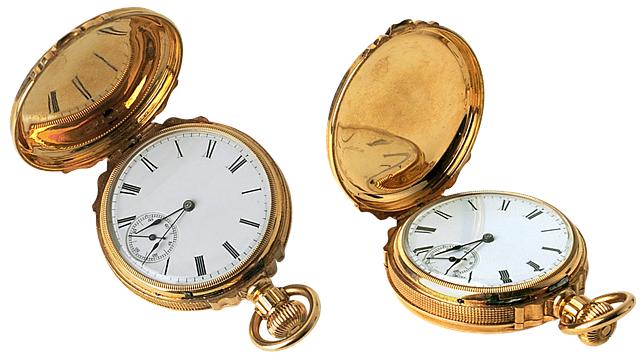
Timeless Tradition: How to Wind Mechanical Wrist Watches
In the fast-paced world of modern technology, there is something undeniably romantic about the art of winding a mechanical wristwatch. Steeped in history and precision, this timeless tradition harks back to an era when craftsmanship and attention to detail were paramount. Join us as we delve into the timeless art of winding mechanical wristwatches and discover the simple yet satisfying rituals that keep these classic timepieces ticking.
Contents
- The Art of Winding Mechanical Watches
- Understanding the Mechanics Behind Wrist Watch Winders
- Tips for Properly Winding Your Mechanical Timepiece
- Timing Is Everything: Establishing a Routine for Winding Your Watch
- Avoid Overwinding: The Dos and Don’ts of Winding
- Signs Your Watch Needs Winding: Recognizing Low Power Reserve
- The Importance of Consistent Winding: Ensuring Accuracy and Longevity
- Exploring Manual vs. Automatic Winding Methods
- Final Thoughts
The Art of Winding Mechanical Watches
In the world of horology, is a timeless tradition that has been passed down through generations. Whether you’re a seasoned collector or a novice enthusiast, understanding how to properly wind your mechanical wristwatch is essential to keeping it running smoothly and accurately.
Types of Mechanical Watches:
- Manual-wind watches require regular winding by hand to keep them ticking.
- Automatic watches are self-winding, utilizing the movement of the wearer’s wrist to power the watch.
Proper Winding Technique:
- For manual-wind watches, gently turn the crown in a clockwise direction until you feel resistance. Stop when you feel a slight click or resistance, indicating that the mainspring is fully wound.
- Automatic watches can be kept running by wearing them regularly. If the watch has stopped, simply give it a few gentle shakes or wind the crown manually to get it going again.
Benefits of Hand-Wound Watches:
- Manual-wind watches offer a more intimate connection to your timepiece, requiring hands-on interaction and care.
- Regular winding can help maintain the longevity and accuracy of your mechanical watch, ensuring it remains a faithful companion for years to come.
| Manual-Wind Watches | Automatic Watches |
|---|---|
| Requires regular hand winding | Self-winding with wrist movement |
| Intimate connection and care | Convenient for daily wear |
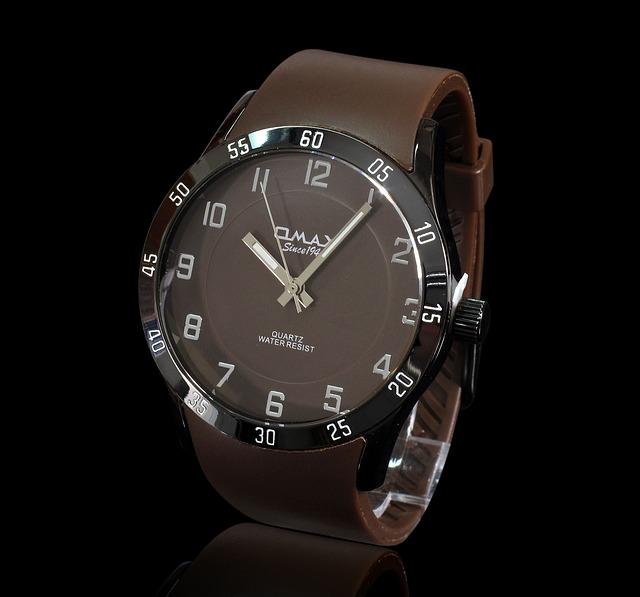
Understanding the Mechanics Behind Wrist Watch Winders
When it comes to keeping your mechanical wrist watches accurate and running smoothly, is key. A wrist watch winder is a device that simulates the motion of a wrist, keeping the watch wound and running when it is not being worn.
Wrist watch winders are especially useful for individuals who own multiple mechanical watches and want to ensure they are always ready to wear. By keeping the watch wound, the oils and lubricants inside the movement stay evenly distributed, preventing drying out and potential damage.
Most wrist watch winders are programmable, allowing you to set the rotation direction, speed, and rest periods to match the specific needs of your watch. This customization ensures that your watch is kept in optimal condition and remains accurate over time.
By investing in a wrist watch winder and understanding how it works, you can preserve the longevity of your mechanical watches and enjoy them for years to come.

Tips for Properly Winding Your Mechanical Timepiece
When it comes to winding your beloved mechanical timepiece, there are a few tips and tricks to ensure you do it properly and maintain its functionality for years to come. Whether you have a manual or automatic watch, these timeless traditions will help you keep your watch running smoothly.
Manual Winding Watches:
- Turn the crown clockwise in a slow and steady motion until you feel resistance.
- Avoid over-winding by stopping once you feel resistance, typically around 20-40 turns depending on the watch.
- Try to wind your watch at the same time every day to keep it running accurately.
- If your watch has a power reserve indicator, pay attention to it to know when it’s fully wound.
- Wear your watch regularly to keep it powered by the movement of your wrist.
- If your automatic watch has stopped, gently shake it from side to side to get it started again.
- Consider using a watch winder to keep your automatic watch running when not in use.
- Remember to set the time and date before winding to prevent any damage to the movement.

Timing Is Everything: Establishing a Routine for Winding Your Watch
When it comes to keeping your mechanical wristwatch running smoothly, establishing a regular routine for winding is essential. By winding your watch regularly, you can help ensure its accuracy and longevity. Here are some tips on how to properly wind your mechanical wristwatch:
- Consistency is key: Try to wind your watch at the same time each day to maintain a consistent level of power reserve.
- Follow the manufacturer’s instructions: Some watches require a clockwise motion to wind, while others may need a counter-clockwise motion. Always refer to the manufacturer’s guidelines for the best winding method.
- Avoid over-winding: Be careful not to apply too much force when winding your watch, as this can cause damage to the movement. Most watches will have a stopping point when fully wound.
By following these simple steps, you can help ensure that your mechanical wristwatch stays running smoothly and accurately for years to come. Remember, timing is everything when it comes to winding your watch, so make it a part of your daily routine to keep your timepiece ticking perfectly.

Avoid Overwinding: The Dos and Don’ts of Winding
When it comes to winding your mechanical wristwatch, it’s important to find the right balance to ensure its longevity and accuracy. Here are some dos and don’ts to keep in mind:
- Do: Wind your watch at the same time each day to maintain consistent performance.
- Do: Gently turn the crown clockwise until you feel resistance, indicating the watch is fully wound.
- Don’t: Overwind your watch as it can put unnecessary strain on the movement.
- Don’t: Wind your watch while wearing it to avoid damaging the crown or movement.
By following these simple tips, you can ensure that your mechanical wristwatch continues to function smoothly and accurately for years to come. Remember, proper winding is a timeless tradition that deserves our attention and care.
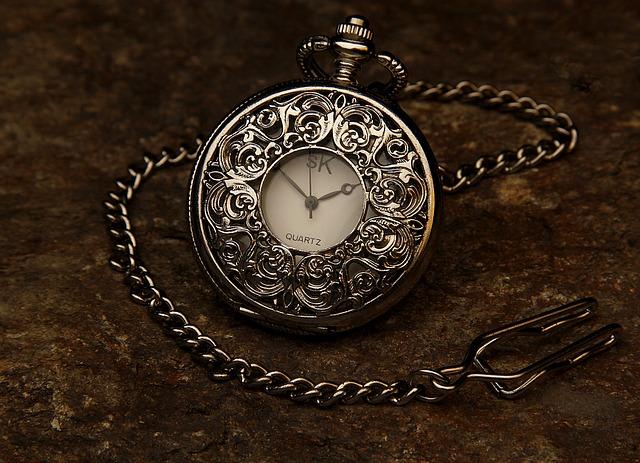
Signs Your Watch Needs Winding: Recognizing Low Power Reserve
One of the key signs that your mechanical wristwatch needs winding is a low power reserve. If you notice that your watch is running slower than usual or has stopped altogether, it may be time to wind it up. Here are some ways to recognize when your watch needs winding:
- Check the timekeeping: If your watch is losing time or has stopped ticking, it likely needs to be wound.
- Listen for the ticking: If your watch is ticking irregularly or softly, it may be running low on power.
- Look for a power reserve indicator: Some watches have a power reserve indicator that shows how much energy is left in the mainspring.
Remember that mechanical watches typically need winding every 1-2 days to keep accurate time. So, if you notice any of these signs, it’s time to give your watch a good winding to ensure it continues to run smoothly.
The Importance of Consistent Winding: Ensuring Accuracy and Longevity
When it comes to mechanical wrist watches, consistent winding plays a crucial role in ensuring accuracy and longevity. Properly winding your timepiece not only keeps it running smoothly but also helps maintain its value over time. Here are some key points to keep in mind:
- Regular Winding: It is important to wind your watch regularly, ideally every day at the same time, to keep it running accurately. Consistent winding helps distribute the lubricants evenly and prevents the movement from seizing up.
- Gentle Winding: Avoid over-winding your watch as it can cause damage to the movement. A gentle and steady winding motion is all it takes to keep your timepiece ticking smoothly.
- Timing: Try to wind your watch in the morning to ensure that it has enough power reserve to last throughout the day. This practice can help prevent your watch from stopping unexpectedly.
| Winding Frequency | Recommended |
|---|---|
| Every day | Yes |
| Every other day | No |
Exploring Manual vs. Automatic Winding Methods
When it comes to winding mechanical wrist watches, there are two main methods to choose from: manual winding and automatic winding. Both methods have their own unique advantages and characteristics that appeal to different watch enthusiasts. Let’s explore the differences between manual and automatic winding methods:
Manual Winding:
- Requires regular winding by hand to keep the watch running
- Offers a more traditional and hands-on approach to watch maintenance
- Allows the wearer to feel a connection with the watch through the winding process
Automatic Winding:
- Utilizes the natural motion of the wearer’s wrist to keep the watch running
- Does not require manual winding as long as the watch is worn regularly
- Provides convenience for those who prefer a low-maintenance watch option
Ultimately, whether you choose manual winding or automatic winding for your mechanical wrist watch, both methods have their own charm and appeal. It all comes down to personal preference and how you prefer to interact with your timepiece on a daily basis.
Final Thoughts
In conclusion, winding a mechanical wristwatch is a simple yet essential task that can help ensure your timepiece stays in top condition for years to come. By following the proper techniques and incorporating this timeless tradition into your daily routine, you can enjoy the craftsmanship and precision of your watch for generations. Remember to wind your watch regularly, gently and consistently to keep it running smoothly and accurately. So next time you reach for your favorite timepiece, take a moment to wind it with care and appreciate the artistry that goes into each tick and tock. Happy winding!
Get our latest guides, news, and insights highlighted in your Google Search & AI Overviews.