How Long Does an Automatic Watch Take to Wind? Must-Read Guide!
Have you ever wondered how long it takes for an automatic watch to wind itself? If so, you’re not alone. In this must-read guide, we will explore the ins and outs of automatic watch winding, including the factors that can affect the time it takes for your timepiece to fully wind up. So sit back, relax, and let’s delve into the fascinating world of automatic watch mechanics!
Contents
- Introduction: Understanding the Basics of Automatic Watch Winding
- Factors Affecting the Time Taken for an Automatic Watch to Wind
- Recommendations for Efficiently Winding an Automatic Watch
- How to Properly Wind an Automatic Watch to Maximize Power Reserve
- Common Mistakes to Avoid When Winding an Automatic Watch
- Signs that Your Automatic Watch May Need Professional Servicing
- Exploring Different Techniques for Winding an Automatic Watch
- Benefits of Consistently Winding Your Automatic Watch
- The Role of Winding Frequency in Maintaining Automatic Watch Accuracy
- Final Thoughts: Ensuring Longevity and Performance through Proper Automatic Watch Winding
- Final Thoughts
Introduction: Understanding the Basics of Automatic Watch Winding
Automatic watches are a marvel of engineering, utilizing the natural movements of the wearer’s wrist to power the watch without the need for manual winding. Understanding how long it takes for an automatic watch to wind is essential for ensuring its accuracy and longevity.
Typically, an automatic watch will wind itself as long as it is worn regularly throughout the day. The motion of your wrist activates a small rotor inside the watch that winds the mainspring, storing energy to power the watch. This process can take anywhere from a few hours to a full day, depending on the specific movement of the watch and the level of activity of the wearer.
To ensure that your automatic watch stays fully wound, it is recommended to wear it consistently or use a watch winder when not in use. A watch winder is a device that mimics the movement of the wrist, keeping the watch wound and ready to wear at all times. By taking these precautions, you can extend the life of your automatic watch and enjoy its precision timekeeping for years to come.
In conclusion, understanding the basics of automatic watch winding is crucial for maintaining the functionality and accuracy of your timepiece. By wearing your watch regularly or utilizing a watch winder, you can ensure that it stays fully wound and ready to use at all times. So, next time you wonder how long it takes for your automatic watch to wind, remember to keep it moving and enjoy its effortless operation.

Factors Affecting the Time Taken for an Automatic Watch to Wind
Factors such as the initial power reserve of the watch, the efficiency of the winding mechanism, and the wearer’s activity level can all play a role in determining how long an automatic watch takes to wind. Let’s delve into these factors further:
Power Reserve: The power reserve of an automatic watch can vary depending on the brand and model. Watches with a longer power reserve will naturally take longer to wind fully compared to those with a shorter reserve.
Winding Mechanism Efficiency: The efficiency of the winding mechanism within the watch can also impact the time taken to wind. A high-quality, well-maintained mechanism will wind more efficiently and quickly compared to a lower-quality or poorly maintained one.
- Wearer Activity Level: Interestingly, the wearer’s activity level can also affect how long it takes for an automatic watch to wind. Regular movement throughout the day can keep the watch wound, whereas a sedentary lifestyle may result in a longer winding time.
In conclusion, the time taken for an automatic watch to wind can vary depending on multiple factors, including power reserve, winding mechanism efficiency, and the wearer’s activity level. By understanding these factors, you can better gauge how long it may take for your specific watch to wind fully.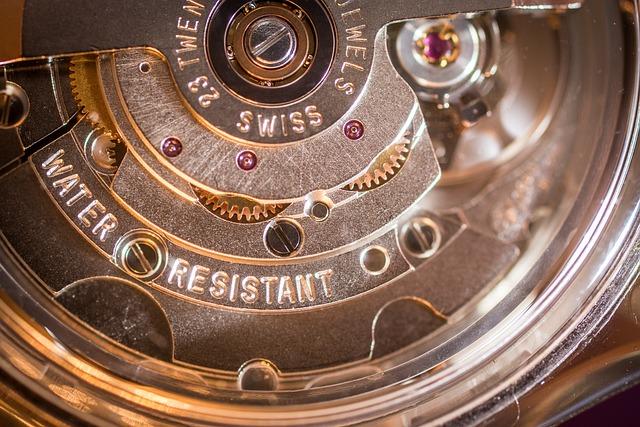
Recommendations for Efficiently Winding an Automatic Watch
Winding an automatic watch is crucial to keep it running smoothly and accurately. Here are some recommendations to help you efficiently wind your watch:
- Be Consistent: Try to wind your watch at the same time each day to ensure a consistent power reserve.
- Avoid Overwinding: Once you feel resistance while winding your watch, stop immediately to avoid damaging the movement.
- Use the Right Technique: Turn the crown gently and steadily in a clockwise direction to wind your watch properly.
- Keep Track of Power Reserve: Monitor your watch’s power reserve to know when it needs winding to prevent it from stopping unexpectedly.
| Consistency | Avoid Overwinding | Right Technique | Monitor Power Reserve |
| Wind at same time each day | Stop when feeling resistance | Gently turn crown clockwise | Keep track to avoid stopping |

How to Properly Wind an Automatic Watch to Maximize Power Reserve
To properly wind an automatic watch to maximize power reserve, it’s important to understand how these timepieces work. Automatic watches use the movement of the wearer’s wrist to wind the mainspring, which powers the watch. By winding the watch correctly, you can ensure that it stays running smoothly and keeps accurate time.
Here are some tips to help you wind your automatic watch effectively:
– **Wear Your Watch Regularly**: The best way to wind an automatic watch is to wear it regularly. The movement of your wrist will keep the watch wound and running smoothly.
– **Use a Watch Winder**: If you have multiple watches in your collection, consider investing in a watch winder. This device rotates your watches to keep them wound when you’re not wearing them.
– **Manual Winding**: If you haven’t worn your automatic watch for a while, you can manually wind it using the crown. Gently turn the crown clockwise until you feel resistance, then stop. Avoid overwinding the watch, as this can damage the movement.
By following these tips, you can maximize the power reserve of your automatic watch and ensure that it stays ticking for years to come. Properly caring for your timepiece will not only extend its lifespan but also keep it running accurately and reliably.
Common Mistakes to Avoid When Winding an Automatic Watch
When winding an automatic watch, there are several common mistakes that you should avoid to ensure that your timepiece remains in top condition. By following these tips, you can avoid damaging your watch and prolong its lifespan.
- Overwinding: One of the most common mistakes people make when winding an automatic watch is overwinding it. Unlike manual watches, automatic watches have a mechanism that prevents them from being overwound. So, if you feel resistance while winding, stop immediately to avoid damage.
- Not Winding Enough: On the other hand, not winding your automatic watch enough can lead to it stopping prematurely. Make sure to give it enough turns to keep it running smoothly.
- Improper Technique: Another mistake to avoid is using the wrong technique when winding your watch. Be gentle and consistent in your winding motion, and always follow the manufacturer’s instructions for the specific model.
- Ignoring Power Reserve: It’s important to be aware of your watch’s power reserve and wind it accordingly. Keep track of how long your watch lasts after winding so you can gauge when it needs to be wound again.
Signs that Your Automatic Watch May Need Professional Servicing
There are several signs that indicate your automatic watch may need professional servicing to ensure its proper functioning and longevity. If you notice any of the following issues, it’s time to take your watch to a professional:
- Significant decrease in accuracy
- Inconsistent or irregular timekeeping
- Difficulty winding the watch
- Unusual noises coming from the watch
- Moisture or condensation inside the watch
- Visible damage to the watch components
Ignoring these signs and neglecting to have your automatic watch serviced could lead to more serious issues and potential damage to the watch. It’s essential to address any issues promptly and seek professional help to keep your watch in top-notch condition.
Exploring Different Techniques for Winding an Automatic Watch
When it comes to winding an automatic watch, there are several techniques you can explore to ensure your timepiece is running smoothly. Understanding how long it takes for an automatic watch to wind is crucial for maintaining its accuracy and longevity.
- Manual Winding: Some automatic watches have a manual winding feature where you can wind the watch by hand. This is typically done by rotating the crown clockwise until you feel resistance.
- Wear and Motion: Another way to wind an automatic watch is by wearing it daily and allowing the natural motion of your arm to wind the watch. This is known as “wrist winding” and is a convenient way to keep your watch running.
| Technique | Time to Wind |
|---|---|
| Manual Winding | 1-2 minutes |
| Wear and Motion | 8-10 hours |
By exploring different winding techniques and understanding how long it takes for an automatic watch to wind, you can ensure that your timepiece remains accurate and reliable for years to come.

Benefits of Consistently Winding Your Automatic Watch
Consistently winding your automatic watch is crucial for ensuring its optimal performance and longevity. By regularly winding your watch, you are able to keep the mainspring fully wound, which helps in maintaining accurate timekeeping. Here are some of the :
- Improved Accuracy: Regularly winding your watch ensures that the movement is running smoothly, resulting in more accurate timekeeping.
- Extended Lifespan: Keeping the mainspring fully wound helps in preventing wear and tear on the movement, ultimately extending the lifespan of your watch.
- Consistent Power Reserve: By winding your watch consistently, you ensure that it maintains a consistent power reserve, allowing it to function optimally throughout the day.

The Role of Winding Frequency in Maintaining Automatic Watch Accuracy
When it comes to maintaining the accuracy of your automatic watch, the winding frequency plays a crucial role. How often you wind your watch can directly impact its performance and longevity. Understanding the ideal winding frequency for your automatic timepiece is essential for ensuring that it runs smoothly and keeps accurate time.
One key factor to consider is the power reserve of your watch. The power reserve indicates how long your watch can run without being wound. By winding your watch regularly, you can ensure that it stays powered and continues to keep accurate time. Typically, most automatic watches have a power reserve of around 48 hours, but this can vary depending on the specific model.
Another important aspect to keep in mind is the quality of the movement in your watch. A high-quality movement will require less frequent winding to maintain accuracy compared to a lower-quality movement. Understanding the intricacies of your watch‘s movement can help you determine the optimal winding frequency to keep it running smoothly.
In conclusion, the winding frequency of your automatic watch is a critical component in ensuring its accuracy and performance. By understanding the power reserve, movement quality, and other factors that influence how often you should wind your watch, you can prolong its lifespan and enjoy precise timekeeping for years to come.

Final Thoughts: Ensuring Longevity and Performance through Proper Automatic Watch Winding
When it comes to ensuring the longevity and performance of your automatic watch, proper winding is key. Understanding how long it takes for an automatic watch to wind is crucial in maintaining its accuracy and functionality.
One important factor to consider is the power reserve of your automatic watch. Most automatic watches have a power reserve of around 38-42 hours, meaning they can keep running for that amount of time when fully wound. To ensure your watch keeps ticking, it’s recommended to wind it every day to keep the mainspring tension at optimal levels.
Another factor to keep in mind is the winding direction of your watch. Automatic watches can wind in both clockwise and counterclockwise directions, so it’s important to know which way your watch winds to avoid overwinding or damaging the movement.
By following these tips and incorporating proper automatic watch winding into your daily routine, you can enjoy the longevity and performance of your timepiece for years to come.
Final Thoughts
In conclusion, the amount of time it takes for an automatic watch to wind can vary depending on the specific watch and its power reserve. Factors such as activity level and how tightly wound the mainspring is when you start wearing the watch can also affect winding time. It is recommended to wear your automatic watch regularly to keep it fully wound and functioning properly. Remember to be patient and allow the watch to wind naturally through your daily activities. By understanding the winding process and taking proper care of your automatic watch, you can ensure it keeps accurate time for years to come. Thank you for reading our must-read guide on how long an automatic watch takes to wind!
Get our latest guides, news, and insights highlighted in your Google Search & AI Overviews.