Are You Setting Your Mechanical Watch Correctly? Master Timekeeping Skills
Are you a proud owner of a mechanical watch? Have you ever wondered if you are setting it correctly to keep accurate time? In this article, we will guide you through mastering the art of timekeeping with your mechanical timepiece. Stay tuned to learn all the tips and tricks to ensure your watch is always running perfectly.
Contents
- Are You Struggling to Set Your Mechanical Watch Correctly?
- Understanding the Importance of Proper Timekeeping Techniques
- Mastering the Art of Setting Your Watch with Precision
- Tools Needed for Setting Your Watch:
- Steps for Setting Your Watch with Precision:
- Tips and Tricks for Setting Your Mechanical Watch Like a Pro
- Common Mistakes to Avoid When Adjusting Your Mechanical Watch
- The Role of Proper Calibration in Maintaining Time Accuracy
- Fine-Tuning Your Mechanical Watch for Optimal Performance
- Key Factors to Consider When Setting Your Watch for Different Time Zones
- Ensuring Consistent Accuracy by Setting Your Watch Regularly
- Expert Advice on Setting and Maintaining Your Mechanical Watch
- Future Outlook
Are You Struggling to Set Your Mechanical Watch Correctly?
Setting a mechanical watch correctly may seem like a daunting task, but with the right guidance, anyone can master this essential timekeeping skill. Whether you’re a watch enthusiast or simply looking to make sure your timepiece is running accurately, understanding the proper way to set a mechanical watch is crucial.
Here are some key tips to help you set your mechanical watch correctly:
Ensure the watch is fully wound: Before setting the time on your mechanical watch, it’s important to make sure the mainspring is fully wound. This will ensure accurate timekeeping and prevent any potential issues with the movement.
Use the crown to adjust the time: Most mechanical watches feature a crown that can be pulled out to various positions for different functions. To set the time, gently pull the crown out to the appropriate position (usually the furthest position away from the case) and rotate it clockwise or counterclockwise to adjust the hands.
- Be patient and precise: When setting the time on your mechanical watch, take your time and be precise with each adjustment. Make small, incremental changes to ensure the hands are aligned correctly and the time is accurate.
By following these tips and practicing good timekeeping habits, you can ensure that your mechanical watch is always running smoothly and keeping accurate time. Mastering the art of setting a mechanical watch will not only enhance your timepiece’s performance but also give you a greater appreciation for the craftsmanship behind these intricate devices.

Understanding the Importance of Proper Timekeeping Techniques
Proper timekeeping techniques are essential when it comes to setting your mechanical watch correctly. Without accurate timekeeping skills, your watch may not function as intended, leading to inaccurate time readings and potential damage to the watch itself. Understanding the importance of mastering timekeeping skills will ensure that your watch remains in excellent working condition and provides you with accurate time readings for years to come.
One key aspect of proper timekeeping techniques is ensuring that you set your watch at the right time. This involves adjusting the hour, minute, and second hands to coincide with the current time. By setting your watch correctly, you can avoid discrepancies in time readings and ensure that your watch remains accurate throughout the day.
Additionally, it is important to regularly check and adjust the time on your watch to account for any variations in timekeeping. This can be done by comparing the time on your watch to a reliable time source, such as an atomic clock or your smartphone. By regularly checking and adjusting the time on your watch, you can maintain its accuracy and avoid any potential issues with time discrepancies.
Mastering timekeeping skills also involves proper maintenance of your watch, including regular winding and cleaning. By taking care of your watch and ensuring that it is properly maintained, you can prolong its lifespan and ensure that it continues to function smoothly for years to come. By following these simple timekeeping techniques, you can enjoy accurate time readings and ensure that your mechanical watch remains in excellent working condition.
Mastering the Art of Setting Your Watch with Precision
Tools Needed for Setting Your Watch:
Before you begin setting your mechanical watch, it’s important to gather the necessary tools to ensure precision. Here are a few items you’ll need:
- Loupe: A magnifying glass to help you see the tiny components of your watch
- Watch Tool Kit: Contains tools such as screwdrivers and tweezers for delicate adjustments
- Watch Timing Machine: A device used to measure the accuracy of your watch
Steps for Setting Your Watch with Precision:
Setting your watch correctly requires a steady hand and attention to detail. Follow these steps to master the art of setting your watch with precision:
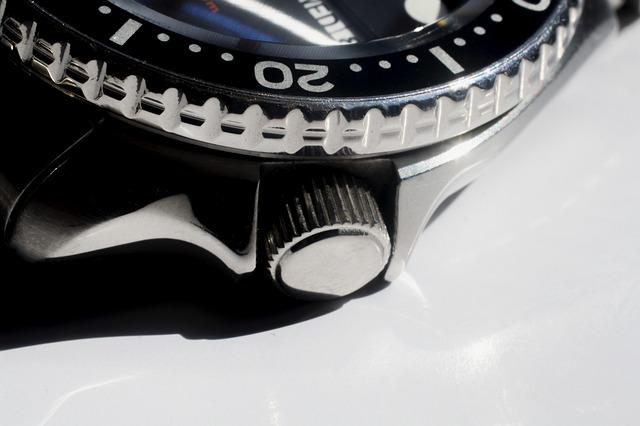
- Locate the Crown: Find the crown of your watch – this is the knob used to adjust the time
- Unscrew the Crown: Gently unscrew the crown in a counterclockwise direction to avoid damaging the mechanism
- Set the Time: Turn the crown clockwise to move the hands of the watch to the correct time
- Push the Crown In: Once the time is set, push the crown back in and screw it clockwise to secure it in place
| Common Errors | How to Correct Them |
|---|---|
| Watch Stops Running | Check if the mainspring is fully wound and adjust if needed |
| Hands Not Aligned | Use a hand-setting tool to realign the hands of the watch |
| Watch Running Slow/Fast | Use a timing machine to measure the accuracy and make necessary adjustments |

Tips and Tricks for Setting Your Mechanical Watch Like a Pro
When it comes to setting your mechanical watch, precision and care are key. Follow these expert tips and tricks to ensure you’re setting your timepiece like a pro:
- Know Your Watch: Familiarize yourself with the functions and features of your specific mechanical watch. This will make setting it much easier.
- Use a Watch Timing Machine: If you have access to a watch timing machine, use it to ensure your watch is running accurately before setting the time.
- Rotate the Crown: When setting the time on your watch, gently rotate the crown in the direction indicated in your watch’s manual. Avoid any forceful movements.
- Take Your Time: Setting a mechanical watch requires patience and attention to detail. Don’t rush the process, take your time to ensure accuracy.
| Tip | Detail |
|---|---|
| Check Alignment | Ensure the hands are aligned properly after setting the time. |
| Avoid Overwinding | Be cautious not to overwind your watch when setting the time. |
Common Mistakes to Avoid When Adjusting Your Mechanical Watch
One common mistake to avoid when adjusting your mechanical watch is over-winding it. Over-winding can put unnecessary stress on the delicate inner workings of the watch, potentially causing damage over time. To avoid this, gently wind the crown until you feel resistance, then stop. It’s important to follow the manufacturer’s guidelines on how often to wind your watch to ensure optimal performance.
Another mistake to avoid is setting the time while the watch is still running. This can disrupt the movement and accuracy of the watch. To set the time correctly, first stop the watch by pulling out the crown to the designated position. Then, adjust the time to the desired setting before pushing the crown back in to start the movement again. This simple step can help maintain the precision of your mechanical watch.
Avoid exposing your mechanical watch to extreme temperatures, as this can affect its accuracy and longevity. Keep your watch away from direct sunlight, heat sources, and cold temperatures to prevent damage to the delicate components inside. Additionally, make sure to regularly service your watch to keep it running smoothly and accurately. By following these simple guidelines, you can master the art of adjusting your mechanical watch and ensure it remains a reliable timekeeping companion for years to come.
The Role of Proper Calibration in Maintaining Time Accuracy
Proper calibration is essential in maintaining the accuracy of your mechanical watch. Without regular calibration, your watch may lose or gain time, leading to inaccurate timekeeping. By learning how to set your watch correctly and understanding the importance of calibration, you can ensure that your timepiece functions accurately for years to come.
One key aspect of maintaining time accuracy is setting your watch to the correct time zone. This ensures that your watch displays the right time, no matter where you are. Adjusting the time zone on your watch is crucial for accurate timekeeping, especially when traveling to different regions.
In addition to setting the time zone, it is important to pay attention to the crown position when calibrating your watch. The crown controls the hands of the watch, so ensuring it is in the correct position when setting the time is crucial for accurate timekeeping. By mastering these timekeeping skills, you can make sure your mechanical watch remains precise and reliable.
Regularly consulting a professional watchmaker for calibration and maintenance is also essential in preserving the accuracy of your watch. Professionals have the knowledge and tools to calibrate your watch properly, ensuring its longevity and accuracy. By investing in proper calibration, you can enjoy an accurate timepiece that lasts for generations.
Fine-Tuning Your Mechanical Watch for Optimal Performance
To ensure your mechanical watch is performing at its best, it’s essential to fine-tune its settings correctly. Mastering the art of setting your watch can make a significant difference in its accuracy and longevity. Here are some tips to help you optimize the performance of your mechanical timepiece:
– **Winding:** Wind your watch at the same time every day to keep it running smoothly. Over-winding can put unnecessary strain on the mechanism, so make sure not to exceed the recommended number of turns.
– **Setting the Time:** When setting the time on your watch, always move the hands clockwise to prevent damage to the movement. Be gentle and precise to avoid any mishaps.
– **Regulating the Watch:** If you notice that your watch is gaining or losing time, you may need to regulate its movement. Consult a professional watchmaker to adjust the accuracy of your timepiece.
Table: Common Mistakes in Setting a Mechanical Watch
| Mistake | Correction |
|——————-|——————–|
| Over-winding | Limit the turns |
| Incorrect Setting | Move hands gently |
| Neglecting Regulation | Consult a watchmaker |
By following these tips and taking care of your mechanical watch, you can ensure that it continues to perform optimally for years to come. Don’t underestimate the importance of proper maintenance and attention to detail when it comes to your timekeeping companion.
Key Factors to Consider When Setting Your Watch for Different Time Zones
In order to properly set your mechanical watch for different time zones, there are several key factors you should consider. First and foremost, make sure you understand the movement of your watch. Different watches may require different methods for adjusting the time, so be sure to consult your watch’s manual if you are unsure.
Secondly, always remember to adjust the date correctly when setting your watch for a new time zone. Failure to do so could result in the date changing at the wrong time, leading to confusion and potential damage to the watch mechanism.
Additionally, be mindful of the time difference between your current location and the new time zone you are entering. Make sure to adjust the hour hand accordingly, either forward or backward, to match the local time.
Lastly, consider investing in a watch with a dual time zone function if you frequently travel between different time zones. This feature allows you to easily switch between two different times on your watch, making it a convenient option for frequent travelers. By following these key factors, you can master the art of timekeeping and ensure your mechanical watch is always set correctly no matter where you are in the world.
Ensuring Consistent Accuracy by Setting Your Watch Regularly
Having a mechanical watch can be a wonderful experience, but ensuring its accuracy can be a bit tricky. One of the most important things you can do to maintain accuracy is to set your watch regularly. This simple task can make a big difference in how well your watch keeps time. Here are some tips on how to ensure consistent accuracy by setting your watch correctly:
– **Set your watch to the correct time zone:** Make sure your watch is always set to the correct time zone, especially if you travel frequently. This will help you avoid any discrepancies in timekeeping.
– **Wind your watch regularly:** If you have a manual-wind watch, make sure to wind it regularly to keep it running smoothly and accurately.
– **Check for magnetization:** If your watch is running fast or slow, it could be due to magnetization. Take your watch to a professional to have it demagnetized if needed.
– **Consider a watch winder:** If you have multiple watches or a watch that you don’t wear every day, consider investing in a watch winder to keep it running accurately even when not in use.
By following these simple tips, you can master the art of timekeeping and ensure that your mechanical watch is always accurate and reliable.
Expert Advice on Setting and Maintaining Your Mechanical Watch
When it comes to setting and maintaining your mechanical watch, it’s important to follow expert advice to ensure accurate timekeeping and longevity of your timepiece. Here are some key tips to help you master the art of setting and caring for your mechanical watch:
- Setting Time: Always make sure to set the time on your watch by turning the crown clockwise. Avoid setting the time backwards as this can damage the movement of the watch.
- Setting Date: If your watch has a date complication, be sure to set the date between 6 pm and 3 am. Setting the date during these hours prevents the gears from engaging and potentially causing damage.
- Regular Maintenance: To keep your mechanical watch in top condition, it’s important to have it serviced by a professional watchmaker every 3-5 years. This will help prevent any potential issues and keep your watch running smoothly.
Remember, proper care and maintenance of your mechanical watch can greatly extend its lifespan and ensure accurate timekeeping for years to come. By following these expert tips, you’ll be well on your way to becoming a master of timekeeping with your beloved timepiece.
Future Outlook
In conclusion, setting your mechanical watch correctly is essential for maintaining accurate timekeeping. By following the proper steps and understanding how your watch functions, you can ensure that it continues to run smoothly and accurately. Remember to handle your watch with care, avoid overwinding, and consult the manufacturer’s instructions for any specific guidelines. With these key takeaways in mind, you can master timekeeping skills and enjoy the precision and craftsmanship of your mechanical timepiece for years to come.
Get our latest guides, news, and insights highlighted in your Google Search & AI Overviews.