How Many Parts Are in a Mechanical Watch? Exploring Components
Have you ever wondered how many intricate parts make up a mechanical watch? In this article, we will delve into the fascinating world of watchmaking and explore the countless components that work together to make these timepieces tick. Join us as we unravel the complexity behind these masterpieces of engineering.
Contents
Introduction
When it comes to mechanical watches, they are made up of numerous intricate parts that work together to keep time accurately. These components can vary depending on the type and complexity of the watch, but there are some common parts you can find in most mechanical watches.
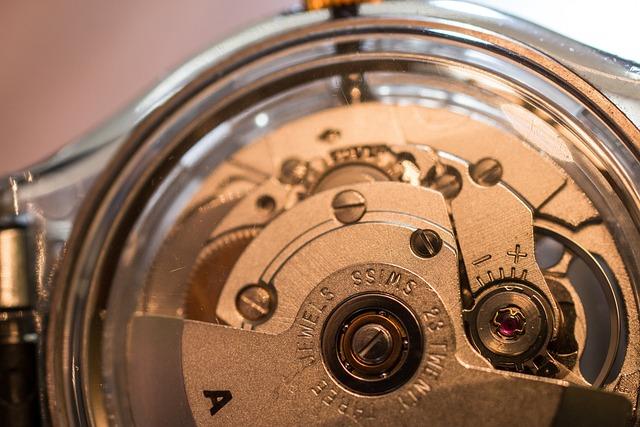
One of the essential components of a mechanical watch is the movement, which is the mechanism responsible for keeping time. Movements can be automatic, manual, or quartz, each with its unique features and functions. Another crucial part is the mainspring, which stores the energy needed to power the watch. The balance wheel and escapement work together to regulate the release of this energy, ensuring the watch ticks at a constant rate.
Related: How Many Parts in a Rolex Submariner? Construction Insights
Related: Parts of Mechanical Watch: Exploring the Components of Timekeeping
Moreover, gears and wheels transmit this energy throughout the watch, while the dial and hands display the time in an easily readable format. The case and crystal protect the delicate components inside, ensuring the watch is both aesthetically pleasing and durable. Overall, a mechanical watch is a masterpiece of engineering, with each part playing a vital role in its functionality and design.

Main Components of a Mechanical Watch
In a mechanical watch, there are several key components that work together to keep time accurately. These components include the following:
- Main Spring: This is the source of power in a mechanical watch. It is wound up either manually or through the motion of the wearer’s wrist, and it stores energy to keep the watch ticking.
- Gears and Pinions: These components transmit the energy from the main spring to the other parts of the watch, such as the hands that indicate the time.
- Escapement Mechanism: This is a crucial component that regulates the release of energy from the main spring, allowing the gears to move at a consistent rate.
- Balance Wheel: This part oscillates back and forth, also helping to regulate the timekeeping of the watch.
Additionally, a mechanical watch may also contain other components such as the dial, hands, and case, which contribute to its overall functionality and aesthetics. These intricate parts come together in harmony to create a timepiece that not only tells time but also reflects the artistry and craftsmanship of watchmaking.
Importance of Each Part
The movement of a mechanical watch is made up of several intricate parts, each playing a crucial role in ensuring the watch functions properly. Let’s delve into the importance of each component:
1. Balance Wheel: The balance wheel is a crucial component in a mechanical watch that oscillates back and forth, controlling the timekeeping accuracy of the watch. It acts as the heart of the watch, regulating the speed at which the gears turn.
2. Escapement: The escapement is responsible for transferring energy from the mainspring to the gear train, allowing for the controlled release of power. Without the escapement, the gears would turn uncontrollably, leading to inaccuracies in timekeeping.
3. Mainspring: The mainspring is the source of power in a mechanical watch, storing energy when wound up and releasing it gradually to power the movement. It is essential for keeping the watch running smoothly and accurately.
4. Gear Train: The gear train consists of a series of gears that transmit power from the mainspring to the hands of the watch. Each gear plays a vital role in regulating the speed and movement of the watch, ensuring precise timekeeping.
Materials Used in Mechanical Watch Parts
When it comes to the intricate components of a mechanical watch, the materials used play a crucial role in the watch’s performance and longevity. Here are some of the key materials commonly found in mechanical watch parts:
- Stainless Steel: Often used for watch cases, bezels, and bracelets, stainless steel is known for its durability and resistance to corrosion.
- Brass: Brass is commonly used in the construction of watch movements due to its malleability and ability to be easily machined.
- Gold: Often used for luxury watch cases, crowns, and accents, gold adds a touch of elegance and prestige to a timepiece.
- Sapphire Crystal: Sapphire crystal is used for watch crystals due to its scratch resistance and clarity.
These materials, among others like ceramic, titanium, and platinum, are carefully chosen and crafted to ensure that each component of a mechanical watch functions seamlessly and withstands the test of time.

Movement Components Explained
In a mechanical watch, there are typically hundreds of tiny components working together in perfect harmony to keep time accurately. These components can be categorized into several main groups, each playing a crucial role in the overall movement of the watch.
**Main Components:**
– **Escapement Mechanism:** This component regulates the release of energy from the mainspring to the gear train, controlling the movement of the hands.
– **Gear Train:** This set of gears transmits the energy from the mainspring to the escapement mechanism and ultimately to the hands of the watch.
**Additional Components:**
– **Balance Wheel:** This component oscillates back and forth, providing the timekeeping element of the watch.
– **Mainspring:** The mainspring is wound up to store potential energy, which is released gradually to power the movement of the watch.
Understanding the various components of a mechanical watch can give you a deeper appreciation for the craftsmanship and precision involved in creating such intricate timepieces. Each part has a specific function and contributes to the overall accuracy and reliability of the watch.
Case and Dial Components
In a mechanical watch, the play a crucial role in both functionality and aesthetics. Understanding the intricate parts that make up these components can provide a deeper appreciation for the craftsmanship involved. Let’s explore some of the key elements that come together to create a mechanical watch.
The case of a mechanical watch serves as the outer shell that houses all the internal components. It is typically made of materials such as stainless steel, gold, or titanium. The case not only protects the delicate mechanisms inside but also contributes to the overall design and style of the watch. Some common components of the case include the bezel, crown, and case back.
On the other hand, the dial of a mechanical watch is the face of the timepiece. It displays the time using hour markers, hands, and often additional features such as date windows or chronographs. The dial is usually made of materials like metal, enamel, or even mother-of-pearl. The design of the dial can vary greatly, from minimalist and elegant to elaborate and ornate.
Overall, the of a mechanical watch work together harmoniously to create a functional and visually appealing timepiece. Each part is carefully crafted and assembled with precision to ensure the watch not only tells time accurately but also makes a statement as a stylish accessory.
Hands and Indicators
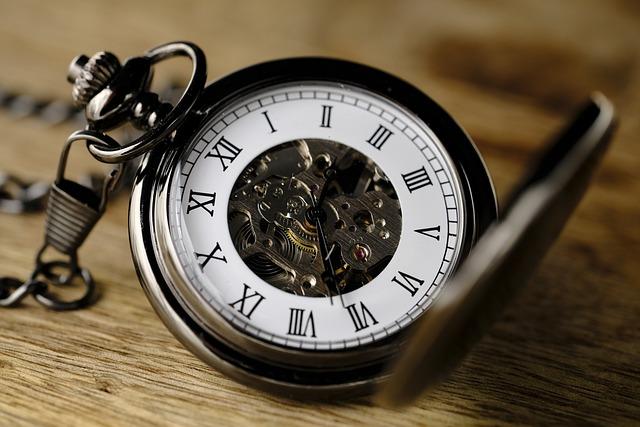
In a mechanical watch, the hands are essential components that work in conjunction with the indicators to display the time accurately. The hands are typically made of metal and come in various shapes and sizes, including hour, minute, and second hands. They move in a precise manner to point to the numbers on the watch face, allowing the wearer to easily read the time.
The indicators on a watch are the markings or numerals on the watch face that help to indicate the time. These indicators are typically printed or engraved onto the watch dial, and they are strategically placed to correspond with the position of the hands. The indicators can include Arabic or Roman numerals, hour markers, minute markers, and sometimes even additional complications such as a date window or sub-dials for chronograph functions.
The work together seamlessly to ensure that the wearer can accurately tell the time at a glance. The hands move clockwise around the dial, following the indicators as they pass by each hour and minute marker. This synchronized movement is what makes mechanical watches such a marvel of engineering and craftsmanship, offering a timeless and elegant way to keep track of time.
Water Resistance Components
When it comes to in a mechanical watch, there are several key parts that work together to ensure the watch remains protected from moisture and water damage. These components are crucial in maintaining the functionality and longevity of the timepiece, especially for those who lead active lifestyles or are frequently exposed to water.
One important component is the gaskets, which are small rubber or plastic rings that create a watertight seal between the various parts of the watch. Gaskets are typically found around the crystal, case back, and crown of the watch, preventing water from seeping in through these vulnerable areas. Regular maintenance and replacement of gaskets are essential to maintain the water resistance of the watch.
Another crucial component is the crown, which is used to wind the watch and set the time. A screw-down crown is often found in water-resistant watches, which means that it can be twisted shut to create a tight seal, further protecting the internal mechanisms from water infiltration. It is important to always ensure the crown is fully screwed in when near water to maintain the watch’s water resistance.
Additionally, the case back of the watch plays a key role in protecting the internal components from water damage. A screw-down case back is commonly used in water-resistant watches to create a secure seal. The material and design of the case back, in combination with the gaskets, help to keep water out and protect the delicate movement inside the watch. Regular testing and maintenance of the case back are essential to ensure the watch remains water-resistant.
Maintenance and Care Tips
Mechanical Watch Components
When it comes to understanding the intricate workings of a mechanical watch, it’s important to know that there are numerous parts that all work together seamlessly to keep time ticking accurately. Here are some key components you should be familiar with:
- Mainspring: This is the source of power in a mechanical watch, storing energy that is released slowly to move the gears.
- Escapement: The escapement regulates the release of energy from the mainspring, enabling the watch to keep time accurately.
- Gears: Gears transmit the energy from the mainspring throughout the movement, allowing the hands to move at the right speed.
- Balance Wheel: This component regulates the movement of the gears, ensuring a consistent flow of energy throughout the watch.
| Component | Function |
|---|---|
| Mainspring | Stores energy |
| Escapement | Regulates energy release |
| Gears | Transmit energy |
| Balance Wheel | Regulates movement |
These are just a few of the essential components that make up a mechanical watch. Each part plays a crucial role in ensuring that the watch operates smoothly and accurately. By understanding the function of these components, you can better appreciate the craftsmanship and complexity of mechanical timepieces.
Remember, regular maintenance and care of your mechanical watch will help prolong its lifespan and keep it running smoothly for years to come.

Conclusion
In , a mechanical watch is a complex and intricate timepiece that consists of several key components working together harmoniously. From the outer case to the inner movement, each part plays a crucial role in ensuring the watch functions accurately and smoothly.
One of the most important components of a mechanical watch is the movement, which can be further broken down into the escapement, mainspring, balance wheel, and gears. These components work together to regulate the timekeeping of the watch and control its functions.
Additionally, the dial and hands of a mechanical watch provide the visual aspect of telling time, while the crown and pushers allow for adjustments and winding of the watch. The case and crystal protect the inner components and add to the aesthetic appeal of the watch.
Overall, understanding the various parts of a mechanical watch can give us a greater appreciation for the craftsmanship and engineering that goes into creating these timeless pieces. Each component serves a specific purpose and contributes to the overall functionality and beauty of the watch.
To Conclude
In conclusion, a mechanical watch consists of several intricate components, each playing a crucial role in its functionality. From the balance wheel to the mainspring, every part is essential in ensuring accurate timekeeping. By understanding the various components of a mechanical watch, you can appreciate the craftsmanship and complexity involved in creating these timeless timepieces. So next time you glance at your watch, remember the numerous parts working together seamlessly to keep you on schedule.
Get our latest guides, news, and insights highlighted in your Google Search & AI Overviews.