Parts of Mechanical Watch: Exploring the Components of Timekeeping
Welcome to an exploration of the intricate world of mechanical watches. In this article, we will delve into the fascinating components that come together to create impeccable timekeeping precision. Join us as we uncover the inner workings of these timeless classics and learn about the essential parts that make them tick. Let’s dive into the world of horology and discover the magic behind the mechanisms of a mechanical watch.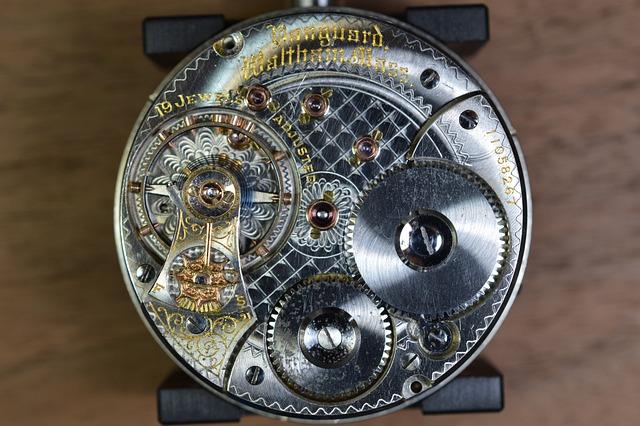
Contents
- Introduction to Mechanical Watches
- Understanding the Main Components of a Mechanical Watch
- The Intricate Mechanism of the Movement
- Exploring the Functionality of the Escapement
- The Role of the Balance Wheel in Timekeeping Accuracy
- An In-depth Look at the Gear Train System
- Examining the Importance of the Spring Barrel
- The Significance of the Dial and Hands in Time Display
- Choosing Quality Materials for Longevity and Performance
- Maintenance Tips for Extending the Lifespan of Your Mechanical Watch
- In Retrospect
Introduction to Mechanical Watches
When it comes to mechanical watches, there is a world of intricate components that work together to keep time ticking. Understanding these parts can help you appreciate the craftsmanship and engineering behind these classic timepieces. Let’s dive into the inner workings of a mechanical watch:
Related: How Many Parts Are in a Mechanical Watch? Exploring Components
Related: Dissecting the Parts of a Mechanical Watch: Know Your Timepiece
<h3>Main Components:</h3>

<ul>

    <li><strong>Movement:</strong> Often referred to as the engine of the watch, the movement is responsible for keeping time accurately. It consists of intricate gears, springs, and escapements that work together to regulate the timekeeping.</li>

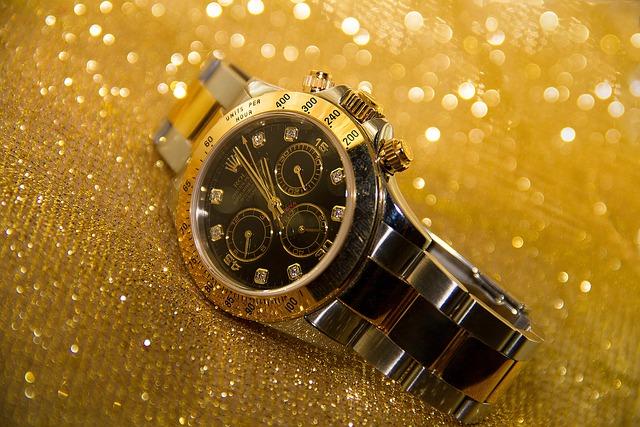
    <li><strong>Dial:</strong> This is the face of the watch where you can see the time displayed. It often includes markers, numerals, and hands to indicate hours, minutes, and seconds.</li>

    <li><strong>Case:</strong> The case houses all the components of the watch and protects them from external elements. It can be made of various materials such as stainless steel, gold, or titanium.</li>

    <li><strong>Crystal:</strong> The crystal is the transparent cover that protects the dial. It can be made of different materials like mineral glass, sapphire, or acrylic.</li>

</ul>


<h3>Additional Components:</h3>

<ul>

    <li><strong>Crown:</strong> The crown is used to wind the watch, set the time, and adjust other functions such as the date or moon phase.</li>

    <li><strong>Hands:</strong> The hands of the watch are attached to the movement and indicate the time on the dial.</li>

    <li><strong>Strap/Bracelet:</strong> The strap or bracelet secures the watch to your wrist. It can be made of leather, metal, rubber, or fabric.</li>

    <li><strong>Bezel:</strong> The bezel is a ring that surrounds the crystal and can be either stationary or rotating to measure elapsed time.</li>

</ul>


<table class="wp-block-table">

    <thead>

        <tr>

            <th>Component</th>

            <th>Function</th>

        </tr>

    </thead>

    <tbody>

        <tr>

            <td>Movement</td>

            <td>Regulates timekeeping</td>

        </tr>

        <tr>

            <td>Dial</td>

            <td>Displays time</td>

        </tr>

        <tr>

            <td>Case</td>

            <td>Protects components</td>

        </tr>

        <tr>

            <td>Crystal</td>

            <td>Protects dial</td>

        </tr>

    </tbody>

</table>
Understanding the Main Components of a Mechanical Watch
In a mechanical watch, there are several key components working together to keep time accurately. Understanding these parts can give you a deeper appreciation for the craftsmanship that goes into creating these intricate timepieces.
Balance Wheel: This component swings back and forth, regulating the movement of the watch. It controls the speed at which the gears turn, ensuring precise timekeeping.
Escapement: The escapement is responsible for releasing the gear train at regular intervals, allowing the mechanism to advance in controlled increments. This part is crucial for maintaining the correct time.
Gear Train: The gear train transmits the energy from the mainspring to the escapement, controlling the movement of the hands on the watch dial. Each gear in the train has a specific ratio, contributing to the overall accuracy of the timepiece.
Mainspring: The mainspring is the source of power in a mechanical watch. When wound, it stores energy that is gradually released to power the movement of the watch. This component is essential for keeping the watch running smoothly and accurately.
Understanding how these components work together can enhance your appreciation for the inner workings of a mechanical watch. Each part plays a unique role in ensuring the watch keeps time reliably and precisely.
The Intricate Mechanism of the Movement
Mechanical watches are a marvel of intricate engineering, with each component playing a crucial role in the precision timekeeping mechanism. Understanding the parts of a mechanical watch can provide deeper insight into the craftsmanship and complexity behind these timeless pieces.
One of the key components of a mechanical watch is the **balance wheel**, which oscillates back and forth to regulate the movement of the gears. This delicate wheel ensures that the watch keeps accurate time by controlling the rate at which the gear train advances.
The **escapement** is another essential part of a mechanical watch, responsible for converting the regulated motion of the balance wheel into a series of small, controlled movements that drive the hands of the watch. This mechanism is crucial in ensuring that the watch maintains consistent timekeeping.
Other important components include the **main spring**, which stores the energy needed to power the watch, and the **gear train**, which transmits this energy to move the hands of the watch. Each of these parts works together in harmony to create in a mechanical watch.

Exploring the Functionality of the Escapement
In a mechanical watch, the escapement is a crucial component that regulates the movement of the gear train, allowing the timepiece to accurately tell time. This intricate mechanism consists of several parts working together seamlessly to ensure precision and reliability. Let’s delve into the functionality of the escapement and its key elements:
**1. Escape Wheel**: The escape wheel is a toothed gear connected to the mainspring, which rotates back and forth in conjunction with the balance wheel. It controls the release of energy from the mainspring to the rest of the gear train.
**2. Pallet Fork**: The pallet fork is a lever with two pallets that interact with the escape wheel. As the balance wheel swings, the pallet fork locks and unlocks the escape wheel, allowing the gear train to advance in small, precise increments.
**3. Balance Wheel**: The balance wheel is a weighted wheel that oscillates back and forth, acting as the timekeeping regulator of the watch. It works in conjunction with the escapement to ensure that the watch ticks at a consistent rate.
**4. Anchor**: The anchor is a small lever attached to the pallet fork, which pivots back and forth to interact with the escape wheel. It plays a crucial role in controlling the movement of the escapement and ultimately the accuracy of the watch.
By understanding the functionality of the escapement and its individual components, we can appreciate the intricate craftsmanship and precision that goes into the creation of a mechanical watch. Each part plays a vital role in the accurate timekeeping of these elegant timepieces.
The Role of the Balance Wheel in Timekeeping Accuracy
The balance wheel is a crucial component within mechanical watches, playing a significant role in ensuring precise timekeeping accuracy. Comprised of a weighted wheel that oscillates back and forth, the balance wheel regulates the rate at which the escapement releases energy to move the watch hands.
This constant back-and-forth motion is what allows the balance wheel to divide time into equal segments, ensuring that each second is accurately measured. The balance wheel’s frequency, typically measured in beats per hour, determines the overall precision of the watch.
Additionally, the balance wheel works in tandem with the hairspring to control the speed at which the escapement releases energy. This delicate relationship is what helps maintain the watch’s accuracy over time. Proper maintenance and adjustment of the balance wheel are essential to ensure the longevity and precision of mechanical timepieces.
In summary, the balance wheel is an integral part of the intricate mechanism within mechanical watches that contributes to their timekeeping accuracy. It is a testament to the craftsmanship and precision engineering that goes into creating these timeless pieces.
An In-depth Look at the Gear Train System
The gear train system is a crucial component of mechanical watches, responsible for the transmission of power from the mainspring to the escapement, ultimately regulating the timekeeping of the watch. Let’s delve into the intricate parts that make up this essential system.
First and foremost, the gear train consists of a series of gears of varying sizes, each with a specific purpose in the overall function of the watch. These gears are meticulously designed and placed to ensure the smooth and accurate movement of the hands.
Key components of the gear train system include:
- Center Wheel
- Third Wheel
- Fourth Wheel
- Escape Wheel
Each of these components plays a vital role in maintaining the precise timekeeping of the watch. The proper alignment and interaction of these gears are essential for the smooth operation of the gear train system.
Examining the Importance of the Spring Barrel
The spring barrel is a crucial component in the inner workings of a mechanical watch. It plays a key role in regulating the release of energy that drives the movement of the watch. Without the spring barrel, the watch would not be able to function properly and keep accurate time.
One of the main functions of the spring barrel is to store energy. The mainspring is wound up by the wearer of the watch, either manually or through the movement of an automatic watch. This winding action tightens the spring inside the barrel, storing potential energy that will be gradually released to power the watch’s movement.
Another important role of the spring barrel is to regulate the release of energy. The barrel is equipped with a gear train that controls the speed at which the energy is released from the mainspring. This ensures that the watch keeps consistent time and moves at the correct rate.
In summary, the spring barrel is a vital component of a mechanical watch, responsible for storing and regulating the energy that powers the movement. Without this crucial element, the watch would not be able to function effectively.
The Significance of the Dial and Hands in Time Display
In a mechanical watch, the dial and hands play a crucial role in displaying the time accurately and elegantly. The dial, often referred to as the face of the watch, is where the hour markers, minute markers, and sometimes even additional features like a date window or sub-dials are located. The dial is typically made of metal, ceramic, or enamel, and its design can vary from simple and sleek to intricate and ornate.
The hands of a watch are responsible for indicating the hours, minutes, and seconds. Typically made of metal and coated with luminescent material for visibility in low light conditions, the hands move in a synchronized fashion around the dial to show the current time. The hour hand is shorter and thicker, the minute hand is longer and thinner, and the second hand is the thinnest and moves at a constant pace to track seconds.
Together, the dial and hands of a mechanical watch create a visual representation of time that is both functional and aesthetically pleasing. The design and layout of these components can vary greatly between different watch models, reflecting the brand’s style and craftsmanship. Whether it’s a minimalist design with clean lines or a more intricate dial with intricate details, the dial and hands are essential elements that contribute to the overall appeal and functionality of a timepiece.
Choosing Quality Materials for Longevity and Performance
When it comes to selecting the materials for the components of a mechanical watch, quality is paramount. The longevity and performance of the timepiece are directly influenced by the materials used in its construction. Here are some key components to consider when choosing materials for your watch:
– **Case**: The case of a mechanical watch can be made from a variety of materials, each offering its own unique benefits. Common options include stainless steel, titanium, and precious metals like gold and platinum. Stainless steel is durable and resistant to corrosion, while titanium is lightweight and hypoallergenic. Precious metals add a touch of luxury but can be more prone to scratching.
– **Movement**: The movement, or ‘heart’, of a mechanical watch is responsible for keeping time accurately. The materials used in the movement can impact its precision and reliability. Look for watches with movements crafted from high-quality materials like brass, steel, and jewels like rubies. These materials help reduce friction and wear on the moving parts, ensuring the watch functions smoothly for years to come.
– **Crystal**: The crystal of a watch is the transparent cover that protects the dial and hands. Common materials for watch crystals include mineral glass, sapphire crystal, and acrylic. Sapphire crystal is the most scratch-resistant and durable option, making it ideal for watches that will see heavy use. Acrylic crystals are more prone to scratching but can be easily polished, while mineral glass offers a good balance of durability and affordability.
– **Strap/Bracelet**: The strap or bracelet of a watch can be made from a variety of materials, including leather, rubber, metal, and fabric. Each material offers different levels of comfort, durability, and style. Leather straps are classic and comfortable but may require more maintenance, while metal bracelets are rugged and long-lasting. Consider your lifestyle and preferences when choosing the strap material for your watch.
In conclusion, selecting high-quality materials for the components of a mechanical watch is essential for ensuring its longevity and performance. By carefully considering the materials used in the case, movement, crystal, and strap/bracelet, you can choose a timepiece that will stand the test of time and continue to function accurately for years to come.
Maintenance Tips for Extending the Lifespan of Your Mechanical Watch
When it comes to caring for your mechanical watch, proper maintenance is key to ensuring its longevity and performance. By following a few simple tips, you can extend the lifespan of your timepiece and keep it running smoothly for years to come.
One of the most important aspects of maintaining a mechanical watch is keeping it clean and dry. Be sure to wipe down your watch regularly with a soft, dry cloth to remove any dirt or debris that may have accumulated on the case or bracelet. Avoid exposing your watch to extreme temperatures or moisture, as this can damage the delicate internal components.
Additionally, it’s crucial to have your mechanical watch serviced by a professional watchmaker every 3-5 years. During a routine service, the watchmaker will inspect the movement, clean and lubricate the components, and make any necessary repairs to ensure the watch functions properly. This preventative maintenance will help prevent wear and tear on the internal parts of the watch and keep it running accurately.
By following these maintenance tips and staying on top of routine servicing, you can help extend the lifespan of your mechanical watch and enjoy its beauty and precision for many years to come.
In Retrospect
In conclusion, understanding the various parts of a mechanical watch is essential for appreciating the intricate craftsmanship and precision that goes into timekeeping. From the escapement to the mainspring and crown, each component plays a crucial role in ensuring accurate timekeeping. By exploring these components, you can gain a deeper appreciation for the artistry and engineering that goes into creating these timeless pieces. So next time you glance at your watch, take a moment to marvel at the complexity of its inner workings and the skillful hands that brought it to life.
Get our latest guides, news, and insights highlighted in your Google Search & AI Overviews.